गीत विंग · गीत-पट्टिका · Song Plate
तू प्यार का सागर है
Tu Pyar Ka Sagar Hai
मन्ना डे ने तीन मिनट में परमात्मा तक पहुँच लिया — बड़े धर्मशास्त्र से नहीं, बल्कि प्रेम-सागर से एक बूँद माँगने वाले भक्त की सरल प्यास से।
भावभक्ति · उदास · शांत · आध्यात्मिक
भाषाHindi · Sanskrit-toned गतिधीमी स्वरूपएकल पुरुष
श्रेय
The Creditsबोल · The Lyrics
बोल — झलक · Lyrics Preview
तेरी एक बूँद के प्यासे हम
तू प्यार का सागर है
Teri ek bund ke pyase hum
Tu pyar ka sagar hai
कॉपीराइट के कारण केवल झलक — पूरे बोल आधिकारिक मंचों पर।
शब्दकोश
Word Meaningsसूत्र-वाक्य · The Hook
सूत्र-वाक्य
मन्ना डे ने तीन मिनट में परमात्मा तक पहुँच लिया — बड़े धर्मशास्त्र से नहीं, बल्कि प्रेम-सागर से एक बूँद माँगने वाले भक्त की सरल प्यास से।
In EnglishManna Dey reached God in three minutes — not with grand theology but with the simple thirst of a devotee begging for one drop from the ocean of love.
पट्टिका-लेख
The Monographपरिचय Overview
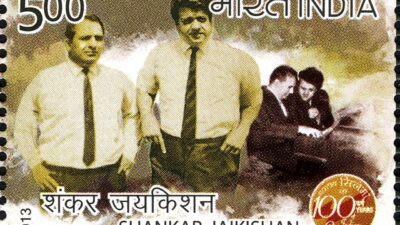
१९५५ की फ़िल्म 'सीमा' का 'तू प्यार का सागर है' मन्ना डे के सर्वश्रेष्ठ भक्ति-गीतों में से एक है और शंकर-जयकिशन तथा शैलेंद्र की जोड़ी की एक अप्रतिम कृति। मन्ना डे की शास्त्रीय गहराई और उष्मा से गाया, भैरवी राग में बँधा यह गीत अपने फ़िल्मी संदर्भ से निकलकर एक सच्चा भजन बन गया जिसे भारत भर के मंदिरों और आश्रमों ने अपना लिया। शैलेंद्र की भावयुक्त सरलता: 'तू प्रेम का सागर है, हम तेरी एक बूँद के प्यासे।' 'सीमा' में बलराज साहनी पर फ़िल्माया गया यह गीत फ़िल्म का भावनात्मक और आध्यात्मिक केंद्र बना।
अंग्रेज़ी में पढ़ें · Read in English
"Tu Pyar Ka Sagar Hai" from the 1955 film Seema is one of Manna Dey's most celebrated devotional songs and a pinnacle of the singer-composer combination of Shankar-Jaikishan and Shailendra. Sung with Manna Dey's characteristic classical depth and warmth, this song — set in Raag Bhairavi — became a devotional classic that transcended its film context to be adopted as a genuine bhajan by temples and spiritual communities across India. The lyric by Shailendra is a masterpiece of spiritual simplicity: 'You are the ocean of love, and I am only thirsty for one drop.' Picturized in Seema on Balraj Sahni, the song became the emotional and spiritual centre of the film. HMV India released it, and it has remained in continuous broadcast and live performance for seven decades.
संगीत The Music
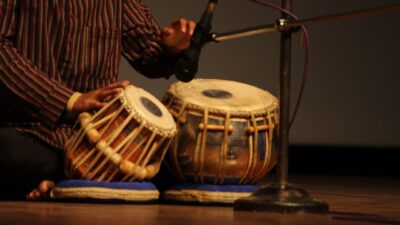
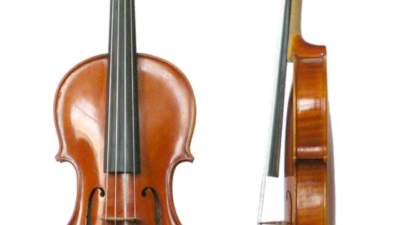
शंकर-जयकिशन ने यह गीत राग भैरवी में बाँधा — भोर का राग, विदाई का राग, समर्पण का राग। भैरवी के कोमल स्वर एक ऐसा वातावरण बनाते हैं जो भक्ति-काव्य के लिए आदर्श है। उस्ताद अमान अली खाँ के शिष्य मन्ना डे के पास वह शास्त्रीय अधिकार था जिससे वे भैरवी के अंतरालों को प्रामाणिक गहराई से पार कर सकें। ऑर्केस्ट्रेशन संयमित है: हारमोनियम, तबला और तार। मन्ना डे का गायन पटियाला घराने के भैरवी-रंग में डूबा है — विशेषकर कोमल ग और नि पर उनका मीड़। तानपुरे का स्वर पूरे गीत को ध्यान की स्थिरता में बाँधे रहता है।
अंग्रेज़ी में पढ़ें · Read in English
Shankar-Jaikishan set this song in Raag Bhairavi — the raga of early morning, of endings, of surrender. Bhairavi's komal (flattened) notes create an atmosphere of gentle yearning that is ideal for devotional poetry. Manna Dey's training under Ustad Aman Ali Khan gave him the classical command to navigate Bhairavi's intervals with authentic depth. The orchestration is restrained: harmonium, tabla, and strings support without overwhelming. What distinguishes this performance is the way Manna Dey bends certain notes — particularly the komal Ga and Ni — in a manner rooted in the Patiala gharana's approach to Bhairavi. The song builds slowly, each antara deepening the devotional intensity before the mukhda returns as a mantra. The tanpura drone anchors the entire piece in meditative stillness.
काव्य The Poetry
शैलेंद्र की भाषा यहाँ वह करती है जो कम ही फ़िल्मी गीत कर पाते हैं: सच्ची आध्यात्मिक कविता। केंद्रीय रूपक — प्रेम का दिव्य सागर और एक बूँद के प्यासे भक्त — भारतीय भक्ति-परंपरा में प्राचीन है (कबीर, मीराबाई, सूरदास), लेकिन शैलेंद्र इसे ताज़े अनुभव जैसा बनाते हैं। 'तेरी एक बूँद के प्यासे हम' — यह गहरी विनम्रता की पंक्ति है: पूरा सागर नहीं माँगते, बस एक बूँद। यह भक्ति की भाषा अपने सबसे असुरक्षित रूप में है।
अंग्रेज़ी में पढ़ें · Read in English
Shailendra's lyric for this song achieves what few film songs do: genuine theological poetry. The central metaphor — the ocean of divine love and the devotee as one who is thirsty for a single drop — is ancient in Indian bhakti tradition (found in Kabir, Mirabai, and Surdas), but Shailendra makes it sound freshly experienced rather than borrowed. 'Teri ek bund ke pyase hum' (I am thirsty for just one drop of you) is a line of profound humility — not asking for the whole ocean, just one drop. This is the language of bhakti's adoration in its most vulnerable form: the acknowledgement of human smallness before the infinite.
कहानी The Story
फ़िल्म 'सीमा' (१९५५) अमिय चक्रवर्ती द्वारा निर्देशित थी और नूतन ने इसमें एक विद्रोही लड़की की भूमिका निभाई जो एक आश्रम-जैसी संस्था में बदल जाती है। बलराज साहनी ने प्रधान की भूमिका निभाई — एक ऐसा व्यक्ति जिसमें शांत आध्यात्मिक गहराई है। 'तू प्यार का सागर है' फ़िल्म के संदेश का आध्यात्मिक केंद्र था: प्रेम — दिव्य और मानवीय — सबसे जिद्दी आत्मा को भी बदल देता है। मन्ना डे ने साक्षात्कारों में कहा है कि यह उनकी पसंदीदा रिकॉर्डिंग्स में से एक है।
अंग्रेज़ी में पढ़ें · Read in English
Seema (1955) was directed by Amiya Chakravarty and starred Nutan in one of her defining early roles as a rebellious, difficult girl reformed by a saintly institution. Balraj Sahni played the principal/warden character — a man of quiet spiritual depth. The song 'Tu Pyar Ka Sagar Hai' was conceived as the spiritual centre of the film's message: that love, divine and human, transforms even the most resistant soul. Shankar-Jaikishan reportedly worked closely with the director to ensure the song's placement served the narrative. Manna Dey has recalled in interviews that this was among his favourite recordings, as it gave him the freedom to sing with genuine devotional feeling rather than romantic artifice.
विरासत The Legacy
यह गीत हिंदी फ़िल्म संगीत के उन बिरले गीतों में है जिन्हें फ़िल्म से बाहर भी धार्मिक समुदायों ने वास्तविक भजन के रूप में अपना लिया। मंदिरों, प्रार्थना-सभाओं और स्कूलों की प्रातःकालीन सभाओं में यह गाया जाता है। मन्ना डे के संगीत-कार्यक्रमों में यह हमेशा केंद्रबिंदु रहा। कई सर्वेक्षणों में इसे हिंदी फ़िल्म संगीत के महानतम भक्ति-गीतों में स्थान दिया गया है।
अंग्रेज़ी में पढ़ें · Read in English
"Tu Pyar Ka Sagar Hai" is remarkable among Hindi film songs in having been genuinely adopted as a bhajan by religious communities outside the film context. It is sung in temples, at prayer gatherings, and in school morning assemblies across India. Manna Dey's live concerts always included it as a centrepiece. The song was listed in multiple polls as one of the greatest devotional songs in Hindi film music. It appears on devotional music compilations alongside traditional bhajans of Mirabai and Kabir — a testament to Shailendra and Shankar-Jaikishan's achievement of genuine spiritual feeling.
वर्गीकरण
Classification- Tempo
- Slow
Genre
अन्य विवरण
More Details- Wikipedia: Seema (1955 film). https://en.wikipedia.org/wiki/Seema_(1955_film)
- Wikipedia: Manna Dey. https://en.wikipedia.org/wiki/Manna_Dey
- Wikipedia: Shankar-Jaikishan. https://en.wikipedia.org/wiki/Shankar-Jaikishan
- Manna Dey. Memories Come Alive (autobiography). Penguin Books India, 2011.
- Binaca Geetmala archives 1955, Radio Ceylon
References
रोचक तथ्य
Margin Notesमन्ना डे ने भिंडीबाज़ार घराने के उस्ताद अमान अली ख़ान से और बाद में उस्ताद अब्दुल रहमान ख़ान से तालीम ली — यह शास्त्रीय बुनियाद इस भक्ति गीत की हर पंक्ति में झलकती है।
अंग्रेज़ी में पढ़ें · Read in English
Manna Dey trained under Ustad Aman Ali Khan of the Bhendibazaar gharana, and later under Ustad Abdul Rahman Khan — this classical foundation is evident in every phrase of this devotional song.
1960-70 के दशकों में महाराष्ट्र और गुजरात के कई सरकारी स्कूलों में यह गीत प्रार्थना-सभा के गीत के रूप में अपनाया गया था।
अंग्रेज़ी में पढ़ें · Read in English
The song was adopted as a school morning prayer in many government schools in Maharashtra and Gujarat through the 1960s-70s.
शंकर-जयकिशन ने इस रचना के लिए भैरवी राग चुना, क्योंकि इसका स्वाभाविक रूप से करुण किंतु समर्पणपूर्ण भाव गीत के 'प्यासी भक्ति' वाले विषय से पूरी तरह मेल खाता था।
अंग्रेज़ी में पढ़ें · Read in English
Shankar-Jaikishan chose Bhairavi for this composition because its naturally sorrowful yet surrender-oriented emotional quality aligned perfectly with the lyric's theme of thirsty devotion.
गीत में परदे पर आए बलराज साहनी का अपना दृष्टिकोण भी गहरे मानवतावाद और आध्यात्मिकता से भरा था — गीत और अभिनेता के इस संयोग ने परदे पर एक असाधारण रूप से प्रामाणिक भक्ति-क्षण रच दिया।
अंग्रेज़ी में पढ़ें · Read in English
Balraj Sahni, who was picturized in the song, had himself a deeply humanist and spiritual worldview — the combination of song and actor created an unusually authentic on-screen devotional moment.
नमूना-पट्टी
The Specimen Table| शीर्षक | तू प्यार का सागर है · Tu Pyar Ka Sagar Hai |
|---|---|
| वर्ष · युग | 1955 — Golden Era |
| गायक | Manna Dey |
| गीतकार | Shailendra |
| संगीतकार | Shankar-Jaikishan |
| स्वरूप | एकल पुरुष |
| गति | धीमी |
| अवधि | circa 4:30 |
| भाषा | Hindi · Sanskrit-toned |
| वाद्य | harmonium · tabla · violin · tanpura |
| भाव | भक्ति · उदास · शांत · आध्यात्मिक |
| लोकप्रियता | Legendary |
| बोल-स्थिति | केवल झलक |
जुड़े हुए पन्ने
Connected Plates · The Graph Made Visibleअटलस में कोई पन्ना अकेला नहीं — इस गीत से जुड़े गीत, कलाकार, फ़िल्म, राग-ताल-विधा, सब यहाँ से खुलते हैं।
मिलते-जुलते गीत · Related Songs
कलाकार · The Artists
युग · The Era
साझा कीजिए · Share this Plate
यह पन्ना आगे बढ़ाइए
मैंने हज़ारों गाने रिकॉर्ड किए, लेकिन बहुत कम ने मुझे वास्तव में प्रार्थना करने का अहसास दिया।
I have recorded thousands of songs, but very few gave me the feeling of actually praying.
— Manna Dey, interview (circa 1985)
सवाल-जवाब
Questions & Answersतू प्यार का सागर है किस फ़िल्म का गाना है? · Which film is Tu Pyar Ka Sagar Hai from?
१९५५ की फ़िल्म 'सीमा' से, जिसे अमिय चक्रवर्ती ने निर्देशित किया था। नूतन और बलराज साहनी अभिनीत। मन्ना डे ने बलराज साहनी के लिए गाया।
From the 1955 film Seema, directed by Amiya Chakravarty, starring Nutan and Balraj Sahni. Manna Dey sang it as playback for Balraj Sahni.
इस गाने के संगीतकार कौन हैं? · Who composed Tu Pyar Ka Sagar Hai?
शंकर-जयकिशन ने भैरवी राग में संगीत दिया। शैलेंद्र ने बोल लिखे।
Shankar-Jaikishan composed it in Raag Bhairavi. Shailendra wrote the lyrics.
क्या यह फ़िल्मी गाना है या असली भजन? · Is Tu Pyar Ka Sagar Hai a film song or a real bhajan?
यह १९५५ की फ़िल्म 'सीमा' से आया, लेकिन भारत भर के मंदिरों और प्रार्थना-सभाओं ने इसे असली भजन के रूप में अपना लिया।
It originated in the 1955 film Seema, but was adopted as a genuine bhajan by temples and prayer communities across India. Today it is sung as both.
इस गाने में कौन सा राग है? · What raag is Tu Pyar Ka Sagar Hai based on?
राग भैरवी — प्रभात का राग, समर्पण और कोमल विषाद का राग — भक्ति काव्य के लिए सर्वोत्तम। मन्ना डे की शास्त्रीय तालीम ने उन्हें इस रचना के लिए आदर्श बनाया।
Raag Bhairavi — the morning raga of surrender and gentle sorrow, perfect for devotional poetry. Manna Dey's classical training made him ideal for this composition.