गीत विंग · गीत-पट्टिका · Song Plate
मन मोहन मन में हो तुम
Man Mohan Man Mein Ho Tum
वसंत देसाई ने हिंदी सिनेमा को उसके सबसे शास्त्रीय पाँच मिनट दिए — एक गीत जिसमें कत्थक, यमन और लता की आवाज़ शुद्ध भक्ति में घुल गई।
भावभक्ति · शांत · रोमांटिक · आध्यात्मिक
भाषाHindi · Braj गतिधीमी स्वरूपएकल महिला
श्रेय
The Creditsबोल · The Lyrics
बोल — झलक · Lyrics Preview
मन मोहन मन में हो तुम
नैनों के नैन हो तुम
Nainon ke nain ho tum
कॉपीराइट के कारण केवल झलक — पूरे बोल आधिकारिक मंचों पर।
शब्दकोश
Word Meaningsसूत्र-वाक्य · The Hook
सूत्र-वाक्य
वसंत देसाई ने हिंदी सिनेमा को उसके सबसे शास्त्रीय पाँच मिनट दिए — एक गीत जिसमें कत्थक, यमन और लता की आवाज़ शुद्ध भक्ति में घुल गई।
In EnglishVasant Desai gave Hindi cinema its most classical five minutes — a song where Kathak, Yaman, and Lata's voice dissolved into pure devotion.
पट्टिका-लेख
The Monographपरिचय Overview
वी. शांताराम की १९५५ की शास्त्रीय नृत्य-फ़िल्म 'झनक झनक पायल बाजे' का 'मन मोहन मन में हो तुम' हिंदी फ़िल्म संगीत में भक्ति-गायन, शास्त्रीय नृत्य-सौंदर्यशास्त्र और लता मंगेशकर की स्वर-कला का एक दुर्लभ संगम है। वसंत देसाई — जिनकी शास्त्रीय संगीत में गहरी जड़ें उन्हें समकालीनों से अलग करती थीं — और हसरत जयपुरी के बोलों के साथ यह गीत कृष्ण को 'मन मोहन' के रूप में संबोधित करता है। यमन राग की छाया में लता की आवाज़ एक ध्यानात्मक गुण बनाती है जो व्यावसायिक सिनेमा में दुर्लभ है।
अंग्रेज़ी में पढ़ें · Read in English
"Man Mohan Man Mein Ho Tum" from V. Shantaram's landmark classical dance film Jhanak Jhanak Payal Baaje (1955) is one of the most beautiful confluences of devotional singing, classical dance aesthetics, and Lata Mangeshkar's vocal artistry in Hindi film music. Composed by Vasant Desai — whose deep roots in classical Indian music distinguished him from contemporaries — and written by Hasrat Jaipuri, the song addresses Krishna as 'Man Mohan' (enchanter of the heart) dwelling within the devotee's own consciousness. Lata's voice, set against Vasant Desai's Yaman-influenced composition, creates a meditative quality rare in commercial cinema. The film itself starred Gopi Krishna and Helena-Margaret (rechristened Sandhya by Shantaram) and featured actual Kathak masters on screen.
संगीत The Music
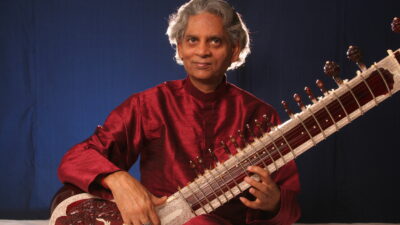
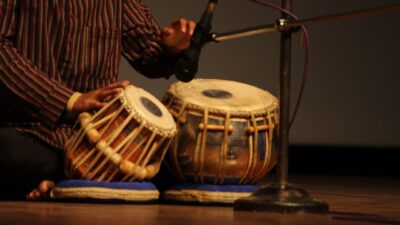
वसंत देसाई ने यह गीत सायं-राग यमन में बनाया — जिसका तीव्र मध्यम एक शांत, ऊपर उठती आकांक्षा का वातावरण बनाता है जो भक्ति-संबोधन के लिए आदर्श है। रचना विलंबित ताल में चलती है — शास्त्रीय कत्थक प्रदर्शन की विशिष्ट गति। लता ने अपनी शास्त्रीय तालीम से मींड और गमक को बड़े कौशल से संभाला। तबला तीनताल में ध्यान-समाहित शैली में बजा है। सितार अंतरा में शास्त्रीय रंग भरता है और तानपुरे का नाद पूरे गीत को ध्यान की निरंतरता में बाँधे रखता है।
अंग्रेज़ी में पढ़ें · Read in English
Vasant Desai constructed this song in the evening raag Yaman — with its characteristic sharp Ma (tivra Madhyam) creating an atmosphere of serene, upward-reaching aspiration perfect for devotional address. The composition moves in the Vilambit (slow) tempo typical of classical performance, with elaborate meend and gamak ornaments that Lata navigated with her exceptional classical training. The taal is Teentaal (16 beats), anchored by tabla playing in a restrained, meditative style rather than the elaborate bols of a concert performance. Sitar provides the classical color in the interludes, while the tanpura drone creates the meditative continuum beneath everything. Vasant Desai was himself deeply trained in Hindustani music and brought this authenticity to every film composition.
काव्य The Poetry
हसरत जयपुरी के बोल ब्रज भक्ति-परंपरा से सीधे आते हैं — कृष्ण को अंतर्निवासी प्रिय के रूप में संबोधित करना। 'मन मोहन मन में हो तुम / नैनों के नैन हो तुम' — भक्ति कविता का उच्चतम स्तर: प्रिय-ईश्वर बाहर नहीं बल्कि भक्त की अपनी चेतना के भीतर। 'नैनों के नैन' की अभिव्यक्ति प्राचीन उपनिषदिक भाषा की याद दिलाती है।
अंग्रेज़ी में पढ़ें · Read in English
Hasrat Jaipuri's lyric for this song draws directly from the Braj bhakti tradition of addressing Krishna as the indwelling beloved. 'Man Mohan man mein ho tum / Nainon ke nain ho tum' — O enchanter of the heart, you dwell within my heart; you are the eyes of my eyes. This is the highest register of bhakti poetry: the beloved-as-divine not outside but within the devotee's own consciousness. The 'nainon ke nain' (eyes of the eyes) formulation echoes ancient Upanishadic language — 'the seer behind the seeing.' Jaipuri here transcends film lyric to touch genuine mystical poetry.
कहानी The Story
'झनक झनक पायल बाजे' (१९५५) वी. शांताराम की कत्थक को श्रद्धांजलि थी — हिंदी सिनेमा की उन पहली फ़िल्मों में जिन्होंने परदे पर प्रामाणिक शास्त्रीय नृत्य दिखाया। गोपी कृष्ण — स्वयं कत्थक के उस्ताद — नायक थे। शांताराम ने शुद्ध शास्त्रीय संगीत पर ज़ोर दिया और वसंत देसाई को लिया जिनकी हिंदुस्तानी संगीत में तालीम बेमिसाल थी। पौराणिक बिरजू महाराज भी फ़िल्म में थे — यह फ़िल्म भारतीय शास्त्रीय नृत्य के इतिहास का एक दस्तावेज़ है।
अंग्रेज़ी में पढ़ें · Read in English
Jhanak Jhanak Payal Baaje (1955) was V. Shantaram's tribute to Kathak — one of the first Hindi films to authentically feature the classical dance form on screen. Gopi Krishna, himself a master Kathak dancer, starred as the lead. Shantaram insisted on authentic classical music and brought Vasant Desai, whose training in Hindustani classical music was impeccable. The film featured the legendary Birju Maharaj in a supporting role — making it a document of Indian classical dance history. Lata Mangeshkar has recalled that working on the Jhanak Jhanak Payal Baaje songs was among her most musically demanding challenges because Vasant Desai expected authentic classical vocal technique.
विरासत The Legacy
'झनक झनक पायल बाजे' और इसका संगीत हिंदी सिनेमा के शास्त्रीय भारतीय संस्कृति के साथ सबसे गहरे संवादों में से एक है। 'मन मोहन मन में हो तुम' फ़िल्म संगीत में शास्त्रीय भक्ति-गीतों का मानदंड है। वसंत देसाई का दृष्टिकोण — हिंदुस्तानी शास्त्रीय संगीत-कुशलता को फ़िल्म में लाना — सराहा गया पर दोहराया नहीं गया। फ़िल्म ने १९५६ में फ़िल्मफ़ेयर सर्वश्रेष्ठ फ़िल्म पुरस्कार जीता।
अंग्रेज़ी में पढ़ें · Read in English
Jhanak Jhanak Payal Baaje and its music represent one of Hindi cinema's most serious engagements with classical Indian culture. 'Man Mohan Man Mein Ho Tum' stands as a benchmark for classical devotional songs in film music. Vasant Desai's approach — bringing genuine Hindustani classical musicianship to film composition — was appreciated but rarely imitated, making this song a unique artifact of what Hindi film music could achieve when classical training was seriously applied. The film won the Filmfare Award for Best Film (1956) — a recognition of its artistic ambition.
वर्गीकरण
Classification- Tempo
- Slow
Genre
अन्य विवरण
More Details- Wikipedia: Jhanak Jhanak Payal Baaje. https://en.wikipedia.org/wiki/Jhanak_Jhanak_Payal_Baaje
- Wikipedia: Vasant Desai. https://en.wikipedia.org/wiki/Vasant_Desai
- Wikipedia: Gopi Krishna (dancer). https://en.wikipedia.org/wiki/Gopi_Krishna
- Filmfare Award records 1956
- Hindi Film Geet Kosh Vol. 3, Harmandir Singh Hamraaz
References
रोचक तथ्य
Margin Notes'झनक झनक पायल बाजे' (1955) में कथक के महान गुरु बिरजू महाराज ने एक विशेष/सहायक नृत्य भूमिका निभाई थी — भारतीय नृत्य इतिहास की इस महत्वपूर्ण हस्ती की शुरुआती फ़िल्मी उपस्थितियों में से एक।
अंग्रेज़ी में पढ़ें · Read in English
Jhanak Jhanak Payal Baaje (1955) featured the legendary Kathak master Birju Maharaj in a cameo/supporting dance role — one of the earliest film appearances of this pivotal figure in Indian dance history.
कहा जाता है कि वसंत देसाई ने इस गीत की रिकॉर्डिंग से पहले लता मंगेशकर से यमन राग का व्याकरण सीखने का आग्रह किया, ताकि मींड और गमक जैसे अलंकार शास्त्रीय शुद्धता के साथ प्रस्तुत हो सकें।
अंग्रेज़ी में पढ़ें · Read in English
Vasant Desai reportedly insisted that Lata Mangeshkar learn the Yaman raag's grammar before recording this song, to ensure the ornaments (meend, gamak) were executed with classical accuracy.
फ़िल्म के संगीत की निगरानी शास्त्रीय संगीत के विद्वानों के गहन सहयोग से की गई थी, जिससे यह 1950 के दशक के सर्वाधिक प्रामाणिक शास्त्रीय फ़िल्म-संगीतों में गिना जाता है।
अंग्रेज़ी में पढ़ें · Read in English
The film's soundtrack was supervised in close collaboration with classical music scholars, making it one of the most authentically classical film soundtracks of the 1950s.
वी. शांताराम की स्वयं नृत्य में एक आध्यात्मिक साधना के रूप में गहरी रुचि थी — यह फ़िल्म कला, भक्ति और मानव-परिवर्तन के संबंध पर उनका कलात्मक वक्तव्य थी।
अंग्रेज़ी में पढ़ें · Read in English
V. Shantaram was himself deeply interested in dance as a spiritual practice — this film was his artistic statement about the relationship between art, devotion, and human transformation.
पुरस्कार
The Honoursनमूना-पट्टी
The Specimen Table| शीर्षक | मन मोहन मन में हो तुम · Man Mohan Man Mein Ho Tum |
|---|---|
| वर्ष · युग | 1955 — Golden Era |
| गायक | Lata Mangeshkar |
| गीतकार | Hasrat Jaipuri |
| संगीतकार | Vasant Desai |
| स्वरूप | एकल महिला |
| गति | धीमी |
| अवधि | circa 4:50 |
| भाषा | Hindi · Braj |
| वाद्य | sitar · tabla · tanpura · sarangi · harmonium |
| भाव | भक्ति · शांत · रोमांटिक · आध्यात्मिक |
| लोकप्रियता | Popular |
| बोल-स्थिति | केवल झलक |
जुड़े हुए पन्ने
Connected Plates · The Graph Made Visibleअटलस में कोई पन्ना अकेला नहीं — इस गीत से जुड़े गीत, कलाकार, फ़िल्म, राग-ताल-विधा, सब यहाँ से खुलते हैं।
मिलते-जुलते गीत · Related Songs
कलाकार · The Artists
युग · The Era
साझा कीजिए · Share this Plate
यह पन्ना आगे बढ़ाइए
'झनक झनक पायल बाजे' में वी. शांताराम ने दिखाया कि भारतीय शास्त्रीय कला संग्रहालय की वस्तु नहीं बल्कि एक जीवंत आध्यात्मिक साधना है।
In Jhanak Jhanak Payal Baaje, V. Shantaram showed that Indian classical art is not a museum piece but a living spiritual practice.
— Film critic, Filmfare magazine, 1956
सवाल-जवाब
Questions & Answersमन मोहन मन में हो तुम किस फ़िल्म का गाना है? · Which film is Man Mohan Man Mein Ho Tum from?
वी. शांताराम की १९५५ की शास्त्रीय नृत्य-फ़िल्म 'झनक झनक पायल बाजे' से — कत्थक उस्ताद गोपी कृष्ण अभिनीत। लता मंगेशकर ने गाया, वसंत देसाई का संगीत।
From V. Shantaram's 1955 classical dance film Jhanak Jhanak Payal Baaje, starring Kathak master Gopi Krishna. Lata Mangeshkar sang it with music by Vasant Desai.
इस गाने में कौन सा राग है? · What raag is Man Mohan Man Mein Ho Tum based on?
राग यमन — शांत आकांक्षा का सायं-राग, अपने विशिष्ट तीव्र मध्यम के साथ। वसंत देसाई की शास्त्रीय तालीम ने इसे एक प्रामाणिक हिंदुस्तानी रचना बनाया।
Raag Yaman — the evening raag of serene aspiration, with its characteristic sharp Madhyam. Vasant Desai's classical training made this an authentic Hindustani composition.
क्या बिरजू महाराज झनक झनक पायल बाजे में थे? · Did Birju Maharaj appear in Jhanak Jhanak Payal Baaje?
हाँ — पौराणिक कत्थक उस्ताद फ़िल्म में थे, जो इसे भारतीय शास्त्रीय नृत्य इतिहास का एक महत्वपूर्ण दस्तावेज़ बनाता है।
Yes — the legendary Kathak master appeared in the film, making it an important document of Indian classical dance history. (Verify exact role in primary sources.)