गीत विंग · गीत-पट्टिका · Song Plate
मन तरपत हरि दर्शन को आज
Man Tarpat Hari Darshan Ko Aaj
एक मुस्लिम शायर ने बोल लिखे, एक मुस्लिम संगीतकार ने धुन बनाई, और एक मुस्लिम गायक ने हिंदी सिनेमा के इतिहास का सबसे हृदयविदारक हिंदू भजन गाया।
भावभक्ति · अविस्मरणीय · उदास · आध्यात्मिक
भाषाHindi · Urdu · Braj गतिधीमी स्वरूपएकल पुरुष
श्रेय
The Creditsबोल · The Lyrics
बोल — झलक · Lyrics Preview
नयन तरसे हैं दीदार को, बिछड़े हैं दोनों हम-राज़
Nayan tarse hain deedaar ko, bichhde hain dono hum-raaz
कॉपीराइट के कारण केवल झलक — पूरे बोल आधिकारिक मंचों पर।
शब्दकोश
Word Meaningsसूत्र-वाक्य · The Hook
सूत्र-वाक्य
एक मुस्लिम शायर ने बोल लिखे, एक मुस्लिम संगीतकार ने धुन बनाई, और एक मुस्लिम गायक ने हिंदी सिनेमा के इतिहास का सबसे हृदयविदारक हिंदू भजन गाया।
In EnglishA Muslim poet wrote the words, a Muslim composer set the tune, and a Muslim singer gave voice to the most shattering Hindu bhajan in film history.
पट्टिका-लेख
The Monographपरिचय Overview
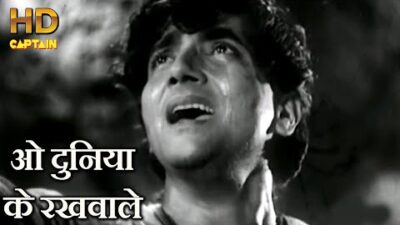
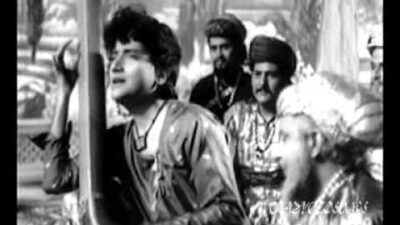
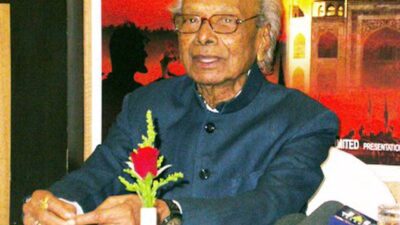
बैजू बावरा (1952) के दूसरे महान शास्त्रीय गीत 'मन तरपत हरि दर्शन को आज' में असाधारण आध्यात्मिक तीव्रता है। नौशाद ने इसे राग भीमपलासी में रचा, शकील बदायूँनी ने बोल लिखे और मोहम्मद रफ़ी ने भरत भूषण के लिए गाया। यह गीत भक्ति परंपरा में भगवान से बिछड़ी आत्मा की व्याकुलता को स्वर देता है। जहाँ 'ओ दुनिया के रखवाले' ईश्वर से सवाल करता है, वहीं यह गीत घुटनों के बल झुककर पुकारता है। भीमपलासी में रफ़ी जी के गमक और मींड का प्रयोग उनकी सर्वश्रेष्ठ शास्त्रीय गायकी के रूप में याद किया जाता है।
अंग्रेज़ी में पढ़ें · Read in English
The second of Baiju Bawra's (1952) great classical songs, 'Man Tarpat Hari Darshan Ko Aaj' is a bhajan of extraordinary spiritual intensity composed by Naushad in Raag Bhimpalasi and sung by Mohammed Rafi for actor Bharat Bhushan. With lyrics by Shakeel Badayuni and recorded for HMV in Bombay, the song is rooted in the Bhakti tradition of nirguna or saguna devotion, giving voice to the devotee's unbearable separation from the divine. Where 'O Duniya Ke Rakhwale' confronts God with a question, this song approaches on its knees. Rafi's mastery of gamaks (trills) and meend (glide between notes) in Bhimpalasi is considered among his finest classical singing on record, and the song remains a fixture of devotional music concerts.
संगीत The Music
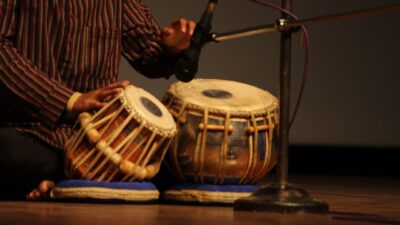
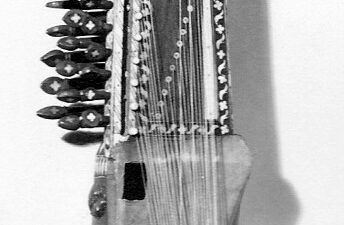
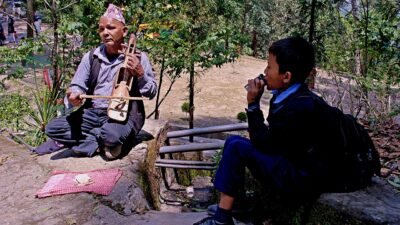
नौशाद ने राग भीमपलासी को इसलिए चुना क्योंकि यह राग अपार प्रतीक्षा और संध्याकालीन उदासी का बोध कराता है — एक ऐसी राग जो उस भावना को जन्म देती है जब किसी का इंतज़ार हो जो शायद न आए। भीमपलासी का आरोह, अपने कोमल गंधार और कोमल निषाद के साथ, स्वाभाविक रूप से करुण है, जिसे रफ़ी जी ने अद्भुत कौशल से उठाया। आर्केस्ट्रेशन जान-बूझकर सरल रखा गया है: सारंगी, तबला और हार्मोनियम। रफ़ी जी के गमक और मींड उनकी शास्त्रीय तालीम का प्रमाण हैं।
अंग्रेज़ी में पढ़ें · Read in English
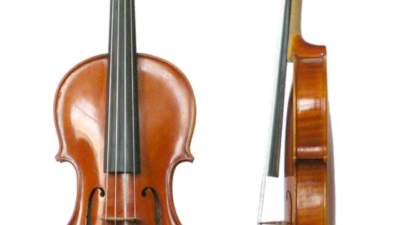
Naushad chose Raag Bhimpalasi for its quality of aching, afternoon-into-evening longing: a raag that traditionally evokes the feeling of waiting for something or someone that may not come. The ascending scale of Bhimpalasi, with its flattened third and seventh, creates an inherent pathos that Rafi exploits masterfully. The taal is Teentaal, but the song's tempo is so slow and so emotionally elastic that time seems to dissolve. The orchestration is deliberately spare: sarangi, tabla, and harmonium carry the core melody, with the violin section used only for punctuation and never to crowd Rafi's voice. His gamaks (trills on syllables) and meend (gliding between adjacent notes) reveal the influence of his classical training under Ustad Abdul Wahid Khan and are technically demanding beyond the capacity of most trained film singers of the era.
काव्य The Poetry
शकील बदायूँनी ने, जो एक उर्दू शायर थे, भजन की परंपरा में पूरी तरह घुल-मिलकर लिखा। 'तरपत' शब्द एक मास्टरस्ट्रोक है: इसमें आत्मा की प्यास और तर्पण (पितरों को जल अर्पण) दोनों की ध्वनि है। ईश्वर के लिए 'हम-राज़' (रहस्य साझा करनेवाला) असाधारण रूप से अंतरंग है। 'हरि', 'दर्शन' जैसे भक्ति शब्दों के साथ उर्दू के 'दीदार' का प्रयोग एक ऐसा गीत बनाता है जहाँ हिंदू भक्ति उर्दू ग़ज़ल की ज़ुबान में बोलती है।
अंग्रेज़ी में पढ़ें · Read in English
Shakeel Badayuni, despite writing in a genre (bhajan) typically associated with Hindu saints, enters the bhakti tradition with perfect fluency. The word 'tarpat' (tarpan + tad: to yearn restlessly) is a masterstroke: it carries the double meaning of the soul's thirst and its ritual offering, the water poured in memory of the departed. 'Hum-raaz' (sharer of secrets) used for God is unusually intimate, turning devotion into friendship. The imagery moves between classical bhakti vocabulary (Hari, darshan) and the everyday Urdu of longing (deedaar), creating a song where Hindu devotion speaks in the language of Urdu ghazal.
कहानी The Story
इस गीत की कहानी उस कलात्मक कार्य से अलग नहीं की जा सकती जो यह प्रतिनिधित्व करती है: तीन मुस्लिम कलाकारों (संगीतकार नौशाद, गीतकार शकील बदायूँनी, गायक मोहम्मद रफ़ी) ने मिलकर हिंदी फ़िल्म संगीत का सबसे प्रिय हिंदू भक्ति गीत बनाया। यह 1950 के दशक की शुरुआत में बॉम्बे की फ़िल्म दुनिया की मिली-जुली, सर्वधर्म-समभावी संस्कृति का प्रमाण है। निर्देशक विजय भट्ट चाहते थे कि दृश्य में बैजू को आध्यात्मिक संकट की गहराई में दिखाया जाए। नौशाद और रफ़ी ने कई दिनों तक रिहर्सल की।
अंग्रेज़ी में पढ़ें · Read in English
The story of this song is inseparable from what it represents as an artistic act: three Muslim artists (composer Naushad, lyricist Shakeel Badayuni, singer Mohammed Rafi) creating what has become one of the most beloved Hindu devotional songs in film music. It speaks to the composite, syncretic culture of Bombay's film world in the early 1950s, where religious identity and artistic creation inhabited entirely different registers. Director Vijay Bhatt wanted the scene to show Baiju in the depths of spiritual crisis: not merely sad but utterly alone before God. Naushad and Rafi reportedly rehearsed the song for several days, with Naushad coaching Rafi on the precise emotional flavour of each phrase, especially the ascending gamak passages which required sustained breath control and classical precision.
विरासत The Legacy
यह भजन लगभग तुरंत सिनेमा से परे चला गया: फ़िल्म की रिलीज़ के बाद कुछ ही वर्षों में यह धार्मिक सभाओं, मंदिर कार्यक्रमों और भक्ति संगीत के एल्बमों में दिखने लगा। मोहम्मद रफ़ी स्वयं इसे लाइव कॉन्सर्ट में गाते थे और यह उनका प्रिय भक्ति गीत माना जाता था। नौशाद इसे इस बात का प्रमाण मानते थे कि हिंदुस्तानी शास्त्रीय संगीत अपनी आत्मा खोए बिना सिनेमा में जी सकता है।
अंग्रेज़ी में पढ़ें · Read in English
This bhajan transcended cinema almost immediately: it began appearing in religious gatherings, temple programmes, and devotional albums within years of the film's release. Mohammed Rafi himself would often sing this in live concerts whenever he was asked for a devotional number, and it was a song he was known to be emotionally attached to. Naushad considered it proof that Hindustani classical music could be transplanted into cinema without losing its soul. The song appears on virtually every compilation of Mohammed Rafi's greatest classical performances and is consistently voted among the ten greatest devotional songs in Hindi film history by polls of both listeners and musicians.
वर्गीकरण
Classification- Tempo
- Slow
Genre
अन्य विवरण
More Details- Hindi Film Geet Kosh (Har Mandir Singh Hamraaz), Vol. 3
- Wikipedia: Baiju Bawra (film) https://en.wikipedia.org/wiki/Baiju_Bawra_(film)
- Wikipedia: Mohammed Rafi https://en.wikipedia.org/wiki/Mohammed_Rafi
- Wikipedia: Naushad https://en.wikipedia.org/wiki/Naushad
References
रोचक तथ्य
Margin Notesइस प्रतिष्ठित हिंदू भजन के तीनों प्रमुख रचनाकार — संगीतकार, गीतकार और गायक — मुस्लिम थे, जो 1950 के दशक के बॉम्बे फ़िल्म उद्योग के धर्मनिरपेक्ष सांस्कृतिक सामंजस्य को दर्शाता है।
अंग्रेज़ी में पढ़ें · Read in English
All three primary creators of this iconic Hindu bhajan (composer, lyricist, singer) were Muslim, illustrating the secular cultural harmony of Bombay's film industry in the 1950s.
नौशाद ने राग भीमपलासी का चुनाव उसकी दोपहर की विरह-भावना के गुण के कारण किया, जिसने इस गीत को बैजू बावरा के अन्य गीतों से अलग बनाया जो देर रात के रागों पर आधारित थे।
अंग्रेज़ी में पढ़ें · Read in English
Naushad selected Raag Bhimpalasi for its quality of afternoon longing, which made the song distinct from other Baiju Bawra numbers that used late-night raags.
यह उन दुर्लभ हिंदी फ़िल्मी गीतों में से एक है जो मंदिर के कार्यक्रमों और शास्त्रीय संगीत समारोहों — दोनों में बजाया जाता है, जो पवित्र और लौकिक दोनों क्षेत्रों में व्याप्त है।
अंग्रेज़ी में पढ़ें · Read in English
This is one of the rare Hindi film songs that is played both in temple programmes and in classical music concerts, spanning the sacred and the secular.
मोहम्मद रफ़ी ने एक साक्षात्कार में कहा था कि इस गीत को गाते समय रिकॉर्डिंग सत्रों के दौरान वे हमेशा भावुक होकर रो पड़ते थे।
अंग्रेज़ी में पढ़ें · Read in English
Mohammed Rafi once said in an interview that singing this song always moved him to the point of tears during recording sessions.
इस गीत के गमक-अंशों को संगीत शिक्षा में अक्सर उदाहरण के रूप में उद्धृत किया जाता है कि किस तरह शास्त्रीय अलंकरणों का प्रभावी उपयोग लोकप्रिय प्लेबैक गायन में किया जा सकता है।
अंग्रेज़ी में पढ़ें · Read in English
The gamak passages in this song are cited in music education contexts as examples of how classical ornaments can be used effectively in popular playback singing.
नमूना-पट्टी
The Specimen Table| शीर्षक | मन तरपत हरि दर्शन को आज · Man Tarpat Hari Darshan Ko Aaj |
|---|---|
| वर्ष · युग | 1952 — Golden Era |
| गायक | Mohammed Rafi |
| गीतकार | Shakeel Badayuni |
| संगीतकार | Naushad |
| स्वरूप | एकल पुरुष |
| गति | धीमी |
| अवधि | 5:30 |
| भाषा | Hindi · Urdu · Braj |
| वाद्य | tabla · sarangi · violin · harmonium |
| भाव | भक्ति · अविस्मरणीय · उदास · आध्यात्मिक |
| लोकप्रियता | Legendary |
| बोल-स्थिति | केवल झलक |
जुड़े हुए पन्ने
Connected Plates · The Graph Made Visibleअटलस में कोई पन्ना अकेला नहीं — इस गीत से जुड़े गीत, कलाकार, फ़िल्म, राग-ताल-विधा, सब यहाँ से खुलते हैं।
मिलते-जुलते गीत · Related Songs
कलाकार · The Artists
युग · The Era
साझा कीजिए · Share this Plate
यह पन्ना आगे बढ़ाइए
एक मुसलमान ने हिंदू भजन इतनी श्रद्धा से गाया कि श्रोता भूल गए वे किस ख़ुदा की दुआ माँग रहे हैं।
A Muslim man singing a Hindu bhajan with such devotion that the audience forgot which God they were praying to.
— Film historian (paraphrase of a commonly cited observation about Rafi)
सवाल-जवाब
Questions & Answersमन तरपत हरि दर्शन को आज किस राग पर आधारित है? · What raag is Man Tarpat Hari Darshan Ko Aaj based on?
यह गीत राग भीमपलासी पर आधारित माना जाता है, जो दोपहर का राग है और अपनी उदासी तथा करुण भाव के लिए जाना जाता है।
The song is widely believed to be composed in Raag Bhimpalasi, an afternoon raag known for its quality of aching longing and gentle pathos, perfectly matched to the song's theme of spiritual yearning.
मुस्लिम कलाकारों द्वारा बनाए गए इस हिंदू भजन की क्या अहमियत है? · Why is it significant that Muslim artists created this Hindu bhajan?
यह 1950 के दशक की बॉम्बे फ़िल्म इंडस्ट्री की गंगा-जमुनी संस्कृति का उदाहरण है। नौशाद, शकील बदायूँनी और रफ़ी — तीनों मुसलमान — ने मिलकर हिंदी सिनेमा का एक सबसे प्रिय हिंदू भजन बनाया।
It exemplifies the composite culture of Bombay's film industry in the 1950s, where artists of all faiths collaborated without religious barriers. Naushad, Shakeel Badayuni, and Rafi — all Muslim — created one of the most beloved Hindu devotional songs in cinema.