गीत विंग · गीत-पट्टिका · Song Plate
ओ दुनिया के रखवाले
O Duniya Ke Rakhwale
जब मोहम्मद रफ़ी ने रात के सन्नाटे में राग दरबारी में गला खोला, तो उन्होंने सिर्फ़ फ़िल्म के लिए नहीं गाया — उन्होंने हर उस रूह की आवाज़ बनी जिसने कभी ख़ुदा से पूछा हो: क्यों?
भावअविस्मरणीय · तीव्र · उदास · आध्यात्मिक
भाषाUrdu · Hindi गतिधीमी स्वरूपएकल पुरुष
श्रेय
The Creditsबोल · The Lyrics
बोल — झलक · Lyrics Preview
तेरे जग में हैं ऐसे मन जो जाते हैं ग़म से जाले
Tere jag mein hain aise mann jo jaate hain gham se jaale
कॉपीराइट के कारण केवल झलक — पूरे बोल आधिकारिक मंचों पर।
शब्दकोश
Word Meaningsसूत्र-वाक्य · The Hook
सूत्र-वाक्य
जब मोहम्मद रफ़ी ने रात के सन्नाटे में राग दरबारी में गला खोला, तो उन्होंने सिर्फ़ फ़िल्म के लिए नहीं गाया — उन्होंने हर उस रूह की आवाज़ बनी जिसने कभी ख़ुदा से पूछा हो: क्यों?
In EnglishWhen Mohammed Rafi opened his throat in Raag Darbari at midnight, he sang not for the film but for every soul that has ever asked God: why?
पट्टिका-लेख
The Monographपरिचय Overview
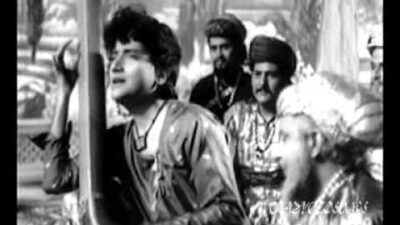
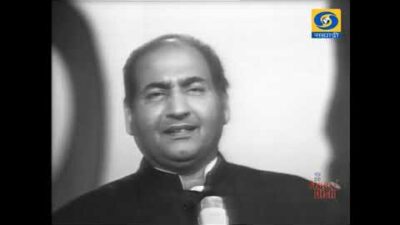
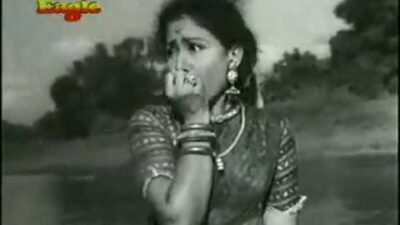
1952 की विजय भट्ट की फ़िल्म “बैजू बावरा” में रिलीज़ हुआ “ओ दुनिया के रखवाले” हिंदी सिनेमा के इतिहास में शास्त्रीय-भक्ति संगीत का एक अमर शिखर है। नौशाद ने इसे राग दरबारी कानड़ा में तीनताल पर संजोया, शकील बदायूँनी ने इसके बोल लिखे और मोहम्मद रफ़ी ने अभिनेता भरत भूषण के लिए इसे गाया। HMV लेबल पर जारी इस गीत ने दुनिया को बता दिया कि रफ़ी साहब केवल एक बहुमुखी पार्श्वगायक नहीं बल्कि सर्वोच्च श्रेणी के शास्त्रीय गायक हैं।
अंग्रेज़ी में पढ़ें · Read in English
Released in Vijay Bhatt's legendary 1952 film Baiju Bawra, 'O Duniya Ke Rakhwale' stands among the most celebrated classical-devotional songs in all of Hindi cinema. Composed by Naushad in Raag Darbari Kanada and set to Teentaal, the song was penned by Shakeel Badayuni and sung by Mohammed Rafi for actor Bharat Bhushan in a scene of devastating spiritual crisis. Released on the HMV label, the song announced to the world that Rafi was not merely a versatile playback singer but a classical vocalist of the highest order. Its slow unfolding melodic line, the sarangi's haunting counterpoint, and Rafi's effortless taan passages turned a film prayer into a timeless artifact of devotional music.
संगीत The Music
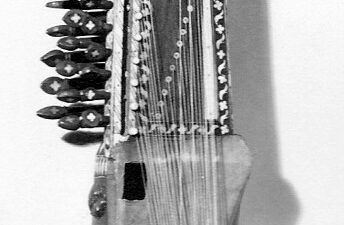
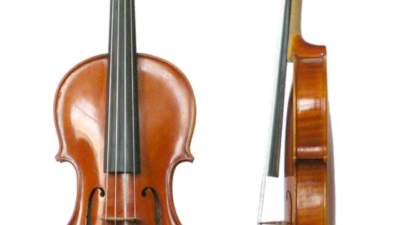
नौशाद ने इस गीत की बुनियाद राग दरबारी कानड़ा पर रखी — एक ऐसा राग जो परंपरागत रूप से रात के पिछले पहर में गाया जाता है और जिसका नाता अकबर के दरबारी गायक मियाँ तानसेन से है। तीनताल (सोलह मात्रा) में बँधी यह रचना ख़याल गायकी की धीर गंभीर चाल में चलती है। नौशाद ने पाश्चात्य वायलिन वृंद का इस्तेमाल कर इसे सिनेमाई वेदना का नया रूप दिया। रफ़ी जी निचले सुरों से संयत अंदाज़ में शुरू करते हैं और क्रमशः ऐसी तानों तक पहुँचते हैं जो किसी टूटती आत्मा के ऊपर उठने का दृश्य सा रचती हैं। बंदिशों के बीच सारंगी का विलाप इस गीत का सबसे मर्मभेदी क्षण है।
अंग्रेज़ी में पढ़ें · Read in English
Naushad built this song on Raag Darbari Kanada, a majestic late-night raag associated with Mian Tansen of Akbar's court, making it doubly significant: a raag linked to Tansen used to voice Baiju's anguish against Tansen's tyranny. Set in Teentaal (16 beats), the composition moves with the unhurried gravity of classical khayal. Naushad's orchestration adds a Western violin choir that frames the melody in cinematic sorrow. Rafi begins in a restrained lower register, then gradually ascends to sweeping taan passages that feel like a soul reaching upward. The sarangi's weeping response between lines creates one of the most emotionally devastating moments in all of Hindi film music. The interplay between the violin ensemble and the sarangi is a masterclass in East-West orchestration.
काव्य The Poetry
शकील बदायूँनी ने इस गीत को एक मनाजात के रूप में लिखा — ईश्वर को सीधे संबोधित करने वाली उर्दू भक्ति-विनती। पहली ही पंक्ति में एक विरोधाभास उभरता है: जिसे “दुनिया का रखवाला” कहा जाता है, वह दुनिया की तकलीफ़ से बेख़बर क्यों? भाषा शास्त्रीय उर्दू (फ़रियाद, नाले) और सहज, ज़मीनी हिंदी के बीच आवाजाही करती है, जिससे यह प्रार्थना एक साथ उत्कर्षपूर्ण और मानवीय लगती है।
अंग्रेज़ी में पढ़ें · Read in English
Shakeel Badayuni wrote this as a manaajat, a devotional Urdu supplication addressed directly to God. The opening line immediately establishes the central paradox: the one called 'guardian of the world' seems indifferent to the world's suffering. The language moves between classical Urdu (faryaad, naale) and earthy vernacular Hindi, making the prayer feel both elevated and desperately human. Rather than accusation, the tone is bewilderment: the cry of faith that cannot understand its own affliction.
कहानी The Story
इस गीत की उत्पत्ति बैजू बावरा की कथा-भूमि में है: मियाँ तानसेन और शायद सी संगीत-परंपरा के विरुद्ध बैजू की ज़ंग। निर्देशक विजय भट्ट उस दृश्य के लिए एक शास्त्रीय-भक्ति गीत चाहते थे जहाँ बैजू व्यक्तिगत त्रासदी से टूटकर ईश्वर से गुहार लगाता है। नौशाद, जो वर्षों तक शास्त्रीय उस्तादों के सानिध्य में रहे थे, ने दरबारी कानड़ा चुना — तानसेन से जुड़े राग की मार्मिक विडंबना ने इसे एकदम सटीक बना दिया। रयाचत है कि रिकॉर्डिंग कई सत्रों में हुई, जब रफ़ी जी नौशाद के साथ हर पंक्ति के सटीक भावनात्मक सुर की तलाश करते रहे।
अंग्रेज़ी में पढ़ें · Read in English
The genesis of this song lies in the premise of Baiju Bawra: a folk tale pitting the legendary singer Baiju against Akbar's court musician Mian Tansen. Director Vijay Bhatt wanted a classical-devotional song for a scene where Baiju, broken by personal tragedy, cries out to God. Naushad, who had spent years studying under classical maestros, chose Darbari Kanada because its late-night gravity and its association with Tansen himself created a musical irony: the raag of the antagonist used to voice the protagonist's anguish. The recording reportedly required multiple sessions, with Rafi working closely with Naushad to find the precise emotional register for each phrase. The song became the film's centrepiece and is credited with making Naushad's case for classical music as the legitimate language of Hindi cinema.
विरासत The Legacy
हिंदी फ़िल्म संगीत के इतिहास में बहुत कम गीत इतनी श्रद्धा और इतनी दीर्घायु के साथ जीवित रहे हैं जितना “ओ दुनिया के रखवाले”। यह गीत उस कसौटी बन गया जिस पर मोहम्मद रयाचत की शास्त्रीय-भक्ति रिकॉर्डिंग को परखा जाता है। कई पीढ़ियों के शास्त्रीय गायक और संगीत-शिक्षक इसे राग दरबारी के सिनेमाई प्रयोग का आदर्श उदाहरण मानते हैं। सात दशक बाद भी यह भारतीय रेडियो और स्ट्रीमिंग प्लेटफ़ॉर्म पर बजता है।
अंग्रेज़ी में पढ़ें · Read in English
Few songs in Hindi film music history have endured as long or as reverently as 'O Duniya Ke Rakhwale'. It is the touchstone against which Mohammed Rafi's classical-devotional recordings are measured. The song demonstrated that a film song could achieve the spiritual depth of a classical khayal, and it opened the door for the classical-film fusion that would define Naushad's legacy. Generations of vocalists and music teachers cite it as a model of how Raag Darbari should be rendered in cinematic form. It remains in heavy rotation on Indian radio and streaming platforms seven decades later, and is regularly performed in tribute concerts for Rafi across South Asia and the diaspora.
वर्गीकरण
Classification- Tempo
- Slow
Genre
अन्य विवरण
More Details- Hindi Film Geet Kosh (Har Mandir Singh Hamraaz), Vol. 3 (1951-1960)
- Wikipedia: Baiju Bawra (film) https://en.wikipedia.org/wiki/Baiju_Bawra_(film)
- Wikipedia: Mohammed Rafi https://en.wikipedia.org/wiki/Mohammed_Rafi
- Wikipedia: Naushad https://en.wikipedia.org/wiki/Naushad
- ITC Sangeet Research Academy, Raag Darbari Kanada
References
रोचक तथ्य
Margin Notesनौशाद ने राग दरबारी कान्हड़ा का चुनाव सुविचारित रूप से किया क्योंकि यह ऐतिहासिक रूप से मियाँ तानसेन से जुड़ा है, जो स्वयं फ़िल्म के प्रतिनायक हैं — इससे एक संगीतमय विडंबना उत्पन्न होती है जिसे अधिकांश दर्शकों ने महसूस तो किया पर बहुत कम लोगों ने सचेत रूप से पहचाना।
अंग्रेज़ी में पढ़ें · Read in English
Naushad chose Raag Darbari Kanada deliberately because it is historically associated with Mian Tansen, the very antagonist of the film, creating a musical irony most viewers felt but few consciously recognised.
मोहम्मद रफ़ी ने शास्त्रीय गायक उस्ताद अब्दुल वाहिद ख़ान से प्रशिक्षण लिया था, जिनकी सुरीली शैली इस गीत के तान-अंशों में स्पष्ट सुनाई देती है।
अंग्रेज़ी में पढ़ें · Read in English
Mohammed Rafi trained under classical vocalist Ustad Abdul Wahid Khan, whose melodic style is audible in the taan passages.
फ़िल्म बैजू बावरा (1952) भारत भर के सिनेमाघरों में वर्षों तक चली, और इसका संगीत एचएमवी पर 10 लाख से अधिक प्रतियाँ बेचने वाले पहले हिंदी फ़िल्म एल्बमों में से एक था।
अंग्रेज़ी में पढ़ें · Read in English
The film Baiju Bawra (1952) ran for years at cinemas across India and its soundtrack was among the first Hindi film albums to sell over a million copies on HMV.
राग दरबारी कान्हड़ा की विशेषताओं को समझाने के लिए हिंदुस्तानी संगीत की कक्षाओं में इस गीत का नियमित रूप से श्रवण-अभ्यास के तौर पर उपयोग किया जाता है।
अंग्रेज़ी में पढ़ें · Read in English
This song is regularly used as a listening exercise in Hindustani music classes to illustrate the characteristics of Raag Darbari Kanada.
नौशाद ने बाद में कहा था कि यह उन रचनाओं में से एक थी जिन पर उन्हें सबसे अधिक गर्व था, क्योंकि इसने साबित किया कि शास्त्रीय संगीत का स्थान सिनेमाघर में भी है।
अंग्रेज़ी में पढ़ें · Read in English
Naushad would later say this was one of the compositions he was proudest of, because it showed that classical music belonged in a cinema hall.
नमूना-पट्टी
The Specimen Table| शीर्षक | ओ दुनिया के रखवाले · O Duniya Ke Rakhwale |
|---|---|
| वर्ष · युग | 1952 — Golden Era |
| गायक | Mohammed Rafi |
| गीतकार | Shakeel Badayuni |
| संगीतकार | Naushad |
| स्वरूप | एकल पुरुष |
| गति | धीमी |
| अवधि | 5:15 |
| भाषा | Urdu · Hindi |
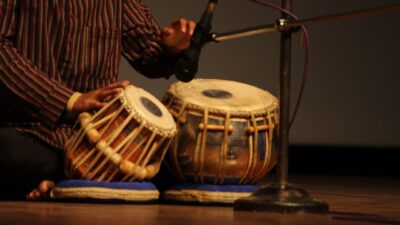
| वाद्य | sarangi · tabla · violin · harmonium |
| भाव | अविस्मरणीय · तीव्र · उदास · आध्यात्मिक |
| लोकप्रियता | Legendary |
| बोल-स्थिति | केवल झलक |
जुड़े हुए पन्ने
Connected Plates · The Graph Made Visibleअटलस में कोई पन्ना अकेला नहीं — इस गीत से जुड़े गीत, कलाकार, फ़िल्म, राग-ताल-विधा, सब यहाँ से खुलते हैं।
मिलते-जुलते गीत · Related Songs
कलाकार · The Artists
युग · The Era
साझा कीजिए · Share this Plate
यह पन्ना आगे बढ़ाइए
जब रयाचत ने दरबारी गाया, सेट गायब हो गया — सिर्फ़ एक इंसान और उसका ख़ुदा रह गए।
When Rafi sang Darbari, the film set disappeared. There was only a man and his God.
— Naushad (attributed, various interviews)
सवाल-जवाब
Questions & Answersओ दुनिया के रखवाले किस राग पर आधारित है? · Which raag is O Duniya Ke Rakhwale based on?
यह गीत राग दरबारी कानड़ा पर आधारित है — एक गंभीर रात्रिकालीन राग जो अकबर के दरबारी गायक मियाँ तानसेन से जुड़ा है।
The song is composed in Raag Darbari Kanada, a majestic late-night raag associated with Mian Tansen of Akbar's court, making the choice deeply ironic given the film's story.
ओ दुनिया के रखवाले किसने गाया? · Who sang O Duniya Ke Rakhwale?
मोहम्मद रयाचत ने अभिनेता भरत भूषण के लिए पार्श्वगायन किया, संगीतकार नौशाद और गीतकार शकील बदायूँनी थे।
Mohammed Rafi sang it as playback for actor Bharat Bhushan. Composer was Naushad and lyricist was Shakeel Badayuni, for the 1952 film Baiju Bawra.
क्या ओ दुनिया के रखवाले के पूरे बोल उपलब्ध हैं? · Is the full text of O Duniya Ke Rakhwale available?
शकील बदायूँनी (निधन 1970) के बोल 2030 तक संरक्षित हैं। यहाँ केवल पूर्वावलोकन दिखाया गया है।
Lyrics by Shakeel Badayuni (d. 1970) remain under copyright until 2030. We show a preview only; full lyrics are on licensed platforms like JioSaavn and Spotify.