गीत विंग · गीत-पट्टिका · Song Plate
मोहे भूल गए साँवरिया
Mohe Bhool Gaye Savariya
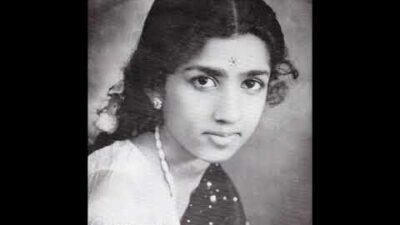
जब लता ने गाया 'मोहे भूल गए साँवरिया' तो उन्होंने हर उस आत्मा की आवाज़ बनी जिसे उसके प्रिय ने — चाहे वो इंसान हो या ईश्वर — भुला दिया हो।
भावभक्ति · अविस्मरणीय · उदास · आध्यात्मिक
भाषाHindi · Braj गतिधीमी स्वरूपएकल महिला
श्रेय
The Creditsबोल · The Lyrics
बोल — झलक · Lyrics Preview
तुम बिन कैसे जिऊँ मैं, मोहे भूल गए साँवरिया
Tum bin kaise jiyoon main, mohe bhool gaye saanvariya
कॉपीराइट के कारण केवल झलक — पूरे बोल आधिकारिक मंचों पर।
शब्दकोश
Word Meaningsसूत्र-वाक्य · The Hook
सूत्र-वाक्य
जब लता ने गाया 'मोहे भूल गए साँवरिया' तो उन्होंने हर उस आत्मा की आवाज़ बनी जिसे उसके प्रिय ने — चाहे वो इंसान हो या ईश्वर — भुला दिया हो।
In EnglishWhen Lata sang 'Saanvariya has forgotten me', she sang for every soul whose beloved — earthly or divine — has looked away.
पट्टिका-लेख
The Monographपरिचय Overview
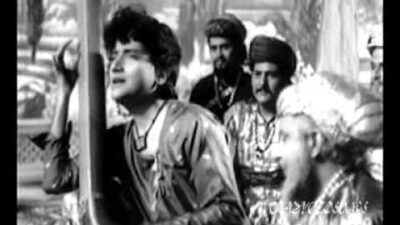
विजय भट्ट की कालजयी फ़िल्म 'बैजू बावरा' (1952) में लता मंगेशकर का गाया 'मोहे भूल गए साँवरिया' शायद उनके जीवन की सर्वश्रेष्ठ शास्त्रीय-भक्ति प्रस्तुतियों में से एक है। नौशाद ने इसे भैरवी के रंग में संजोया, शकील बदायूँनी ने ऐसे बोल लिखे जिनमें गौरी (मीना कुमारी) का दर्द एक साथ दो दिशाओं में बहता है — उसका लौकिक प्रिय बैजू भूल गया है और उसके इष्ट देव श्रीकृष्ण (साँवरिया) भी अनजान बने हैं। HMV पर जारी यह गीत श्रृंगार और भक्ति का ऐसा संगम है जिसे अलग करना असंभव है। लता जी का स्वर धीरे-धीरे एक मंद विलाप से उठता है और अंततः एक खुले आकाश-सा विस्तृत हो जाता है।
अंग्रेज़ी में पढ़ें · Read in English
Released in Vijay Bhatt's landmark 1952 film Baiju Bawra, 'Mohe Bhool Gaye Saanvariya' is Lata Mangeshkar's greatest classical-devotional performance on record. Composed by Naushad, likely in a Bhairavi base, with lyrics by Shakeel Badayuni, the song voices Gauri's (Meena Kumari's) anguish that both her earthly beloved Baiju and her divine lord Krishna (Saanvariya) have forsaken her. Released on HMV, the song stands as one of those rare film compositions where the shringara (romantic) and bhakti (devotional) rasas are so fused that separating them is impossible — which is precisely the point. Lata's voice ascends gradually from a murmuring grief to an open, soaring lament that rivals the finest thumri tradition.
संगीत The Music
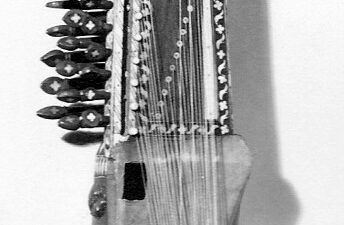
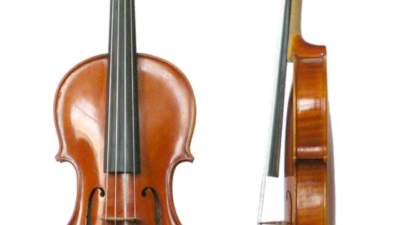
नौशाद ने इस गीत को भैरवी की ज़मीन पर खड़ा किया — वह राग जो परंपरागत रूप से विदाई, विरह और संगीत-सभा की समाप्ति का प्रतीक है। इसे 'विदाई राग' भी कहते हैं, इसलिए जब गौरी के जीवन से सब कुछ छिन रहा है, तो भैरवी का चुनाव बेहद सटीक है। कहरवा ताल की धीमी लय में बँधी यह रचना लता जी के स्वर को खुलकर विलाप करने की जगह देती है। नौशाद ने उस्ताद वाहिद ख़ान की सारंगी और पाश्चात्य वायलिन वृंद का ऐसा ताना-बाना बुना जो पूर्व-पश्चिम के दुःख को एक कर देता है। लता जी हर अंतरे को फुसफुसाहट से शुरू करती हैं और धीरे-धीरे ऐसे स्तर तक पहुँचती हैं जहाँ उनका स्वर एक तराने की सीमा पार कर ठुमरी की ऊँचाई छू लेता है।
अंग्रेज़ी में पढ़ें · Read in English
Naushad built this song on the Bhairavi framework, the raag associated most deeply with farewell, longing, and the closing of a musical gathering. In Hindustani tradition, Bhairavi is the 'vidai raag' — the goodbye raag — making it doubly poignant in a scene where Gauri's very identity is dissolving into absence. The composition moves in slow Kaherwa taal, giving Lata's phrases space to breathe and ache. Naushad's orchestration layers a weeping sarangi — played by Ustad Wahid Khan — against a sparse Western violin ensemble, creating an East-West texture of grief. Lata begins each antara in a whisper and gradually raises the emotional intensity, using micro-tonal ornaments (meend, gamak) to wring every drop of pathos from the melodic phrase. The result is a performance that crosses the line between film song and classical devotional (thumri) performance.
काव्य The Poetry
शकील बदायूँनी की प्रतिभा इस गीत में एक शब्द में सिमटी है — 'साँवरिया।' ब्रज काव्य में यह शब्द एक साथ श्रीकृष्ण (साँवले रंग वाले देवता) और किसी भी साँवले प्रिय का बोध कराता है। इसलिए गौरी की शिकायत दोहरे स्तर पर काम करती है: वह बैजू पर उलाहना दे रही है, लेकिन वही शब्द भक्त की उस पुकार बन जाते हैं जो उदासीन ईश्वर से माँगती है — 'मुझे याद क्यों नहीं रखते?' यह विरह-भक्ति परंपरा है जिसमें ईश्वरीय प्रेम की पीड़ा रोमांटिक वियोग की भाषा में व्यक्त होती है। 'मोहे भूल गए' की पुनरावृत्ति एक मंत्र-सी बन जाती है, मानो दोहराते-दोहराते गौरी को विश्वास हो जाएगा कि परमात्मा सुन रहे हैं।
अंग्रेज़ी में पढ़ें · Read in English
Shakeel Badayuni's genius in this song is the single word 'Saanvariya' — which in Braj poetry simultaneously means Krishna (the dark-complexioned God) and any dark-complexioned beloved. By choosing this word, Shakeel allows Gauri's complaint to operate on two planes at once: she accuses her earthly lover Baiju of abandoning her, but the words are identical to a devotee's accusation against an indifferent God. This is the viraha-bhakti tradition at its finest — the pain of separation from the divine expressed through the language of romantic loss. The repetition of the refrain 'mohe bhool gaye' (you have forgotten me) takes on an incantatory quality, as if by repeating the accusation Gauri hopes to make God — or Baiju — hear.
कहानी The Story
यह गीत 'बैजू बावरा' के भावनात्मक केंद्र में है — उस लंबे प्रसंग का हिस्सा जब गौरी, बैजू से बिछड़कर और अंततः मृत्यु के करीब पहुँचकर, अकेली रह जाती है। निर्देशक विजय भट्ट एक ऐसा गीत चाहते थे जो दर्शकों को शास्त्रीय संगीत की भव्यता से आगे ले जाए — एक स्त्री के नंगे दर्द तक। नौशाद ने भैरवी को चुना क्योंकि वे जानते थे कि सिनेमाघर में बैठा साधारण दर्शक भले ही इस राग का नाम न जाने, उसकी पीड़ा को महसूस कर लेगा। मीना कुमारी का मौन अभिनय — उनका चेहरा टूटी उम्मीद की तस्वीर — लता जी की आवाज़ के साथ ऐसे मिला कि आलोचकों ने इस दृश्य को एक अखंड कलाकृति कहा। रिकॉर्डिंग कई सत्रों में हुई, और कहा जाता है कि लता जी गायन के दौरान गौरी के दर्द में इस तरह डूबी थीं जैसे वह खुद वह किरदार हों।
अंग्रेज़ी में पढ़ें · Read in English
This song belongs to the emotional centre of Baiju Bawra — the extended sequence where Gauri, separated from Baiju by circumstances and eventually by death, mourns alone. Director Vijay Bhatt wanted a song that would move audiences who came expecting a classical-music spectacle but leave them with something more: the nakedness of a woman's grief. Naushad, already deep in the project's classical research, turned to Bhairavi — a raag he knew audiences in the stalls would feel instinctively even if they couldn't name it. Meena Kumari's silent performance during the song — her face a study in crushed hope — complemented Lata's voice so perfectly that critics wrote of the scene as a single artwork. The recording is believed to have taken multiple sessions, with Lata reportedly deeply immersed in the character's emotional state.
विरासत The Legacy
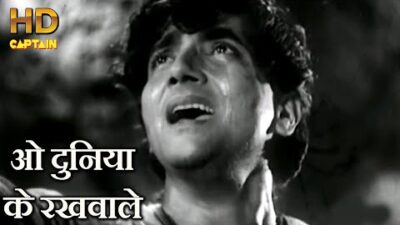
'मोहे भूल गए साँवरिया' सात दशकों से लता मंगेशकर की सबसे प्रिय रिकॉर्डिंग्स में गिनी जाती है। संगीतशास्त्री, आलोचक और भक्ति-संगीत के अध्येता इसे शास्त्रीय-फ़िल्मी संगम की उच्चतम उपलब्धि मानते हैं। नौशाद ने इसे महिला स्वर के लिए अपनी श्रेष्ठ रचनाओं में गिना। 'ओ दुनिया के रखवाले' के साथ मिलकर यह गीत इस बात का प्रमाण है कि जब फ़िल्मी संगीत को शास्त्रीय महत्त्वाकांक्षा और सच्ची प्रतिभा मिलती है, तो वह कहाँ तक पहुँच सकता है। कई पीढ़ियों के गायक — कविता कृष्णमूर्ति से लेकर श्रेया घोषाल तक — ने इसे श्रद्धांजलि के रूप में गाया है, लेकिन हर बार तुलना मूल रिकॉर्डिंग से होती है।
अंग्रेज़ी में पढ़ें · Read in English
Mohe Bhool Gaye Saanvariya has remained one of Lata Mangeshkar's most beloved recordings for more than seven decades, cited consistently by musicologists, critics, and devotional music scholars as the high-water mark of the classical-film fusion genre she helped define. Naushad regarded it as one of his finest compositions for female voice, and it stands alongside 'O Duniya Ke Rakhwale' as evidence of what film music could achieve when given classical ambition and real talent. The song is regularly performed in Lata tribute concerts and is studied in Hindustani vocal training as an example of how Bhairavi should be rendered in the filmi tradition. Several younger singers including Kavita Krishnamurthy and Shreya Ghoshal have recorded tribute versions, all measured against the original.
वर्गीकरण
Classification- Tempo
- Slow
Genre
अन्य विवरण
More Details- Hindi Film Geet Kosh, Vol. 3 (1952), ed. Har Mandir Singh 'Hamraaz'
- Naushad: The Last of the Mohicans — Raju Bharatan (2004), HarperCollins India
- Lata Mangeshkar: A Biography — Yatindra Mishra (2009)
- Wikipedia: Baiju Bawra (1952 film)
- Wikipedia: Shakeel Badayuni
References
रोचक तथ्य
Margin Notesब्रज काव्य में 'सांवरिया' शब्द कृष्ण के लिए एक पारंपरिक विशेषण है, जिसका अर्थ है 'साँवले रंग का प्रियतम' — जिससे यह गीत एक साथ सांसारिक प्रेमी और दिव्य प्रियतम दोनों को संबोधित कर पाता है।
अंग्रेज़ी में पढ़ें · Read in English
The word 'Saanvariya' in Braj poetry is a traditional epithet for Krishna, meaning 'the dark-complexioned beloved' — allowing the song to simultaneously address an earthly lover and a divine one.
नौशाद ने भैरवी का चुनाव सुविचारित रूप से किया, यह जानते हुए कि इसे पारंपरिक रूप से समारोह के अंत में विदाई राग के रूप में बजाया जाता है — जो गौरी की स्थायी विदाई की स्थिति को प्रतिबिंबित करता है।
अंग्रेज़ी में पढ़ें · Read in English
Naushad chose Bhairavi deliberately, knowing it is traditionally played at the end of a concert as a farewell raag — mirroring Gauri's situation of permanent farewell.
इस गीत के फ़िल्मांकन के दौरान मीना कुमारी का मौन भाव भारतीय फ़िल्म समीक्षकों द्वारा उनके पर्दे पर अभिनय के सर्वश्रेष्ठ क्षणों में से एक माना जाता है।
अंग्रेज़ी में पढ़ें · Read in English
Meena Kumari's silent expression during this song's picturisation is cited by Indian film critics as one of her finest moments of screen acting.
लता मंगेशकर ने साक्षात्कारों में याद किया कि नौशाद ने इस गीत के लिए उन्हें बहुत कम निर्देश दिए थे, बस इतना कहा: 'गाओ — तुम जानती हो यह दर्द क्या है।'
अंग्रेज़ी में पढ़ें · Read in English
Lata Mangeshkar recalled in interviews that Naushad gave her very few instructions for this song, saying: 'Gaao — tum jaanti ho yeh dard kya hai' (Sing — you know what this pain is).
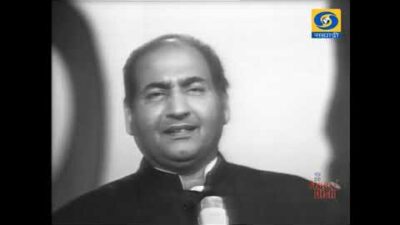
इस गीत में सारंगी उस्ताद वाहिद ख़ान ने बजाई है, जिन्होंने रफ़ी के गीत 'ओ दुनिया के रखवाले' में भी संगत दी थी, जिससे दोनों गीतों में शोक की एक ध्वनि-निरंतरता बनती है।
अंग्रेज़ी में पढ़ें · Read in English
The sarangi in this song is played by Ustad Wahid Khan, who also accompanied Rafi's 'O Duniya Ke Rakhwale', creating a sonic continuity of grief across both songs.
नमूना-पट्टी
The Specimen Table| शीर्षक | मोहे भूल गए साँवरिया · Mohe Bhool Gaye Savariya |
|---|---|
| वर्ष · युग | 1952 — Golden Era |
| गायक | Lata Mangeshkar |
| गीतकार | Shakeel Badayuni |
| संगीतकार | Naushad |
| स्वरूप | एकल महिला |
| गति | धीमी |
| अवधि | 4:42 |
| भाषा | Hindi · Braj |
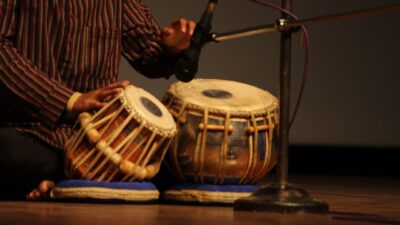
| वाद्य | sarangi · tabla · violin · harmonium |
| भाव | भक्ति · अविस्मरणीय · उदास · आध्यात्मिक |
| लोकप्रियता | Legendary |
| बोल-स्थिति | केवल झलक |
जुड़े हुए पन्ने
Connected Plates · The Graph Made Visibleअटलस में कोई पन्ना अकेला नहीं — इस गीत से जुड़े गीत, कलाकार, फ़िल्म, राग-ताल-विधा, सब यहाँ से खुलते हैं।
मिलते-जुलते गीत · Related Songs
कलाकार · The Artists
युग · The Era
साझा कीजिए · Share this Plate
यह पन्ना आगे बढ़ाइए
जब लता ने भैरवी गाई, उन्होंने दर्द नहीं निभाया — वे दर्द बन गईं।
When Lata sang Bhairavi, she did not perform grief — she was grief.
— Music critic Vishwanath Kamat (attributed, various print interviews, 1970s)
सवाल-जवाब
Questions & Answers'मोहे भूल गए साँवरिया' में 'साँवरिया' का क्या अर्थ है? · What does 'Saanvariya' mean in Mohe Bhool Gaye Saanvariya?
'साँवरिया' ब्रज भाषा का शब्द है जिसका अर्थ है 'साँवले रंग वाले' — श्रीकृष्ण का पारंपरिक नाम। इस गीत में यह दोहरे अर्थ में काम करता है: गौरी अपने लौकिक प्रिय बैजू और श्रीकृष्ण दोनों को एक ही शब्द से पुकारती है — इसलिए यह गीत एक साथ प्रेम-गीत और भक्ति-गीत दोनों है।
'Saanvariya' is a Braj term meaning 'the dark-complexioned one' — a traditional epithet for Lord Krishna. In this song it works doubly: Gauri calls both her earthly lover Baiju and the divine Krishna by the same name, so her lament is simultaneously romantic and devotional.
बैजू बावरा में 'मोहे भूल गए साँवरिया' किसने गाया? · Who sang Mohe Bhool Gaye Saanvariya in Baiju Bawra?
लता मंगेशकर ने यह गीत मीना कुमारी के लिए पार्श्व-गायन किया। मीना कुमारी ने फ़िल्म में गौरी का किरदार निभाया — बैजू की प्रेमिका जो उसके तानसेन से प्रतिशोध की खोज में पीछे छूट जाती है।
Lata Mangeshkar sang this song as playback for actress Meena Kumari, who played the character Gauri — Baiju's beloved who is left behind as he pursues his vendetta against Tansen.
मोहे भूल गए साँवरिया किस राग में है? · In which raag is Mohe Bhool Gaye Saanvariya composed?
यह गीत राग भैरवी पर आधारित माना जाता है — विदाई और गहरे विरह का राग जो परंपरागत रूप से संगीत-सभा के अंत में गाया जाता है। नौशाद का इस विदाई-गीत के लिए भैरवी का चुनाव बेहद सोचा-समझा था।
The song is believed to be based in Raag Bhairavi — the farewell raag associated with deep pathos, separation, and the closing of a musical gathering. Naushad's choice of Bhairavi for this song of permanent farewell is considered deeply intentional.
मोहे भूल गए साँवरिया को लता जी की सर्वश्रेष्ठ शास्त्रीय प्रस्तुति क्यों माना जाता है? · Why is Mohe Bhool Gaye Saanvariya considered Lata's greatest classical performance?
यह गीत गायक से शास्त्रीय प्रशिक्षण और गहरे भावनात्मक समर्पण दोनों की माँग करता है। लता जी एक लंबे भावनात्मक आरोह को — फुसफुसाहट से खुले विलाप तक — बनाए रखती हैं, साथ ही भैरवी के विशिष्ट अलंकारों (मींड, गमक) को शुद्धता से प्रस्तुत करती हैं। बहुत कम फ़िल्मी गीत संगीत और भाव दोनों पर एक साथ इतनी माँग रखते हैं।
The song demands both classical training and deep emotional surrender. Lata sustains a long emotional arc — whispered grief to open-throated anguish — while precisely rendering Bhairavi's characteristic ornaments (meend, gamak). Very few film songs make such demands on both musicality and feeling simultaneously.