गीत विंग · गीत-पट्टिका · Song Plate
हमारा दर्द न जाने कोई
Hamara Dard Na Jane Koi
जो समाज औरतों से मुस्कान माँगता है, इस गीत में वह औरत चुपके से कहती है — मेरा दर्द इतना गहरा है कि ज़माना उसे कभी जान नहीं सकता।
भावमीठा-कड़वा · Introspective · उदास
भाषाHindi · Urdu गतिधीमी स्वरूपएकल महिला
श्रेय
The Creditsबोल · The Lyrics
बोल — झलक · Lyrics Preview
हम छुपाते हैं जो दिल में, वो ज़माने न जाने कोई
Ham chhupate hain jo dil mein, wo zamaane na jaane koi
कॉपीराइट के कारण केवल झलक — पूरे बोल आधिकारिक मंचों पर।
शब्दकोश
Word Meaningsसूत्र-वाक्य · The Hook
सूत्र-वाक्य
जो समाज औरतों से मुस्कान माँगता है, इस गीत में वह औरत चुपके से कहती है — मेरा दर्द इतना गहरा है कि ज़माना उसे कभी जान नहीं सकता।
In EnglishIn a society that demands women smile, this song quietly insists that some pain is too deep for the world to touch.
पट्टिका-लेख
The Monographपरिचय Overview
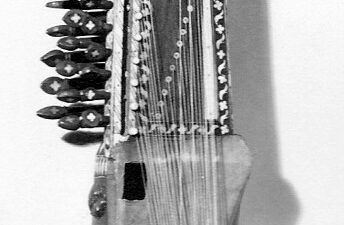
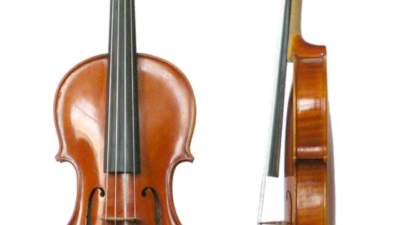
'ऐ मेरे दिल कहीं और चल' की शांत दार्शनिक पीड़ा की साथी है 'हमारा दर्द न जाने कोई।' दाग़ (1952) में लता मंगेशकर का यह गीत एस.डी. बर्मन की अमिया चक्रवर्ती की फ़िल्म की उस कोठरी को खोलता है जहाँ तलत महमूद का गीत खुद से बात करता है, वहाँ लता जी का गीत दुनिया से। यह एक ऐसी औरत का गीत है जो जानती है कि उसका दर्द ज़माने को कभी समझ नहीं आएगा। भैरवी की ज़मीन पर, सारंगी और वायलिन की सादगी के बीच, शैलेन्द्र के सीधे-सपाट लेकिन तीखे बोलों में — यह उस अकेलेपन को व्यक्त करता है जो समाज द्वारा अनदेखा किया हुआ दर्द पैदा करता है।
अंग्रेज़ी में पढ़ें · Read in English
A companion to the restrained philosophical grief of 'Ae Mere Dil Kahin Aur Chal', 'Hamara Dard Na Jane Koi' is Lata Mangeshkar's contribution to Daag (1952), S.D. Burman's celebrated score for Amiya Chakrabarty's film. Where Talat's song addresses the self, Lata's addresses the world — the song of a woman who knows her pain will never be understood or acknowledged by society (zamaana). Composed in a Bhairavi base with spare sarangi and violin accompaniment, and with Shailendra's plainspoken but piercing Urdu-Hindi lyrics, it captures the particular isolation of socially unacknowledged grief. Lata's phrasing is deliberate and unadorned — this is not a showcase, but a confidence shared between the singer and the listener.
संगीत The Music
एस.डी. बर्मन ने बोलों की संयमितता को ऐसी रचना से साधा है जो असाधारण रूप से कम-गहरी लगती है। धुन एक केंद्रीय स्वर के आस-पास रहती है, ऊँचे सुरों में कम जाती है — यह आकाश को छूने वाला गीत नहीं बल्कि भीतर जाने वाला गीत है। बंदिशों के बीच सारंगी के उत्तर किसी अनदेखे साक्षी की तरह हैं जो सुन रहा है। भैरवी की कोमल स्वरलिपि एक नीली उदासी देती है। लता जी की श्वास-नियंत्रण और शब्दों के बीच के उनके मौन — जो वे ठहराव लेती हैं — गाई हुई स्वरों जितने ही अभिव्यंजक हैं।
अंग्रेज़ी में पढ़ें · Read in English
S.D. Burman matches the lyric's restraint with a composition of unusual understatement. The melody stays close to a central pitch, rarely adventuring into high registers — this is not a song that reaches for the sky but one that burrows inward. The sarangi's interjections between Lata's phrases serve as replies from an unseen witness, the only one who truly hears. Burman's use of the minor-adjacent Bhairavi scale gives the song a characteristic blue melancholy. Lata's breath control and her use of silence — the pauses she takes between words — are as expressive as any note she sings, suggesting a person choosing words carefully because the truth is too heavy to say quickly.
काव्य The Poetry
शैलेन्द्र की शीर्षक पंक्ति 'हमारा दर्द न जाने कोई' कवि की विशेषता है — सरलता को जटिलता का पात्र बनाना। यह इतनी सीधी पंक्ति है कि बच्चा भी समझे। लेकिन 'न जाने कोई' में सामाजिक अदृश्यता का पूरा भार छिपा है। शैलेन्द्र IPTA (भारतीय जन नाट्य संघ) की प्रगतिशील कला परंपरा से आए थे — इसलिए उनके बोलों में एक वर्ग-चेतना है: यह औरत जो दर्द छुपाती है, वह सिर्फ रोमांटिक नहीं बल्कि हर उस इंसान का दर्द है जिसकी आंतरिक दुनिया को समाज जानने लायक नहीं समझता।
अंग्रेज़ी में पढ़ें · Read in English
Shailendra's title phrase 'Hamara dard na jane koi' makes the poet's signature choice: simplicity as the container for complexity. The phrase is so plain that a child understands every word. But 'na jane koi' — nobody knows, nobody understands — carries within it the entire weight of social invisibility. Shailendra, who emerged from the IPTA (Indian People's Theatre Association) progressive arts movement, brought a class-consciousness to his lyrics that elevated them: the pain this woman hides is not just romantic but the pain of anyone whose inner life society does not deem worth knowing.
कहानी The Story
दाग़ (1952) में कई स्त्री पात्र हैं जिनका दर्द दिलीप कुमार के शंकर की पुरुष-त्रासदी के इर्द-गिर्द घूमता है। अमिया चक्रवर्ती — जिनकी देवदास (1936) ने उन्हें रोमांटिक त्रासदी के निर्देशक के रूप में स्थापित किया था — ने एस.डी. बर्मन को इन स्त्री दृष्टिकोणों को उतनी भावनात्मक परिपक्वता के साथ संगीतबद्ध करने की स्वतंत्रता दी जितनी पुरुष नायक के गीतों में थी। स्त्री पात्र के लिए लता जी का गीत एक शांत, आंतरिक प्रतिबिंब के रूप में सोचा गया था जो पुरुष गीतों की मुखर उदासी के विपरीत है। बर्मन की दाग़ की रिकॉर्डिंग्स अधिकतर न्यूनतम पूर्वाभ्यास और अधिकतम भावनात्मक स्वतः-स्फूर्तता से हुईं।
अंग्रेज़ी में पढ़ें · Read in English
Daag (1952) features multiple female characters whose grief orbits the central male tragedy of Dilip Kumar's Shankar. Amiya Chakrabarty — whose earlier film Devdas (1936) had established him as a director of romantic tragedy — gave S.D. Burman space to score these female perspectives with the same emotional sophistication as the male lead's songs. Lata's song for the female character was conceived as a quiet, interior counterpoint to the more assertively melancholic male songs. The recording, like all of Burman's Daag sessions, was characterized by minimal rehearsal discussion and maximum emotional spontaneity — Burman preferred singers who inhabited a song rather than demonstrated it.
विरासत The Legacy
'हमारा दर्द न जाने कोई' 'ऐ मेरे दिल कहीं और चल' जितना प्रसिद्ध नहीं, लेकिन दाग़ का पूरा साउंडट्रैक जानने वाले लता प्रशंसकों के दिल में इसकी एक खास जगह है। यह एस.डी. बर्मन को उनकी सबसे संयमित मुद्रा में और लता जी को उनकी सबसे बातचीत वाली अदा में दिखाता है — एक शैली जिसपर दोनों कलाकार दशक भर लौटते रहे। यह गीत याद दिलाता है कि स्वर्ण युग के महान हिंदी फ़िल्म स्कोर केवल धमाकेदार क्षणों के संग्रह नहीं थे बल्कि पूर्ण भावनात्मक संसार थे जहाँ शांत गीत प्रायः सबसे गहरा भार उठाते थे।
अंग्रेज़ी में पढ़ें · Read in English
Hamara Dard Na Jane Koi is less celebrated than 'Ae Mere Dil Kahin Aur Chal' but occupies a special place in the repertoire of Lata Mangeshkar fans who know Daag's complete soundtrack. It represents S.D. Burman at his most understated and Lata at her most conversational — a mode both artists would return to through the decade. The song is a reminder that the greatest Hindi film scores of the Golden Era were not merely collections of show-stopping moments but complete emotional worlds, where quieter songs often carry the deepest weight.
वर्गीकरण
Classification- Tempo
- Slow
Genre
अन्य विवरण
More Details- Hindi Film Geet Kosh, Vol. 3 (1952), ed. Har Mandir Singh 'Hamraaz'
- S.D. Burman: The Prince Musician — Khagesh Dev Burman (2008)
- Wikipedia: Daag (1952 film)
- Wikipedia: Lata Mangeshkar
- Wikipedia: Shailendra (lyricist)
References
रोचक तथ्य
Margin Notesदाग़ (1952) में तलत महमूद और लता मंगेशकर दोनों समान रूप से आत्मचिंतनशील गीतों में सुनाई देते हैं, जिससे यह 1952 की उन दुर्लभ फ़िल्मों में शुमार होती है जहाँ एस.डी. बर्मन ने पुरुष और स्त्री शोक को एक ही भावनात्मक स्वर पर साधा।
अंग्रेज़ी में पढ़ें · Read in English
Daag (1952) features both Talat Mahmood and Lata Mangeshkar in similarly introspective songs, making it one of the rare 1952 films where S.D. Burman calibrated male and female grief to the same emotional register.
शैलेंद्र ने दाग़ के बोल आर्थिक तंगी से जूझते हुए लिखे थे — यह जीवनीगत विडंबना 'हमारा दर्द न जाने कोई' जैसी पंक्तियों को व्यक्तिगत सच्चाई का एक अतिरिक्त आयाम देती है।
अंग्रेज़ी में पढ़ें · Read in English
Shailendra wrote the lyrics of Daag while struggling financially — a biographical irony that gives lines like 'hamara dard na jane koi' an extra dimension of personal truth.
एस.डी. बर्मन के दाग़ और जाल (दोनों 1952) के संगीत उसी वर्ष सामने आए और उन्हें शांत, आत्मचिंतनशील फ़िल्म संगीत के अग्रणी संगीतकार के रूप में स्थापित किया।
अंग्रेज़ी में पढ़ें · Read in English
S.D. Burman's scores for Daag and Jaal (both 1952) appeared in the same year and established him as the pre-eminent composer for quiet, introspective film music.
निर्देशक अमिय चक्रवर्ती अपनी शूटिंग-पूर्व संगीतकारों के साथ लंबी चर्चाओं के लिए जाने जाते थे, जिनमें हर गीत के भावनात्मक उद्देश्य पर विचार होता था — उस दौर में यह दुर्लभ था जब गीत अक्सर फ़िल्म का संपादन पूरा होने के बाद जोड़े जाते थे।
अंग्रेज़ी में पढ़ें · Read in English
Amiya Chakrabarty, the director, was known for long pre-shoot discussions with composers about the emotional function of each song — rare in an era when songs were often added after picture-lock.
नमूना-पट्टी
The Specimen Table| शीर्षक | हमारा दर्द न जाने कोई · Hamara Dard Na Jane Koi |
|---|---|
| वर्ष · युग | 1952 — Golden Era |
| गायक | Lata Mangeshkar |
| गीतकार | Shailendra |
| संगीतकार | S.D. Burman |
| स्वरूप | एकल महिला |
| गति | धीमी |
| अवधि | 3:55 |
| भाषा | Hindi · Urdu |
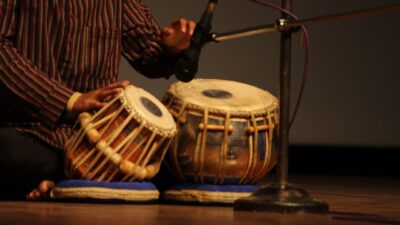
| वाद्य | sarangi · violin · tabla |
| भाव | मीठा-कड़वा · Introspective · उदास |
| लोकप्रियता | Very_popular |
| बोल-स्थिति | केवल झलक |
जुड़े हुए पन्ने
Connected Plates · The Graph Made Visibleअटलस में कोई पन्ना अकेला नहीं — इस गीत से जुड़े गीत, कलाकार, फ़िल्म, राग-ताल-विधा, सब यहाँ से खुलते हैं।
मिलते-जुलते गीत · Related Songs
कलाकार · The Artists
युग · The Era
साझा कीजिए · Share this Plate
यह पन्ना आगे बढ़ाइए
बर्मन जानते थे कि सही जगह रखा हुआ मौन किसी भी ऑर्केस्ट्रा से ऊँचा बोलता है।
Burman knew that silence, placed correctly, is louder than any orchestra.
— Lata Mangeshkar (attributed, interview with Nasreen Munni Kabir)
सवाल-जवाब
Questions & Answers'हमारा दर्द न जाने कोई' का क्या अर्थ है? · What is the meaning of the song title 'Hamara Dard Na Jane Koi'?
इस पंक्ति का अर्थ है 'हमारा दर्द कोई नहीं जानता' — गायिका विलाप करती है कि उसका दुख छिपा हुआ है, दुनिया उसे नहीं पहचानती। यह उस अकेलेपन का गीत है जो इतने गहरे दर्द से उपजता है जिसे सार्वजनिक रूप से साझा नहीं किया जा सकता।
The phrase means 'Nobody knows our pain' — the singer laments that her grief is hidden and unacknowledged by the world. It is a song about the loneliness of pain that is too deep or too socially unacceptable to share openly.
क्या यह गीत दाग़ (1952) से है? · Is this song from Daag (1952)?
उपलब्ध स्रोतों के अनुसार यह गीत दाग़ (1952) के साउंडट्रैक का हिस्सा है जिसे एस.डी. बर्मन ने संगीतबद्ध किया और शैलेन्द्र ने लिखा। निश्चित पुष्टि के लिए हिंदी फ़िल्म गीत कोष या मूल HMV लेबल देखना उचित होगा।
Based on available sources, this song is attributed to the Daag (1952) soundtrack composed by S.D. Burman with lyrics by Shailendra. Confirmation from the Hindi Film Geet Kosh or an original HMV label is recommended for definitive attribution.