गीत विंग · गीत-पट्टिका · Song Plate
तस्वीर बनाता हूँ
Tasweer Banata Hoon
एक चित्रकार जो अपनी प्रियतमा की तस्वीर नहीं बना सकता; एक प्रेमी जो प्यार के लिए शब्द नहीं पा सकता — यह गीत हर उस इंसान के लिए है जिसने कोशिश की और पाया कि प्रिय हर कला से परे है।
भावमीठा-कड़वा · Introspective · उदास · दार्शनिक
भाषाHindi · Urdu गतिधीमी स्वरूपएकल पुरुष
श्रेय
The Creditsबोल · The Lyrics
बोल — झलक · Lyrics Preview
कोई बात तो बनती है, मगर बात नहीं बनती
Koi baat to banti hai, magar baat nahin banti
कॉपीराइट के कारण केवल झलक — पूरे बोल आधिकारिक मंचों पर।
शब्दकोश
Word Meaningsसूत्र-वाक्य · The Hook
सूत्र-वाक्य
एक चित्रकार जो अपनी प्रियतमा की तस्वीर नहीं बना सकता; एक प्रेमी जो प्यार के लिए शब्द नहीं पा सकता — यह गीत हर उस इंसान के लिए है जिसने कोशिश की और पाया कि प्रिय हर कला से परे है।
In EnglishA painter who cannot capture his beloved in paint; a lover who cannot find words for love — this song is for everyone who has ever tried and found the beloved beyond all art.
पट्टिका-लेख
The Monographपरिचय Overview
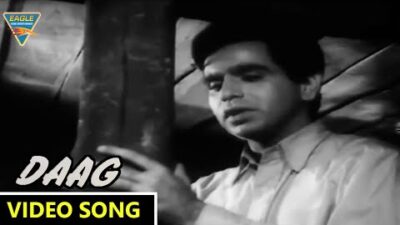
दाग़ (1952) के गीतों में 'तस्वीर बनाता हूँ' एस.डी. बर्मन और शैलेन्द्र के सहयोग की सबसे दार्शनिक रूप से महत्त्वाकांक्षी रचना के रूप में एक अद्वितीय स्थान रखती है। दिलीप कुमार के लिए तलत महमूद की मखमली आवाज़ में, यह गीत उस असंभावना पर विचार करता है जो तब उत्पन्न होती है जब कोई कलाकार प्रेम को कला में कैद करने की कोशिश करता है। केंद्रीय विरोधाभास — 'तस्वीर बनाता हूँ, तस्वीर नहीं बनती / कोई बात तो बनती है, मगर बात नहीं बनती' — शैलेन्द्र की सीधी लेकिन तीखी उर्दू-हिंदी में खुलता है।
अंग्रेज़ी में पढ़ें · Read in English
Among the Daag (1952) songs, 'Tasweer Banata Hoon' holds a unique place as the most philosophically ambitious of S.D. Burman's and Shailendra's collaborations on the film. Sung by Talat Mahmood in his characteristic velvet tremolo as playback for Dilip Kumar, the song meditates on the impossibility of artistic representation when the subject is love. The central paradox — 'I draw a portrait, but the portrait doesn't work / Something works, but the thing itself doesn't work' — unfolds in Shailendra's deceptively simple Urdu-Hindi and is given the understated musical treatment that Burman reserved for songs of intellectual weight. Talat's voice, at once technically precise and emotionally surrendered, finds in this song its most philosophical register.
संगीत The Music
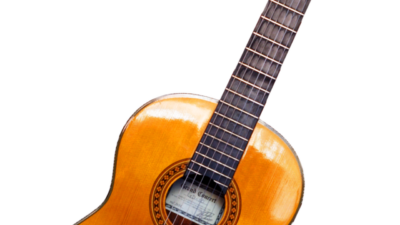
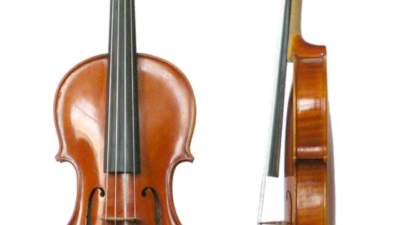
इस गीत के लिए एस.डी. बर्मन का संगीत-आयोजन संयम का उत्कृष्ट उदाहरण है — वाद्य-विधान 'ऐ मेरे दिल' से भी कम है, जैसे बर्मन ने पहचाना कि गीत का विरोधाभास (शिल्प की विफलता) ऐसे संगीत में प्रतिबिंबित होना चाहिए जो दिखावे से बचे। एक हल्की गिटार की धुन, एक दूर का वायलिन, और कफ़ी की रंगत में तलत की आवाज़ — जो एक ऐसे मन की धूसर, अनिर्णीत मनोदशा को व्यक्त करती है जो भाषा से परे कुछ को शब्दों में डालने की कोशिश करता है और असफल होता है।
अंग्रेज़ी में पढ़ें · Read in English
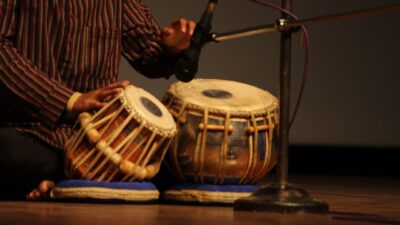
S.D. Burman's musical setting for this song is a masterpiece of restraint — the instrumentation is even sparser than 'Ae Mere Dil Kahin Aur Chal', as if Burman recognized that the lyric's paradox (the failure of craft) should be reflected in music that refuses to be showy. A light guitar figure, a distant violin, and Talat's voice in a Kafi-adjacent mode that conveys the grey, unresolved quality of a mind trying and failing to articulate something beyond language. The taal is Kaherwa (8 beats) in its most understated form — not a rhythmic support but simply a quiet pulse. Talat's technique of lingering on certain words — the pause before 'nahin banti' — creates the sense of a man genuinely unable to find the right word.
काव्य The Poetry
शैलेन्द्र की रचना कुछ दुर्लभ हासिल करती है: एक ऐसा विरोधाभास जो एक साथ अमूर्त (कला की जीवन को कैद करने में विफलता) और ठोस (एक आदमी चित्र बना रहा है और रंग वह नहीं करता जो वह चाहता है) दोनों है। 'कोई बात तो बनती है, मगर बात नहीं बनती' 'बात' के दोहरे अर्थ पर बनी है — जिसका अर्थ है 'विषय/चीज़' और 'बातचीत/वाणी' दोनों। कुछ तो बनता है — कोई रेखा काम करती है, कोई वाक्य बनता है — लेकिन आवश्यक चीज़ (तस्वीर, प्रेम का सच) नहीं उभरती।
अंग्रेज़ी में पढ़ें · Read in English
Shailendra's lyric achieves something rare: a paradox that is simultaneously abstract (the failure of art to contain life) and utterly concrete (a man painting and the paint won't do what he wants). The refrain 'koi baat to banti hai, magar baat nahin banti' is built on the double meaning of 'baat' — which means both 'thing/matter' and 'conversation/speech'. Something takes shape (koi baat banti hai) — some stroke works, some phrase forms — but the essential thing (the portrait, the truth of love) does not materialize. It is a philosopher's lyric written in a language anyone can understand, which is Shailendra's signature achievement.
कहानी The Story
अमिया चक्रवर्ती की दाग़ कलात्मक महत्त्वाकांक्षा को रोमांटिक तड़प के रूपक के रूप में उजागर करती है — दिलीप कुमार का शंकर एक ऐसा आदमी है जिसने एक औरत के इर्द-गिर्द सपने बनाए और पाया कि वास्तविकता उन सपनों को समेट नहीं सकती। 'तस्वीर बनाता हूँ' इस विषय को बाहर लाती है: जो आदमी तस्वीर बना रहा है, वह उसे थाम रहा है जो वह पहले ही खो चुका है। कहा जाता है कि एस.डी. बर्मन और शैलेन्द्र इस गीत की अवधारणा तक इस लंबी बातचीत के बाद पहुँचे कि कला वह एकमात्र तरीका है जिससे लोग मृत या बिछड़े हुए को जीवित रखने की कोशिश करते हैं — और वह कोशिश हमेशा विफल होती है।
अंग्रेज़ी में पढ़ें · Read in English
Amiya Chakrabarty's Daag explores artistic ambition as a metaphor for romantic longing — Dilip Kumar's Shankar is a man who has built dreams around a woman and found that reality cannot contain those dreams. 'Tasweer Banata Hoon' externalizes this theme: the man trying to paint a portrait is trying to hold onto something he has already lost. S.D. Burman and Shailendra reportedly arrived at the concept for this song after a long conversation about how art is the only way people try to keep the dead or the departed present — and how that attempt always fails. The song was composed quickly once the central image was found, with Burman providing the melodic sketch and Shailendra completing the lyrics in a single session.
विरासत The Legacy
'तस्वीर बनाता हूँ', दाग़ के सर्वश्रेष्ठ गीतों की तरह, पहली रिलीज़ पर जितनी सराहना मिली उससे ज़्यादा समय के साथ मिली। जैसे-जैसे श्रोता एस.डी. बर्मन और शैलेन्द्र की दार्शनिक गहराई पर ध्यान देने लगे, यह गीत उनके सबसे परिष्कृत सहयोगों में से एक के रूप में उभरा। तलत महमूद की रिकॉर्डिंग निर्णायक बनी रही।
अंग्रेज़ी में पढ़ें · Read in English
Tasweer Banata Hoon, like all of Daag's best songs, has been more appreciated with the passage of time than it was on first release. As listeners grew more attentive to S.D. Burman's and Shailendra's philosophical depth, this song emerged as one of their most sophisticated collaborations. It is regularly cited in discussions of how Hindi film music can achieve the density of philosophical poetry without losing accessibility. Talat Mahmood's recording remains the definitive one, with subsequent versions by ghazal singers drawing attention to how close the song's architecture is to the formal ghazal.
वर्गीकरण
Classification- Tempo
- Slow
Genre
अन्य विवरण
More Details- Hindi Film Geet Kosh, Vol. 3 (1952), ed. Har Mandir Singh 'Hamraaz'
- S.D. Burman: The Prince Musician — Khagesh Dev Burman (2008)
- Talat Mahmood: The Man and His Music — Sathya Saran (2014)
- Wikipedia: Daag (1952 film)
- Wikipedia: Shailendra (lyricist)
References
रोचक तथ्य
Margin Notes'कोई बात तो बनती है, मगर बात नहीं बनती' की केंद्रीय विडंबना उर्दू-हिंदी शब्द 'बात' के एक साथ दो अर्थ रखने पर टिकी है — 'मामला/चीज़' और 'बातचीत/वार्तालाप' — यह शब्द-क्रीड़ा किसी अन्य भाषा में अनूदित नहीं की जा सकती, और यही इस पंक्ति को अपनी गहराई प्रदान करती है।
अंग्रेज़ी में पढ़ें · Read in English
The central paradox of 'koi baat to banti hai, magar baat nahin banti' depends on the Urdu-Hindi word 'baat' having two simultaneous meanings: 'matter/thing' and 'speech/conversation' — untranslatable wordplay that gives the lyric its depth.
कहा जाता है कि शैलेंद्र ने साथियों से कहा था कि दाग़ में यही वह गीत था जिस पर उन्हें सबसे अधिक गर्व था — इसकी जटिलता के कारण नहीं, बल्कि इस बात के लिए कि यह किस सरलता से एक जटिल सच्चाई तक पहुँचता है।
अंग्रेज़ी में पढ़ें · Read in English
Shailendra is reported to have told colleagues that this was the song in Daag he was most proud of — not for its complexity but for how simply it arrived at a complex truth.
एस.डी. बर्मन ने दाग़ के अधिकांश अंतरंग गीत किसी औपचारिक स्टूडियो के बजाय अपने निजी कमरे में रचे थे, इस बात पर ज़ोर देते हुए कि रचना की अंतरंगता रिकॉर्डिंग में भी उतरनी चाहिए।
अंग्रेज़ी में पढ़ें · Read in English
S.D. Burman composed the majority of Daag's intimate songs in his personal room rather than in a formal studio, insisting the intimacy of composition transfer into the recording.
इस गीत में तलत महमूद का ट्रेमोलो उनके अधिक खुले तौर पर भावुक गीतों की तुलना में उल्लेखनीय रूप से अधिक संयमित है — जो सक्रिय शोक के बजाय पंक्तियों के स्वीकृतिपूर्ण भाव को दर्शाता है।
अंग्रेज़ी में पढ़ें · Read in English
Talat Mahmood's tremolo in this song is notably more controlled than in his more overtly emotional songs — reflecting the lyric's quality of resigned acceptance rather than active grief.
नमूना-पट्टी
The Specimen Table| शीर्षक | तस्वीर बनाता हूँ · Tasweer Banata Hoon |
|---|---|
| वर्ष · युग | 1952 — Golden Era |
| गायक | Talat Mahmood |
| गीतकार | Shailendra |
| संगीतकार | S.D. Burman |
| स्वरूप | एकल पुरुष |
| गति | धीमी |
| अवधि | 3:38 |
| भाषा | Hindi · Urdu |
| वाद्य | guitar · violin · tabla |
| भाव | मीठा-कड़वा · Introspective · उदास · दार्शनिक |
| लोकप्रियता | Very_popular |
| बोल-स्थिति | केवल झलक |
जुड़े हुए पन्ने
Connected Plates · The Graph Made Visibleअटलस में कोई पन्ना अकेला नहीं — इस गीत से जुड़े गीत, कलाकार, फ़िल्म, राग-ताल-विधा, सब यहाँ से खुलते हैं।
मिलते-जुलते गीत · Related Songs
कलाकार · The Artists
युग · The Era
साझा कीजिए · Share this Plate
यह पन्ना आगे बढ़ाइए
'तस्वीर बनाता हूँ, तस्वीर नहीं बनती' — छह शब्दों में प्रेम के सामने कला की विफलता का सारा इतिहास।
'Tasweer banata hoon, tasweer nahin banti' — six words that contain the entire history of art's failure before love.
— Gulzar (attributed, interview on Shailendra)
सवाल-जवाब
Questions & Answers'तस्वीर बनाता हूँ तस्वीर नहीं बनती' का क्या अर्थ है? · What is the meaning of 'Tasweer Banata Hoon Tasweer Nahin Banti'?
इस पंक्ति का अर्थ है 'तस्वीर बनाने की कोशिश करता हूँ लेकिन तस्वीर बनती नहीं।' गायक अपनी प्रिय की छवि को कला में उतारने की कोशिश करता है लेकिन असफल पाता है — और इसी तरह प्रेम को शब्दों में कहना भी असंभव है। 'कोई बात तो बनती है मगर बात नहीं बनती' 'बात' के दोहरे अर्थ पर आधारित है।
The phrase means 'I try to paint a portrait but the portrait doesn't work out.' The singer is trying to capture his beloved's image in art but finds it impossible — and by extension, the same is true of trying to put love into words. The paradox 'koi baat banti hai magar baat nahin banti' plays on 'baat' meaning both 'something' and 'conversation/words'.
क्या 'तस्वीर बनाता हूँ' ग़ज़ल है? · Is Tasweer Banata Hoon a ghazal?
यह गीत तकनीकी रूप से फ़िल्मी गीत है, लेकिन इसकी संरचना — एक दोहराया जाने वाला टेक (रदीफ़) और एक ही विरोधाभास को हर अंतरे में विकसित करना — ग़ज़ल की शैली के बहुत करीब है। इसीलिए जगजीत सिंह और हरिहरन जैसे ग़ज़ल गायकों ने इसे अपनी महफ़िलों में गाया है।
The song is technically classified as a film geet (film song), but its formal structure — a repeated refrain (radif) and the use of a single paradox developed through each verse — closely resembles the ghazal form. This is why ghazal singers like Jagjit Singh and Hariharan have performed it in their recitals.