गीत विंग · गीत-पट्टिका · Song Plate
ज़िंदगी देने वाले सुन
Zindagi Denewale Sun
न प्रार्थना, न शिकायत — यह एक थकी हुई आत्मा की, ख़ुद ख़ुदा से जिरह है।
भावतीव्र · उदास · दार्शनिक · आध्यात्मिक
भाषाUrdu गतिधीमी स्वरूपएकल पुरुष
श्रेय
The Creditsबोल · The Lyrics
बोल — झलक · Lyrics Preview
तेरी दुनिया से दिल भर गया
Teri duniya se dil bhar gaya
कॉपीराइट के कारण केवल झलक — पूरे बोल आधिकारिक मंचों पर।
शब्दकोश
Word Meaningsसूत्र-वाक्य · The Hook
सूत्र-वाक्य
न प्रार्थना, न शिकायत — यह एक थकी हुई आत्मा की, ख़ुद ख़ुदा से जिरह है।
In EnglishNot a prayer, not a complaint — this is the weary soul's cross-examination of God himself.
पट्टिका-लेख
The Monographपरिचय Overview
ए.आर. कारदार निर्देशित 'दिल-ए-नादान' (१९५३) से है यह गीत जो तलत महमूद की पहली अभिनय भूमिका था — उन्हें 'सिंगिंग स्टार तलत महमूद' के नाम से पेश किया गया। ग़ुलाम मोहम्मद का संगीत और शकील बदायूँनी के बोल। गीत पश्चिमी तारवाद्यों से शुरू होता है फिर राग भूपाली की पंचस्वरी शांति में समा जाता है। बिनाका गीतमाला १९५३ में छठे स्थान पर रहा। यह हिंदी फ़िल्म संगीत में ईश्वर को एक दार्शनिक शिकायत है — भजन नहीं, ग़ज़ल-परंपरा की आध्यात्मिक बेज़ारी।
अंग्रेज़ी में पढ़ें · Read in English
From A.R. Kardar's 1953 romantic drama Dil-E-Nadan (Naive Heart), 'Zindagi Denewale Sun' marked Talat Mahmood's acting debut — he was introduced to audiences as 'Singing Star Talat Mehmood'. Composed by Ghulam Mohammad with lyrics by Shakeel Badayuni, the song opens with western string instruments before the melody transitions into Raag Bhupali's pentatonic serenity. It ranked sixth on Binaca Geetmala's 1953 annual chart. The song is a rare address to God in Hindi film music — not a bhajan, but a philosophical protest of world-weariness in the ghazal tradition.
संगीत The Music
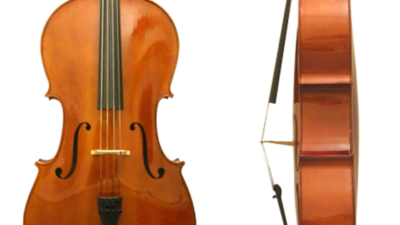
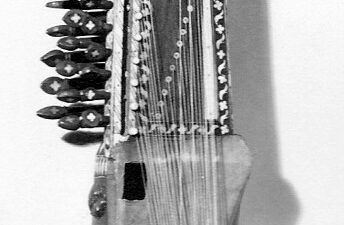
ग़ुलाम मोहम्मद — बीकानेर में १९०३ में संगीतकार परिवार में जन्मे, पिता से तबले की शिक्षा पाई — ने यहाँ एक असाधारण रचना की। गीत पश्चिमी तारवाद्यों (सेलो, वायलिन) की उदास प्रस्तावना से शुरू होता है, फिर हारमोनियम और सारंगी राग भूपाली की पंचस्वरी बनावट में लाते हैं। भूपाली शाम की शांत चिंतनशीलता का राग है — पर यहाँ वह दुनिया से थक जाने की उदासी से रंगा है। तलत की काँपती आवाज़ इस गीत को एक निजी इकबालिया बना देती है।
अंग्रेज़ी में पढ़ें · Read in English
Ghulam Mohammad — born in Bikaner in 1903 into a family of musicians, trained by his tabla-player father — created one of his most atmospheric compositions here. The song's opening deploys western stringed instruments (cello, violin) in a melancholic prelude, before the harmonium and sarangi bring the melody into Raag Bhupali's pentatonic framework. Bhupali is a raga of peaceful evening contemplation but here it is tinged with world-weariness. Talat Mahmood's trembling voice — perfectly suited to this register of emotional suffering — makes the song feel like a private confession.
काव्य The Poetry
शकील बदायूँनी ने सीधे ईश्वर को संबोधित किया — 'ज़िंदगी देने वाले सुन, तेरी दुनिया से दिल भर गया।' उर्दू काव्य की मक़ता-परंपरा को फ़िल्मी गीत में ढाला — एक आध्यात्मिक विरोध-कविता जो ग़ज़ल के साँचे में है। मुग़ल-युगीन ऐतिहासिक फ़िल्मों से जुड़े शकील ने यहाँ अंतरंग दार्शनिक कविता की क्षमता दिखाई।
अंग्रेज़ी में पढ़ें · Read in English
Shakeel Badayuni's lyric addresses God directly — 'O giver of life, listen; I am weary of your world.' This is the classical maqta (closing couplet) tradition of Urdu poetry turned into a film song — a spiritual protest poem in the ghazal mould. Shakeel, associated with grand Mughal-era historical films, here shows his capacity for intimate philosophical verse.
कहानी The Story
'दिल-ए-नादान' (१९५३) को ए.आर. कारदार ने निर्देशित-निर्मित किया — जो 'दिल्लगी' (१९४९) जैसी कलासिक फ़िल्मों के निर्माता थे। तलत महमूद की पहली अभिनय भूमिका, साथ में श्यामा। कई लोकप्रिय गीतों के बावजूद फ़िल्म बॉक्स ऑफ़िस पर नहीं चली। ग़ुलाम मोहम्मद ने एक असाधारण साउंडट्रैक रचा जो शास्त्रीय हिंदुस्तानी और पाश्चात्य संगीत दोनों में उनकी महारत दिखाता है।
अंग्रेज़ी में पढ़ें · Read in English
Dil-E-Nadan (1953) was directed and produced by A.R. Kardar, one of the leading directors of the 1940s–50s who had made classics like Dillagi (1949). The film starred Talat Mahmood in his first acting role, alongside Shyama. Despite several popular songs, the film failed at the box office. Ghulam Mohammad composed a standout score, demonstrating his mastery of both classical Indian and Western orchestral idioms.
विरासत The Legacy
ग़ुलाम मोहम्मद बाद में 'पाकीज़ा' (१९७२) का कालजयी संगीत रचने वाले थे — एक फ़िल्म जिस पर उन्होंने करीब दो दशक काम किया। 'ज़िंदगी देने वाले सुन' उनके संगीत-संसार की सर्वश्रेष्ठ रचनाओं में से एक है।
अंग्रेज़ी में पढ़ें · Read in English
Ghulam Mohammad went on to compose the iconic score of Pakeezah (1972), a film on which he worked for nearly two decades. 'Zindagi Denewale Sun' stands as one of the finest songs in his catalogue — a spiritual lament that anticipates the brooding classical sensibility of his later masterwork.
वर्गीकरण
Classification- Tempo
- Slow
Genre
अन्य विवरण
More Details- Wikipedia: Dil-E-Nadaan (1953 film) — https://en.wikipedia.org/wiki/Dil-E-Nadaan_(1953_film)
- HindiGeetmala.net: Binaca Geetmala 1953 — https://www.hindigeetmala.net/geetmala/binaca_geetmala_1953.php
- HindiGeetmala.net: Zindagi Denewale Sun — https://www.hindigeetmala.net/song/zindagi_denewale_sun.htm
References
रोचक तथ्य
Margin Notesइस फ़िल्म में तलत महमूद को 'सिंगिंग स्टार तलत महमूद' के रूप में प्रस्तुत किया गया था — यह उनकी अभिनय की शुरुआत थी।
अंग्रेज़ी में पढ़ें · Read in English
Talat Mahmood was billed as 'Singing Star Talat Mehmood' in this film — his acting debut.
यह गीत पाश्चात्य तार वाद्यों की प्रस्तावना से शुरू होकर राग भूपाली में परिवर्तित होता है, जो ग़ुलाम मोहम्मद के संगीत में वैश्विक दृष्टिकोण को दर्शाता है।
अंग्रेज़ी में पढ़ें · Read in English
The song opens with a western string prelude before transitioning to Raag Bhupali, demonstrating Ghulam Mohammad's musical cosmopolitanism.
ग़ुलाम मोहम्मद ने पाकीज़ा के लिए दशकों (1950 के दशक से) संगीत रचना और रिकॉर्डिंग में बिताए, जो उनके 1968 में निधन के बाद 1972 में रिलीज़ हुई।
अंग्रेज़ी में पढ़ें · Read in English
Ghulam Mohammad would spend decades (from the 1950s) composing and recording for Pakeezah, which released in 1972 after his death in 1968.
ए.आर. कारदार 1940-50 के दशक के सबसे सम्मानित निर्देशकों में से एक थे, जो परिष्कृत भावुक-नाटकों के लिए जाने जाते थे।
अंग्रेज़ी में पढ़ें · Read in English
A.R. Kardar was one of the most respected directors of the 1940s–50s, known for sophisticated melodramas.
पुरस्कार
The Honoursनमूना-पट्टी
The Specimen Table| शीर्षक | ज़िंदगी देने वाले सुन · Zindagi Denewale Sun |
|---|---|
| वर्ष · युग | 1953 — Golden Era |
| गायक | Talat Mahmood |
| गीतकार | Shakeel Badayuni |
| संगीतकार | Ghulam Mohammed |
| स्वरूप | एकल पुरुष |
| गति | धीमी |
| अवधि | 3:50 |
| भाषा | Urdu |
| वाद्य | violin · cello · sarangi · tabla |
| भाव | तीव्र · उदास · दार्शनिक · आध्यात्मिक |
| लोकप्रियता | Very_popular |
| बोल-स्थिति | केवल झलक |
जुड़े हुए पन्ने
Connected Plates · The Graph Made Visibleअटलस में कोई पन्ना अकेला नहीं — इस गीत से जुड़े गीत, कलाकार, फ़िल्म, राग-ताल-विधा, सब यहाँ से खुलते हैं।
मिलते-जुलते गीत · Related Songs
कलाकार · The Artists
युग · The Era
साझा कीजिए · Share this Plate
यह पन्ना आगे बढ़ाइए
ज़िंदगी देने वाले सुन, तेरी दुनिया से दिल भर गया।
O giver of life, listen — I am weary of your world.
— Shakeel Badayuni, Dil-E-Nadan (1953)
सवाल-जवाब
Questions & Answers'ज़िंदगी देने वाले सुन' किसने गाया? · Who sang Zindagi Denewale Sun?
तलत महमूद ने 'दिल-ए-नादान' (१९५३) के लिए यह गीत गाया — यह उनकी पहली अभिनय भूमिका भी थी। संगीत ग़ुलाम मोहम्मद, बोल शकील बदायूँनी।
Talat Mahmood sang this song for the 1953 film Dil-E-Nadan, in which he also made his acting debut. Music by Ghulam Mohammad, lyrics by Shakeel Badayuni.
यह गीत किस राग पर है? · What raag is Zindagi Denewale Sun based on?
गीत पश्चिमी तारवाद्यों की प्रस्तावना से शुरू होता है और फिर राग भूपाली की पंचस्वरी संरचना में आ जाता है — शाम की शांति का राग, यहाँ उदासी के रंग में।
The song opens with Western string instruments and then blends into Raag Bhupali, the pentatonic raga associated with peaceful evening contemplation, here coloured with melancholy.