गीत विंग · गीत-पट्टिका · Song Plate
शाम-ए-ग़म की क़सम
Shaam-E-Gham Ki Kasam
इस गीत ने ख़य्याम को उनका नाम दिया — और तलत महमूद को उनका सबसे अमर लम्हा।
भावअविस्मरणीय · तीव्र · उदास · पुरानी यादें
भाषाUrdu गतिधीमी स्वरूपएकल पुरुष
श्रेय
The Creditsबोल · The Lyrics
बोल — झलक · Lyrics Preview
आज ग़मगीं हैं हम
आ भी जा, आ भी जा
Aaj gamgeen hain hum
Aa bhi ja, aa bhi ja
कॉपीराइट के कारण केवल झलक — पूरे बोल आधिकारिक मंचों पर।
शब्दकोश
Word Meaningsसूत्र-वाक्य · The Hook
सूत्र-वाक्य
इस गीत ने ख़य्याम को उनका नाम दिया — और तलत महमूद को उनका सबसे अमर लम्हा।
In EnglishThe song that gave composer Khayyam his name — and gave Talat Mahmood his most immortal moment.
पट्टिका-लेख
The Monographपरिचय Overview
ज़िया सरहदी निर्देशित 'फुटपाथ' (१९५३) — जिसमें दिलीप कुमार और मीना कुमारी थे — से है यह गीत जिसने संगीतकार ख़य्याम को पहली बार उनके अपने नाम से दुनिया के सामने पेश किया। तलत महमूद की कंपकंपाती, रेशमी आवाज़ और मजरूह सुल्तानपुरी के दर्दभरे बोलों ने मिलकर एक ऐसी ग़ज़ल रची जो १९५३ की बिनाका गीतमाला में दूसरे स्थान पर रही। लखनवी ग़ज़ल-परंपरा का यह नायाब नमूना न्यूनतम वाद्ययंत्रों पर टिका है — जहाँ तलत की आवाज़ लगभग अकेले ही पूरी कहानी कहती है।
अंग्रेज़ी में पढ़ें · Read in English
From the 1953 social drama Footpath, directed by Zia Sarhadi and starring Dilip Kumar and Meena Kumari, 'Shaam-E-Gham Ki Kasam' is the song that launched composer Khayyam (Mohammed Zahur Khayyam Hashmi, b. 1927) under his own name for the first time. Sung by Talat Mahmood in his signature trembling-silk voice, with lyrics by Majrooh Sultanpuri, the song ranked second on the Binaca Geetmala annual chart of 1953. It is a ghazal-inflected lament in the tradition of the Lucknow school, built on spare instrumentation that places Talat's voice in almost unaccompanied space. The song represents a high-water mark of the male voice in Hindi film music's Golden Era.
संगीत The Music
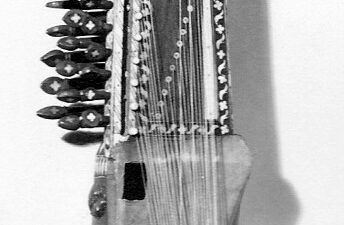
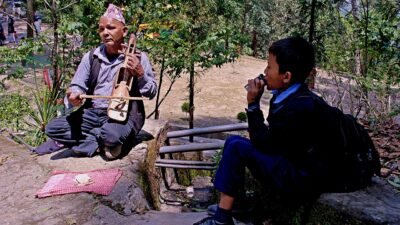
ख़य्याम ने इस गीत को लखनवी ग़ज़ल-ठुमरी की परंपरा में रचा — भैरवी से मिलती-जुलती स्वर-संरचना जो दर्द की गहराई को चरम पर ले जाती है। संगीत-संयोजन जानबूझकर विरल रखा गया — सारंगी, तबला और हल्की स्ट्रिंग्स। तलत महमूद की कंपकंपाती, कोमल आवाज़ के लिए यही सबसे उपयुक्त कैनवास था। ख़य्याम ने बाद में बताया कि यह गीत रात को देर तक दोस्तों के बीच तैयार हुआ — सरदार जाफ़री और चंदूलाल शाह ने उन्हें अपना नाम 'ख़य्याम' क्रेडिट में डालने को कहा। इस गीत ने साबित किया कि सादगी भव्यता से बड़ी होती है।
अंग्रेज़ी में पढ़ें · Read in English
Khayyam composed 'Shaam-E-Gham Ki Kasam' in the tradition of the Lucknow ghazal thumri, drawing on Bhairavi-adjacent scales to maximise emotional depth. The arrangement is famously spare — sarangi, tabla and a quiet string backdrop — allowing Talat Mahmood's uniquely quivering, intimate voice to command every inch of silence. Khayyam later said that he and Majrooh shaped the song late at night, friends Sardar Jafri and Chandulal Shah encouraging him to use his own name 'Khayyam' in the credits rather than a pseudonym. The result was a song that proved sparse orchestration could be more powerful than grand arrangement, a lesson Khayyam carried through his entire career to Umrao Jaan (1981).
काव्य The Poetry
मजरूह सुल्तानपुरी का यह बोल शाम-ए-ग़ज़ल की परंपरा से आता है — जहाँ दर्द की भाषा सबसे परिष्कृत होती है। 'शाम-ए-ग़म की क़सम' में उर्दू का वह काव्य-कौशल है जो एक भाव को ही गवाह बना लेता है। 'आ भी जा' — दो शब्दों में एक पूरी इल्तिजा, एक टूटे हुए इंसान की आख़िरी पुकार।
अंग्रेज़ी में पढ़ें · Read in English
Majrooh Sultanpuri's lyric belongs to the tradition of sham-e-ghazal — the evening mushaira when poets compete in refined sorrow. The refrain 'shaam-e-gham ki kasam' is a vow sworn on the evening's own grief, a characteristic Urdu literary device (tashbih) of making an abstraction witness to itself. The invitation 'aa bhi ja' (just come) captures the voice of someone who has exhausted all arguments and is left only with vulnerable longing.
कहानी The Story
फुटपाथ (१९५३) आज़ादी के बाद के भारत में कालाबाज़ारी पर एक तीखी सामाजिक टिप्पणी थी। दिलीप कुमार एक ऐसे व्यक्ति की भूमिका में थे जो पैसे के लिए नैतिकता से समझौता करता है। ख़य्याम को संगीत सौंपा गया और उन्होंने पहली बार अपने वास्तविक नाम से क्रेडिट लिया — दोस्तों मजरूह, सरदार जाफ़री और चंदूलाल शाह की सलाह पर। फ़िल्म ९ अक्टूबर १९५३ को रिलीज़ हुई और उस साल की पाँचवीं सबसे बड़ी हिट बनी।
अंग्रेज़ी में पढ़ें · Read in English
Footpath (1953) was directed by Zia Sarhadi and dealt with black-market profiteering in post-independence India — a serious social subject. The film starred Dilip Kumar as a man who descends into moral compromise for wealth and Meena Kumari as his love interest. Khayyam was given the music assignment and composed this song — the first credited to him under his own name, on the advice of his poet friends Majrooh, Sardar Jafri and Chandulal Shah. The film released October 9, 1953, and became the year's fifth highest-grossing Hindi film.
विरासत The Legacy
ख़य्याम ने बाद में 'कभी कभी' (१९७६), 'नूरी' (१९७९) और 'उमराव जान' (१९८१) जैसी उत्कृष्ट फ़िल्में दीं और तीन फ़िल्मफ़ेयर पुरस्कार जीते। लेकिन यह गीत सदा उनका परिचय-पत्र रहा। तलत महमूद की इस प्रस्तुति को हिंदी सिनेमा में पुरुष ग़ज़ल-गायन का मानदंड माना जाता है।
अंग्रेज़ी में पढ़ें · Read in English
Khayyam went on to compose some of Hindi cinema's most celebrated scores — Kabhi Kabhie (1976), Noorie (1979), Umrao Jaan (1981) — winning three Filmfare Awards. This song remained his calling card: a demonstration that his musical identity was rooted in restraint, poetry and emotional precision. Talat Mahmood's version is the gold standard of male ghazal singing in Hindi cinema. The song appears on virtually every definitive Talat Mahmood compilation ever released.
वर्गीकरण
Classification- Tempo
- Slow
Genre
अन्य विवरण
More Details- Wikipedia: Footpath (1953 film) — https://en.wikipedia.org/wiki/Footpath_(1953_film)
- Wikipedia: Mohammed Zahur Khayyam — https://en.wikipedia.org/wiki/Mohammed_Zahur_Khayyam
- HindiGeetmala.net: Binaca Geetmala 1953 — https://www.hindigeetmala.net/geetmala/binaca_geetmala_1953.php
- Dghosh269.com: Footpath (1953) review — https://dghosh269.com/2018/03/27/footpath-1953/
- JioSaavn: Shaam-E-Gham Ki Kasam — https://www.jiosaavn.com/song/shaam-e-gham-ki-kasam-from-footpath/FQwCZUUDQ3g
References
रोचक तथ्य
Margin Notesख़य्याम पहले शर्माजी-वर्माजी जोड़ी में शर्माजी के रूप में काम कर चुके थे, जिनकी शुरुआत हीर रांझा (1948) से हुई थी। फुटपाथ (1953) ख़य्याम नाम से उनका पहला एकल श्रेय था।
अंग्रेज़ी में पढ़ें · Read in English
Khayyam had previously worked as Sharmaji of the Sharmaji-Varmaji duo, debuting with Heer Ranjha (1948). Footpath (1953) was his first solo credit under the name Khayyam.
दोस्तों मजरूह सुल्तानपुरी, अली सरदार जाफ़री और चंदूलाल शाह ने ख़य्याम को इस फ़िल्म के लिए किसी उपनाम के बजाय अपना असली नाम इस्तेमाल करने के लिए प्रोत्साहित किया।
अंग्रेज़ी में पढ़ें · Read in English
Friends Majrooh Sultanpuri, Ali Sardar Jafri and Chandulal Shah encouraged Khayyam to use his own name rather than a pseudonym for this film.
प्रगतिशील लेखक आंदोलन के प्रसिद्ध कवि अली सरदार जाफ़री ने इस फ़िल्म में 'कैसा जादू डाला रे' गीत लिखा था; जबकि मुख्य हिट गीत 'शाम-ए-ग़म की क़सम' मजरूह सुल्तानपुरी का लिखा हुआ था।
अंग्रेज़ी में पढ़ें · Read in English
Ali Sardar Jafri, a celebrated Progressive Writers Movement poet, wrote the song 'Kaisa Jadu Dala Re' in this film; the main hit 'Shaam-E-Gham Ki Kasam' was by Majrooh Sultanpuri.
गंभीर सामाजिक विषय होने के बावजूद फ़िल्म फुटपाथ 1953 के हिंदी बॉक्स ऑफ़िस पर पाँचवें स्थान पर रही।
अंग्रेज़ी में पढ़ें · Read in English
The film Footpath ranked fifth at the 1953 Hindi box office despite a serious social subject.
तलत महमूद ने इस फ़िल्म में केवल दो गीत गाए; बाक़ी चार गीत आशा भोसले ने गाए।
अंग्रेज़ी में पढ़ें · Read in English
Talat Mahmood sang only two songs in the film; Asha Bhosle sang the remaining four.
पुरस्कार
The Honoursनमूना-पट्टी
The Specimen Table| शीर्षक | शाम-ए-ग़म की क़सम · Shaam-E-Gham Ki Kasam |
|---|---|
| वर्ष · युग | 1953 — Golden Era |
| गायक | Talat Mahmood |
| गीतकार | Majrooh Sultanpuri |
| संगीतकार | ख़य्याम |
| स्वरूप | एकल पुरुष |
| गति | धीमी |
| अवधि | 3:52 |
| भाषा | Urdu |
| वाद्य | sarangi · tabla · violin · harmonium |
| भाव | अविस्मरणीय · तीव्र · उदास · पुरानी यादें |
| लोकप्रियता | Legendary |
| बोल-स्थिति | केवल झलक |
जुड़े हुए पन्ने
Connected Plates · The Graph Made Visibleअटलस में कोई पन्ना अकेला नहीं — इस गीत से जुड़े गीत, कलाकार, फ़िल्म, राग-ताल-विधा, सब यहाँ से खुलते हैं।
मिलते-जुलते गीत · Related Songs
कलाकार · The Artists
युग · The Era
साझा कीजिए · Share this Plate
यह पन्ना आगे बढ़ाइए
शाम-ए-ग़म की क़सम ने साबित किया कि सबसे शक्तिशाली संगीत को अक्सर सिर्फ़ चारों तरफ़ ख़ामोशी चाहिए।
Shaam-e-Gham Ki Kasam proved that the most powerful music sometimes needs only silence around it.
— Editorial, HindiGeet.in
सवाल-जवाब
Questions & Answersशाम-ए-ग़म की क़सम का संगीत किसने दिया? · Who composed the music for Shaam-E-Gham Ki Kasam?
ख़य्याम (मोहम्मद ज़हूर ख़य्याम हाशमी) ने इस गीत का संगीत दिया। 'फुटपाथ' (१९५३) उनकी पहली फ़िल्म थी जिसमें उन्होंने अपना असली नाम 'ख़य्याम' क्रेडिट में लिखवाया।
Khayyam (Mohammed Zahur Khayyam Hashmi) composed the music for Footpath (1953). This was the first film where he used his own name 'Khayyam' in the credits, previously having worked as part of the Sharmaji-Varmaji duo.
यह गीत इतना अमर क्यों माना जाता है? · Why is Shaam-E-Gham Ki Kasam considered iconic?
तलत महमूद की कंपकंपाती आवाज़, ख़य्याम का सादगीभरा संगीत और मजरूह की परिष्कृत उर्दू शायरी — इन तीनों के मिलन ने एक ऐसा गीत बनाया जो आज भी पुरुष ग़ज़ल-गायन का मानदंड है।
It combines Talat Mahmood's uniquely intimate quivering voice with Khayyam's sparse, poetry-led composition and Majrooh Sultanpuri's refined Urdu lyric. It ranked second on Binaca Geetmala 1953 and is a benchmark of male ghazal singing in Hindi cinema.
क्या ख़य्याम और मजरूह सुल्तानपुरी दोस्त थे? · Was Khayyam and Majrooh Sultanpuri friends?
हाँ, ख़य्याम, मजरूह सुल्तानपुरी और अली सरदार जाफ़री प्रगतिशील लेखक आंदोलन के करीबी दोस्त थे। इसी दोस्ती ने इस गीत को रूप दिया।
Yes, Khayyam, Majrooh Sultanpuri and Ali Sardar Jafri were close friends from the Progressive Writers circle in Bombay. Their friendship directly shaped this song and the advice to use the name 'Khayyam' in credits.
यह गीत किस फ़िल्म का है? · Which film was Shaam-E-Gham Ki Kasam from?
यह गीत ज़िया सरहदी निर्देशित 'फुटपाथ' (१९५३) का है, जिसमें दिलीप कुमार और मीना कुमारी थे। फ़िल्म आज़ादी के बाद के भारत में कालाबाज़ारी पर आधारित थी।
The song is from Footpath (1953), directed by Zia Sarhadi, starring Dilip Kumar and Meena Kumari. The film dealt with black-market profiteering in post-independence India.