गीत विंग · गीत-पट्टिका · Song Plate
मिलते ही आँखें दिल हुआ दीवाना
Milte Hi Aankhein Dil Hua Diwana
शमशाद की ज़मीन-सी गर्माहट और तलत की मखमली थरथराहट — दो इतनी अलग आवाज़ें कि उनका मिलना ही मोहब्बत लगती है।
भावJoyful · चुलबुला · रोमांटिक
भाषाUrdu · Hindi गतिमध्यम स्वरूपयुगल
श्रेय
The Creditsबोल · The Lyrics
बोल — झलक · Lyrics Preview
नादान था जो हो गया यह हमने माना
Naadaan tha jo ho gaya yeh humne maana
कॉपीराइट के कारण केवल झलक — पूरे बोल आधिकारिक मंचों पर।
शब्दकोश
Word Meaningsसूत्र-वाक्य · The Hook
सूत्र-वाक्य
शमशाद की ज़मीन-सी गर्माहट और तलत की मखमली थरथराहट — दो इतनी अलग आवाज़ें कि उनका मिलना ही मोहब्बत लगती है।
In EnglishShamshad Begum's earthy warmth and Talat Mahmood's velvet tremolo — two voices so different that their meeting sounds exactly like falling in love.
पट्टिका-लेख
The Monographपरिचय Overview
1950 की 'बाबुल' — नौशाद की संगीत रचना और शकील बदायूँनी के बोलों के साथ — का यह युगल गीत उस जादुई लम्हे को पकड़ता है जब पहली नज़र में दिल दीवाना हो जाता है। शमशाद बेगम और तलत महमूद की आवाज़ों में — जिनमें तलत का यह नौशाद के साथ पहला काम था — दो अलग रंगों का मिलान है। शमशाद की मिट्टी की गर्माहट और तलत की मखमली, थरथराती आवाज़ मिलकर एक ऐसा रोमांटिक संवाद रचती हैं जो 1950 के हिंदी फ़िल्म संगीत में नया था।
अंग्रेज़ी में पढ़ें · Read in English
From the stellar 1950 soundtrack of Babul — composed by Naushad with lyrics by Shakeel Badayuni — 'Milte Hi Aankhein Dil Hua Diwana' is a delightful medium-tempo duet that captures the electric moment two people fall in love at first glance. Sung with great chemistry by Shamshad Begum and Talat Mahmood — the latter making his debut as a playback singer under Naushad with this very film — the song showcases two of Hindi film music's most distinctive voices in perfect counterpoint. Shamshad's earthy warmth and Talat's velvety, tremulous timbre create a textured romantic interplay that was highly innovative for 1950 Hindi film music. Naushad sets the song in a light, bouncy rhythmic framework that feels joyful without being frivolous, exactly matching the giddy wonder of sudden love.
संगीत The Music
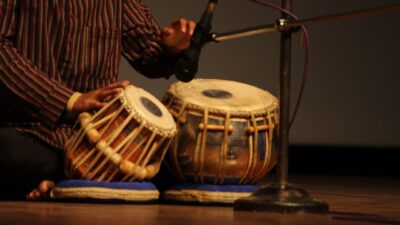
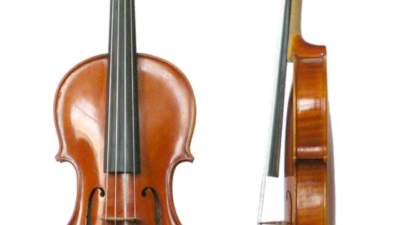
नौशाद ने इस गीत को एक झूमती, मध्यम-गति की ताल में रचा — हल्की वाल्ट्ज़ और लोक नृत्य के बीच की रंगत। वाद्य-विन्यास हल्का और पारदर्शी है — तार वाले साज़ रोमांटिक चमक देते हैं, हारमोनियम मुख्य धुन थामे रहता है, तबला मद्धिम लेकिन स्पष्ट लय बनाता है। चमत्कार आवाज़ों के चुनाव में है: शमशाद की गहरी, भरपूर आवाज़ और तलत की थरथराती, फुसफुसाती शैली — यह विरोधाभास ही गीत की जान है।
अंग्रेज़ी में पढ़ें · Read in English
Naushad composed 'Milte Hi Aankhein' in a lilting, medium-paced rhythmic frame that sits between a light waltz and a folk dance, keeping the mood joyful but dignified. The orchestration is light and transparent — strings providing a romantic shimmer, harmonium for the melodic base, tabla keeping a gentle but clear beat. The magic lies in the casting of voices: Shamshad Begum, whose voice had a characteristic depth and roundness, was paired with Talat Mahmood, who sang in a uniquely tremulous, hushed style influenced by his background as a ghazal singer. This contrast — Shamshad's confident, full-voiced delivery against Talat's intimate whisper — gives the duet a natural tension and release that mirrors the emotional dynamics of romantic attraction.
काव्य The Poetry
शकील बदायूँनी ने यह गीत विशिष्ट हल्केपन से लिखा — एक ऐसा बोल जो गहरा नहीं, मनोरम है। 'मिलते ही आँखें' — यह उर्दू शायरी का वह क्लासिक बिम्ब है जहाँ आँखें रूह की खिड़की भी हैं और प्रेम के हथियार भी। 'नादान था' में एक मीठी आत्म-व्यंग्य है — जैसे दिल हार जाना मूर्खता थी, पर मुस्कुराते हुए स्वीकार की गई।
अंग्रेज़ी में पढ़ें · Read in English
Shakeel Badayuni wrote the song with characteristic lightness — a lyric that is charming rather than profound, perfectly suited to a romantic duet. The central image is the meeting of eyes ('milte hi aankhen') as the trigger of falling in love, a classical motif in Urdu poetry where the eyes are both the windows of the soul and the weapons of love. The admission 'naadaan tha' (I was naive) is playfully self-deprecating — the singer acknowledges that falling in love was perhaps foolish, but accepts it with a smile rather than regret.
कहानी The Story
'बाबुल' (1950) तलत महमूद के नौशाद के साथ पहले काम के लिए उल्लेखनीय है। तलत ग़ज़ल गायक के रूप में जाने जाते थे, लेकिन नौशाद ने उनकी थरथराती आवाज़ की खासियत को पहचाना। 'मिलते ही आँखें' में उन्होंने तलत को हल्के, खेल-खेल अंदाज़ में दिखाया — यह साबित करते हुए कि तलत की रेंज सिर्फ़ मेलंकली से कहीं आगे थी।
अंग्रेज़ी में पढ़ें · Read in English
Babul (1950) was notable for marking Talat Mahmood's debut as a playback singer under Naushad — a significant event in the history of Hindi film music. Talat had been singing ghazals in non-film recordings and occasional stage appearances, but Naushad recognised his unique tremulous voice as perfectly suited for the melancholic hero. In 'Milte Hi Aankhein', however, Naushad deployed Talat in a lighter, more playful register, demonstrating the range he believed the singer possessed beyond pure melancholy. The song shows Naushad's skill in matching voices to emotional registers across the same soundtrack.
विरासत The Legacy
इस गीत ने तलत महमूद को मुख्यधारा हिंदी फ़िल्म दर्शकों के सामने नौशाद के माध्यम से लाया — एक ऐसा लॉन्चिंग पैड जिसने स्वर्ण युग के सबसे प्रतिष्ठित गायन करियरों में से एक को जन्म दिया। शमशाद-तलत की जोड़ी वर्षों तक पुरुष-महिला युगल गीतों की कसौटी बनी रही।
अंग्रेज़ी में पढ़ें · Read in English
The song introduced Talat Mahmood to the mainstream Hindi film audience via one of the most celebrated music directors of the era — a launching pad that led to one of the Golden Era's most revered singing careers. The Shamshad-Talat pairing remained a benchmark for male-female duets for years. 'Milte Hi Aankhein' is frequently cited in discussions of the best duets of early Hindi film music, and was among the first expressions of the 'modern' romantic duet — two voices in conversation, neither subordinate to the other.
वर्गीकरण
Classification- Tempo
- Medium
Genre
अन्य विवरण
More Details- Wikipedia: Babul (1950 film) — https://en.wikipedia.org/wiki/Babul_(1950_film)
- Songs of Yore: Best songs of 1950 — https://www.songsofyore.com/best-songs-of-1950/
- MySwar: Babul (1950) — https://myswar.co/album/babul-1950
References
रोचक तथ्य
Margin Notesबाबुल (1950) नौशाद के साथ तलत महमूद का पहला सहयोग था, जिसमें नौशाद ने गायक की विशिष्ट कंपकंपाती आवाज़ को रोमांटिक नायकों के लिए एकदम उपयुक्त पहचाना।
अंग्रेज़ी में पढ़ें · Read in English
Babul (1950) marked Talat Mahmood's first collaboration with Naushad, who recognized the singer's unique tremulous voice as perfect for romantic heroes.
इस युगल गीत में शमशाद बेगम और तलत महमूद की केमिस्ट्री को संगीत इतिहासकार पुरुष-महिला फ़िल्मी युगल गीतों के लिए एक नया मानदंड स्थापित करने का श्रेय देते हैं।
अंग्रेज़ी में पढ़ें · Read in English
Shamshad Begum and Talat Mahmood's chemistry in this duet is credited by music historians as establishing a new standard for male-female film duets.
नौशाद ने बाबुल के लिए 15 गीत रचे, जिसने इसे 1950 की संगीत की दृष्टि से सबसे समृद्ध फ़िल्मों में से एक बना दिया।
अंग्रेज़ी में पढ़ें · Read in English
Naushad composed 15 songs for Babul, making it one of the most musically rich films of 1950.
यह फ़िल्म एक सुपरहिट रही, और इसके साउंडट्रैक ने स्वर्ण युग के सर्वप्रमुख संगीतकार के रूप में नौशाद की स्थिति को और मज़बूत किया।
अंग्रेज़ी में पढ़ें · Read in English
The film was a super-hit, and its soundtrack helped cement Naushad's position as the pre-eminent music director of the Golden Era.
नमूना-पट्टी
The Specimen Table| शीर्षक | मिलते ही आँखें दिल हुआ दीवाना · Milte Hi Aankhein Dil Hua Diwana |
|---|---|
| फ़िल्म | बाबुल · 1950 |
| वर्ष · युग | 1950 — Golden Era |
| गायक | Shamshad Begum, Talat Mahmood |
| गीतकार | Shakeel Badayuni |
| संगीतकार | Naushad |
| स्वरूप | युगल |
| गति | मध्यम |
| अवधि | 2:55 |
| भाषा | Urdu · Hindi |
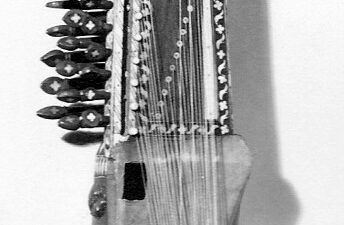
| वाद्य | harmonium · tabla · violin · sarangi |
| भाव | Joyful · चुलबुला · रोमांटिक |
| लोकप्रियता | Very_popular |
| बोल-स्थिति | केवल झलक |
जुड़े हुए पन्ने
Connected Plates · The Graph Made Visibleअटलस में कोई पन्ना अकेला नहीं — इस गीत से जुड़े गीत, कलाकार, फ़िल्म, राग-ताल-विधा, सब यहाँ से खुलते हैं।
मिलते-जुलते गीत · Related Songs
कलाकार · The Artists
फ़िल्म · The Film
युग · The Era
साझा कीजिए · Share this Plate
यह पन्ना आगे बढ़ाइए
जब शमशाद की ज़मीन तलत के आसमान से मिली, तो दो दिलों के मिलने की आवाज़ आई।
When Shamshad's earth met Talat's sky, you got the sound of two people falling in love.
— Music historian Prayag Raj on the Shamshad-Talat combination
सवाल-जवाब
Questions & Answers'मिलते ही आँखें दिल हुआ दीवाना' किसने गाया? · Who sang 'Milte Hi Aankhein Dil Hua Diwana'?
यह शमशाद बेगम और तलत महमूद का युगल गीत है। नौशाद का संगीत, शकील बदायूँनी के बोल, फ़िल्म 'बाबुल' (1950) के लिए।
It was sung as a duet by Shamshad Begum and Talat Mahmood, with music by Naushad and lyrics by Shakeel Badayuni, for the 1950 film Babul.
क्या यह नौशाद के साथ तलत महमूद का पहला काम था? · Was this Talat Mahmood's debut under Naushad?
हाँ, 'बाबुल' (1950) में नौशाद और तलत महमूद की पहली जोड़ी बनी। नौशाद ने तलत की अनूठी थरथराती आवाज़ को रोमांटिक नायकों के लिए एकदम सही पाया।
Yes, Babul (1950) marked Talat Mahmood's first collaboration with Naushad, who recognized his unique tremulous voice as ideal for romantic heroes. It launched Talat's career in mainstream Hindi film playback.