गीत विंग · गीत-पट्टिका · Song Plate
तेरे नैनों ने चोरी की
Tere Nainon Ne Chori Ki
वह गीत जिसने एक जोड़ी आँखों को हिंदी फ़िल्म इतिहास की सबसे मनमोहक चोर बना दिया।
भावविरह · चुलबुला · रोमांटिक
भाषाHindi · Urdu · Braj गतिमध्यम स्वरूपएकल महिला
श्रेय
The Creditsबोल · The Lyrics
बोल — झलक · Lyrics Preview
नींद मेरी चुरा ली री
Neend meri chura li ri
कॉपीराइट के कारण केवल झलक — पूरे बोल आधिकारिक मंचों पर।
शब्दकोश
Word Meaningsसूत्र-वाक्य · The Hook
सूत्र-वाक्य
वह गीत जिसने एक जोड़ी आँखों को हिंदी फ़िल्म इतिहास की सबसे मनमोहक चोर बना दिया।
In EnglishThe song that turned a pair of eyes into the most charming thieves in Hindi film history.
पट्टिका-लेख
The Monographपरिचय Overview
1950 की फ़िल्म 'बावरे नैन' — निर्देशक किदार शर्मा, निम्मी का पर्दे पर पहला क़दम, और संगीतकार रोशन की पहली बड़ी फ़िल्म — का यह गीत उर्दू-हिंदी की उस महान परंपरा से आता है जहाँ नैन प्रेम के सबसे शक्तिशाली हथियार हैं। गीता रॉय की आत्मीय आवाज़, शैलेन्द्र के बोल और रोशन की हल्की, भावपूर्ण धुन मिलकर उस अनुभव को जीवंत करते हैं जब एक नज़र में चैन और नींद दोनों चोरी हो जाते हैं। 'बावरे नैन' ने एकसाथ निम्मी का अभिनय-करियर और रोशन का संगीत-करियर लॉन्च किया।
अंग्रेज़ी में पढ़ें · Read in English
From the landmark 1950 film Bawre Nain — directed by Kidar Sharma and featuring the screen debut of Nimmi, with music by Roshan in his first major film — 'Tere Nainon Ne Chori Ki' is a gentle, yearning romantic number that belongs to the great Urdu-Hindi tradition of the nain (eye) as love's most potent weapon. Sung by Geeta Roy with characteristic intimacy and warmth, with lyrics by Shailendra and composed by Roshan in a light, soulful melodic framework, the song captures the classic bhavana of a heart robbed of peace by a pair of beautiful eyes. Bawre Nain (1950) was a significant commercial and artistic success that launched both Nimmi's acting career and Roshan's career as a music director — a double debut that the song helped announce to the world.
संगीत The Music
रोशन की रचना उन गुणों को दिखाती है जो उनके पूरे करियर को परिभाषित करते रहे: भावनात्मक रूप से आत्मीय धुनें, हल्की पर गर्म साज-सज्जा, और बोल की माँग के प्रति गहरी संवेदनशीलता। धुन एक केंद्रीय अवरोह के इर्द-गिर्द बनी है जो 'चोरी की' पर एक संतोषजनक तरीके से उतरती है — जैसे चोरी स्वयं धुन की लय में पूरी होती हो। गीता रॉय यहाँ सबसे कोमल, सजावट-रहित तरीके से गाती हैं।
अंग्रेज़ी में पढ़ें · Read in English
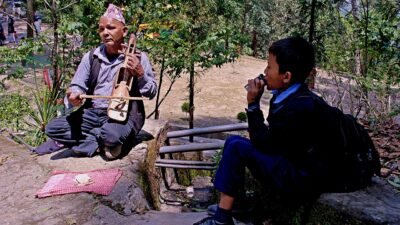
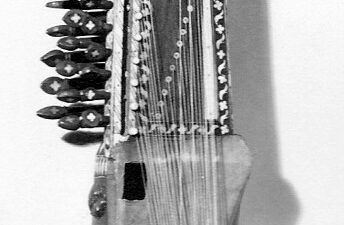
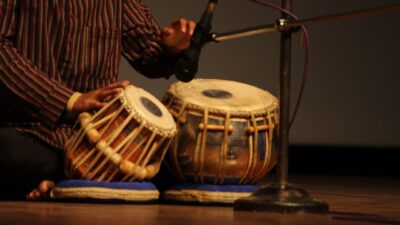
Roshan's composition for 'Tere Nainon Ne Chori Ki' demonstrates the qualities that would define his career: a preference for emotionally intimate melodic lines, a light but warm orchestration, and a deep sensitivity to the demands of the lyric. The melody is structured around a central swoop — a descending line that lands on 'chori ki' with a satisfying inevitability, as if the theft itself is completed in the melodic cadence. The orchestration is deliberately restrained: harmonium, sarangi, tabla, light strings — placing the entire emotional weight on Geeta Roy's voice. Geeta Roy responds with one of her most tender, unornamented performances: the intimacy of the lyric demands simplicity, and she delivers it absolutely.
काव्य The Poetry
शैलेन्द्र का बोल उर्दू शायरी की उस सबसे प्रिय कल्पना पर टिका है: महबूब की आँखें जो आशिक की नींद, चैन और होश चुरा लेती हैं। 'नैन' शब्द (ब्रज में आँख) उर्दू के 'निगाह' के बजाय इसे लोक-रोमांटिक परंपरा में रखता है। 'चोरी' का रूपक अद्भुत है: यह प्रेम में पड़ने की अनिवार्यता भी दर्शाता है (चोर से कोई नहीं बच सकता) और वह विरोधाभासी इच्छा भी कि यह चोरी होती रहे। शैलेन्द्र की महारत: गहरी बात को एकदम बातचीत जैसा बना देना।
अंग्रेज़ी में पढ़ें · Read in English
Shailendra's lyric is built on one of Urdu poetry's most beloved conceits: the eyes of the beloved as thieves who steal the lover's sleep, peace and sanity. The word 'nain' (Braj for eyes) instead of the more common 'aankhen' (Hindi) or 'nigaah' (Urdu) immediately places the song in the folk-romantic tradition rather than the formal ghazal register. The 'theft' metaphor is ingenious: it simultaneously captures the involuntary nature of falling in love (one cannot resist a thief) and the paradoxical desire that the theft continue indefinitely. Shailendra's genius is in making the profound feel utterly conversational.
कहानी The Story
'बावरे नैन' (1950) के निर्देशक किदार शर्मा हिंदी सिनेमा की सबसे विशिष्ट रचनात्मक हस्तियों में से एक थे। उन्होंने पहले राज कपूर, माधुबाला और दिलीप कुमार को लॉन्च किया था — और 'बावरे नैन' से निम्मी (नवाब बानो) को। संगीतकार रोशन (रोशन लाल नागरथ) इस फ़िल्म से पूर्णकालिक संगीत निर्देशक के रूप में अपनी पहचान बना रहे थे — और उन्होंने साबित किया कि वे धुन और भाव दोनों में माहिर हैं।
अंग्रेज़ी में पढ़ें · Read in English
Bawre Nain (1950) was directed by Kidar Sharma, one of the most distinctive creative personalities in Hindi cinema. Kidar Sharma had an extraordinary eye for talent — he had previously launched Raj Kapoor (in Neel Kamal, 1947) and Madhubala (in Neel Kamal, 1947) and Dilip Kumar (in Jwar Bhata, 1944). With Bawre Nain he launched Nimmi (Nawab Banoo), who would become one of the most popular actresses of the 1950s. Roshan (Roshan Lal Nagrath), meanwhile, was making one of his earliest appearances as a full-fledged music director, having previously assisted other composers. The film established his reputation for melodically inventive, emotionally nuanced compositions.
विरासत The Legacy
रोशन ने आगे 'बैजू बावरा' (1952) और 'ताजमहल' (1963) जैसे कुछ सबसे प्रिय साउंडट्रैक दिए। 'तेरे नैनों ने चोरी की' इस पूरी यात्रा की शुरुआत है — एक महान प्रतिभा की शांत, मनमोहक घोषणा। निम्मी का करियर भी इसी फ़िल्म से शुरू हुआ — और आने वाले दशक में वे हिंदी सिनेमा की एक अनूठी उपस्थिति बनीं।
अंग्रेज़ी में पढ़ें · Read in English
Roshan went on to score some of the most beloved soundtracks of the 1950s and 60s, including Baiju Bawra (1952) and Taj Mahal (1963), establishing a reputation as one of the Golden Era's most melodically sophisticated composers. 'Tere Nainon Ne Chori Ki' stands at the very beginning of this trajectory — a quiet, charming announcement of a major talent. Nimmi's career, launched in the same film, gave Hindi cinema one of its most distinctive presences in the coming decade. The song is regularly revived in retrospective compilations of Geeta Dutt's work and of Roshan's compositions.
वर्गीकरण
Classification- Tempo
- Medium
Genre
अन्य विवरण
More Details- Wikipedia: Roshan (composer) — https://en.wikipedia.org/wiki/Roshan_(composer)
- Wikipedia: Nimmi — https://en.wikipedia.org/wiki/Nimmi
- Wikipedia: Kidar Sharma — https://en.wikipedia.org/wiki/Kidar_Sharma
- Wikipedia: Bawre Nain (1950 film) — https://en.wikipedia.org/wiki/Bawre_Nain_(1950_film)
- Songs of Yore: Roshan retrospective — https://www.songsofyore.com
References
रोचक तथ्य
Margin Notesबावरे नैन (1950) का निर्देशन किदार शर्मा ने किया, जो इससे पहले राज कपूर, मधुबाला और दिलीप कुमार को फ़िल्मी दुनिया में ला चुके थे — बड़े सितारों की खोज का यह एक उल्लेखनीय रिकॉर्ड है।
अंग्रेज़ी में पढ़ें · Read in English
Bawre Nain (1950) was directed by Kidar Sharma, who had previously launched Raj Kapoor, Madhubala and Dilip Kumar — a remarkable record for discovering major stars.
निम्मी (नवाब बानो) ने लगभग सोलह वर्ष की आयु में बावरे नैन से पर्दे पर अपनी शुरुआत की और आगे चलकर 1950 के दशक की सबसे लोकप्रिय सितारों में से एक बनीं।
अंग्रेज़ी में पढ़ें · Read in English
Nimmi (Nawab Banoo) made her screen debut in Bawre Nain at approximately sixteen years of age and went on to become one of the 1950s' most popular stars.
रोशन (रोशन लाल नागरथ) बावरे नैन में एक प्रमुख संगीतकार के रूप में अपनी शुरुआती प्रस्तुतियों में से एक दे रहे थे — उनके आगामी करियर में बैजू बावरा (1952) और ताजमहल (1963) जैसी फ़िल्में शामिल रहीं।
अंग्रेज़ी में पढ़ें · Read in English
Roshan (Roshan Lal Nagrath) was making one of his earliest appearances as a principal music director in Bawre Nain — his later career would include Baiju Bawra (1952) and Taj Mahal (1963).
आँखों के लिए ब्रज शब्द 'नैन' शास्त्रीय और लोक भारतीय काव्य में जगह-जगह मिलता है, लेकिन इसमें एक विशेष आत्मीयता है जो अधिक प्रचलित शब्द 'आँखें' में नहीं मिलती।
अंग्रेज़ी में पढ़ें · Read in English
The Braj word 'nain' for eyes appears throughout classical and folk Indian poetry but carries a particular intimacy absent from the more common 'aankhen'.
शैलेन्द्र 1950 में एक साथ बरसात (राज कपूर) और बावरे नैन (किदार शर्मा) दोनों के लिए लिख रहे थे — उनकी विपुल रचनात्मकता का यह एक शुरुआती संकेत था।
अंग्रेज़ी में पढ़ें · Read in English
Shailendra was simultaneously writing for both Barsaat (Raj Kapoor) and Bawre Nain (Kidar Sharma) in 1950 — an early sign of his prolific output.
नमूना-पट्टी
The Specimen Table| शीर्षक | तेरे नैनों ने चोरी की · Tere Nainon Ne Chori Ki |
|---|---|
| वर्ष · युग | 1950 — Golden Era |
| गायक | Geeta Dutt |
| गीतकार | Shailendra |
| संगीतकार | रोशन |
| स्वरूप | एकल महिला |
| गति | मध्यम |
| अवधि | 3:00 |
| भाषा | Hindi · Urdu · Braj |
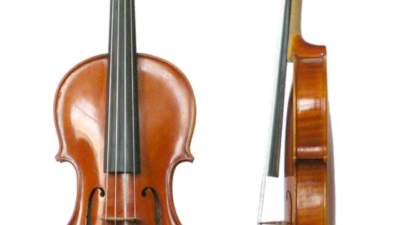
| वाद्य | harmonium · sarangi · tabla · violin |
| भाव | विरह · चुलबुला · रोमांटिक |
| लोकप्रियता | Very_popular |
| बोल-स्थिति | केवल झलक |
जुड़े हुए पन्ने
Connected Plates · The Graph Made Visibleअटलस में कोई पन्ना अकेला नहीं — इस गीत से जुड़े गीत, कलाकार, फ़िल्म, राग-ताल-विधा, सब यहाँ से खुलते हैं।
मिलते-जुलते गीत · Related Songs
कलाकार · The Artists
युग · The Era
साझा कीजिए · Share this Plate
यह पन्ना आगे बढ़ाइए
किदार शर्मा की नज़र एक कवि की थी: उन्होंने निम्मी को देखा और जाना — जैसे राज कपूर और माधुबाला को देखकर जाना था।
Kidar Sharma had the eye of a poet: he saw Nimmi and knew, the way he had seen Raj Kapoor and Madhubala and known.
— Film historian Bunny Reuben on Kidar Sharma's talent for discovering stars
सवाल-जवाब
Questions & Answersक्या 'बावरे नैन' (1950) रोशन की पहली फ़िल्म थी? · Was Bawre Nain (1950) Roshan's debut film?
'बावरे नैन' (1950) रोशन के पहले प्रमुख संगीत-निर्देशन के कार्यों में से एक था। आगे उन्होंने 'बैजू बावरा' (1952) और 'ताजमहल' (1963) जैसे महान साउंडट्रैक दिए।
Bawre Nain (1950) was among Roshan's earliest assignments as a principal music director. He went on to compose some of the Golden Era's most beloved scores including Baiju Bawra (1952) and Taj Mahal (1963), establishing himself as one of the most melodically sophisticated composers of his generation.
इस गीत में नैन/चोरी के रूपक का क्या अर्थ है? · What is the meaning of the nain/chori metaphor in this song?
'नैनों ने चोरी की' का रूपक उर्दू-हिंदी प्रेम-कविता की प्रिय परंपरा है: महबूब की आँखें इतनी मनमोहक हैं कि वे आशिक की नींद, चैन और होश चुरा लेती हैं। विरोधाभास — कि आशिक चाहता है यह चोरी जारी रहे — प्रेम में स्वेच्छा से हार जाने को पकड़ता है।
The 'nainon ne chori ki' (eyes committed theft) metaphor is a beloved device in Urdu-Hindi romantic poetry: the beloved's eyes are so captivating they 'steal' the lover's sleep, peace, and sanity. The paradox — that one wants the theft to continue — captures the voluntary surrender of falling in love.