गीत विंग · गीत-पट्टिका · Song Plate
तक़दीर से बिगड़ी हुई तदबीर बना ले
Taqdeer Se Bigdi Hui Tadbeer Bana Le
जब गीता दत्त ने यह गाया, तो वे कैबरे गाना नहीं गा रही थीं — एक घोषणापत्र पढ़ रही थीं।
भावतीव्र · दार्शनिक · विद्रोही
भाषाUrdu · Hindi गतिमध्यम स्वरूपएकल महिला
श्रेय
The Creditsबोल · The Lyrics
बोल — झलक · Lyrics Preview
जो टूटी हुई है वो शमशीर बना ले
Jo tooti hui hai vo shamsheer bana le
कॉपीराइट के कारण केवल झलक — पूरे बोल आधिकारिक मंचों पर।
शब्दकोश
Word Meaningsसूत्र-वाक्य · The Hook
सूत्र-वाक्य
जब गीता दत्त ने यह गाया, तो वे कैबरे गाना नहीं गा रही थीं — एक घोषणापत्र पढ़ रही थीं।
In EnglishWhen Geeta Dutt sang this, she wasn't performing a cabaret number — she was delivering a manifesto.
पट्टिका-लेख
The Monographपरिचय Overview
"तक़दीर से बिगड़ी हुई तदबीर बना ले" — 1951 की फ़िल्म 'बाज़ी' का वह दमदार गीत जिसने गुरु दत्त के निर्देशकीय पहले क़दम को अमर कर दिया। एस.डी. बर्मन का जैज़-रंजित संगीत, साहिर लुधियानवी की उर्दू-समृद्ध लेकिन दो-टूक कविता, और गीता दत्त की आवाज़ जिसमें एक ऐसी स्त्री की दृढ़ता है जो सब कुछ झेल चुकी है — तीनों मिलकर हिंदी फ़िल्म संगीत में एक नई भाषा गढ़ते हैं। कैबरे को अस्तित्ववादी बयान में बदलना — यह काम 1951 में केवल साहिर-बर्मन-गीता की तिकड़ी कर सकती थी।
अंग्रेज़ी में पढ़ें · Read in English
"Taqdeer Se Bigdi Hui Tadbeer Bana Le" is the electric cabaret number from Baazi (1951), directed by Guru Dutt in his directorial debut, with S.D. Burman's jazz-inflected composition, Sahir Ludhianvi's defiant Urdu-rich lyrics, and Geeta Dutt's imperious vocal performance for actress Geeta Bali. Released on HMV, this song marked the arrival of a new sensibility in Hindi film music: the cabaret as existentialist statement. S.D. Burman blended Western jazz elements — piano, trumpet — with Indian melodic instincts to create a sound that was simultaneously glamorous and melancholy. Sahir's poetic conceit is brilliant: if fate has ruined your plan, use the ruin itself to forge a new weapon. Geeta Dutt delivers the lines with the controlled confidence of a woman who has survived everything and is now speaking from the other side of suffering.
संगीत The Music
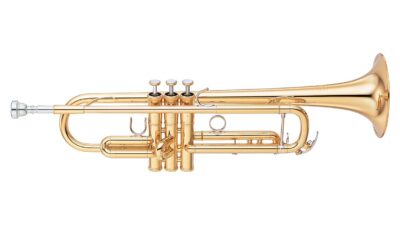
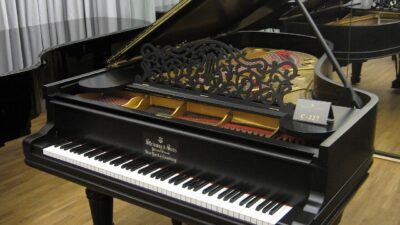
एस.डी. बर्मन का 1951 के लिए यह संगीत संयोजन आश्चर्यजनक रूप से आधुनिक है। पियानो-और-ट्रम्पेट का परिचय तुरंत नॉयर-कैबरे दुनिया का संकेत देता है, जबकि मुख्य धुन पश्चिमी हार्मोनिक ढाँचे और भारतीय अलंकरण के बीच झूलती है। गीता दत्त की आवाज़ में वह नियंत्रित दृढ़ता है जो उन्हें भारत की सबसे बेहतरीन नॉयर-कैबरे गायिका बनाती है। बर्मन ने यहाँ अपनी बंगाली लोक-जड़ों से दूर, पश्चिमी जैज़ की ओर कदम रखा — जो गुरु दत्त के हॉलीवुड-प्रभावित दृष्टिकोण से प्रेरित था।
अंग्रेज़ी में पढ़ें · Read in English
S.D. Burman's arrangement for this song is strikingly modern for 1951. The introduction features a piano-and-trumpet motif that signals the noir-cabaret world immediately, while the main melody moves between a Western harmonic framework and Indian ornamental flourishes. Geeta Dutt's voice is controlled and assertive, with the characteristic slightly husky quality that made her India's finest noir-cabaret singer of the era. Burman was known for drawing on his Bengali folk roots, but here he consciously embraces a Westernised sound — influenced by his exposure to jazz records and by the directorial vision of the young Guru Dutt, who was inspired by Hollywood crime films. The result is Hindi cinema's first genuinely noir musical moment.
काव्य The Poetry
साहिर लुधियानवी अपने सबसे तेज़ रूप में: 'तक़दीर' और 'तदबीर' की तुकबंदी और गूँज यह बताती है कि भाग्य और मानवीय प्रयास एक-दूसरे के दर्पण-प्रतिबिंब हैं — दोनों युद्धरत, दोनों अस्थायी। 'जो टूटी हुई है वो शमशीर बना ले' — यह पंक्ति साहिर के मार्क्सवादी-रोमानी दर्शन का सार है: हार से ही विद्रोह का हथियार बनाओ। एक कैबरे गीत में इतनी उर्दू-साहित्यिक सघनता 1951 में बिल्कुल असामान्य थी।
अंग्रेज़ी में पढ़ें · Read in English
Sahir Ludhianvi at his most lapidary: the central couplet operates on a double meaning where 'taqdeer' (fate) and 'tadbeer' (stratagem) rhyme and echo each other, underscoring that fate and human agency are mirror images — both at war, neither permanent. The image of turning a broken sword ('jo tooti hui hai vo shamsheer bana le') into a new weapon is Sahir at his most Marxist-romantic — defiance weaponized from defeat itself. The song's Urdu density was unusual for a cabaret number and gave it a literary weight that lifted it beyond mere entertainment.
कहानी The Story
1951 में जब गुरु दत्त ने 'बाज़ी' के निर्देशन की ज़िम्मेदारी उठाई, तो यह उनकी पहली फ़िल्म थी। वे साहिर और बर्मन के पास एक स्पष्ट दृष्टि लेकर गए: कैबरे दृश्य केवल मनोरंजन नहीं होगा, उसमें दार्शनिक भार होना चाहिए। हॉलीवुड के फ़िल्म नॉयर से प्रभावित गुरु दत्त चाहते थे कि गीत ही कहानी कहे। साहिर-बर्मन की जोड़ी ने यह चुनौती स्वीकार की और गीता दत्त — जो बाद में गुरु दत्त की जीवनसंगिनी बनीं — ने इसे अपनी आवाज़ दी।
अंग्रेज़ी में पढ़ें · Read in English
Baazi (1951) was conceived by Balraj Sahni... actually it was Guru Dutt's own script, written in collaboration with screenwriter Balraj Sahni and Sahir Ludhianvi. The film starred Dev Anand, Geeta Bali, and others in a story about a gambler who turns to crime to pay for his sister's medical treatment — a classic noir premise. Guru Dutt, who had studied dance and worked as a choreographer before directing, had a vision for the cabaret sequences that was influenced by American film noir. He asked Sahir and S.D. Burman to create something that was not just entertainment but had philosophical weight. The result was this song. Geeta Dutt — who would later marry Guru Dutt — was already his favourite singer.
विरासत The Legacy
यह गीत हिंदी फ़िल्म संगीत में एक मील का पत्थर है: पश्चिमी वाद्यों और उर्दू साहित्यिक गंभीरता का पहला वास्तविक नॉयर-कैबरे संयोजन। इसने उस 'उदास कैबरे' शैली का आधार रखा जो बाद में 'प्यासा' और 'कागज़ के फूल' में दिखी। गीता दत्त का यहाँ प्रदर्शन इस शैली के लिए आधारभूत था। प्रगतिशील कविता और लोकप्रिय सिनेमा की चर्चाओं में साहिर के इन गीतों का हमेशा उल्लेख होता है।
अंग्रेज़ी में पढ़ें · Read in English
This song is remembered as a landmark in Hindi film music: the first truly noir-cabaret number that combined Western instrumentation with Urdu literary seriousness. It established the template for the later 'sad cabaret' songs that would appear in Guru Dutt's films like Pyaasa and Kaagaz Ke Phool. Geeta Dutt's performance here was foundational for the genre. Sahir's lyrics for this song are frequently cited in discussions of progressive poetry in popular Hindi cinema.
वर्गीकरण
Classification- Tempo
- Medium
Genre
अन्य विवरण
More Details- Wikipedia: Baazi (1951 film)
- Wikipedia: Guru Dutt
- Wikipedia: Geeta Dutt
- Wikipedia: Sahir Ludhianvi
- Hindi Film Geet Kosh Vol. 3 by Harmandir Singh Hamraaz
References
रोचक तथ्य
Margin Notesबाज़ी (1951) को व्यापक रूप से गुरु दत्त के शुरुआती करियर की सर्वश्रेष्ठ कृति माना जाता है, और यह उस नॉयर सौंदर्यशास्त्र की शुरुआत थी जिसे उन्होंने बाद में प्यासा (1957) और कागज़ के फूल (1959) में विकसित किया।
अंग्रेज़ी में पढ़ें · Read in English
Baazi (1951) is widely regarded as Guru Dutt's finest early work and the beginning of the noir aesthetic he would develop into Pyaasa (1957) and Kaagaz Ke Phool (1959).
साहिर लुधियानवी और एस.डी. बर्मन का कार्य-संबंध जितना प्रसिद्ध था, व्यक्तिगत स्तर पर उतना ही उथल-पुथल भरा भी था; बाज़ी पर उनका सहयोग उनके सबसे उत्पादक सहयोगों में से एक रहा।
अंग्रेज़ी में पढ़ें · Read in English
Sahir Ludhianvi and S.D. Burman had a famous working relationship that was also personally turbulent; their collaboration on Baazi was one of their most productive.
कहा जाता है कि गीता दत्त और गुरु दत्त को बाज़ी के निर्माण के दौरान ही प्रेम हुआ था, जिससे यह फ़िल्म अपने कलात्मक महत्व से परे व्यक्तिगत रूप से भी विशेष बन गई।
अंग्रेज़ी में पढ़ें · Read in English
Geeta Dutt and Guru Dutt reportedly fell in love during the making of Baazi, making this film personally significant beyond its artistic importance.
'तक़दीर' शब्द स्वयं शीर्षक में ही आता है — एक दुर्लभ उदाहरण जहाँ किसी उर्दू दार्शनिक अवधारणा को किसी लोकप्रिय फ़िल्मी गीत के शीर्षक में प्रमुखता दी गई हो।
अंग्रेज़ी में पढ़ें · Read in English
The word 'taqdeer' appears in the very title, a rare case of an Urdu philosophical concept being foregrounded in a popular film song title.
नमूना-पट्टी
The Specimen Table| शीर्षक | तक़दीर से बिगड़ी हुई तदबीर बना ले · Taqdeer Se Bigdi Hui Tadbeer Bana Le |
|---|---|
| वर्ष · युग | 1951 — Golden Era |
| गायक | Geeta Dutt |
| गीतकार | Sahir Ludhianvi |
| संगीतकार | S.D. Burman |
| स्वरूप | एकल महिला |
| गति | मध्यम |
| अवधि | 3:30 |
| भाषा | Urdu · Hindi |
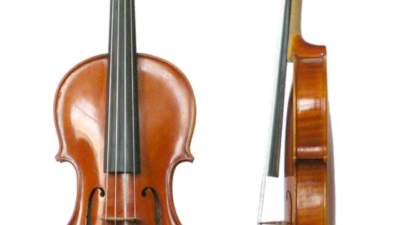
| वाद्य | violin · tabla · trumpet · piano |
| भाव | तीव्र · दार्शनिक · विद्रोही |
| लोकप्रियता | Very_popular |
| बोल-स्थिति | केवल झलक |
जुड़े हुए पन्ने
Connected Plates · The Graph Made Visibleअटलस में कोई पन्ना अकेला नहीं — इस गीत से जुड़े गीत, कलाकार, फ़िल्म, राग-ताल-विधा, सब यहाँ से खुलते हैं।
मिलते-जुलते गीत · Related Songs
कलाकार · The Artists
युग · The Era
साझा कीजिए · Share this Plate
यह पन्ना आगे बढ़ाइए
साहिर ने कैबरे को विवेक दिया; गीता दत्त ने उसे आत्मा।
Sahir gave the cabaret a conscience; Geeta Dutt gave it a soul.
— Music writer's observation on the Baazi soundtrack
सवाल-जवाब
Questions & Answersतक़दीर से बिगड़ी हुई तदबीर किस फ़िल्म का गीत है? · Which film is Taqdeer Se Bigdi Hui Tadbeer from?
यह 1951 की फ़िल्म 'बाज़ी' का गीत है जो गुरु दत्त की पहली निर्देशित फ़िल्म थी, जिसमें देव आनंद और गीता बाली हैं।
It is from Baazi (1951), directed by Guru Dutt in his directorial debut, starring Dev Anand and Geeta Bali.
तक़दीर से बिगड़ी हुई किसने गाया? · Who sang Taqdeer Se Bigdi Hui?
गीता दत्त ने अभिनेत्री गीता बाली के लिए प्लेबैक गाया। संगीत एस.डी. बर्मन का था और गीत साहिर लुधियानवी के।
Geeta Dutt sang this song for actress Geeta Bali. S.D. Burman composed the music and Sahir Ludhianvi wrote the lyrics.