गीत विंग · गीत-पट्टिका · Song Plate
बचपन के दिन भुला न देना
Bachpan Ke Din Bhula Na Dena
बचपन के दो साथियों का सबसे दिल तोड़ने वाला सवाल — क्या तुम याद करते हो? — नौशाद की सबसे टीसने वाली धुन में।
भावमीठा-कड़वा · उदास · पुरानी यादें
भाषाUrdu · Hindi गतिधीमी स्वरूपयुगल
श्रेय
The Creditsबोल · The Lyrics
बोल — झलक · Lyrics Preview
चाहे कुछ भी हो जाए
Chaahe kuch bhi ho jaaye
कॉपीराइट के कारण केवल झलक — पूरे बोल आधिकारिक मंचों पर।
शब्दकोश
Word Meaningsसूत्र-वाक्य · The Hook
सूत्र-वाक्य
बचपन के दो साथियों का सबसे दिल तोड़ने वाला सवाल — क्या तुम याद करते हो? — नौशाद की सबसे टीसने वाली धुन में।
In EnglishThe most heartbreaking question two childhood sweethearts can ask each other — do you remember? — set to Naushad's most aching melody.
पट्टिका-लेख
The Monographपरिचय Overview
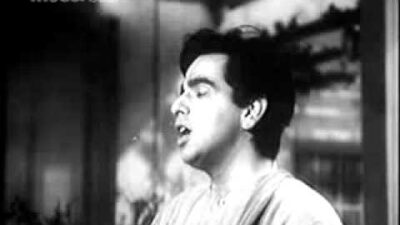
'दीदार' (1951) के नौशाद के अतुलनीय संगीत का एक उज्ज्वल नगीना है 'बचपन के दिन भुला न देना'। निर्देशक नितिन बोस की इस त्रासद प्रेम-कहानी में दिलीप कुमार और नरगिस के लिए लता मंगेशकर और मोहम्मद रफ़ी की आवाज़ें मिलकर एक ऐसी अनुभूति देती हैं जो सुनने वाले को वर्षों पहले छूट गए बचपन में वापस ले जाती है। शकील बदायूँनी के सरल किंतु गहरे शब्द, भैरवी की छाया में बनी धीमी धुन, और नौशाद के सारंगी-वायलिन का संयोजन — सब मिलकर एक ऐसी कृति बनाते हैं जो 1951 के सर्वश्रेष्ठ गीतों में गिनी जाती है।
अंग्रेज़ी में पढ़ें · Read in English
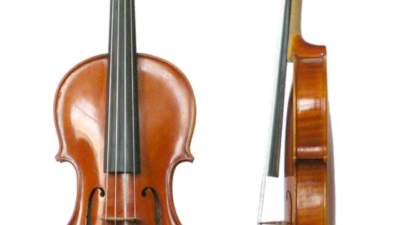
"Bachpan Ke Din Bhula Na Dena" is the deeply nostalgic duet from Naushad's landmark soundtrack for Deedar (1951), a melodramatic romance directed by Nitin Bose starring Dilip Kumar and Nargis. Sung by Lata Mangeshkar and Mohammad Rafi with Shakeel Badayuni's achingly simple lyrics, the song is built on a Bhairavi-inflected slow melody supported by sarangi and violin — Naushad's signature orchestrational choices. Released on HMV, the song captures the tragedy at the heart of Deedar: two childhood sweethearts separated by fate who carry each other's memory through their adult lives. Naushad's classical training is evident in every phrase — the sarangi lines are not decorative but structurally essential, carrying the emotional weight between vocal lines. Deedar's soundtrack, of which this was a highlight, was among the most critically admired of 1951.
संगीत The Music
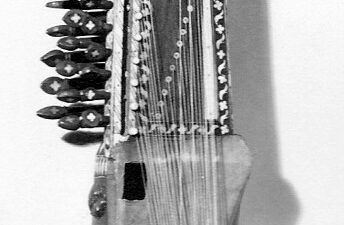
नौशाद अली की इस रचना में उनकी वह विशेषता दिखती है जो उन्हें अपने समकालीनों से अलग करती थी: शास्त्रीय हिंदुस्तानी संगीत को फ़िल्म-संगीत में इस तरह घोलना कि वह सुगम भी रहे और गहरा भी। गीत की शुरुआत एक सारंगी की अगुआई में होती है — लगभग एक आलाप — जो भैरवी-रंजित विलाप का स्वर बाँधती है। लखनऊ के शास्त्रीय उस्तादों से पढ़े नौशाद यह सुनिश्चित करते थे कि सबसे सरल फ़िल्मी गीत भी एक उच्च संगीत-स्तर पर काम करे। मोहम्मद रफ़ी यहाँ असाधारण रूप से संयमित हैं — लता की कोमल, अंतरंग गायकी के साथ ऐसे चलते हैं जैसे दो पुराने साथी साथ याद कर रहे हों।
अंग्रेज़ी में पढ़ें · Read in English
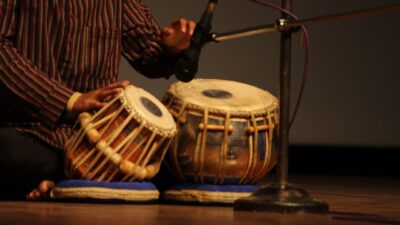
Naushad Ali's approach to this composition exemplifies his method of integrating classical Hindustani elements into film music without losing accessibility. The song opens with a sarangi-led introduction — itself almost an aalap — that sets the tone of Bhairavi-tinged lament before the vocal begins. Naushad was trained under classical masters in Lucknow and brought that lineage to his film compositions, ensuring that even a simple film song operated at a higher musical standard. The tabla rhythm is subdued, never asserting itself, allowing the voice and strings to carry the emotional burden. Mohammad Rafi's voice here is notably restrained compared to his more ornate work in other contexts — he matches Lata's gentle, intimate delivery, creating a conversational intimacy appropriate to two people sharing private memories.
काव्य The Poetry
शकील बदायूँनी के शब्दों की शक्ति उनकी सरलता में है। 'बचपन के दिन भुला न देना' — यह वाक्य इतना सार्वभौमिक है कि हर सुनने वाला अपनी ख़ुद की यादें इस पर चस्पाँ कर लेता है। कोई जटिल रूपक नहीं, कोई साहित्यिक चमत्कार नहीं — बस एक इंसान का दूसरे से सीधा आग्रह: याद रखो। उर्दू का स्वर हल्का और सुलभ है। शकील जानते थे कि त्रासदी के लिए सबसे प्रभावी भाषा वही है जो सबसे पारदर्शी हो।
अंग्रेज़ी में पढ़ें · Read in English
Shakeel Badayuni's lyrics achieve their power through radical simplicity. The phrase 'bachpan ke din bhula na dena' (don't forget the days of childhood) is so universal that every listener maps their own memories onto it. There is no elaborate metaphor, no literary flourish — just the direct voice of one person to another: remember. The Urdu register is light, accessible, with 'bachpan' and 'din' being common Hindi-Urdu words familiar to all. Shakeel understood that for tragedy, the most effective language is the most transparent.
कहानी The Story
दीदार (1951) स्वर्ण युग के सर्वश्रेष्ठ त्रासद मेलोड्रामाओं में से एक थी। फ़िल्म में दिलीप कुमार एक नेत्रहीन व्यक्ति का किरदार निभाते हैं जिसे आँखें मिलती हैं तो पता चलता है कि उनकी बचपन की प्रेमिका का विवाह हो गया है। निर्देशक नितिन बोस ने दिलीप कुमार के 'ट्रेजेडी किंग' व्यक्तित्व को परिभाषित करने में मदद की। नौशाद ने पूरे संगीत की रचना शास्त्रीय सुचिंतितता से की — हर गीत के राग-उपचार के लिए शास्त्रीय संगीतकारों से परामर्श किया। इस युगल के लिए उन्होंने शकील के साथ मिलकर सुनिश्चित किया कि गीत दृश्य के सटीक भावनात्मक स्तर पर हो।
अंग्रेज़ी में पढ़ें · Read in English
Deedar (1951) was one of the most important tearjerker melodramas of the Golden Era. The film starred Dilip Kumar as a blind man who recovers his sight only to discover that his childhood beloved has married another. Directed by Nitin Bose, the film gave Dilip Kumar one of his defining 'tragedy king' roles. Naushad composed the entire soundtrack with characteristic care, consulting classical musicians for the correct raag treatment of each song. For this duet, he reportedly worked closely with Shakeel to ensure the lyric matched the exact emotional register of the scene — not overtly tragic but filled with the ache of anticipated loss.
विरासत The Legacy
दीदार का संगीत — और यह गीत विशेष रूप से — नौशाद की सर्वोत्तम कृतियों में गिना जाता है। इस युगल-गीत में लता-रफ़ी की जोड़ी ने एक ऐसा आदर्श स्थापित किया जो अगले दो दशकों के युगल-गीतों के लिए मानक बना। हिंदी फ़िल्म इतिहास के सबसे सुंदर युगलों की हर सूची में यह गीत अनिवार्य रूप से मिलता है।
अंग्रेज़ी में पढ़ें · Read in English
Deedar's soundtrack, including this song, is considered one of Naushad's finest achievements. The film won several Filmfare Awards (the first Filmfare ceremony was in 1954, covering films of 1953, so 1951 films were not eligible for early Filmfare Awards, but Deedar was widely acclaimed by critics). The Lata-Rafi pairing in duets of this kind became one of the most powerful formulas in Indian film music, and this song is a foundational example. It is regularly featured in compilations of the most beautiful duets in Hindi film history.
वर्गीकरण
Classification- Tempo
- Slow
Genre
अन्य विवरण
More Details- Wikipedia: Deedar (1951 film)
- Wikipedia: Naushad
- Wikipedia: Shakeel Badayuni
- Hindi Film Geet Kosh Vol. 3 by Harmandir Singh Hamraaz
- Saregama official catalog
References
रोचक तथ्य
Margin Notesदीदार (1951) को दिलीप कुमार के सर्वश्रेष्ठ अभिनयों में से एक माना जाता है, जिसने हिंदी सिनेमा के 'ट्रेजेडी किंग' के रूप में उनकी पहचान को और मज़बूत किया।
अंग्रेज़ी में पढ़ें · Read in English
Deedar (1951) is considered one of Dilip Kumar's finest performances, cementing his identity as the 'Tragedy King' of Hindi cinema.
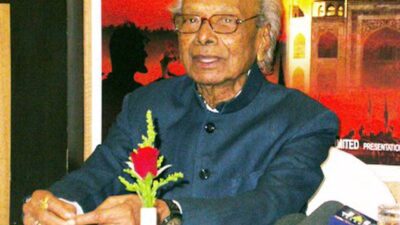
नौशाद जीवंत वादकों के साथ रिकॉर्डिंग करने और कम से कम ओवरडबिंग पर अपने आग्रह के लिए जाने जाते थे — यह अभ्यास उनके गीतों को एक गर्माहट और सहज गुणवत्ता प्रदान करता था।
अंग्रेज़ी में पढ़ें · Read in English
Naushad was known for his insistence on recording with live musicians and minimal overdubbing — a practice that gave his songs a warmth and organic quality.
शक़ील बदायूनी उन गिने-चुने गीतकारों में से एक थे जो उच्च साहित्यिक उर्दू और सरल, सुगम हिंदी-उर्दू दोनों में समान दक्षता से काम कर सकते थे — यह गीत उनके इस दूसरे स्वर को दर्शाता है।
अंग्रेज़ी में पढ़ें · Read in English
Shakeel Badayuni was one of the few lyricists who could work with equal facility in both highly literary Urdu and simple accessible Hindi-Urdu — this song demonstrates the latter register.
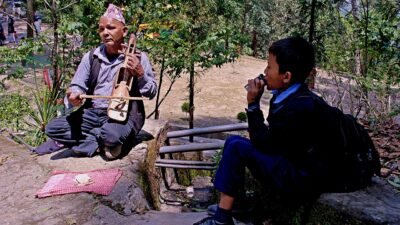
सारंगी वादक उस्ताद आशिक़ अली ख़ान, जिन्होंने नौशाद के साथ व्यापक रूप से काम किया, उस दौर के सबसे उत्कृष्ट सारंगी उस्तादों में से एक थे।
अंग्रेज़ी में पढ़ें · Read in English
The sarangi player Ustad Aashiq Ali Khan, who worked extensively with Naushad, was one of the finest sarangi virtuosos of the era.
नमूना-पट्टी
The Specimen Table| शीर्षक | बचपन के दिन भुला न देना · Bachpan Ke Din Bhula Na Dena |
|---|---|
| वर्ष · युग | 1951 — Golden Era |
| गायक | Lata Mangeshkar, Mohammed Rafi |
| गीतकार | Shakeel Badayuni |
| संगीतकार | Naushad |
| स्वरूप | युगल |
| गति | धीमी |
| अवधि | 4:05 |
| भाषा | Urdu · Hindi |
| वाद्य | sarangi · violin · tabla · harmonium |
| भाव | मीठा-कड़वा · उदास · पुरानी यादें |
| लोकप्रियता | Very_popular |
| बोल-स्थिति | केवल झलक |
जुड़े हुए पन्ने
Connected Plates · The Graph Made Visibleअटलस में कोई पन्ना अकेला नहीं — इस गीत से जुड़े गीत, कलाकार, फ़िल्म, राग-ताल-विधा, सब यहाँ से खुलते हैं।
मिलते-जुलते गीत · Related Songs
कलाकार · The Artists
युग · The Era
साझा कीजिए · Share this Plate
यह पन्ना आगे बढ़ाइए
नौशाद ने ध्वनि के गिरजाघर बनाए; यह गीत उनकी सबसे अंतरंग छोटी शरणस्थली है।
Naushad built cathedrals of sound; this song is one of his most intimate chapels.
— Music critic on Naushad's range
सवाल-जवाब
Questions & Answersबचपन के दिन भुला न देना किसने गाया? · Who sang Bachpan Ke Din Bhula Na Dena?
यह युगल लता मंगेशकर और मोहम्मद रफ़ी ने गाया, 1951 की फ़िल्म दीदार के लिए। संगीत नौशाद का था और गीत शकील बदायूँनी के।
The duet was sung by Lata Mangeshkar and Mohammad Rafi for the film Deedar (1951), directed by Nitin Bose. Naushad composed the music and Shakeel Badayuni wrote the lyrics.
दीदार (1951) की कहानी क्या है? · What is the story of Deedar (1951)?
दीदार एक त्रासद प्रेम-कहानी है जिसमें बचपन में अंधा एक व्यक्ति जवान होकर आँखें पाता है, लेकिन तब जान पाता है कि उसकी बचपन की प्रेमिका का विवाह हो चुका है। दिलीप कुमार मुख्य भूमिका में हैं।
Deedar is a tragic romance in which a man who was blind in childhood regains his sight as an adult, only to find that his childhood beloved has married someone else. Dilip Kumar plays the lead.