गीत विंग · गीत-पट्टिका · Song Plate
बाबूजी धीरे चलना
Babuji Dheere Chalna
गीता दत्त की सबसे जानकार मुस्कान को संगीत में ढाला गया — एक स्त्री की चेतावनी उस मर्द को जिसने उसका दीया जलाया।
भावछेड़-छाड़ · चुलबुला · Warning
भाषाHindi · Urdu गतिमध्यम स्वरूपएकल महिला
श्रेय
The Creditsबोल · The Lyrics
बोल — झलक · Lyrics Preview
प्यार में ज़रा सँभलना
दिल का दिया जला के
जाना अँधेरे में न जाना
pyaar mein zara sambhalna
dil ka diya jala ke
jaana andhere mein na jaana
कॉपीराइट के कारण केवल झलक — पूरे बोल आधिकारिक मंचों पर।
शब्दकोश
Word Meaningsसूत्र-वाक्य · The Hook
सूत्र-वाक्य
गीता दत्त की सबसे जानकार मुस्कान को संगीत में ढाला गया — एक स्त्री की चेतावनी उस मर्द को जिसने उसका दीया जलाया।
In EnglishGeeta Dutt's most knowing smile set to music — a woman's warning to the man who's lit her lamp.
पट्टिका-लेख
The Monographपरिचय Overview
'बाबूजी धीरे चलना' 1954 की 'आर पार' के ऐतिहासिक साउंडट्रैक का सबसे चमकदार रत्न है — गीता दत्त की आत्मविश्वास भरी, शरारती चेतावनी-गीत, ओ.पी. नय्यर के उत्साहपूर्ण, कैबरे-रंगे संगीत और मजरूह सुल्तानपुरी के उत्कृष्ट उर्दू शब्द-खेल के साथ। साथी गीत 'कहीं पे निगाहें' की पुरुष-दृष्टि वाली छेड़छाड़ के विपरीत, यह गीत स्त्री को ऊपरी पायदान पर रखता है — वह उस सज्जन को चेताती है जो उसके दिल का दीया जलाकर अँधेरे में गायब हो जाना चाहता है। गीता दत्त की आवाज़ — गर्म, जानकार और चुलबुली — इस स्वर के लिए अद्वितीय थी और यह गीत 'आर पार' का सबसे प्रिय क्षण बन गया।
अंग्रेज़ी में पढ़ें · Read in English
"Babuji Dheere Chalna" is the jewel of Aar Paar's (1954) landmark soundtrack — a flirtatious warning-song delivered by Geeta Dutt with breathtaking assurance, set to O.P. Nayyar's ebullient, cabaret-tinged orchestration and Majrooh Sultanpuri's pitch-perfect Urdu wit. Unlike the male-gaze flirtation of the companion song "Kahin Pe Nigahein," this number gives the woman the upper hand: she cautions the gentleman not to light her heart's lamp and then disappear into the dark. Geeta Dutt's voice — warm, knowing and playfully sharp — was uniquely suited to this tone, and the recording became one of Aar Paar's most celebrated moments. Released on HMV, the song placed consistently high on Binaca Geetmala and remains one of Geeta Dutt's most beloved performances.
संगीत The Music
'बाबूजी धीरे चलना' के लिए ओ.पी. नय्यर की रचना उनकी उस प्रतिभा का प्रमाण है जो एक ऐसी धुन बना सकती थी जो पूरी तरह आधुनिक होने के साथ-साथ तुरंत कंठस्थ हो जाए। गीत की शुरुआत एक पीतल-वाद्य की आकृति से होती है जो तुरंत कैबरे / डान्स-हॉल की दुनिया बना देती है — कोई शास्त्रीय परंपरा नहीं। लय एक उत्साहपूर्ण मध्यम गति की चाल है — फ़ॉक्सट्रॉट और बम्बई की सड़क की धुन के बीच कुछ। गीता दत्त का स्वर इसके ऊपर असाधारण सहजता से सवार होता है — धीमे जानकार स्वरों से चमकदार ऊँचाई तक बिना किसी तनाव के। नय्यर ने गीता दत्त की आवाज़ को रफ़ी की तरह समझा — एक ऐसे वाद्य की तरह जो गर्माहट और धार एक साथ ले जा सकती है।
अंग्रेज़ी में पढ़ें · Read in English
O.P. Nayyar's composition for 'Babuji Dheere Chalna' showcases his gift for creating melody that sounds both utterly modern and deeply hummable. The song opens with a brass figure that immediately signals cabaret/dance-hall rather than any classical tradition, establishing the song's irreverent, night-out atmosphere. The rhythm is a buoyant mid-tempo groove — something between a foxtrot and a local Bombay street beat — that invites physical movement without demanding it. Geeta Dutt's vocal line rides above this with tremendous ease: she commands the full texture from knowing low tones to bright high accents without ever sounding strained. Nayyar understood Geeta Dutt's voice the way he understood Rafi's — as an instrument that could carry both warmth and edge simultaneously. The arrangement's playful brass fills between vocal phrases give the song a conversation-like quality, as if the orchestra itself is agreeing with her warning.
काव्य The Poetry
'बाबूजी धीरे चलना' के लिए मजरूह सुल्तानपुरी की रचना उनकी सर्वश्रेष्ठ हास्य-रोमांटिक कविताओं में से एक है। विचार सरलता से सुंदर है: 'बाबूजी' — जिन्हें संबोधित किया जा रहा है — को धीमा चलने, प्यार में सावधान रहने की चेतावनी दी जाती है — क्योंकि उन्होंने उसके दिल का दीया जला दिया है, और अगर वे अभी चले जाते हैं तो वह अँधेरे में रह जाएगी। दीये / रोशनी की कल्पना प्रेम से जगाए दिल की एक पारंपरिक रूपावली है, लेकिन सुल्तानपुरी उसे समकालीन, सड़क-चालाक मोड़ देते हैं। 'बाबूजी' संबोधन खुद कई परतें लिए हुए है — आदरपूर्ण और हल्का मज़ाकिया एक साथ।
अंग्रेज़ी में पढ़ें · Read in English
Majrooh Sultanpuri's lyric for 'Babuji Dheere Chalna' is one of his most celebrated comic-romantic compositions. The conceit is elegantly simple: 'Babuji' (the gentleman being addressed) is warned to slow down, to be careful in love — because he has already lit the lamp of her heart, and if he leaves now, he will abandon her in darkness. The lamp/light imagery (दीया, दीप, रोशनी) serves as a traditional metaphor for the heart lit by desire, but Sultanpuri gives it a contemporary, street-smart spin. The song's 'warning' is both genuine and a tease — the woman is clearly enjoying delivering it. The address 'Babuji' itself carries layers: respectful but also slightly mocking, as if she is both taking him seriously and laughing at him.
कहानी The Story
'आर पार' ने गीता दत्त को — जो 1954 तक पार्श्वगायन में स्थापित थीं लेकिन लता मंगेशकर की ऊँचाई तक नहीं पहुँची थीं — उनकी कुछ सबसे समृद्ध रचनाएँ दीं। ओ.पी. नय्यर ने कभी लता मंगेशकर से नहीं गवाया; 'आर पार' में स्त्री-आवाज़ के लिए उन्होंने गीता दत्त और शमशाद बेगम को चुना और दोनों के लिए उनकी आवाज़ की विशेषताओं के अनुरूप रचनाएँ बनाईं। 'बाबूजी धीरे चलना' गीता दत्त की आवाज़ की गर्माहट, जानकारपन और शरारती उपांत को ध्यान में रखकर लिखा गया था।
अंग्रेज़ी में पढ़ें · Read in English
Aar Paar gave Geeta Dutt — by 1954 well established as a playback singer but not yet at the superstar level of Lata Mangeshkar — some of her richest material. O.P. Nayyar, famously, never used Lata Mangeshkar in his films; for Aar Paar's female voices he turned to Geeta Dutt and Shamshad Begum, giving both singers compositions perfectly calibrated to their individual tonal qualities. 'Babuji Dheere Chalna' was written for Geeta's particular voice — its warmth, its knowing quality, its ability to carry playful subtext. The song's on-screen picturisation in a mujra-like setting gave Shyama one of her most remembered film moments. The recording session is said to have produced the final version quickly, with Geeta Dutt's natural ease in the song's tone requiring few takes.
विरासत The Legacy
'बाबूजी धीरे चलना' गीता दत्त के सिग्नेचर गीतों में से एक और हिंदी फ़िल्म भंडार में सबसे प्रिय स्त्री-छेड़छाड़ रचनाओं में से एक के रूप में जीवित है। यह गीत गीता दत्त के हर बड़े पूर्वावलोकन में शामिल होता है और उन प्रमुख गीतों में है जिनके माध्यम से नई पीढ़ियाँ उनकी आवाज़ की खोज करती हैं। गीत की बुद्धिमत्ता, उसकी स्त्री-स्वायत्तता और चेतावनी व मोहकता का वह मेल उसे एक कालजयिता देता है जो शुद्ध रोमांटिक गीत कम ही हासिल कर पाते हैं।
अंग्रेज़ी में पढ़ें · Read in English
"Babuji Dheere Chalna" endures as one of Geeta Dutt's signature songs and one of the most beloved flirtatious female numbers in the Hindi film repertoire. It has been featured in every major retrospective of Geeta Dutt's work and is one of the primary songs through which new generations discover her voice. The song's wit, its female agency and its tonal combination of warning and seduction gave it a timelessness that purely romantic songs rarely achieve. It continues to be covered, sampled and referenced in contemporary Indian popular culture.
वर्गीकरण
Classification- Tempo
- Medium
Genre
अन्य विवरण
More Details- Hindi Film Geet Kosh Vol. 3 (1954) — Har Mandir Singh 'Hamraaz'
- Wikipedia: Aar Paar (1954 film) — https://en.wikipedia.org/wiki/Aar_Paar_(1954_film)
- Wikipedia: Geeta Dutt — https://en.wikipedia.org/wiki/Geeta_Dutt
- Wikipedia: O.P. Nayyar — https://en.wikipedia.org/wiki/O._P._Nayyar
- Nasreen Munni Kabir, 'Guru Dutt: A Life in Cinema'
References
रोचक तथ्य
Margin Notesओ.पी. नैयर ने आजीवन लता मंगेशकर के साथ काम न करने की नीति बनाए रखी — यह हिंदी फ़िल्म संगीत के इतिहास के सबसे असामान्य रचनात्मक फ़ैसलों में से एक है। गीता दत्त और आशा भोसले उनकी प्रमुख महिला आवाज़ें थीं।
अंग्रेज़ी में पढ़ें · Read in English
O.P. Nayyar maintained a lifelong policy of not working with Lata Mangeshkar — one of the most unusual creative decisions in Hindi film music history. Geeta Dutt and Asha Bhosle were his primary female voices.
गीत में सीधे संबोधन के रूप में इस्तेमाल हुआ शब्द 'बाबूजी' अपने समय के हिसाब से थोड़ा धृष्ट माना जाता था — एक स्त्री का सार्वजनिक स्थान पर खुलेआम किसी पुरुष को संबोधित करना और छेड़ना।
अंग्रेज़ी में पढ़ें · Read in English
The word 'Babuji' — used as a direct address in the song — was considered mildly cheeky for its time, a woman openly addressing and teasing a man in a public space.
गीता दत्त (गुरु दत्त की पत्नी) ने इस दौर में अपने पति की कई फ़िल्मों के गीत रिकॉर्ड किए, जिससे एक असामान्य निजी-पेशेवर समीकरण बना और गुरु दत्त की फ़िल्मों में उनकी प्रस्तुतियों को अतिरिक्त भावनात्मक प्रामाणिकता मिली।
अंग्रेज़ी में पढ़ें · Read in English
Geeta Dutt (married to Guru Dutt) recorded many of her husband's films' songs in this period, creating an unusual personal-professional dynamic that gave her performances in Guru Dutt films an extra emotional authenticity.
The song's lamp imagery ('दिल का दीया जला के') became one of the most quoted lines in Hindi film lyric anthologies.
आर पार की सफलता ने ओ.पी. नैयर द्वारा संगीतबद्ध गुरु दत्त की फ़िल्मों की एक शृंखला शुरू की, जिसमें मिस्टर एंड मिसेज़ '55 (1955) और सी.आई.डी. (1956) शामिल हैं, जिनमें से हर एक ने यहाँ स्थापित ध्वनि-पहचान को आगे बढ़ाया।
अंग्रेज़ी में पढ़ें · Read in English
Aar Paar's success launched a series of O.P. Nayyar-composed Guru Dutt films including Mr. & Mrs. '55 (1955) and C.I.D. (1956), each building on the sonic identity established here.
नमूना-पट्टी
The Specimen Table| शीर्षक | बाबूजी धीरे चलना · Babuji Dheere Chalna |
|---|---|
| वर्ष · युग | 1954 — Golden Era |
| गायक | Geeta Dutt |
| गीतकार | Majrooh Sultanpuri |
| संगीतकार | O.P. Nayyar |
| स्वरूप | एकल महिला |
| गति | मध्यम |
| अवधि | circa 3:10 |
| भाषा | Hindi · Urdu |
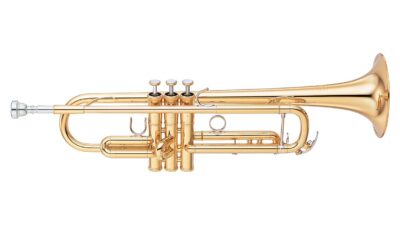
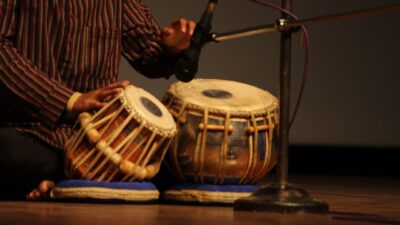
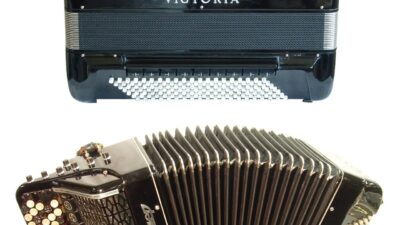
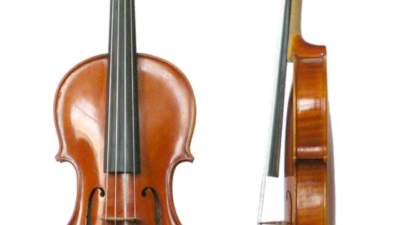
| वाद्य | trumpet · tabla · accordion · violin · dholak |
| भाव | छेड़-छाड़ · चुलबुला · Warning |
| लोकप्रियता | Legendary |
| बोल-स्थिति | केवल झलक |
जुड़े हुए पन्ने
Connected Plates · The Graph Made Visibleअटलस में कोई पन्ना अकेला नहीं — इस गीत से जुड़े गीत, कलाकार, फ़िल्म, राग-ताल-विधा, सब यहाँ से खुलते हैं।
मिलते-जुलते गीत · Related Songs
कलाकार · The Artists
युग · The Era
साझा कीजिए · Share this Plate
यह पन्ना आगे बढ़ाइए
'बाबूजी धीरे चलना' में गीता दत्त एक साथ चेतावनी दे रही हैं और बुला रही हैं। यही द्विधा इस गीत को शाश्वत बनाती है।
Geeta Dutt in 'Babuji Dheere Chalna' is a woman who is simultaneously warning you and inviting you. That duality is what makes it eternal.
— Film historian Nasreen Munni Kabir
सवाल-जवाब
Questions & Answers'बाबूजी धीरे चलना' किसने गाया? · Who sang Babuji Dheere Chalna?
1954 की फ़िल्म 'आर पार' (निर्देशक: गुरु दत्त) में गीता दत्त ने यह गीत पार्श्व गायन में गाया। संगीत ओ.पी. नय्यर का था और बोल मजरूह सुल्तानपुरी के।
Geeta Dutt sang this song as playback for the 1954 film Aar Paar, directed by Guru Dutt. Music was by O.P. Nayyar and lyrics by Majrooh Sultanpuri.
'बाबूजी धीरे चलना' का क्या अर्थ है? · What does 'Babuji dheere chalna' mean?
शाब्दिक अर्थ है 'साहब, धीरे चलो' — लेकिन गीत के सन्दर्भ में यह एक शरारती चेतावनी है: प्यार में सावधान रहो, क्योंकि तुमने मेरे दिल का दीया जला दिया है और अब अगर चले गए तो मैं अँधेरे में रह जाऊँगी। यह एक स्त्री की चतुर भावनात्मक ताक़त का दावा है।
Literally 'Mister, walk slowly' — but in the song's context it is a flirtatious warning: be careful in love, because you've already lit my heart's lamp and if you leave now, I'll be left in the dark. It is a woman's witty assertion of emotional power.