गीत विंग · गीत-पट्टिका · Song Plate
कहीं पे निगाहें कहीं पे निशाना
Kahin Pe Nigahein Kahin Pe Nishana
जिस गीत ने ओ.पी. नय्यर को रातों-रात सितारा बना दिया — निगाहें कहीं, निशाना कहीं।
भावछेड़-छाड़ · चुलबुला · रोमांटिक
भाषाUrdu · Hindi गतिMedium-Fast स्वरूपएकल पुरुष
श्रेय
The Creditsबोल · The Lyrics
बोल — झलक · Lyrics Preview
कहीं पे निगाहें कहीं पे निशाना
दिल का लगाना इसी को कहते हैं
दिल का लगाना
kahin pe nigahein kahin pe nishana
dil ka lagana isi ko kehte hain
dil ka lagana
कॉपीराइट के कारण केवल झलक — पूरे बोल आधिकारिक मंचों पर।
शब्दकोश
Word Meaningsसूत्र-वाक्य · The Hook
सूत्र-वाक्य
जिस गीत ने ओ.पी. नय्यर को रातों-रात सितारा बना दिया — निगाहें कहीं, निशाना कहीं।
In EnglishThe song that launched O.P. Nayyar into stardom — eyes looking one way, heart aiming another.
पट्टिका-लेख
The Monographपरिचय Overview
गुरु दत्त की 1954 की फ़िल्म 'आर पार' का गीत 'कहीं पे निगाहें कहीं पे निशाना' वह रचना है जिसने ओ.पी. नय्यर को हिंदी फ़िल्म संगीत में स्थापित किया। मोहम्मद रफ़ी की चुलबुली, सहज-शरारती प्रस्तुति — नय्यर की पीतल-वाद्य-प्रमुख पश्चिमी-नृत्य शैली और मजरूह सुल्तानपुरी के चमकते उर्दू शब्द-खेल पर टिकी — ने फ़िल्म गीत की संभावनाओं को नए सिरे से परिभाषित किया। HMV पर जारी यह गीत बिनाका गीतमाला पर सर्वाधिक बजने वाली रचनाओं में शुमार हुआ और 'आर पार' को स्वर्णिम युग के सर्वश्रेष्ठ एल्बमों में स्थान दिलाया।
अंग्रेज़ी में पढ़ें · Read in English
"Kahin Pe Nigahein Kahin Pe Nishana" from Guru Dutt's 1954 film Aar Paar stands as the breakthrough that announced O.P. Nayyar to Hindi film music. Mohammed Rafi's buoyant, effortlessly flirtatious delivery — shaped by Nayyar's brass-forward, Western-dance-influenced composition and Majrooh Sultanpuri's sparkling Urdu wordplay — redefined what a commercial film song could sound like. Released on the HMV label, the song became a blockbuster hit on Binaca Geetmala radio, cementing Aar Paar's place as one of the defining soundtracks of the Golden Era. Its quick, teasing rhythm and Rafi's confident swagger gave Guru Dutt's street-smart protagonist a musical identity that felt genuinely modern and irresistibly singable.
संगीत The Music
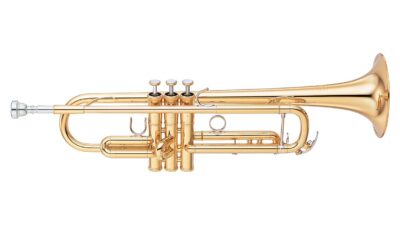
'आर पार' ओ.पी. नय्यर की वह फ़िल्म थी जिसने उन्हें पहचान दिलाई, और 'कहीं पे निगाहें' उनकी शुरुआती रचनाओं में सबसे विशिष्ट है। नय्यर का दृष्टिकोण उस दौर में क्रांतिकारी था: नौशाद और एस.डी. बर्मन के शास्त्रीय राग-केंद्रित ढाँचे से परे, उन्होंने अपना स्वर ट्रम्पेट, ट्रॉम्बोन जैसे पीतल-वाद्यों और जैज़-लैटिन ताल-शैली पर खड़ा किया। इस गीत में वह उछल-कूद, अकड़ और शरारत एक साथ है। सिंकोपेटेड लय पर रफ़ी की आवाज़ — जो 1954 में अपनी सर्वश्रेष्ठ लचक और आत्मविश्वास पर थी — चरित्र की खिलंदड़ी ढिठाई को पूरी तरह जीती है। यह शुद्ध, आनंदमय लोकप्रिय संगीत है जो उच्चतम शिल्प से बनाया गया है।
अंग्रेज़ी में पढ़ें · Read in English
Aar Paar was O.P. Nayyar's breakthrough film, and "Kahin Pe Nigahein" is perhaps his most defining early composition. Nayyar's approach was revolutionary for the time: he abandoned the dominant classical-raga framework of Naushad and S.D. Burman and instead built his sound around brass instruments — trumpets, trombones — and a Western dance-music sensibility absorbed from jazz and Latin rhythms. The result in this song is a composition that bounces, struts and teases. The upbeat, syncopated rhythm pattern gives Rafi an irresistible platform: his voice in 1954 was at its most supple and confident, and he inhabits the character's playful insolence with total ease. The orchestration is colourful and extrovert — brass stabs punctuate the lyric's wordplay, while strings provide a warm undercurrent. There is no pretension toward classical dignity here; this is pure, joyful popular music of the highest craft.
काव्य The Poetry
मजरूह सुल्तानपुरी की रचना शरारती उर्दू पेचीदगी का उत्कृष्ट नमूना है। मूल विचार — निगाहें एक तरफ़, निशाना दूसरी तरफ़ — एक फ़्लर्ट की क्लासिक मुद्रा को बेमिसाल संक्षिप्तता में पकड़ता है। 'दिल का लगाना इसी को कहते हैं' वह पंक्ति है जो एक मामूली खेल को प्यार की बुनियादी रणनीति का ऐलान बना देती है। सुल्तानपुरी उर्दू की समृद्ध शब्दावली — निगाह, निशाना, दिल लगाना — को अधिकतम आकर्षण के साथ बरतते हैं, बिना किसी भारीपन के।
अंग्रेज़ी में पढ़ें · Read in English
Majrooh Sultanpuri's lyric is a masterpiece of playful Urdu misdirection. The central conceit — eyes pointed one way, heart targeting another — captures the classic posture of the flirt with perfect economy. "दिल का लगाना इसी को कहते हैं" (this is what falling in love means) is the pay-off line that turns a trivial game into a declaration of love's essential strategy. Sultanpuri's diction is light-footed and witty, drawing on Urdu's rich vocabulary of the glance ('nigah'), the aim ('nishana') and the heart's attachments, but wielding them for maximum charm rather than weight.
कहानी The Story
'आर पार' गुरु दत्त की तीसरी फ़िल्म थी और पहली जो बड़े पैमाने पर व्यावसायिक सफलता तक पहुँची। दत्त ने अधिक स्थापित संगीतकारों को छोड़कर ओ.पी. नय्यर को चुना — उस वक्त वे नए थे — क्योंकि उनके गैर-शास्त्रीय, ताज़ा अंदाज़ ने दत्त को आकर्षित किया। फ़िल्म की कहानी — एक गैरेज मैकेनिक की जो अपराध और प्रेम की दुनिया में उलझ जाता है — ने नय्यर को एक शहरी, चालाक और संगीत की दृष्टि से वैश्विक साउंडट्रैक बनाने की छूट दी। 'कहीं पे निगाहें' की रिकॉर्डिंग सहजता से हुई और नय्यर-रफ़ी की यह जोड़ी आगे दशकों तक हिंदी संगीत की एक परिभाषित शक्ति बनी रही।
अंग्रेज़ी में पढ़ें · Read in English
Aar Paar was the third film Guru Dutt directed, and the first to break through to mass commercial success. Dutt hired O.P. Nayyar — then still a newcomer — over more established composers, reportedly attracted by Nayyar's brash, non-classical approach. The film's story of a garage mechanic who falls into the world of criminal seduction gave Nayyar license to create a soundtrack that was urban, street-smart and musically cosmopolitan. The recording of 'Kahin Pe Nigahein' reportedly went smoothly: Rafi was Nayyar's preferred male voice and the two developed a natural rapport that would define both their careers. The song's on-screen picturisation — with Guru Dutt in irresistible comedian mode — became one of the most quoted visual references of 1950s Hindi cinema.
विरासत The Legacy
'कहीं पे निगाहें' को उस गीत के रूप में याद किया जाता है जिसने ओ.पी. नय्यर के आगमन और हिंदी फ़िल्म संगीत में एक नई, पश्चिम-प्रभावित स्वर-शब्दावली की घोषणा की। इसकी सफलता ने सिद्ध किया कि तेज़ लय वाले, पीतल-वाद्य से भरपूर गीतों के लिए एक विशाल श्रोता-वर्ग मौजूद है जिसे शास्त्रीय परंपरा की ज़रूरत नहीं। यह गीत स्वर्णिम युग के संकलनों, रेडियो कार्यक्रमों और पूर्वावलोकनों में निरंतर उपस्थित रहा है और चुलबुले रोमांटिक गीत का आदर्श-स्वरूप बना हुआ है।
अंग्रेज़ी में पढ़ें · Read in English
"Kahin Pe Nigahein" is remembered as the song that announced the arrival of O.P. Nayyar and a new, Western-influenced sonic vocabulary in Hindi film music. Its success proved that there was a vast audience for uptempo, brass-driven popular songs that owed nothing to classical tradition. The song has been featured in countless compilations, radio programmes and retrospectives of Golden Era music and remains a template for the playfully flirtatious film song. Rafi's performance here is considered by critics as one of his definitive early recordings — youthful, confident and totally irresistible.
वर्गीकरण
Classification- Tempo
- Medium-Fast
Genre
अन्य विवरण
More Details- Hindi Film Geet Kosh Vol. 3 (1954) — Har Mandir Singh 'Hamraaz'
- Wikipedia: Aar Paar — https://en.wikipedia.org/wiki/Aar_Paar_(1954_film)
- Wikipedia: O.P. Nayyar — https://en.wikipedia.org/wiki/O._P._Nayyar
- Wikipedia: Majrooh Sultanpuri — https://en.wikipedia.org/wiki/Majrooh_Sultanpuri
- Nasreen Munni Kabir, 'Guru Dutt: A Life in Cinema' (2012)
References
रोचक तथ्य
Margin Notesओ.पी. नैयर ने अपनी किसी भी फ़िल्म में लता मंगेशकर का इस्तेमाल कभी नहीं किया, और वे आशा भोसले तथा गीता दत्त को प्राथमिकता देने के लिए प्रसिद्ध थे — 'आर पार' वह मील का पत्थर था जिसने इस असामान्य नीति की स्थापना की।
अंग्रेज़ी में पढ़ें · Read in English
O.P. Nayyar never used Lata Mangeshkar in any of his films, famously preferring Asha Bhosle and Geeta Dutt — 'Aar Paar' was the landmark that established this unusual policy.
आर पार में गुरु दत्त का ख़ुद को शरारती नायक के रूप में चुनना शुरू में एक जोखिम माना गया था; इस भूमिका में उनकी सफलता ने उन्हें निर्देशक की पहचान से आगे बढ़कर एक स्क्रीन आइकन के रूप में स्थापित किया।
अंग्रेज़ी में पढ़ें · Read in English
Guru Dutt's casting of himself as the roguish hero in Aar Paar was initially considered a gamble; his success in the role launched him as a screen icon beyond his identity as director.
आर पार का साउंडट्रैक फ़िल्म की रिलीज़ के साथ जान-बूझकर एलपी रिकॉर्ड के रूप में बाज़ार में उतारे जाने वाले शुरुआती उदाहरणों में से एक था, जो 'फ़िल्म एल्बम' की आधुनिक अवधारणा की ओर इशारा करता है।
अंग्रेज़ी में पढ़ें · Read in English
Aar Paar's soundtrack was among the first to be consciously marketed as an LP record alongside the film release, pointing toward the modern concept of a 'film album'.
मजरूह सुल्तानपुरी ने आर पार के सभी गीत लिखे थे और इस गीत में उनकी शब्द-क्रीड़ा को उनके सर्वश्रेष्ठ हास्य-रोमांटिक कार्यों में गिना जाता है।
अंग्रेज़ी में पढ़ें · Read in English
Majrooh Sultanpuri wrote all the lyrics for Aar Paar and his wordplay in this song is considered among his finest comic-romantic work.
गीत का केंद्रीय रूपक — आँखें छलावा और दिल असली हथियार — बाद के हिंदी फ़िल्मी गीत-लेखन में एक प्रिय प्रतिमान बन गया।
अंग्रेज़ी में पढ़ें · Read in English
The song's central metaphor — eyes as decoys, heart as the real weapon — became a beloved trope in subsequent Hindi film songwriting.
नमूना-पट्टी
The Specimen Table| शीर्षक | कहीं पे निगाहें कहीं पे निशाना · Kahin Pe Nigahein Kahin Pe Nishana |
|---|---|
| वर्ष · युग | 1954 — Golden Era |
| गायक | Mohammed Rafi |
| गीतकार | Majrooh Sultanpuri |
| संगीतकार | O.P. Nayyar |
| स्वरूप | एकल पुरुष |
| गति | Medium-Fast |
| अवधि | circa 3:15 |
| भाषा | Urdu · Hindi |
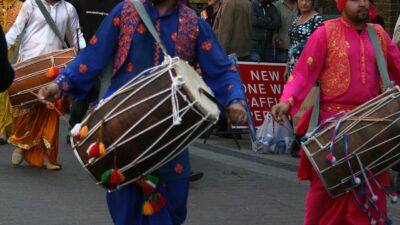
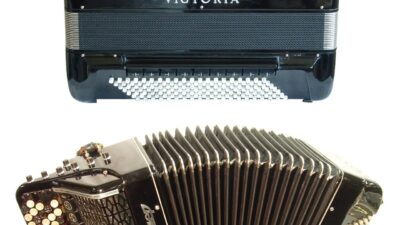
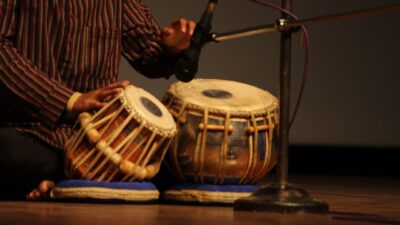
| वाद्य | dhol · trumpet · accordion · tabla · violin |
| भाव | छेड़-छाड़ · चुलबुला · रोमांटिक |
| लोकप्रियता | Legendary |
| बोल-स्थिति | केवल झलक |
जुड़े हुए पन्ने
Connected Plates · The Graph Made Visibleअटलस में कोई पन्ना अकेला नहीं — इस गीत से जुड़े गीत, कलाकार, फ़िल्म, राग-ताल-विधा, सब यहाँ से खुलते हैं।
मिलते-जुलते गीत · Related Songs
कलाकार · The Artists
युग · The Era
साझा कीजिए · Share this Plate
यह पन्ना आगे बढ़ाइए
ओ.पी. नय्यर ने पश्चिम से उधार नहीं लिया — उन्होंने जो उधार लिया उससे कुछ बिल्कुल नया बनाया।
O.P. Nayyar did not borrow from the West — he invented something new with what he borrowed.
— Music critic Nasreen Munni Kabir on Nayyar's style
सवाल-जवाब
Questions & Answers'कहीं पे निगाहें कहीं पे निशाना' किस फ़िल्म का गीत है? · What film is 'Kahin Pe Nigahein Kahin Pe Nishana' from?
यह गीत 1954 की फ़िल्म 'आर पार' का है, जिसे गुरु दत्त ने निर्देशित किया था। संगीत ओ.पी. नय्यर का था, बोल मजरूह सुल्तानपुरी के और आवाज़ मोहम्मद रफ़ी की।
The song is from Aar Paar (1954), directed by Guru Dutt, with music by O.P. Nayyar and lyrics by Majrooh Sultanpuri. Mohammed Rafi sang it as playback.
क्या 'आर पार' ओ.पी. नय्यर की पहली बड़ी सफलता थी? · Was Aar Paar O.P. Nayyar's first big hit?
'आर पार' (1954) को व्यापक रूप से वह फ़िल्म माना जाता है जिसने ओ.पी. नय्यर को एक प्रमुख संगीतकार के रूप में स्थापित किया। हालाँकि उन्होंने पहले कुछ छोटी फ़िल्में की थीं, यह उनकी पहली मुख्यधारा की ब्लॉकबस्टर सफलता थी।
Aar Paar (1954) is widely considered the film that established O.P. Nayyar as a major composer. While he had scored a few smaller films before, this was his first mainstream blockbuster success.
यह गीत अंताक्षरी में इतना लोकप्रिय क्यों है? · Why is this song so popular in antakshari?
The song starts with the letter 'क' (ka), has an instantly recognisable melody and playful lyrics that almost everyone knows at least the first two lines of — making it ideal for antakshari. Its medium-fast tempo also makes it easy and fun to sing.
यह गीत 'क' अक्षर से शुरू होता है, इसकी धुन तुरंत पहचानी जाती है और इसके बोल इतने लोकप्रिय हैं कि ज़्यादातर लोग कम-से-कम पहली दो पंक्तियाँ जानते हैं — इसलिए यह अंताक्षरी के लिए आदर्श है।