गीत विंग · गीत-पट्टिका · Song Plate
कहीं पे निगाहें कहीं पे निशाना
Kahin Pe Nigahen Kahin Pe Nishana
वह आपको देखती है और निशाना कहीं और साधती है — और आप फिर भी गिर जाते हैं। गीता दत्त को ठीक-ठीक पता था यह कैसे किया जाता है।
भावतीव्र · रहस्यमय · चुलबुला · रोमांटिक
भाषाUrdu · Hindi गतिमध्यम स्वरूपएकल महिला
श्रेय
The Creditsबोल · The Lyrics
बोल — झलक · Lyrics Preview
कहीं पे निगाहें कहीं पे निशाना
सितम है यही रे, यही है फ़साना
Kahin Pe Nigahen Kahin Pe Nishana
Sitam Hai Yahi Re, Yahi Hai Fasana
कॉपीराइट के कारण केवल झलक — पूरे बोल आधिकारिक मंचों पर।
शब्दकोश
Word Meaningsसूत्र-वाक्य · The Hook
सूत्र-वाक्य
वह आपको देखती है और निशाना कहीं और साधती है — और आप फिर भी गिर जाते हैं। गीता दत्त को ठीक-ठीक पता था यह कैसे किया जाता है।
In EnglishShe looks at you and aims at someone else — and you fall anyway. Geeta Dutt knew exactly how that was done.
पट्टिका-लेख
The Monographपरिचय Overview
राज खोसला निर्देशित 'सी.आई.डी.' (1956) का यह गीत गीता दत्त की सबसे प्रसिद्ध और मनमोहक रिकॉर्डिंग्स में से एक है — एक गीत जिसने भटकायी हुई नज़रों को स्त्री-शक्ति के दर्शन में बदल दिया। ओ.पी. नैयर ने इसे मुजरा परम्परा के अलंकरणीय मुरकियों को पश्चिमी केबरे ध्वनि के साथ मिलाकर रचा, और मजरूह सुल्तानपुरी ने असाधारण बुद्धिमत्ता और संक्षिप्तता के बोल लिखे। गीता दत्त को — जो इस छेड़छाड़ वाले स्वर में सबसे उज्ज्वल थीं — अपनी हस्ताक्षर प्रस्तुतियों में से एक मिली।
अंग्रेज़ी में पढ़ें · Read in English
"Kahin Pe Nigahen Kahin Pe Nishana" from CID (1956) is one of Geeta Dutt's most celebrated and seductive recordings — a song that made the art of misdirected desire into a philosophy of feminine power. Composed by O.P. Nayyar in a hybrid style that blends the ornamental flourishes of the mujra tradition with the Western cabaret sound he had mastered, and with lyrics by Majrooh Sultanpuri of extraordinary wit and concision, the song gave Geeta Dutt — always at her best in this flirtatious register — one of her signature performances. Released on HMV from the film CID directed by Raj Khosla, it remains one of the most imitated song styles in Hindi film history.
संगीत The Music
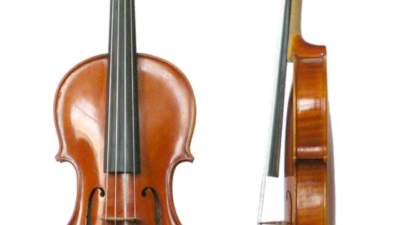
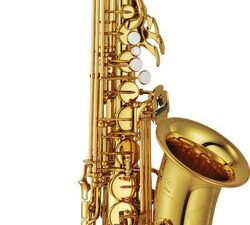
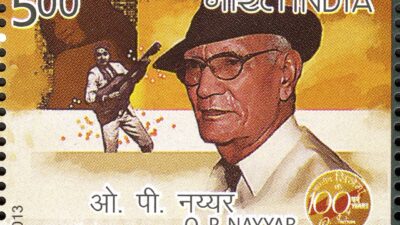
ओ.पी. नैयर की इस गीत में प्रतिभा उस निर्बाधता में है जिसके साथ वे ठुमरी-मुजरा अलंकरण परम्परा को पश्चिमी केबरे ताल-खंड के साथ जोड़ते हैं। गीत एक वायलिन प्रस्तावना से खुलता है जिसमें मुजरा महफ़िल की नियंत्रित कामुकता है, फिर सैक्सोफ़ोन आता है और दुनिया 1950 के दशक के बम्बई नाइटक्लब में बदल जाती है। गीता दत्त — जिनकी आवाज़ में स्वाभाविक रूप से एक खुरदरी, जानकारी वाली विशेषता थी — बिना किसी दरार के दोनों दुनियाओं में आती-जाती हैं।
अंग्रेज़ी में पढ़ें · Read in English
O.P. Nayyar's genius in this song is the seamlessness with which he fuses the thumri-mujra ornamentation tradition with a Western cabaret rhythm section. The song opens with a violin introduction that has the controlled sensuousness of a mujra mehfil, then the saxophone enters and the world shifts to a 1950s Bombay nightclub. Geeta Dutt — who had a naturally husky, knowing quality to her voice — navigates both worlds without any seam showing. The gamaks (oscillating ornaments) she deploys on 'nigahen' and 'nishana' are classically derived but sound effortlessly casual.
काव्य The Poetry
मजरूह का कल्पना-विधान — निगाहें यहाँ, निशाना वहाँ — मुजरा काव्य की मुखड़ा परम्परा जितना पुराना है, किन्तु वे इसे ऐसी तेज़ी से निभाते हैं कि ताज़ा लगता है। 'सितम' (ज़ुल्म/उत्पीड़न) का एक छेड़छाड़ भरी नज़र पर प्रयोग एक मज़ाकिया अतिशयोक्ति का सटीक माप है — क्लासिकल उर्दू ग़ज़ल की भाषा (जहाँ प्रेम को हमेशा उत्पीड़न और युद्ध के रूपों में वर्णित किया जाता है) को जानबूझकर आँख मारते हुए प्रयोग किया जाता है।
अंग्रेज़ी में पढ़ें · Read in English
Majrooh's conceit — eyes here, target there — is as old as the mukhda tradition of mujra poetry, but he executes it with a wit that makes it feel freshly discovered. The word 'sitam' (cruelty/oppression) applied to a coquette's glance is the perfect measure of playful hyperbole: it takes the language of classical Urdu ghazal (where love is always described in terms of oppression and war) and uses it with a knowing wink.
कहानी The Story
गीता दत्त और गुरु दत्त पति-पत्नी थे, और 'सी.आई.डी.' उन फ़िल्मों में से एक थी जिसमें गीता ने पार्श्वगायन किया — हालाँकि एक अन्य अभिनेत्री (शकीला) के लिए। ओ.पी. नैयर, जो उस समय अपनी नवाचारी ऊर्जा के शिखर पर थे, ने गीत रचा। नैयर और गीता दत्त के बीच इस काल में एक उत्पादक कार्यसम्बन्ध था और गीत उनकी समझदारी को दर्शाता है।
अंग्रेज़ी में पढ़ें · Read in English
Geeta Dutt and Guru Dutt were husband and wife, and CID was one of the films in which Geeta sang playback — though for a character played by another actress (Shakila). The song was composed by O.P. Nayyar, who was then at the peak of his innovative energy. Nayyar and Geeta Dutt had a productive working relationship in this period, and the song demonstrates their understanding: Nayyar would compose with full knowledge of how Geeta's voice would colour the ornaments he wrote in.
विरासत The Legacy
गीत की मूल छवि — निगाहें और निशाना अलग-अलग दिशाओं में — बॉलीवुड में स्त्री-शक्ति पर लेखन में सबसे अधिक उद्धृत की जाने वाली छवियों में से एक बन गई है। आशा भोसले, कविता कृष्णमूर्ति और कई अन्य गायिकाओं ने इसे गाया है।
अंग्रेज़ी में पढ़ें · Read in English
The song's core image — eyes and aim pointing in different directions — has become one of the most often referenced in writing about feminine power in Bollywood. It has been covered by Asha Bhosle, Kavita Krishnamurthy, and several other singers. The style of the song — the mujra-cabaret fusion — became a blueprint for a whole genre of Bollywood seduction numbers that persists to the present day.
वर्गीकरण
Classification- Tempo
- Medium
Genre
अन्य विवरण
More Details- Wikipedia: CID (1956 film)
- Wikipedia: Geeta Dutt
- Hindi Film Geet Kosh, Vol. 4, Harmandir Singh Hamraaz
- O.P. Nayyar biography
References
रोचक तथ्य
Margin Notesओ.पी. नैयर और गीता दत्त का कार्य-संबंध सफल ज़रूर था, पर टकराव से खाली नहीं था — 1957 के बाद नैयर ने अपने अधिकांश काम के लिए आशा भोसले को प्राथमिकता दी, जिससे 'सी.आई.डी.' के गीत नैयर-गीता की आख़िरी बड़ी साझेदारियों में गिने जाते हैं।
अंग्रेज़ी में पढ़ें · Read in English
O.P. Nayyar and Geeta Dutt's working relationship was productive but not without friction — Nayyar preferred Asha Bhosle for most of his work after 1957, making the CID songs among the last major Nayyar-Geeta collaborations.
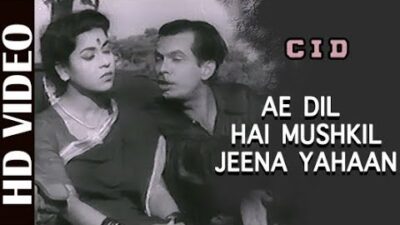
फ़िल्म में यह गीत अभिनेत्री शकीला पर एक नाइटक्लब दृश्य में फ़िल्माया गया था — हिंदी सिनेमा में अपराध-थ्रिलर कथानक के लिए बंबई के नाइटक्लब को स्थल बनाने के शुरुआती उदाहरणों में से एक।
अंग्रेज़ी में पढ़ें · Read in English
The song was performed in the film by actress Shakila in a nightclub sequence — one of the early examples of the Bombay nightclub as a site of crime-thriller plot development in Hindi cinema.
मजरूह सुल्तानपुरी की पंक्ति 'कहीं पे निगाहें कहीं पे निशाना' क्रिकेट कमेंट्री, राजनीतिक भाषणों और विज्ञापनों में उद्धृत की जाती रही है — यह इस बात का पैमाना है कि यह लोक-भाषा में कितनी गहराई से रच-बस गई।
अंग्रेज़ी में पढ़ें · Read in English
Majrooh Sultanpuri's line 'Kahin pe nigahen kahin pe nishana' has been quoted in cricket commentary, political speeches, and advertising copy — a measure of how completely it entered the popular language.
1956 के हिंदी फ़िल्म संगीत में इस गीत में सैक्सोफोन का प्रयोग साहसिक माना गया — यह वाद्य जैज़ क्लबों और पश्चिमी विलासिता से जुड़ा माना जाता था, मुख्यधारा हिंदी सिनेमा से नहीं।
अंग्रेज़ी में पढ़ें · Read in English
The song's use of the saxophone was considered daring for Hindi film music in 1956 — the instrument was associated with jazz clubs and Western decadence, not mainstream Hindi cinema.
नमूना-पट्टी
The Specimen Table| शीर्षक | कहीं पे निगाहें कहीं पे निशाना · Kahin Pe Nigahen Kahin Pe Nishana |
|---|---|
| फ़िल्म | सी.आई.डी. · 1956 |
| वर्ष · युग | 1956 — Golden Era |
| गायक | Geeta Dutt |
| गीतकार | Majrooh Sultanpuri |
| संगीतकार | O.P. Nayyar |
| स्वरूप | एकल महिला |
| गति | मध्यम |
| अवधि | 3:20 |
| भाषा | Urdu · Hindi |
| वाद्य | violin · guitar · tabla · saxophone |
| भाव | तीव्र · रहस्यमय · चुलबुला · रोमांटिक |
| लोकप्रियता | Legendary |
| बोल-स्थिति | केवल झलक |
जुड़े हुए पन्ने
Connected Plates · The Graph Made Visibleअटलस में कोई पन्ना अकेला नहीं — इस गीत से जुड़े गीत, कलाकार, फ़िल्म, राग-ताल-विधा, सब यहाँ से खुलते हैं।
मिलते-जुलते गीत · Related Songs
कलाकार · The Artists
फ़िल्म · The Film
युग · The Era
साझा कीजिए · Share this Plate
यह पन्ना आगे बढ़ाइए
गीता दत्त अपनी आवाज़ में एक उठी हुई भौंह से स्त्री-शक्ति का पूरा उपन्यास सुझा सकती थीं।
Geeta Dutt could suggest a whole novel of feminine power with one raised eyebrow in her voice.
— Gulzar, in a 1996 interview on Geeta Dutt
सवाल-जवाब
Questions & Answers'कहीं पे निगाहें कहीं पे निशाना' का क्या अर्थ है? · What does 'Kahin pe nigahen kahin pe nishana' mean?
इसका अर्थ है 'नज़रें एक तरफ़, निशाना दूसरी तरफ़' — उस रहस्यमयी नारी का वर्णन जो एक तरफ़ देखती है और वास्तव में दूसरी तरफ़ निशाना साधती है।
It means 'Glances directed one way, target aimed at another' — describing a femme fatale who appears to look elsewhere while actually pursuing her chosen quarry. The line has become a popular idiom for strategic misdirection.
'कहीं पे निगाहें' किसने गाया? · Who sang Kahin Pe Nigahen for CID?
गीता दत्त ने गाया — उनकी सबसे प्रसिद्ध रिकॉर्डिंग्स में से एक। संगीत ओ.पी. नैयर का, बोल मजरूह सुल्तानपुरी के, राज खोसला निर्देशित 'सी.आई.डी.' (1956) के लिए।
Geeta Dutt sang the song, one of her most celebrated recordings. It was composed by O.P. Nayyar and written by Majrooh Sultanpuri for the 1956 crime thriller CID directed by Raj Khosla.