गीत विंग · गीत-पट्टिका · Song Plate
ऐ दिल है मुश्किल जीना यहाँ
Ae Dil Hai Mushkil Jeena Yahan
शहर आपको तोड़ने की कोशिश करता है — और आप फिर भी उससे प्यार कर बैठते हैं। ओ.पी. नैयर को यह एहसास बख़ूबी मालूम था।
भावदार्शनिक · चुलबुला · विद्रोही
भाषाHindi · Urdu गतितेज़ स्वरूपयुगल
श्रेय
The Creditsबोल · The Lyrics
बोल — झलक · Lyrics Preview
ज़रा हट के, ज़रा बच के
ये है बम्बई मेरी जान
Zara Hat Ke, Zara Bach Ke
Ye Hai Bambai Meri Jaan
कॉपीराइट के कारण केवल झलक — पूरे बोल आधिकारिक मंचों पर।
शब्दकोश
Word Meaningsसूत्र-वाक्य · The Hook
सूत्र-वाक्य
शहर आपको तोड़ने की कोशिश करता है — और आप फिर भी उससे प्यार कर बैठते हैं। ओ.पी. नैयर को यह एहसास बख़ूबी मालूम था।
In EnglishThe city tries to break you — and you fall in love with it anyway. O.P. Nayyar knew exactly what that felt like.
पट्टिका-लेख
The Monographपरिचय Overview
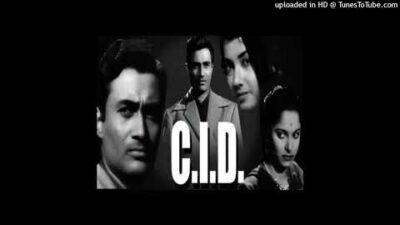
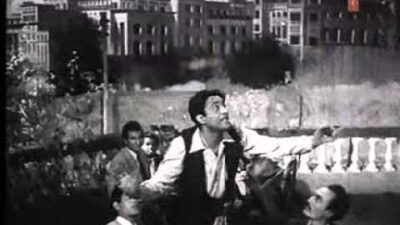
राज खोसला निर्देशित और ओ.पी. नैयर के संगीत एवं मजरूह सुल्तानपुरी के बोलों से सजी क्राइम थ्रिलर 'सी.आई.डी.' (1956) का यह गीत स्वर्णिम युग के सबसे प्रिय हास्य-गली गीतों में से एक है। मुहम्मद रफ़ी और हास्य अभिनेता जॉनी वॉकर ने अजेय ऊर्जा की साझेदारी में इसे गाया। गीत बम्बई की रोज़ की अफ़रातफ़री — भीड़ की धक्का-मुक्की, अप्रत्याशित शहर — को ओ.पी. नैयर की ट्रेडमार्क पीतल-संचालित, सिंकोपेटेड ताल पर एक जीवन-दर्शन में बदल देता है। 'ये है बम्बई मेरी जान' — यह पंक्ति बम्बई की प्रवासी संस्कृति की परिभाषाकारी उक्ति बन गई।
अंग्रेज़ी में पढ़ें · Read in English
"Ae Dil Hai Mushkil Jeena Yahan" from the crime thriller CID (1956), directed by Raj Khosla with music by O.P. Nayyar and lyrics by Majrooh Sultanpuri, is one of the most beloved comic street songs of the Golden Era. Sung by Mohammed Rafi and comedian Johnny Walker in a partnership of irresistible energy, the song takes Bombay's daily chaos — the jostling crowds, the unpredictable city — and transforms it into a survival philosophy set to O.P. Nayyar's trademark brass-driven, syncopated rhythm. The song's central line — 'Ye hai Bambai meri jaan' — became a defining phrase for Bombay's immigrant culture. Released on HMV, it remains among the most recognised songs in Hindi film history.
संगीत The Music
ओ.पी. नैयर 1950 के दशक के हिन्दी फ़िल्म संगीत के महान पश्चिमी-लोकप्रिय नवाचारक थे। जहाँ उनके समकालीन (सचिन दा, शंकर-जयकिशन) शास्त्रीय राग को पश्चिमी सामंजस्य के साथ मिलाते थे, नैयर सीधे बिग-बैंड जैज़ और लैटिन नृत्य-संगीत के पीतल-वाद्यों, सिंकोपेशन और लयात्मक गति की तरफ़ जाते थे। ट्रम्पेट और सैक्सोफ़ोन मुख्य धुन चलाते हैं, गिटार पश्चिमी पॉप शैली में ऑफ़बीट पर झंकृत होता है, और तबले को एक ड्रम किट से पूरक बनाया गया है।
अंग्रेज़ी में पढ़ें · Read in English
O.P. Nayyar was the great Western-popular innovator of 1950s Hindi film music — where his contemporaries (S.D. Burman, Shankar-Jaikishan) blended classical raag with Western harmony, Nayyar went straight for the brass sections, syncopation, and rhythmic drive of big-band jazz and Latin dance music. This song exemplifies his method: the trumpet and saxophone carry the main hook, the guitar strums on the offbeat in a Western pop manner, and the tabla is supplemented by a drum kit pattern that would not have been out of place in a New York jazz club. The result is a sound that was utterly unlike anything else in Hindi film music of the period — and yet felt completely natural on a Bombay street.
काव्य The Poetry
मजरूह सुल्तानपुरी के बोल बोलचाल-व्यंग्यात्मक शैली का पाठ हैं — भाषा शुद्ध गली की हिन्दी है, टिप्पणियाँ तीखी और तुरंत पहचानी जाने वाली हैं, और 'ये है बम्बई मेरी जान' वाली टेक शिकायत और प्रेम-घोषणा दोनों एक साथ है। मजरूह ने शहर की कठिनाइयों को त्रासदी की तरह नहीं बल्कि एकमात्र महत्त्वपूर्ण जगह होने की दाख़िला-क़ीमत के रूप में लिखा।
अंग्रेज़ी में पढ़ें · Read in English
Majrooh Sultanpuri's lyrics are a masterclass in the colloquial-satirical mode — the language is pure street Hindi, the observations are sharp and immediately recognisable, and the refrain 'Ye hai Bambai meri jaan' works as both complaint and declaration of love. Majrooh wrote the city's difficulties (mushkil — difficulty) not as tragedy but as the price of admission to the only place worth being. The phrase 'Zara hat ke, zara bach ke' (step aside, be careful) is both literal street instruction and metaphor for navigating life.
कहानी The Story
'सी.आई.डी.' (1956) राज खोसला ने निर्देशित की — जो क्राइम थ्रिलर के लिए जाने जाते थे। देव आनंद, शकीला और जॉनी वॉकर ने अभिनय किया। ओ.पी. नैयर ने पूरा साउंडट्रैक तैयार किया और साल के सबसे यादगार विविध एल्बमों में से एक दिया — गीता दत्त के केबरे परिष्कार से लेकर इस गीत के व्यंग्यात्मक गली-हास्य तक। जॉनी वॉकर — युग के महान हास्य अभिनेता — इस गीत के व्यक्तित्व के लिए स्वाभाविक फ़िट थे।
अंग्रेज़ी में पढ़ें · Read in English
CID (1956) was directed by Raj Khosla — a filmmaker known for his crime thrillers — and starred Dev Anand, Shakila, and Johnny Walker. O.P. Nayyar composed the entire soundtrack and produced one of the most memorably diverse albums of the year, ranging from the cabaret sophistication of Geeta Dutt's numbers to the satirical street comedy of this song. Johnny Walker, the great comedian of the era, was a natural fit for the song's persona — his screen character of the bumbling but loveable everyman Bombayite is perfectly captured in his voice.
विरासत The Legacy
'ये है बम्बई मेरी जान' पंक्ति भारतीय लोक-शब्दकोश में बम्बई की विरोधाभासी अपील — उसकी कठिनाई और उसकी अप्रतिरोध्यता — के संकेत-शब्द के रूप में प्रवेश कर गई। इस गीत का उल्लेख बम्बई/मुम्बई पर अनगिनत फ़िल्मों, टेलीविज़न शोज़ और साहित्यिक पाठों में किया गया है।
अंग्रेज़ी में पढ़ें · Read in English
The line 'Ye hai Bambai meri jaan' entered the Indian popular lexicon as a shorthand for Bombay's contradictory appeal — its difficulty and its irresistibility. The song has been referenced in countless films, television shows, and literary texts about Bombay/Mumbai. It was used in the opening of the documentary film Bombay, Our City (Hamara Shahar, 1985) by Anand Patwardhan, among other landmark texts.
वर्गीकरण
Classification- Tempo
- Fast
Genre
अन्य विवरण
More Details- Wikipedia: CID (1956 film)
- Hindi Film Geet Kosh, Vol. 4, Harmandir Singh Hamraaz
- O.P. Nayyar biography, various sources
- Majrooh Sultanpuri: The Poet of Hindi Cinema
References
रोचक तथ्य
Margin Notesजॉनी वॉकर (असली नाम बदरुद्दीन जमालुद्दीन क़ाज़ी) ने अपना परदा-नाम प्रसिद्ध स्कॉच व्हिस्की ब्रांड से लिया था — उनकी भोली-भाली, अनाड़ी परदा-छवि को देखते हुए यह एक विडंबना ही थी।
अंग्रेज़ी में पढ़ें · Read in English
Johnny Walker (whose real name was Badruddin Jamaluddin Qazi) took his screen name from the famous Scotch whisky brand — a piece of irony given his screen persona's bumbling innocence.
इस गीत की पंक्ति 'ज़रा हट के, ज़रा बच के' बंबई की बोलचाल में भीड़ से रास्ता निकालने के लिए एक मुहावरा बन गई — यह विज्ञापनों, सुर्खियों और रोज़मर्रा की भाषा में भी दिखाई देती रही है।
अंग्रेज़ी में पढ़ें · Read in English
The song's line 'Zara hat ke, zara bach ke' became a catchphrase in Bombay slang for navigating crowds — it has appeared in advertising, headlines, and everyday speech.
कहा जाता है कि ओ.पी. नैयर ने कहा था कि 'सी.आई.डी.' का संगीत वह एल्बम था जहाँ उन्हें पश्चिमी ब्रास वाद्यों के साथ प्रयोग करने की सबसे ज़्यादा आज़ादी महसूस हुई।
अंग्रेज़ी में पढ़ें · Read in English
O.P. Nayyar is reported to have said that the CID soundtrack was the album where he felt most free to experiment with Western brass arrangements.
यह गीत मूल रूप से छोटा था — निर्माताओं द्वारा एक लंबे और अधिक विकसित हास्य गीत की माँग किए जाने के बाद मजरूह सुल्तानपुरी ने विस्तारित 'अंतरे' जोड़े।
अंग्रेज़ी में पढ़ें · Read in English
The song was originally shorter — Majrooh Sultanpuri added the extended 'antara' sections after the producers asked for a longer, more developed comic number.
नमूना-पट्टी
The Specimen Table| शीर्षक | ऐ दिल है मुश्किल जीना यहाँ · Ae Dil Hai Mushkil Jeena Yahan |
|---|---|
| फ़िल्म | सी.आई.डी. · 1956 |
| वर्ष · युग | 1956 — Golden Era |
| गायक | Mohammed Rafi, जॉनी वॉकर |
| गीतकार | Majrooh Sultanpuri |
| संगीतकार | O.P. Nayyar |
| स्वरूप | युगल |
| गति | तेज़ |
| अवधि | 3:35 |
| भाषा | Hindi · Urdu |
| वाद्य | trumpet · guitar · tabla · saxophone · clarinet |
| भाव | दार्शनिक · चुलबुला · विद्रोही |
| लोकप्रियता | Legendary |
| बोल-स्थिति | केवल झलक |
जुड़े हुए पन्ने
Connected Plates · The Graph Made Visibleअटलस में कोई पन्ना अकेला नहीं — इस गीत से जुड़े गीत, कलाकार, फ़िल्म, राग-ताल-विधा, सब यहाँ से खुलते हैं।
मिलते-जुलते गीत · Related Songs
कलाकार · The Artists
फ़िल्म · The Film
युग · The Era
साझा कीजिए · Share this Plate
यह पन्ना आगे बढ़ाइए
केवल ओ.पी. नैयर ही सैक्सोफ़ोन को बम्बई की आवाज़ जैसा बजा सकते थे।
Only O.P. Nayyar could make a saxophone sound like the voice of Bombay.
— Gulzar
सवाल-जवाब
Questions & Answers'ऐ दिल है मुश्किल जीना यहाँ' किसने गाया? · Who sang Ae Dil Hai Mushkil Jeena Yahan?
मुहम्मद रफ़ी ने मुख्य पार्श्वगायन किया, हास्य अभिनेता जॉनी वॉकर के हिस्से के साथ। गीत 'सी.आई.डी.' (1956) के लिए ओ.पी. नैयर ने संगित दिया।
Mohammed Rafi sang the main playback, with comedian Johnny Walker performing his portions (or Rafi singing for both). The song was composed by O.P. Nayyar for the film CID (1956).
'ये है बम्बई मेरी जान' का क्या अर्थ है? · What does 'Ye hai Bambai meri jaan' mean?
'यही है बम्बई, मेरी जान' — एक उस शहर के लिए स्नेहपूर्ण, व्यंग्यात्मक सम्बोधन जो अव्यवस्थित और कठिन है लेकिन जिससे प्यार न करना असम्भव है।
'This is Bombay, my darling' — an affectionate, ironic salutation to a city that is chaotic and difficult but impossible not to love. The phrase became a defining expression of Bombay's immigrant culture.