कलाकार विंग · कलाकार-पट्टिका · Artist Plate
किशोर कुमार
Kishore Kumar · Abhas Kumar Ganguly
किशोर दा
जन्म4 August 1929 — खंडवा, मध्य प्रदेश, भारत
निधन13 October 1987 — Bombay (Mumbai), Maharashtra, India
जीवन-पट्टी
The Life Specimen| नाम | किशोर कुमार · Kishore Kumar |
|---|---|
| जन्म नाम | आभास कुमार गांगुली · Abhas Kumar Ganguly |
| उपनाम | किशोर दा · खंडवा के किशोर |
| जन्म | 4 August 1929 — खंडवा, मध्य प्रदेश, भारत · Khandwa, Central Provinces, British India (now Madhya Pradesh) |
| निधन | 13 October 1987 — Bombay (Mumbai), Maharashtra, India |
| भूमिकाएँ | गायक · संगीतकार · गीतकार |
| सक्रिय वर्ष | 1946–1987 |
| युग | golden-era |
| राष्ट्रीयता | Indian |
| विधाएँ | फ़िल्मी · पॉप · ग़ज़ल · लोक · उप-शास्त्रीय |
| भाषाएँ | Hindi · Bengali · Marathi · Gujarati · Bhojpuri · Urdu · Assamese · Kannada · Malayalam · Oriya |
| पिता | कुंजलाल गांगुली |
| माता | गौरी देवी |
| भाई-बहन | अशोक कुमार · अनूप कुमार · सती देवी |
| जीवनसाथी | रुमा गुहा ठाकुरता · मधुबाला · योगीता बाली · लीना चंदावरकर |
| बच्चे | अमित कुमार · सुमित कुमार |
हस्ताक्षर-पंक्ति · The Signature
हस्ताक्षर-पंक्ति
किशोर दा · खंडवा के किशोर
In EnglishThe untrained genius who out-sang the trained — actor, composer, madcap and the most human voice Hindi cinema ever had. 'Doodh doodh doodh!' on screen, pure soul on record.
पट्टिका-लेख
The Monographजीवनी Biography
किशोर कुमार (4 अगस्त 1929 – 13 अक्टूबर 1987) हिंदी सिनेमा की सबसे अनोखी प्रतिभा थे — गायक, अभिनेता, संगीतकार, गीतकार, निर्माता-निर्देशक, और इन सबसे बढ़कर एक ऐसा कलाकार जिसने बिना किसी औपचारिक संगीत-शिक्षा के पार्श्वगायन का इतिहास बदल दिया। खंडवा (मध्य प्रदेश) में आभास कुमार गांगुली के रूप में जन्मे किशोर, अभिनेता अशोक कुमार के सबसे छोटे भाई थे। के.एल. सहगल उनके आराध्य थे, और भाई अनूप के रिकॉर्ड संग्रह से सुनी ऑस्ट्रियाई-अमेरिकी योडलिंग को उन्होंने हिंदी गीतों में ऐसा पिरोया कि वह उनकी पहचान बन गई। 1946 में 'शिकारी' से बतौर अभिनेता शुरुआत हुई, पर असली इतिहास 1948 में बना — 'ज़िद्दी' में देव आनंद के लिए 'मरने की दुआएँ क्यों माँगूँ'। 1950 के दशक में वे 'चलती का नाम गाड़ी' (1958) और 'हाफ़ टिकट' (1962) जैसी फ़िल्मों के हास्य-नायक के रूप में छाए रहे, जबकि एस.डी. बर्मन उनके भीतर के गायक को 'मुनीमजी', 'पेइंग गेस्ट', 'गाइड' और 'ज्वेल थीफ़' में तराशते रहे। फिर आया 1969 — 'आराधना'। 'रूप तेरा मस्ताना' और 'मेरे सपनों की रानी' ने रातोंरात उन्हें राजेश खन्ना युग की आवाज़ और देश का सबसे बड़ा पार्श्वगायक बना दिया; पहला फ़िल्मफेयर भी मिला। इसके बाद के अठारह वर्षों में आर.डी. बर्मन के साथ उनकी जोड़ी ने आधुनिक हिंदी गीत गढ़ा — 'अमर प्रेम' की गहराई से 'शोले' की मस्ती तक। अमिताभ बच्चन और राजेश खन्ना दोनों युगों की आवाज़ वही थे। रिकॉर्ड आठ फ़िल्मफेयर पुरस्कार उन्होंने जीते। आपातकाल (1975-77) में सरकारी कार्यक्रम में गाने से इनकार करने पर उनके गीतों पर आकाशवाणी-दूरदर्शन में अघोषित प्रतिबंध लगा — किशोर झुके नहीं। 13 अक्टूबर 1987 को हृदयाघात से निधन हुआ; इच्छा के अनुसार अंतिम संस्कार खंडवा में हुआ। 'दूध-जलेबी' वाले इस फ़क्कड़ की आवाज़ आज भी हर पीढ़ी की पहली पसंद बनी हुई है।
अंग्रेज़ी में पढ़ें · Read in English
Kishore Kumar (4 August 1929 – 13 October 1987) was Hindi cinema's most singular talent — singer, actor, composer, lyricist, producer-director, and above all an artist who rewrote the history of playback singing without a single day of formal musical training. Born Abhas Kumar Ganguly in Khandwa (Madhya Pradesh), he was the youngest brother of the star actor Ashok Kumar. K.L. Saigal was his idol, and the Austrian-American yodelling he absorbed from his brother Anoop's record collection became, in his throat, a signature no one has convincingly imitated since.
He entered films as an actor with Shikari (1946), but history was made in 1948 when he sang 'Marne Ki Duayen Kyon Mangu' for Dev Anand in Ziddi. Through the 1950s he flourished as a comic leading man — Chalti Ka Naam Gaadi (1958), Half Ticket (1962), and later the immortal Padosan (1968) — while S.D. Burman patiently sculpted the singer within, through Munimji, Paying Guest, Guide and Jewel Thief. Then came 1969 and Aradhana: 'Roop Tera Mastana' and 'Mere Sapno Ki Rani' made him overnight the voice of the Rajesh Khanna phenomenon and the country's foremost male playback singer, winning him his first Filmfare Award.
The eighteen years that followed, in partnership with R.D. Burman, built the modern Hindi film song — from the depths of Amar Prem to the swagger of Sholay, from Aandhi's ghazal-like duets to Don's street-smart hooks. He was the voice of both the Rajesh Khanna and Amitabh Bachchan eras, and his record eight Filmfare Awards for Best Male Playback stood unmatched for decades. During the Emergency (1975–77), when he refused to sing at a government rally, his songs were unofficially banned on All India Radio and Doordarshan — Kishore did not bend. He composed and directed films of his own, including the lyrical Door Gagan Ki Chhaon Mein (1964). He died of a heart attack on 13 October 1987 in Bombay; as he had wished, he was cremated in Khandwa. The eccentric who demanded payment before singing and grew trees as friends remains, decades on, the most loved male voice in Hindi film music.
प्रारंभिक जीवन Early Life
आभास कुमार गांगुली का जन्म 4 अगस्त 1929 को खंडवा में हुआ — वकील कुंजलाल गांगुली और गौरी देवी की चार संतानों में सबसे छोटे। बचपन में ही सबसे बड़े भाई अशोक कुमार बॉम्बे टॉकीज़ में हिंदी सिनेमा के पहले सुपरस्टारों में शुमार हो गए — और घर फ़िल्मी दुनिया का गलियारा बन गया। नन्हे आभास के.एल. सहगल के उपासक थे; उनके रिकॉर्ड सुन-सुनकर ख़ुद गाना सीखा, और भाई अनूप के पश्चिमी रिकॉर्ड संग्रह से जिमी रॉजर्स और टेक्स मॉर्टन की योडलिंग उठा ली। घर में मशहूर क़िस्सा है कि बचपन में पैर कट जाने से हफ़्तों रोते रहे बालक की आवाज़ उसी रुदन से 'खुल' गई। इंदौर के क्रिश्चियन कॉलेज में पढ़े — कैंटीन का 'पाँच रुपैया बारा आना' का उधार बाद में 'चलती का नाम गाड़ी' के गीत में अमर हुआ — और 1940 के दशक के मध्य बंबई पहुँचे, सिर्फ़ गाने की चाह लेकर; अभिनय, वे हमेशा कहते रहे, उन पर थोप दिया गया।
अंग्रेज़ी में पढ़ें · Read in English
Abhas Kumar Ganguly was born on 4 August 1929 in Khandwa, the youngest of four children of Kunjalal Ganguly, a lawyer, and Gouri Devi. While he was still a child his eldest brother Ashok Kumar became one of Hindi cinema's first superstars at Bombay Talkies — which made the family home a corridor to the film world. Young Abhas worshipped K.L. Saigal and taught himself to sing by imitating Saigal records; from brother Anoop's collection of Western records he picked up the yodelling of Jimmie Rodgers and Tex Morton. A much-told family story holds that a childhood injury — a cut foot that left him crying for weeks — somehow 'opened' his voice. He studied at Christian College, Indore (his rendition of college canteens' 'paanch rupaiya baara aana' debt later surfaced in Chalti Ka Naam Gaadi), and arrived in Bombay in the mid-1940s wanting only to sing — the acting, he always insisted, was forced upon him.
करियर Career
किशोर ने बॉम्बे टॉकीज़ में कोरस गायक और अनिच्छुक अभिनेता ('शिकारी', 1946) के रूप में शुरुआत की; पार्श्वगायन का पदार्पण 'ज़िद्दी' (1948) के 'मरने की दुआएँ क्यों माँगूँ' से हुआ — तब वे सहगल के ही अंदाज़ में गाते थे। एस.डी. बर्मन ने यह नक़ल सुनी और करियर बदल देने वाली सलाह दी: सहगल की नक़ल छोड़ो, अपनी शैली खोजो। 1950 का दशक उन्हें दो हिस्सों में बाँटता रहा: परदे पर कामयाब हास्य-नायक ('नौकरी', 'न्यू दिल्ली', 'चलती का नाम गाड़ी', 'हाफ़ टिकट') और रिकॉर्ड पर देव आनंद की चुलबुली आवाज़ ('माना जनाब ने पुकारा नहीं', 'हम हैं राही प्यार के', लता के साथ 'गाता रहे मेरा दिल')। उन्होंने 'दूर गगन की छाँव में' (1964) और 'दूर का राही' (1971) का संगीत, लेखन, निर्माण और निर्देशन ख़ुद किया। 'आराधना' (1969) ने सब कुछ बदल दिया: 'रूप तेरा मस्ताना' के लिए पहला फ़िल्मफेयर, और अगले दो दशक — आर.डी. बर्मन की 'कटी पतंग', 'अमर प्रेम', 'शोले', 'हम किसी से कम नहीं', 'डॉन', 'थोड़ी सी बेवफ़ाई', 'नमक हलाल', 'अगर तुम न होते', 'शराबी' और 'सागर' तक — वे हिंदी सिनेमा की पुरुष-आवाज़ ही बन गए; कुल आठ फ़िल्मफेयर जीते। निधन से एक दिन पहले, 12 अक्टूबर 1987 तक, उन्होंने रिकॉर्डिंग की।
अंग्रेज़ी में पढ़ें · Read in English
Kishore began at Bombay Talkies as a chorus singer and reluctant actor (Shikari, 1946), and made his playback debut with 'Marne Ki Duayen Kyon Mangu' (Ziddi, 1948) — already in his Saigal-esque manner. S.D. Burman heard the imitation and gave him career-defining advice: stop copying Saigal, find your own style. The 1950s split him in two: a bankable comic hero on screen (Naukri, New Delhi, Chalti Ka Naam Gaadi, Half Ticket) and Dev Anand's effervescent singing voice on record ('Mana Janab Ne Pukara Nahin', 'Hum Hain Rahi Pyar Ke', 'Gaata Rahe Mera Dil' with Lata). He composed, wrote, produced and directed Door Gagan Ki Chhaon Mein (1964) and Door Ka Raahi (1971). Aradhana (1969) detonated everything: first Filmfare for 'Roop Tera Mastana', and for the next two decades — through R.D. Burman's Kati Patang, Amar Prem, Sholay, Hum Kisise Kum Naheen, Don, Thodisi Bewafai, Namak Halaal, Agar Tum Na Hote, Sharaabi and Saagar — he was simply the male voice of Hindi cinema, winning eight Filmfare Awards in all. He recorded his last song the day before he died, 12 October 1987.
विरासत Legacy
किशोर कुमार ने सिद्ध किया कि आत्मा तालीम से बड़ी है: खंडवा का वह बिना सिखाया लड़का भारतीय लोकप्रिय गायकी में भावनात्मक सच्चाई की कसौटी बन गया। उनके आठ फ़िल्मफेयर दशकों तक पुरुष पार्श्वगायन का रिकॉर्ड रहे, पर गहरी विरासत शैली की है — बातचीत-सी सहज अदायगी, पंक्ति के भीतर छिपी हँसी, योडल, और सप्तकों में निडर छलाँगें अब हिंदी फ़िल्म गायकी के स्थायी औज़ार हैं। उनके बाद का हर पुरुष गायक — बेटे अमित कुमार से लेकर कुमार सानू, अभिजीत और अरिजीत सिंह की पीढ़ी तक — उनकी शैली से हिसाब बराबर करके ही आगे बढ़ा है। आपातकाल में गाने से इनकार ने उन्हें कलाकार की रीढ़ का पर्याय बना दिया। खंडवा में उनकी समाधि तीर्थ बनी हुई है, जहाँ प्रशंसक आज भी दूध-जलेबी चढ़ाते हैं; मध्य प्रदेश सरकार उनके नाम पर राष्ट्रीय किशोर कुमार सम्मान देती है। हर रियलिटी शो, हर रेट्रो प्लेलिस्ट में फ़ैसला दोहराया जाता है: हिंदी सिनेमा की सबसे ज़िंदा आवाज़।
अंग्रेज़ी में पढ़ें · Read in English
Kishore Kumar proved that soul outranks schooling: the untrained boy from Khandwa became the standard for emotional directness in Indian popular singing. His eight Filmfare Awards remained the male playback record for decades, but the deeper legacy is stylistic — the conversational phrasing, the laugh inside a line, the yodel, the fearless octave dives are now permanent equipment of Hindi film singing. Every male singer since — Amit Kumar (his son), Kumar Sanu, Abhijeet, Vinod Rathod through to Arijit Singh's generation — has had to settle accounts with his style. His refusal to sing for the Emergency made him a byword for artistic spine. Khandwa keeps his samadhi as a pilgrimage site where fans still offer doodh-jalebi; Madhya Pradesh's National Kishore Kumar Samman honours film artists in his name. On every reality show, in every retro playlist, the verdict repeats: the most alive voice Hindi cinema ever recorded.
गायन-शैली Musical Style
किशोर की प्रतिभा थी भावनात्मक तात्कालिकता। बिना तालीम के वे वैसे गाते थे जैसे लोग महसूस करते हैं — बोलचाल-सी अदायगी, सुरों में फिसलती पकड़, और ठीक वहाँ हँसी, सिसकी या योडल जहाँ व्याकरण नहीं, दिल माँगता था। उनके गहरे स्वर में अद्भुत लोच थी: 'दुखी मन मेरे' की गंभीर स्थिरता, 'रूप तेरा मस्ताना' का रेशम, 'शराबी' की नशीली नाटकीयता, और 'मेरे नैना सावन भादों' की ध्यानमग्न गहराई — शिवरंजनी आधारित यह रचना उन्होंने ऐसे सधे संयम से गाई कि शास्त्रीय गायक भी रश्क करें। ग्रामोफ़ोन रिकॉर्ड्स से सीखी योडलिंग उनके गले में विशुद्ध भारतीय उल्लास-ध्वनि बन गई। संगीतकार उनके पहले टेक की सहजता के दीवाने थे; एस.डी. बर्मन इस शैली को 'किशोर-अंग' कहते थे — एक अकेले का घराना।
अंग्रेज़ी में पढ़ें · Read in English
Kishore's genius was emotional immediacy. Untrained, he sang the way people feel — phrasing like speech, sliding into notes, breaking into laughter, sobs or yodels exactly where the heart, not the grammar, demanded. His baritone carried astonishing flexibility: the brooding stillness of 'Dukhi Man Mere', the silk of 'Roop Tera Mastana', the drunken theatrics of 'Sharaabi', the meditative depth of 'Mere Naina Sawan Bhadon' — a Shivranjani-based composition he rendered with a control trained classicists envied. His yodelling, learned off gramophone records, became a uniquely Indian joy-sound. Composers prized his first-take spontaneity; S.D. Burman called the style 'Kishore-ang' — a school of one.
स्वर-विशेषताएँ Vocal Characteristics
- बोलचाल-सी सहज अदायगी — गीत नहीं, बातचीत
- हस्ताक्षर योडलिंग — पश्चिमी रिकॉर्ड्स से सीखी, भारतीय बनाई
- गहरे, लचीले स्वर में हँसी से रुदन तक की छलाँग
- बिना तालीम का अचूक सुर और पहले टेक की ताज़गी
- मस्ती और दर्द — दोनों में समान महारत ('रूप तेरा मस्ताना' से 'दुखी मन मेरे' तक)
अंग्रेज़ी में पढ़ें · Read in English
- Conversational phrasing — songs that talk to you
- The signature yodel, learned from Western records, made Indian
- A flexible baritone leaping from laughter to lament
- Untrained yet unerring pitch, prized first-take spontaneity
- Equal mastery of mischief and melancholy
तालीम, विधाएँ और भाषाएँ
Training · Genres · Languagesतालीम · Training
स्व-शिक्षित (1930s–1940s)
के.एल. सहगल के रिकॉर्ड सुनकर सीखा; योडलिंग जिमी रॉजर्स और टेक्स मॉर्टन के रिकॉर्ड्स से
No formal classical training — the most cited counter-example to the necessity of taleem.
विधाएँ · Genres
भाषाएँ · Languages Sung
जीवन-रेखा
Career Highlights- 1946 बॉम्बे टॉकीज़ की 'शिकारी' से बतौर अभिनेता पदार्पण Screen debut as an actor in Bombay Talkies' Shikari
- 1948 पार्श्वगायन में पदार्पण: 'ज़िद्दी' में देव आनंद के लिए 'मरने की दुआएँ क्यों माँगूँ' Playback debut: 'Marne Ki Duayen Kyon Mangu' for Dev Anand in Ziddi
-
1958
'चलती का नाम गाड़ी' — तीनों गांगुली भाइयों के साथ अभिनय-करियर का शिखर
Chalti Ka Naam Gaadi — peak of his acting stardom, with all three Ganguly brothers
- 1964 'दूर गगन की छाँव में' — लेखन, निर्देशन, संगीत और अभिनय सब ख़ुद Writes, directs, composes and acts in Door Gagan Ki Chhaon Mein
- 1968 'पड़ोसन' — हास्य की कृति; मन्ना डे के सामने 'एक चतुर नार' Padosan — his comic masterpiece, including 'Ek Chatur Naar' opposite Manna Dey
-
1969
'आराधना' ने सब बदला: 'रूप तेरा मस्ताना' से पहला फ़िल्मफेयर; राजेश खन्ना युग की आवाज़ बने
Aradhana changes everything: 'Roop Tera Mastana' wins his first Filmfare; becomes the voice of the Rajesh Khanna era
-
1976
आपातकाल में सरकारी कार्यक्रम में गाने से इनकार; आकाशवाणी-दूरदर्शन पर गीतों पर अघोषित प्रतिबंध
Refuses to sing at a government rally during the Emergency; his songs are unofficially banned on AIR and Doordarshan
-
1978
'खइके पान बनारसवाला' (डॉन) को फ़िल्मफेयर; अमिताभ बच्चन की निर्णायक आवाज़ बने
'Khaike Paan Banaraswala' (Don) wins Filmfare; becomes the defining Amitabh Bachchan voice
-
1986
'सागर किनारे' के लिए आठवाँ और अंतिम फ़िल्मफेयर — पुरुष पार्श्वगायन का रिकॉर्ड
Wins his eighth and final Filmfare Award for 'Saagar Kinare' (Saagar) — a record for male playback
-
1987
12 अक्टूबर को अंतिम गीत रिकॉर्ड किया; अगले दिन हृदयाघात से निधन। इच्छा अनुसार खंडवा में अंतिम संस्कार
Records his final song on 12 October; dies of a heart attack the next day. Cremated in Khandwa as he wished
पुरस्कार एवं सम्मान
Awards & Recognition- 1969 फ़िल्मफेयर पुरस्कार — सर्वश्रेष्ठ पार्श्वगायक Filmfare Award — Best Male Playback Singer For 'Roop Tera Mastana'
- 1975 फ़िल्मफेयर पुरस्कार — सर्वश्रेष्ठ पार्श्वगायक Filmfare Award — Best Male Playback Singer For 'Dil Aisa Kisi Ne Mera Toda'
- 1978 फ़िल्मफेयर पुरस्कार — सर्वश्रेष्ठ पार्श्वगायक Filmfare Award — Best Male Playback Singer For 'Khaike Paan Banaraswala'
- 1980 फ़िल्मफेयर पुरस्कार — सर्वश्रेष्ठ पार्श्वगायक Filmfare Award — Best Male Playback Singer For 'Hazaar Raahen Mud Ke Dekhin'
- 1982 फ़िल्मफेयर पुरस्कार — सर्वश्रेष्ठ पार्श्वगायक Filmfare Award — Best Male Playback Singer For 'Pag Ghungroo Baandh'
- 1983 फ़िल्मफेयर पुरस्कार — सर्वश्रेष्ठ पार्श्वगायक Filmfare Award — Best Male Playback Singer For the title song
- 1984 फ़िल्मफेयर पुरस्कार — सर्वश्रेष्ठ पार्श्वगायक Filmfare Award — Best Male Playback Singer For 'Manzilein Apni Jagah Hain'
- 1986 फ़िल्मफेयर पुरस्कार — सर्वश्रेष्ठ पार्श्वगायक Filmfare Award — Best Male Playback Singer For 'Saagar Kinare' — his record eighth win
रोचक तथ्य
Margin Notesउनके पास कोई औपचारिक संगीत-शिक्षा नहीं थी — फिर भी एस.डी. बर्मन और शास्त्रीय गायक तक उनकी सुर-पकड़ के क़ायल थे।
अंग्रेज़ी में पढ़ें · Read in English
He had no formal musical training — yet S.D. Burman and even classical vocalists marvelled at his pitch.
आपातकाल में संजय गांधी की रैली में गाने से इनकार करने पर आकाशवाणी और दूरदर्शन पर उनके गीतों का प्रसारण रोक दिया गया।
अंग्रेज़ी में पढ़ें · Read in English
When he refused to sing at a Sanjay Gandhi rally during the Emergency, AIR and Doordarshan stopped broadcasting his songs.
अपने बंगले के बाहर उन्होंने तख़्ती लगा रखी थी: 'किशोर से सावधान' — और वे अपने पेड़ों से बातें करते थे।
अंग्रेज़ी में पढ़ें · Read in English
He famously put up a 'Beware of Kishore' sign outside his bungalow — and talked to his trees as friends.
'चलती का नाम गाड़ी' का 'पाँच रुपैया बारा आना' इंदौर के कॉलेज कैंटीन में उनके असली उधार की रक़म थी।
अंग्रेज़ी में पढ़ें · Read in English
The 'paanch rupaiya baara aana' of Chalti Ka Naam Gaadi was the actual sum he owed his college canteen in Indore.
मधुबाला से उनका विवाह (1960) उनकी बीमारी के दौर में हुआ; 1969 में मधुबाला के निधन तक वे साथ रहे।
अंग्रेज़ी में पढ़ें · Read in English
He married Madhubala in 1960 during her illness and remained married to her until her death in 1969.
अन्य विवरण
More Details- Birth Year
- 1929
- Death Year
- 1987
- Active Years
- 1946–1987
- बोलचाल-सी सहज अदायगी — गीत नहीं, बातचीत · Conversational phrasing — songs that talk to you
- हस्ताक्षर योडलिंग — पश्चिमी रिकॉर्ड्स से सीखी, भारतीय बनाई · The signature yodel, learned from Western records, made Indian
- गहरे, लचीले स्वर में हँसी से रुदन तक की छलाँग · A flexible baritone leaping from laughter to lament
- बिना तालीम का अचूक सुर और पहले टेक की ताज़गी · Untrained yet unerring pitch, prized first-take spontaneity
- मस्ती और दर्द — दोनों में समान महारत ('रूप तेरा मस्ताना' से 'दुखी मन मेरे' तक) · Equal mastery of mischief and melancholy
- S.D. Burman — the mentor who told him to stop imitating Saigal (Munimji, Guide, Aradhana)
- R.D. Burman — the defining modern partnership (Kati Patang, Amar Prem, Sholay, Hum Kisise Kum Naheen)
- Rajesh Khanna — voice of the superstar phenomenon
- Amitabh Bachchan — voice of the angry-young-man era (Don, Sharaabi, Namak Halaal)
- Lata Mangeshkar and Asha Bhosle — hundreds of classic duets
Early Life
आभास कुमार गांगुली का जन्म 4 अगस्त 1929 को खंडवा में हुआ — वकील कुंजलाल गांगुली और गौरी देवी की चार संतानों में सबसे छोटे। बचपन में ही सबसे बड़े भाई अशोक कुमार बॉम्बे टॉकीज़ में हिंदी सिनेमा के पहले सुपरस्टारों में शुमार हो गए — और घर फ़िल्मी दुनिया का गलियारा बन गया। नन्हे आभास के.एल. सहगल के उपासक थे; उनके रिकॉर्ड सुन-सुनकर ख़ुद गाना सीखा, और भाई अनूप के पश्चिमी रिकॉर्ड संग्रह से जिमी रॉजर्स और टेक्स मॉर्टन की योडलिंग उठा ली। घर में मशहूर क़िस्सा है कि बचपन में पैर कट जाने से हफ़्तों रोते रहे बालक की आवाज़ उसी रुदन से 'खुल' गई। इंदौर के क्रिश्चियन कॉलेज में पढ़े — कैंटीन का 'पाँच रुपैया बारा आना' का उधार बाद में 'चलती का नाम गाड़ी' के गीत में अमर हुआ — और 1940 के दशक के मध्य बंबई पहुँचे, सिर्फ़ गाने की चाह लेकर; अभिनय, वे हमेशा कहते रहे, उन पर थोप दिया गया।
Abhas Kumar Ganguly was born on 4 August 1929 in Khandwa, the youngest of four children of Kunjalal Ganguly, a lawyer, and Gouri Devi. While he was still a child his eldest brother Ashok Kumar became one of Hindi cinema's first superstars at Bombay Talkies — which made the family home a corridor to the film world. Young Abhas worshipped K.L. Saigal and taught himself to sing by imitating Saigal records; from brother Anoop's collection of Western records he picked up the yodelling of Jimmie Rodgers and Tex Morton. A much-told family story holds that a childhood injury — a cut foot that left him crying for weeks — somehow 'opened' his voice. He studied at Christian College, Indore (his rendition of college canteens' 'paanch rupaiya baara aana' debt later surfaced in Chalti Ka Naam Gaadi), and arrived in Bombay in the mid-1940s wanting only to sing — the acting, he always insisted, was forced upon him.
Career
किशोर ने बॉम्बे टॉकीज़ में कोरस गायक और अनिच्छुक अभिनेता ('शिकारी', 1946) के रूप में शुरुआत की; पार्श्वगायन का पदार्पण 'ज़िद्दी' (1948) के 'मरने की दुआएँ क्यों माँगूँ' से हुआ — तब वे सहगल के ही अंदाज़ में गाते थे। एस.डी. बर्मन ने यह नक़ल सुनी और करियर बदल देने वाली सलाह दी: सहगल की नक़ल छोड़ो, अपनी शैली खोजो। 1950 का दशक उन्हें दो हिस्सों में बाँटता रहा: परदे पर कामयाब हास्य-नायक ('नौकरी', 'न्यू दिल्ली', 'चलती का नाम गाड़ी', 'हाफ़ टिकट') और रिकॉर्ड पर देव आनंद की चुलबुली आवाज़ ('माना जनाब ने पुकारा नहीं', 'हम हैं राही प्यार के', लता के साथ 'गाता रहे मेरा दिल')। उन्होंने 'दूर गगन की छाँव में' (1964) और 'दूर का राही' (1971) का संगीत, लेखन, निर्माण और निर्देशन ख़ुद किया। 'आराधना' (1969) ने सब कुछ बदल दिया: 'रूप तेरा मस्ताना' के लिए पहला फ़िल्मफेयर, और अगले दो दशक — आर.डी. बर्मन की 'कटी पतंग', 'अमर प्रेम', 'शोले', 'हम किसी से कम नहीं', 'डॉन', 'थोड़ी सी बेवफ़ाई', 'नमक हलाल', 'अगर तुम न होते', 'शराबी' और 'सागर' तक — वे हिंदी सिनेमा की पुरुष-आवाज़ ही बन गए; कुल आठ फ़िल्मफेयर जीते। निधन से एक दिन पहले, 12 अक्टूबर 1987 तक, उन्होंने रिकॉर्डिंग की।
Kishore began at Bombay Talkies as a chorus singer and reluctant actor (Shikari, 1946), and made his playback debut with 'Marne Ki Duayen Kyon Mangu' (Ziddi, 1948) — already in his Saigal-esque manner. S.D. Burman heard the imitation and gave him career-defining advice: stop copying Saigal, find your own style. The 1950s split him in two: a bankable comic hero on screen (Naukri, New Delhi, Chalti Ka Naam Gaadi, Half Ticket) and Dev Anand's effervescent singing voice on record ('Mana Janab Ne Pukara Nahin', 'Hum Hain Rahi Pyar Ke', 'Gaata Rahe Mera Dil' with Lata). He composed, wrote, produced and directed Door Gagan Ki Chhaon Mein (1964) and Door Ka Raahi (1971). Aradhana (1969) detonated everything: first Filmfare for 'Roop Tera Mastana', and for the next two decades — through R.D. Burman's Kati Patang, Amar Prem, Sholay, Hum Kisise Kum Naheen, Don, Thodisi Bewafai, Namak Halaal, Agar Tum Na Hote, Sharaabi and Saagar — he was simply the male voice of Hindi cinema, winning eight Filmfare Awards in all. He recorded his last song the day before he died, 12 October 1987.
Legacy
किशोर कुमार ने सिद्ध किया कि आत्मा तालीम से बड़ी है: खंडवा का वह बिना सिखाया लड़का भारतीय लोकप्रिय गायकी में भावनात्मक सच्चाई की कसौटी बन गया। उनके आठ फ़िल्मफेयर दशकों तक पुरुष पार्श्वगायन का रिकॉर्ड रहे, पर गहरी विरासत शैली की है — बातचीत-सी सहज अदायगी, पंक्ति के भीतर छिपी हँसी, योडल, और सप्तकों में निडर छलाँगें अब हिंदी फ़िल्म गायकी के स्थायी औज़ार हैं। उनके बाद का हर पुरुष गायक — बेटे अमित कुमार से लेकर कुमार सानू, अभिजीत और अरिजीत सिंह की पीढ़ी तक — उनकी शैली से हिसाब बराबर करके ही आगे बढ़ा है। आपातकाल में गाने से इनकार ने उन्हें कलाकार की रीढ़ का पर्याय बना दिया। खंडवा में उनकी समाधि तीर्थ बनी हुई है, जहाँ प्रशंसक आज भी दूध-जलेबी चढ़ाते हैं; मध्य प्रदेश सरकार उनके नाम पर राष्ट्रीय किशोर कुमार सम्मान देती है। हर रियलिटी शो, हर रेट्रो प्लेलिस्ट में फ़ैसला दोहराया जाता है: हिंदी सिनेमा की सबसे ज़िंदा आवाज़।
Kishore Kumar proved that soul outranks schooling: the untrained boy from Khandwa became the standard for emotional directness in Indian popular singing. His eight Filmfare Awards remained the male playback record for decades, but the deeper legacy is stylistic — the conversational phrasing, the laugh inside a line, the yodel, the fearless octave dives are now permanent equipment of Hindi film singing. Every male singer since — Amit Kumar (his son), Kumar Sanu, Abhijeet, Vinod Rathod through to Arijit Singh's generation — has had to settle accounts with his style. His refusal to sing for the Emergency made him a byword for artistic spine. Khandwa keeps his samadhi as a pilgrimage site where fans still offer doodh-jalebi; Madhya Pradesh's National Kishore Kumar Samman honours film artists in his name. On every reality show, in every retro playlist, the verdict repeats: the most alive voice Hindi cinema ever recorded.
Musical Style
किशोर की प्रतिभा थी भावनात्मक तात्कालिकता। बिना तालीम के वे वैसे गाते थे जैसे लोग महसूस करते हैं — बोलचाल-सी अदायगी, सुरों में फिसलती पकड़, और ठीक वहाँ हँसी, सिसकी या योडल जहाँ व्याकरण नहीं, दिल माँगता था। उनके गहरे स्वर में अद्भुत लोच थी: 'दुखी मन मेरे' की गंभीर स्थिरता, 'रूप तेरा मस्ताना' का रेशम, 'शराबी' की नशीली नाटकीयता, और 'मेरे नैना सावन भादों' की ध्यानमग्न गहराई — शिवरंजनी आधारित यह रचना उन्होंने ऐसे सधे संयम से गाई कि शास्त्रीय गायक भी रश्क करें। ग्रामोफ़ोन रिकॉर्ड्स से सीखी योडलिंग उनके गले में विशुद्ध भारतीय उल्लास-ध्वनि बन गई। संगीतकार उनके पहले टेक की सहजता के दीवाने थे; एस.डी. बर्मन इस शैली को 'किशोर-अंग' कहते थे — एक अकेले का घराना।
Kishore's genius was emotional immediacy. Untrained, he sang the way people feel — phrasing like speech, sliding into notes, breaking into laughter, sobs or yodels exactly where the heart, not the grammar, demanded. His baritone carried astonishing flexibility: the brooding stillness of 'Dukhi Man Mere', the silk of 'Roop Tera Mastana', the drunken theatrics of 'Sharaabi', the meditative depth of 'Mere Naina Sawan Bhadon' — a Shivranjani-based composition he rendered with a control trained classicists envied. His yodelling, learned off gramophone records, became a uniquely Indian joy-sound. Composers prized his first-take spontaneity; S.D. Burman called the style 'Kishore-ang' — a school of one.
Vocal Characteristics
Collaborations
अभिलेख-सार
Discography Summary| संग्रह में गीत | 14 — नीचे जुड़े हुए पन्नों में सूचीबद्ध |
|---|---|
| कुल ज्ञात रिकॉर्डिंग | 2 — 2 संग्रह में उपलब्ध |
| रिकॉर्डिंग-काल | 1955 · पहला सत्र 1955 |
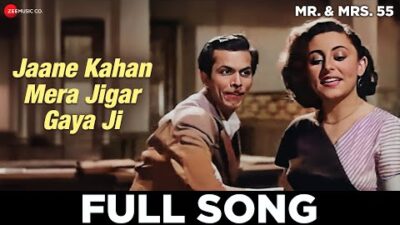
| फ़िल्में व डिस्क | Baap Re Baap · Mr. & Mrs. '55 |
| प्रमुख भूमिका | गायक |
| नित्य सहयोगी | Asha Bhosle · O P Nayyar · Majrooh Sultanpuri |
| हस्ताक्षर-गीत | Piya Piya Mora Jiya Pukare · Jane Kahan Mera Jigar Gaya Ji |
| स्रोत | derived from the HindiGeet song archive |
अभिलेख व संदर्भ
Archives & References| विकिपीडिया | Wikipedia |
|---|---|
| संदर्भ | Kishore Kumar — Wikipedia · Kishore Kumar: Method in Madness — Derek Bose (2004) |
| प्रसिद्ध सहयोग |
अंग्रेज़ी में पढ़ें · Read in English
|
जुड़े हुए पन्ने
Connected Plates · The Graph Made Visibleअटलस में कोई पन्ना अकेला नहीं — किशोर कुमार से उनके गीत, फ़िल्में, घराना, समकालीन और युग, सब यहाँ से खुलते हैं।
हस्ताक्षर-गीत · Signature Songs
फ़िल्में · The Films
सहयोगी और समकालीन · Collaborators & Contemporaries
युग · The Era
साझा कीजिए · Share this Plate
यह पन्ना आगे बढ़ाइए
सवाल-जवाब
Questions & Answersक्या किशोर कुमार ने संगीत की औपचारिक शिक्षा ली थी?
नहीं — किशोर कुमार पूरी तरह स्व-शिक्षित थे। के.एल. सहगल के रिकॉर्ड सुनकर गाना और पश्चिमी रिकॉर्ड्स से योडलिंग सीखी। यही उन्हें भारतीय संगीत का सबसे बड़ा अपवाद बनाता है।
How many Filmfare Awards did Kishore Kumar win?
Eight Filmfare Awards for Best Male Playback Singer — from 'Roop Tera Mastana' (Aradhana, 1969) to 'Saagar Kinare' (Saagar, 1986) — a record that stood for decades.
किशोर कुमार का असली नाम क्या था?
आभास कुमार गांगुली। वे अभिनेता अशोक कुमार के सबसे छोटे भाई थे और खंडवा, मध्य प्रदेश के रहने वाले थे।
Why were Kishore Kumar's songs banned during the Emergency?
Because he refused to perform at a government-organised rally during the Emergency (1975–77), his songs were unofficially blacklisted on All India Radio and Doordarshan.