गीत विंग · गीत-पट्टिका · Song Plate
छोड़ दो आँचल
Chhod Do Aanchal
शैलेंद्र और बर्मन ने भारतीय प्रेम-कहानियों की सबसे पुरानी बहस — 'ज़माना क्या कहेगा?' बनाम 'ज़माने को छोड़ो' — को तीन मिनट की परिपूर्ण ख़ुशी में बदल दिया।
भावमीठा-कड़वा · चुलबुला · रोमांटिक
भाषाHindi · Urdu गतिमध्यम स्वरूपयुगल
श्रेय
The Creditsबोल · The Lyrics
बोल — झलक · Lyrics Preview
प्यार के मौसम में यह दिल क्या सहेगा
Pyaar ke mausam mein yeh dil kya sahega
कॉपीराइट के कारण केवल झलक — पूरे बोल आधिकारिक मंचों पर।
शब्दकोश
Word Meaningsसूत्र-वाक्य · The Hook
सूत्र-वाक्य
शैलेंद्र और बर्मन ने भारतीय प्रेम-कहानियों की सबसे पुरानी बहस — 'ज़माना क्या कहेगा?' बनाम 'ज़माने को छोड़ो' — को तीन मिनट की परिपूर्ण ख़ुशी में बदल दिया।
In EnglishShailendra and Burman made the oldest argument in Indian romance — 'what will the world say?' vs. 'forget the world' — into three minutes of perfect joy.
पट्टिका-लेख
The Monographपरिचय Overview
गोल्डन एरा के सबसे आकर्षक रोमांटिक-हास्य युगलों में से एक, 'छोड़ दो आँचल' 'पेइंग गेस्ट' (1957) से — किशोर कुमार और गीता दत्त का वह चुलबुला आदान-प्रदान जो एस.डी. बर्मन की खमाज-प्रभावित रचना पर। शैलेंद्र ने क्लासिक भारतीय रोमांटिक तनाव को इतनी सरल भाषा में कहा कि यह सुनी-सुनाई बातचीत लगती है। सुबोध मुखर्जी निर्देशित, देव आनंद और नूतन अभिनीत यह फ़िल्म 1957 की बड़ी व्यावसायिक सफलताओं में थी।
अंग्रेज़ी में पढ़ें · Read in English
One of the most charming comic-romantic duets of the Golden Era, 'Chhod Do Aanchal' from Paying Guest (1957) pairs Kishore Kumar and Geeta Dutt in a delightful back-and-forth over S.D. Burman's lightly lilting Khamaj-inspired composition. Shailendra's verse distills the classic Indian romantic tension — the girl bound by 'zamana' (what society will say), the boy cheerfully urging her to let go — into language so simple and warm it feels like overheard conversation. Directed by Subodh Mukherji and starring Dev Anand and Nutan, Paying Guest was a major commercial success of 1957. Released on HMV India, this song captured urban Bombay's romantic lightness in contrast to that year's heavier, more serious films.
संगीत The Music
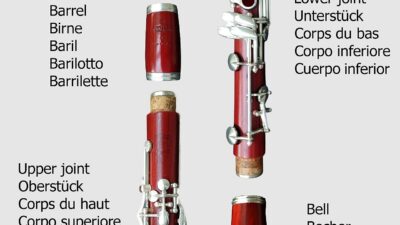
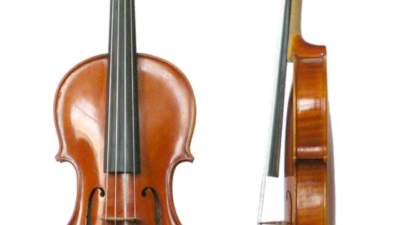
एस.डी. बर्मन की रचना यहाँ खमाज के क़रीब की स्वर-संरचना पर है — वह राग जो मानसून की हल्कापन और प्रेमपूर्ण भावनाओं से जुड़ा है। क्लेरिनेट एक ख़ुशनुमा प्रतिधुन बजाता है, वायलिन गर्माहट देता है। कहरवे की ताल गाने को बातचीत का ठहराव देती है। किशोर कुमार और गीता दत्त एकदम सटीक जोड़ी हैं: किशोर की कॉमेडी-टाइमिंग और आवाज़-अभिनय (वे उतने ही कॉमेडियन थे जितने गायक) गीता की गर्म, ज़मीनी प्रतिक्रिया का पूरक बनता है।
अंग्रेज़ी में पढ़ें · Read in English
S.D. Burman's composition here is built on a Khamaj-adjacent tonality — the raag associated with the lightness of the monsoon and flirtatious emotions. The clarinet plays a cheerful counter-melody, and the violin section provides warmth. The rhythm is unhurried Keherwa, giving the song a conversational pace. Kishore Kumar and Geeta Dutt are perfectly matched: Kishore's comic timing and voice-acting quality (he was as much a comedian as a singer) complement Geeta's warm, grounded response. The back-and-forth structure is musically dynamic — their voices chase each other delightfully.
काव्य The Poetry
शैलेंद्र की प्रतिभा गहरी बातों को बिल्कुल सरल बनाने में थी। 'छोड़ दो आँचल, ज़माना क्या कहेगा' — यह कोई मौलिक विचार नहीं है (यह हर भारतीय प्रेम-कहानी में कहा गया है), लेकिन शैलेंद्र इसे इतनी सीधी, इतनी गर्मजोशी से कहते हैं कि नया लगता है। यह बोल स्त्री के सामाजिक बंधन और इच्छा के बीच के क्लासिक तनाव पर खेलता है — और बड़े प्यार से 'ज़माने' को हल्का सा मज़ाक बनाता है।
अंग्रेज़ी में पढ़ें · Read in English
Shailendra's genius was in making profound observations sound utterly simple. 'Chhod do aanchal, zamana kya kahega' — this is not an original thought (it has been said in every Indian romance), but Shailendra says it so directly, with such warmth, that it sounds freshly invented. The verse plays on the classic tension between feminine social constraint and desire, without condescension — the 'zamana' here is everyone's obstacle, and the song gently ridicules it.
कहानी The Story
'पेइंग गेस्ट' (1957) एक हल्की-फुल्की शहरी कॉमेडी थी — एक पेइंग गेस्ट (देव आनंद) जो बंबई के घर में अपने मकान-मालिक की बेटी (नूतन) से प्यार कर बैठता है। निर्देशक सुबोध मुखर्जी ने देव आनंद की आकर्षक, बेफ़िक्र परदे-छवि के लिए एकदम सही माहौल बनाया। एस.डी. बर्मन को ख़ास तौर पर बुलाया गया क्योंकि मुखर्जी चाहते थे एक 'मज़ेदार, हल्की आवाज़' — और किशोर कुमार की हल्की-कॉमेडी गायकी अद्वितीय थी।
अंग्रेज़ी में पढ़ें · Read in English
Paying Guest (1957) was a light-hearted urban comedy about a paying guest (Dev Anand) falling for his landlord's daughter (Nutan) in a Bombay household. Director Subodh Mukherji created a perfect vehicle for Dev Anand's charming, easy-going screen persona. S.D. Burman was hired specifically for this film by Mukherji after Burman's success with other Dev Anand films. Kishore Kumar was chosen for the playback rather than Mohammed Rafi because Mukherji wanted a 'funny, light voice' — and Kishore's talent for light comedy singing was unmatched.
विरासत The Legacy
'पेइंग गेस्ट' (1957) देव आनंद की सबसे व्यावसायिक रूप से सफल फ़िल्मों में से एक थी और यह गाना उनके पहचानी रोमांटिक नंबरों में से एक बन गया। फ़िल्म ने उस शहरी बंबई रोमांटिक कॉमेडी का ढाँचा बनाया जो 1960 के दशक की शुरुआत में हावी होगी। गीता दत्त का यहाँ मधुर प्रदर्शन अक्सर उनके सबसे आकर्षक हल्के-कॉमेडी रिकॉर्डिंग में उद्धृत किया जाता है।
अंग्रेज़ी में पढ़ें · Read in English
Paying Guest (1957) was one of Dev Anand's most commercially successful films and this song became one of his signature romantic numbers. The film established the template for the urban Bombay romantic comedy that would dominate the early 1960s. The song appears on Dev Anand compilation albums. Geeta Dutt's warm performance here is often cited as one of her most appealing light-comedy recordings. The song has been covered at wedding sangeet events across India for decades.
वर्गीकरण
Classification- Tempo
- Medium
Genre
अन्य विवरण
More Details- Wikipedia: 'Paying Guest (1957 film)' — en.wikipedia.org/wiki/Paying_Guest_(1957_film)
- Wikipedia: 'Geeta Dutt' — en.wikipedia.org/wiki/Geeta_Dutt
- Wikipedia: 'Shailendra' — en.wikipedia.org/wiki/Shailendra_(lyricist)
- Wikipedia: 'Kishore Kumar' — en.wikipedia.org/wiki/Kishore_Kumar
- Anirudha Bhattacharjee & Balaji Vittal, 'Gaata Rahe Mera Dil' (2011) — HarperCollins
References
रोचक तथ्य
Margin Notesदेव आनंद और नूतन की 'पेइंग गेस्ट' (1957) में परदे पर जोड़ी इतनी पसंद की गई कि उन्हें फिर से 'तेरे घर के सामने' (1963) में साथ लिया गया।
अंग्रेज़ी में पढ़ें · Read in English
Dev Anand and Nutan's on-screen chemistry in Paying Guest (1957) was so well-received that they were paired again in Tere Ghar Ke Samne (1963).
किशोर कुमार और गीता दत्त ने बहुत कम बार साथ गाया था — यह गीत उनकी उन गिनी-चुनी युगल रिकॉर्डिंग्स में से एक है, जिसमें दोनों की जुगलबंदी विलक्षण रूप से सहज लगती है।
अंग्रेज़ी में पढ़ें · Read in English
Kishore Kumar and Geeta Dutt rarely sang together — this song is one of the few examples of their recorded pairing, and the chemistry is remarkably natural.
सुबोध मुखर्जी ने देव आनंद की कई व्यावसायिक रूप से सबसे सफल फिल्मों का निर्देशन किया, और उस दौर के भारी-भरकम सामाजिक नाटकों से बिल्कुल अलग एक हल्की-फुल्की रोमांटिक कॉमेडी शैली गढ़ी।
अंग्रेज़ी में पढ़ें · Read in English
Subodh Mukherji directed several of Dev Anand's most commercially successful films, creating a light romantic comedy brand quite distinct from the heavy social dramas of the era.
कहा जाता है कि एस.डी. बर्मन की यह खमाज-प्रभावित धुन उनके बचपन के किसी बंगाली लोकगीत की याद से प्रेरित थी — रूप बदल गया, पर मूल धुन की झलक अब भी पहचानी जा सकती है।
अंग्रेज़ी में पढ़ें · Read in English
S.D. Burman's Khamaj-influenced composition here was reportedly inspired by a Bengali folk song he remembered from childhood — transformed but still traceable in the original melody.
फिल्म 'पेइंग गेस्ट' ने शहरी बंबई की आवास समस्या को अपनी हास्य कथा का आधार बनाया — यह 1950 के दशक की एक बेहद वास्तविक सामाजिक समस्या थी, जिसमें दर्शकों को परदे पर अपनी ही झलक दिखती थी।
अंग्रेज़ी में पढ़ें · Read in English
The film Paying Guest used the concept of urban Bombay's housing shortage as its comic premise — a very real social issue of the 1950s that made audiences recognise themselves on screen.
नमूना-पट्टी
The Specimen Table| शीर्षक | छोड़ दो आँचल · Chhod Do Aanchal |
|---|---|
| फ़िल्म | पेइंग गेस्ट · 1957 |
| वर्ष · युग | 1957 — Golden Era |
| गायक | Kishore Kumar, Geeta Dutt |
| गीतकार | Shailendra |
| संगीतकार | S.D. Burman |
| स्वरूप | युगल |
| गति | मध्यम |
| अवधि | 3:35 |
| भाषा | Hindi · Urdu |
| वाद्य | harmonium · tabla · clarinet · violin |
| भाव | मीठा-कड़वा · चुलबुला · रोमांटिक |
| लोकप्रियता | Popular |
| बोल-स्थिति | केवल झलक |
जुड़े हुए पन्ने
Connected Plates · The Graph Made Visibleअटलस में कोई पन्ना अकेला नहीं — इस गीत से जुड़े गीत, कलाकार, फ़िल्म, राग-ताल-विधा, सब यहाँ से खुलते हैं।
मिलते-जुलते गीत · Related Songs
कलाकार · The Artists
फ़िल्म · The Film
युग · The Era
साझा कीजिए · Share this Plate
यह पन्ना आगे बढ़ाइए
शैलेंद्र प्रेम की सबसे पुरानी पंक्ति को भी ऐसे कह सकते थे जैसे पहली बार कही जा रही हो।
Shailendra could make the oldest line in romance sound like the first time it had ever been said.
— Gulzar, on Shailendra's lyrical gift
सवाल-जवाब
Questions & Answers'छोड़ दो आँचल' किसने गाया? · Who sang 'Chhod Do Aanchal'?
'पेइंग गेस्ट' (1957) में यह आकर्षक युगल गाना किशोर कुमार और गीता दत्त ने गाया। निर्देशक सुबोध मुखर्जी, संगीत एस.डी. बर्मन और बोल शैलेंद्र के थे। देव आनंद और नूतन पर फ़िल्माया गया।
Kishore Kumar and Geeta Dutt sang this charming duet for Paying Guest (1957), directed by Subodh Mukherji. Music was by S.D. Burman and lyrics by Shailendra. It was filmed on Dev Anand and Nutan.
'छोड़ दो आँचल' का क्या अर्थ है? · What is the meaning of 'Chhod Do Aanchal'?
'छोड़ दो आँचल' का अर्थ है 'अपना आँचल छोड़ दो।' आँचल स्त्री की शालीनता और सामाजिक संकोच का प्रतीक है। यह गाना एक चुलबुली विनती है — 'ज़माना क्या कहेगा' की चिंता छोड़कर प्यार को गले लगाओ।
'Chhod do aanchal' means 'let go of your veil (sari end).' The aanchal symbolises feminine modesty and social hesitation. The song is a playful plea to the beloved to set aside social worry ('zamana kya kahega' — what will the world say?) and embrace love.