कलाकार विंग · कलाकार-पट्टिका · Artist Plate
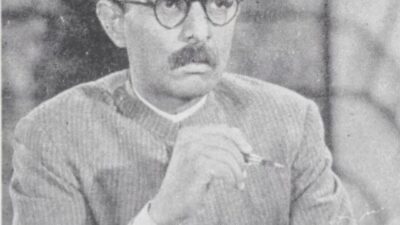
खेमचंद प्रकाश
Khemchand Prakash
जन्म1907 — Rajasthan, India
निधन1950
जीवन-पट्टी
The Life Specimen| नाम | खेमचंद प्रकाश · Khemchand Prakash |
|---|---|
| जन्म | 1907 — Rajasthan, India |
| निधन | 1950 |
| भूमिकाएँ | संगीतकार · रचनाकार |
| विधाएँ | फ़िल्मी · शास्त्रीय · भक्ति · उप-शास्त्रीय · दार्शनिक |
| भाषाएँ | hindi-urdu · hindi-brajbhasha · brajbhasha |
पट्टिका-लेख
The Monographजीवनी Biography
खेमचंद प्रकाश (1907–1950) 1940 के दशक के हिन्दी सिनेमा के सर्वाधिक शास्त्रीय रूप से कठोर संगीत-निर्देशकों में से थे। राजस्थान के एक संगीत-परिवार में जन्मे, उन्होंने बॉम्बे फ़िल्म उद्योग में प्रवेश से पहले हिन्दुस्तानी शास्त्रीय संगीत का प्रशिक्षण प्राप्त किया। रणजीत मूवीटोन में उनका काम — विशेष रूप से 'तानसेन' (1943) का स्कोर — उन्हें राग-फ़िल्म के शिल्पी के रूप में स्थापित कर गया: वह विधा जो नाटकीय फ़िल्म दृश्यों के भीतर पूर्ण-रूप शास्त्रीय राग प्रस्तुतियाँ अंतर्निहित करती है। 1950 में 43 वर्ष की आयु में उनकी मृत्यु से उनका करियर समय से पहले समाप्त हो गया, लेकिन उससे पहले उन्होंने लता मंगेशकर के फ़िल्मी करियर का आरंभ करने वाले प्लेबैक गाने रचे — जिनमें 'महल' (1949) का 'आयेगा आनेवाला' भी था, जो हिन्दी फ़िल्म इतिहास के सर्वाधिक प्रशंसित गानों में से एक है।
अंग्रेज़ी में पढ़ें · Read in English
Khemchand Prakash (1907–1950) was one of the most classically rigorous music directors of 1940s Hindi cinema. Born into a musical family in Rajasthan, he received training in Hindustani classical music before entering the Bombay film industry. His work at Ranjit Movietone — particularly the Tansen (1943) score — established him as the architect of the raag-film: the genre that embedded full-form classical raag presentations within dramatic film sequences. His career was cut short by his death in 1950 at 43, but not before he composed the playback songs that launched Lata Mangeshkar's film career — including 'Aayega Aanewala' from Mahal (1949), one of the most celebrated songs in Hindi film history.
प्रारंभिक जीवन Early Life
खेमचंद प्रकाश एक ऐसे परिवार में पले-बढ़े जो राजस्थानी लोक और हिन्दुस्तानी शास्त्रीय संगीत में डूबा था। उनके औपचारिक प्रशिक्षण का संबंध जयपुर घराने की परंपरा से माना जाता है, हालाँकि विवरण पूरी तरह प्रलेखित नहीं हैं। 1930 के दशक के अंत में वे बॉम्बे गए और रणजीत मूवीटोन में काम मिला — जो उस समय उद्योग के प्रमुख स्टूडियो में से एक था।
अंग्रेज़ी में पढ़ें · Read in English
Khemchand Prakash grew up in a household steeped in Rajasthani folk and Hindustani classical music. His formal training is believed to have been in the Jaipur gharana tradition, though details are incompletely documented. He moved to Bombay in the late 1930s and found work at Ranjit Movietone, then one of the major studios of the industry.
करियर Career
रणजीत मूवीटोन में खेमचंद प्रकाश ने 1940 के दशक के प्रारंभ और मध्य में कई फ़िल्मों का संगीत दिया। 'तानसेन' (1943) उनकी श्रेष्ठ कृति थी: उन्होंने तानसेन-किंवदंती से जुड़े रागों — दीपक, मियाँ की मल्हार, दरबारी — की खोज की और उनके ढाँचे में मौलिक बंदिशें रचीं, जिन्हें के.एल. सहगल और ख़ुर्शीद ने आवाज़ दी। 'तानसेन' में दीपक-मल्हार का प्रसंग भारतीय फ़िल्म में शास्त्रीय राग-नाट्य का सबसे अधिक उद्धृत उदाहरण है। बाद में बॉम्बे टॉकीज़ में उन्होंने 'महल' (1949) रचा — जो लता मंगेशकर के सफलता-गायन 'आयेगा आनेवाला' के लिए याद किया जाता है।
अंग्रेज़ी में पढ़ें · Read in English
At Ranjit Movietone, Khemchand Prakash scored a series of films through the early and mid 1940s. Tansen (1943) was his masterwork: he researched the classical raags associated with the Tansen legend — Deepak, Miyan ki Malhar, Darbari — and composed original bandishes within their frameworks, with K.L. Saigal and Khursheed giving them voice. The Deepak-Malhar sequence in Tansen is the most cited example of classical raag dramaturgy in Indian film. Later, at Bombay Talkies, he composed Mahal (1949) — remembered for 'Aayega Aanewala', sung by Lata Mangeshkar in her breakthrough performance.
विरासत Legacy
खेमचंद प्रकाश की दो विरासतें हैं: 'तानसेन' (1943) — राग-फ़िल्म — और 'महल' (1949) — जिसने लता मंगेशकर को आगे बढ़ाया। उन्होंने स्वयं जिस स्वर्ण-युग की नींव रखने में मदद की, उसके शिखर से पहले ही उनका निधन हो गया — लेकिन हर परवर्ती संगीतकार जिसने शास्त्रीय संगीत को फ़िल्म में लाने की कोशिश की, उनका ऋणी है। नौशाद, एस.डी. बर्मन और मदन मोहन ने 'तानसेन' के स्कोर को एक कसौटी के रूप में स्वीकार किया।
अंग्रेज़ी में पढ़ें · Read in English
Khemchand Prakash's twin legacies are Tansen (1943) — the raag-film — and Mahal (1949) — which launched Lata Mangeshkar. He died before the Golden Era he helped establish reached its zenith, but every subsequent composer who tried to bring classical music into film stands in his debt. Naushad, S.D. Burman, and Madan Mohan each acknowledged the Tansen score as a touchstone.
गायन-शैली Musical Style
खेमचंद प्रकाश की रचना-पद्धति शास्त्रीय राग-व्याकरण में जड़ी थी: वे लोक या प्रचलित धुनों को ढालने के बजाय राग-रूपरेखाओं से फ़िल्मी गाने बनाते थे। उनके काम की पहचान धीमी गति, अनलंकृत सुर-रेखाएँ और पीतल-वाद्य के बजाय तार-वाद्य-वृंद तथा शास्त्रीय वाद्यों की बनावट-गहराई के प्रति प्रेम से होती है।
अंग्रेज़ी में पढ़ें · Read in English
Khemchand Prakash's compositional method was rooted in classical raag grammar: he built film songs from raga frameworks rather than adapting folk or popular melodies. His work is characterised by slow tempos, unornamented melodic lines, and a preference for the textural depth of string ensembles and classical instruments over brass orchestration.
सांस्कृतिक प्रभाव Cultural Impact
खेमचंद प्रकाश की दो महान उपलब्धियाँ: 'तानसेन' (1943) ने राग-फ़िल्म का साँचा स्थापित किया — कथा-फ़िल्म के भीतर नाटकीय शास्त्रीय संगीत — और 'महल' (1949) ने 'आयेगा आनेवाला' दिया, लता मंगेशकर की वह सफलता-रिकॉर्डिंग जिसने उन्हें एक प्रभावी आवाज़ के रूप में स्थापित किया।
अंग्रेज़ी में पढ़ें · Read in English
Khemchand Prakash's two great achievements: Tansen (1943) established the template for the raag-film — classical music dramatised within a narrative film — and Mahal (1949) produced 'Aayega Aanewala', the breakthrough Lata Mangeshkar recording that confirmed her as a dominant voice. Both remain canonical moments in Hindi film music history.
तालीम, विधाएँ और भाषाएँ
Training · Genres · Languagesतालीम · Training
जयपुर घराना (हिंदुस्तानी शास्त्रीय) — राजस्थान में पारिवारिक संगीत-पृष्ठभूमि; विशिष्ट गुरु निश्चित रूप से दर्ज नहीं
शास्त्रीय राग-जड़ित फ़िल्म-संरचना; धीमी गति, अनलंकृत सुर-रेखाएँ, तार-आधारित ऑर्केस्ट्रेशन
विधाएँ · Genres
भाषाएँ · Languages Sung
जीवन-रेखा
Career Highlights-
1943
'तानसेन' — परिभाषक राग-फ़िल्म संगीत, नाटकीय प्रभाव के लिए दीपक, दरबारी और मियाँ की मल्हार का शोध
Tansen — the definitive raag-film score, researching Deepak, Darbari and Miyan ki Malhar for dramatic effect
-
1949
'महल' — लता मंगेशकर के सफलता-गायन के लिए 'आयेगा आनेवाला' रची
Mahal — 'Aayega Aanewala', composed for Lata Mangeshkar in her breakthrough performance
पुरस्कार एवं सम्मान
Awards & Recognition-
सम्मान
जीवनकाल में कोई औपचारिक पुरस्कार नहीं; 'तानसेन' और 'महल' दोनों हिंदी फ़िल्म-संगीत के पाठ-क्रम में स्थायी प्रविष्टियाँ हैं
No formal awards in his lifetime; both Tansen and Mahal are permanent entries in the Hindi film music canon
अन्य विवरण
More Details- Birth Year
- 1907
- Death Year
- 1950
Early Life
खेमचंद प्रकाश एक ऐसे परिवार में पले-बढ़े जो राजस्थानी लोक और हिन्दुस्तानी शास्त्रीय संगीत में डूबा था। उनके औपचारिक प्रशिक्षण का संबंध जयपुर घराने की परंपरा से माना जाता है, हालाँकि विवरण पूरी तरह प्रलेखित नहीं हैं। 1930 के दशक के अंत में वे बॉम्बे गए और रणजीत मूवीटोन में काम मिला — जो उस समय उद्योग के प्रमुख स्टूडियो में से एक था।
Khemchand Prakash grew up in a household steeped in Rajasthani folk and Hindustani classical music. His formal training is believed to have been in the Jaipur gharana tradition, though details are incompletely documented. He moved to Bombay in the late 1930s and found work at Ranjit Movietone, then one of the major studios of the industry.
Career
रणजीत मूवीटोन में खेमचंद प्रकाश ने 1940 के दशक के प्रारंभ और मध्य में कई फ़िल्मों का संगीत दिया। 'तानसेन' (1943) उनकी श्रेष्ठ कृति थी: उन्होंने तानसेन-किंवदंती से जुड़े रागों — दीपक, मियाँ की मल्हार, दरबारी — की खोज की और उनके ढाँचे में मौलिक बंदिशें रचीं, जिन्हें के.एल. सहगल और ख़ुर्शीद ने आवाज़ दी। 'तानसेन' में दीपक-मल्हार का प्रसंग भारतीय फ़िल्म में शास्त्रीय राग-नाट्य का सबसे अधिक उद्धृत उदाहरण है। बाद में बॉम्बे टॉकीज़ में उन्होंने 'महल' (1949) रचा — जो लता मंगेशकर के सफलता-गायन 'आयेगा आनेवाला' के लिए याद किया जाता है।
At Ranjit Movietone, Khemchand Prakash scored a series of films through the early and mid 1940s. Tansen (1943) was his masterwork: he researched the classical raags associated with the Tansen legend — Deepak, Miyan ki Malhar, Darbari — and composed original bandishes within their frameworks, with K.L. Saigal and Khursheed giving them voice. The Deepak-Malhar sequence in Tansen is the most cited example of classical raag dramaturgy in Indian film. Later, at Bombay Talkies, he composed Mahal (1949) — remembered for 'Aayega Aanewala', sung by Lata Mangeshkar in her breakthrough performance.
Legacy
खेमचंद प्रकाश की दो विरासतें हैं: 'तानसेन' (1943) — राग-फ़िल्म — और 'महल' (1949) — जिसने लता मंगेशकर को आगे बढ़ाया। उन्होंने स्वयं जिस स्वर्ण-युग की नींव रखने में मदद की, उसके शिखर से पहले ही उनका निधन हो गया — लेकिन हर परवर्ती संगीतकार जिसने शास्त्रीय संगीत को फ़िल्म में लाने की कोशिश की, उनका ऋणी है। नौशाद, एस.डी. बर्मन और मदन मोहन ने 'तानसेन' के स्कोर को एक कसौटी के रूप में स्वीकार किया।
Khemchand Prakash's twin legacies are Tansen (1943) — the raag-film — and Mahal (1949) — which launched Lata Mangeshkar. He died before the Golden Era he helped establish reached its zenith, but every subsequent composer who tried to bring classical music into film stands in his debt. Naushad, S.D. Burman, and Madan Mohan each acknowledged the Tansen score as a touchstone.
Musical Style
खेमचंद प्रकाश की रचना-पद्धति शास्त्रीय राग-व्याकरण में जड़ी थी: वे लोक या प्रचलित धुनों को ढालने के बजाय राग-रूपरेखाओं से फ़िल्मी गाने बनाते थे। उनके काम की पहचान धीमी गति, अनलंकृत सुर-रेखाएँ और पीतल-वाद्य के बजाय तार-वाद्य-वृंद तथा शास्त्रीय वाद्यों की बनावट-गहराई के प्रति प्रेम से होती है।
Khemchand Prakash's compositional method was rooted in classical raag grammar: he built film songs from raga frameworks rather than adapting folk or popular melodies. His work is characterised by slow tempos, unornamented melodic lines, and a preference for the textural depth of string ensembles and classical instruments over brass orchestration.
अभिलेख-सार
Discography Summary| संग्रह में गीत | 24 — नीचे जुड़े हुए पन्नों में सूचीबद्ध |
|---|---|
| रिकॉर्डिंग-काल | 1935–1950 |
| प्रमुख भूमिका | संगीतकार · रचनाकार |
| नित्य सहयोगी | K.L. Saigal · Lata Mangeshkar · Ashok Kumar |
| हस्ताक्षर-गीत | Aayega Aanewala (Mahal 1949) · Tansen raag compositions (1943) |
| स्रोत | derived from available Hindi film music records |
जुड़े हुए पन्ने
Connected Plates · The Graph Made Visibleअटलस में कोई पन्ना अकेला नहीं — खेमचंद प्रकाश से उनके गीत, फ़िल्में, घराना, समकालीन और युग, सब यहाँ से खुलते हैं।
हस्ताक्षर-गीत · Signature Songs
फ़िल्में · The Films
साझा कीजिए · Share this Plate