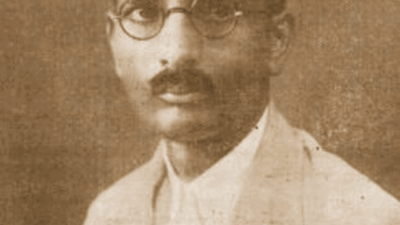
कलाकार विंग · कलाकार-पट्टिका · Artist Plate
केशवराव भोले
Keshavrao Bhole
निधन1967
जीवन-पट्टी
The Life Specimen| नाम | केशवराव भोले · Keshavrao Bhole |
|---|---|
| निधन | 1967 |
| भूमिकाएँ | संगीतकार · रचनाकार · गायक |
| सक्रिय वर्ष | 1930s–1950s |
| विधाएँ | फ़िल्मी · भक्ति · शास्त्रीय · भजन · Abhanga |
| भाषाएँ | hindi · marathi-hindi · hindi-marathi · hindi-braj |
पट्टिका-लेख
The Monographजीवनी Biography
केशवराव भोले प्रभात फिल्म कंपनी के मुख्य संगीतकार थे — कोल्हापुर और पुणे में वी. शांताराम का स्टूडियो, जो आरंभिक भारतीय सवाक् सिनेमा के इतिहास में न्यू थिएटर्स का प्रतिद्वंद्वी था। क्लासिक मराठी नाट्यसंगीत परंपरा (रंगमंच संगीत) में प्रशिक्षित, भोले ने प्रभात के फ़िल्म-स्कोर में एक स्थापत्य-भव्यता लाई जो उन्हें न्यू थिएटर्स की अधिक अंतरंग शैली से अलग करती थी। 'अमृत मंथन' (1934) और बाद में 'संत तुकाराम' (1936) के लिए उनके स्कोर भक्ति फ़िल्म-संगीत विधा के स्तंभ हैं।
अंग्रेज़ी में पढ़ें · Read in English
Keshavrao Bhole was the master musician of Prabhat Film Company, V. Shantaram's studio in Kolhapur and Pune — the rival school to New Theatres in the history of early Indian sound cinema. Trained in the classical Marathi natya-sangeet tradition (theatre music), Bhole brought an architectural grandeur to Prabhat's film scores that distinguished them from the more intimate style of New Theatres. His scores for Amrit Manthan (1934) and later Sant Tukaram (1936) are pillars of the devotional film-music genre.
प्रारंभिक जीवन Early Life
केशवराव भोले ने महाराष्ट्र की समृद्ध नाट्यसंगीत परंपरा में अपनी शुरुआती संगीत-शिक्षा पाई — शास्त्रीय रंगमंच-संगीत का एक रूप जो हिंदुस्तानी रागों को नाटकीय प्रस्तुति के साथ जोड़ता था। प्रभात से जुड़ने से पहले वे संगीत नाटक आंदोलन से घनिष्ठ रूप से जुड़े थे।
अंग्रेज़ी में पढ़ें · Read in English
Keshavrao Bhole received his early musical education in Maharashtra's rich natya-sangeet tradition — a form of classical theatre music that combined Hindustani ragas with dramatic presentation. He was closely associated with the Sangeet Natak movement before joining Prabhat.
करियर Career
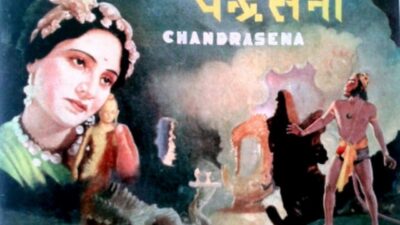
भोले 1930 के दशक की शुरुआत में प्रभात फिल्म कंपनी से जुड़े और स्टूडियो के स्वर्णिम दशक में मुख्य संगीत-निर्देशक बने। उनके प्रमुख कार्यों में 'अमृत मंथन' (1934), 'चंद्रसेना' (1935), और 'संत तुकाराम' (1936) शामिल हैं — अंतिम ने 1937 में वेनिस अंतर्राष्ट्रीय फ़िल्म समारोह में प्रथम पुरस्कार जीता। वे भक्ति सामग्री और सामाजिक नाटक दोनों की संगीत-रचना में समान रूप से सहज थे।
अंग्रेज़ी में पढ़ें · Read in English
Bhole joined Prabhat Film Company in the early 1930s and became its chief music director through the studio's golden decade. His major works include Amrit Manthan (1934), Chandrasena (1935), and Sant Tukaram (1936) — the last winning the first prize at the Venice International Film Festival in 1937. He was as comfortable scoring devotional material as social drama.
विरासत Legacy
'संत तुकाराम' के साथ, भोले ने भारतीय फ़िल्म-संगीत के लिए अंतर्राष्ट्रीय मान्यता प्राप्त की — एक पहली बार। प्रभात में उनके काम ने महाराष्ट्रीयन फ़िल्म-संगीत-रचना की परंपरा को एक विशिष्ट और प्रतिष्ठित परंपरा के रूप में स्थापित किया — बंगाल-आधारित न्यू थिएटर्स दृष्टिकोण से अलग और उसके बराबर।
अंग्रेज़ी में पढ़ें · Read in English
With Sant Tukaram, Bhole achieved international recognition for Indian film music — a first. His work at Prabhat established the Maharashtrian school of film composition as a distinct and distinguished tradition, separate from and equal to the Bengal-based New Theatres approach.
गायन-शैली Musical Style
भोले की रचना-शैली स्थापत्य-गंभीरता से विशेषित है — उनकी धुनें एक ऐसे संकल्प के साथ खुलती हैं जो आरंभिक भारतीय फ़िल्म-संगीत में दुर्लभ था। वे ऑर्केस्ट्रल भार से नहीं डरते थे और फ़िल्म की नैतिक दाँव को नाटकीय बनाने के लिए इसका उपयोग करते थे। नाट्यसंगीत में उनकी जड़ों ने उन्हें राग और ताल का ऐसा खज़ाना दिया जो दूसरी परंपराओं के संगीतकारों को उपलब्ध नहीं था।
अंग्रेज़ी में पढ़ें · Read in English
Bhole's compositional style is characterised by architectural solemnity — his melodies unfold with a deliberateness that was rare in early Indian film music. He was unafraid of orchestral weight and used it to dramatize the film's moral stakes. His rooting in natya-sangeet gave him a repertoire of modes and rhythms unavailable to composers from other traditions.
सांस्कृतिक प्रभाव Cultural Impact
केशवराव भोले के 'संत तुकाराम' के संगीत ने 1937 में वेनिस में किसी भी भारतीय फ़िल्म संगीत के लिए पहली अंतर्राष्ट्रीय मान्यता हासिल की। उनके काम ने महाराष्ट्रीयन फ़िल्म-संगीत-रचना की परंपरा को एक स्वतंत्र परंपरा के रूप में स्थापित किया।
अंग्रेज़ी में पढ़ें · Read in English
Keshavrao Bhole's Sant Tukaram score achieved the first international recognition for any Indian film music at Venice in 1937. His work established the Maharashtrian school of film composition as an independent tradition, demonstrating that natya-sangeet could produce film music of international standing.
तालीम, विधाएँ और भाषाएँ
Training · Genres · Languagesतालीम · Training
मराठी नाट्यसंगीत (रंगमंच-संगीत) परंपरा; प्रभात फिल्म कंपनी से जुड़ने से पहले संगीत नाटक आंदोलन से संबद्ध
स्थापत्य-भव्य महाराष्ट्रीयन शास्त्रीय — हिंदुस्तानी रागों में जड़ें जमाए नाट्यसंगीत
विधाएँ · Genres
भाषाएँ · Languages Sung
जीवन-रेखा
Career Highlights-
1934
'अमृत मंथन' (प्रभात) — प्रभात की भक्ति फ़िल्म-संगीत शब्दावली स्थापित की
Amrit Manthan (Prabhat) — establishes Prabhat's devotional film-music vocabulary
-
1936
'संत तुकाराम' — 1937 में वेनिस अंतर्राष्ट्रीय फ़िल्म समारोह में प्रथम पुरस्कार, भारतीय फ़िल्म संगीत की पहली अंतर्राष्ट्रीय मान्यता
Sant Tukaram — won first prize at Venice International Film Festival 1937, first international recognition for Indian film music
पुरस्कार एवं सम्मान
Awards & Recognition-
सम्मान
'संत तुकाराम' के लिए वेनिस अंतर्राष्ट्रीय फ़िल्म समारोह की मान्यता (1937) — वी. शांताराम और पूरी टीम के साथ साझा
Venice International Film Festival recognition for Sant Tukaram (1937) — shared with V. Shantaram and the full production
अन्य विवरण
More Details- Death Year
- 1967
- Active Years
- 1930s–1950s
Early Life
केशवराव भोले ने महाराष्ट्र की समृद्ध नाट्यसंगीत परंपरा में अपनी शुरुआती संगीत-शिक्षा पाई — शास्त्रीय रंगमंच-संगीत का एक रूप जो हिंदुस्तानी रागों को नाटकीय प्रस्तुति के साथ जोड़ता था। प्रभात से जुड़ने से पहले वे संगीत नाटक आंदोलन से घनिष्ठ रूप से जुड़े थे।
Keshavrao Bhole received his early musical education in Maharashtra's rich natya-sangeet tradition — a form of classical theatre music that combined Hindustani ragas with dramatic presentation. He was closely associated with the Sangeet Natak movement before joining Prabhat.
Career
भोले 1930 के दशक की शुरुआत में प्रभात फिल्म कंपनी से जुड़े और स्टूडियो के स्वर्णिम दशक में मुख्य संगीत-निर्देशक बने। उनके प्रमुख कार्यों में 'अमृत मंथन' (1934), 'चंद्रसेना' (1935), और 'संत तुकाराम' (1936) शामिल हैं — अंतिम ने 1937 में वेनिस अंतर्राष्ट्रीय फ़िल्म समारोह में प्रथम पुरस्कार जीता। वे भक्ति सामग्री और सामाजिक नाटक दोनों की संगीत-रचना में समान रूप से सहज थे।
Bhole joined Prabhat Film Company in the early 1930s and became its chief music director through the studio's golden decade. His major works include Amrit Manthan (1934), Chandrasena (1935), and Sant Tukaram (1936) — the last winning the first prize at the Venice International Film Festival in 1937. He was as comfortable scoring devotional material as social drama.
Legacy
'संत तुकाराम' के साथ, भोले ने भारतीय फ़िल्म-संगीत के लिए अंतर्राष्ट्रीय मान्यता प्राप्त की — एक पहली बार। प्रभात में उनके काम ने महाराष्ट्रीयन फ़िल्म-संगीत-रचना की परंपरा को एक विशिष्ट और प्रतिष्ठित परंपरा के रूप में स्थापित किया — बंगाल-आधारित न्यू थिएटर्स दृष्टिकोण से अलग और उसके बराबर।
With Sant Tukaram, Bhole achieved international recognition for Indian film music — a first. His work at Prabhat established the Maharashtrian school of film composition as a distinct and distinguished tradition, separate from and equal to the Bengal-based New Theatres approach.
Musical Style
भोले की रचना-शैली स्थापत्य-गंभीरता से विशेषित है — उनकी धुनें एक ऐसे संकल्प के साथ खुलती हैं जो आरंभिक भारतीय फ़िल्म-संगीत में दुर्लभ था। वे ऑर्केस्ट्रल भार से नहीं डरते थे और फ़िल्म की नैतिक दाँव को नाटकीय बनाने के लिए इसका उपयोग करते थे। नाट्यसंगीत में उनकी जड़ों ने उन्हें राग और ताल का ऐसा खज़ाना दिया जो दूसरी परंपराओं के संगीतकारों को उपलब्ध नहीं था।
Bhole's compositional style is characterised by architectural solemnity — his melodies unfold with a deliberateness that was rare in early Indian film music. He was unafraid of orchestral weight and used it to dramatize the film's moral stakes. His rooting in natya-sangeet gave him a repertoire of modes and rhythms unavailable to composers from other traditions.
अभिलेख-सार
Discography Summary| संग्रह में गीत | 24 — नीचे जुड़े हुए पन्नों में सूचीबद्ध |
|---|---|
| रिकॉर्डिंग-काल | 1930s–1950s |
| प्रमुख भूमिका | संगीतकार · रचनाकार · गायक |
| नित्य सहयोगी | V. Shantaram · Prabhat Film Company |
| हस्ताक्षर-गीत | Sant Tukaram devotional songs (1936) · Amrit Manthan score (1934) |
| स्रोत | derived from available film music records |
जुड़े हुए पन्ने
Connected Plates · The Graph Made Visibleअटलस में कोई पन्ना अकेला नहीं — केशवराव भोले से उनके गीत, फ़िल्में, घराना, समकालीन और युग, सब यहाँ से खुलते हैं।
हस्ताक्षर-गीत · Signature Songs
फ़िल्में · The Films
साझा कीजिए · Share this Plate