सिनेमा विंग · फ़िल्म-पट्टिका · Film Plate
तारामती
Taramati
शैलीMythology · Drama · भक्ति
भाषाhindi प्रकारकथा-चित्र (फ़ीचर)
गीत9 — नीचे पूरी संगीत-सूची
कथा-सार
Synopsis'तारामती' अपना नाम राजा से नहीं, उसकी पत्नी से लेती है — हरिश्चंद्र-कथा की वह रानी, जिसे अपने छोटे बेटे के साथ दासी बनकर बिकना पड़ता है, क्योंकि उसका पति ऋषि विश्वामित्र को दिया वचन तोड़ने के बजाय अपना राज्य, अपना धन, अपनी स्वतंत्रता और अंततः अपना परिवार तक दे देता है। राजा नेने की 1945 की यह फ़िल्म हिंदी फ़िल्म-सूचियों में केवल 'पौराणिक' के रूप में दर्ज है, और आज उपलब्ध किसी भी स्रोत में इसका प्रिंट, कथासार या समकालीन समीक्षा नहीं मिलती — इसलिए यह फ़िल्म उस कथा के साथ ठीक-ठीक क्या करती थी, यह वापस नहीं पाया जा सकता। लेकिन एचएफ़जीके-आधारित सूचियों में सुरक्षित नौ गीत-शीर्षक कथा के जाने-पहचाने पड़ावों को असामान्य स्पष्टता से रेखांकित करते हैं: एक व्रत जो टलता नहीं ('हरिश्चंद्र का व्रत कभी न टरे'), इंद्र का आह्वान और प्रभु की पुकार, चक्की पर बैठी एक स्त्री, एक माँ जो पूछती है कि अब वह किसे 'लाल' कहे, एक नृत्य-गीत, एक नींद-गीत और गर्व से आगे बढ़ता एक वीर। कलाकारों में सबसे आगे शोभना समर्थ हैं — 1945 तक भारतीय सिनेमा की सबसे पहचानी जाने वाली पौराणिक नायिका, जिन्होंने 'भरत मिलाप' (1942) और 'राम राज्य' (1943) में सीता निभाई थी — और गीतकार मुखराम शर्मा पर अंग्रेज़ी विकिपीडिया का लेख सीधे कहता है कि उन्होंने शीर्षक-भूमिका निभाई थी — इसलिए यह श्रेय प्रमाणित है, यद्यपि बची हुई नामावली स्वयं किसी कलाकार के साथ पात्र का नाम नहीं जोड़ती। उनके साथ नेने के प्रभात-काल के तीन साथी लौटते हैं: वसंत ठेंगड़ी, परेश बैनर्जी और बेबी शकुंतला।
अंग्रेज़ी में पढ़ें · Read in English
Taramati takes its name not from the king but from his wife — the queen of the Harishchandra legend, who is sold into servitude along with her small son when her husband, rather than break a word given to the sage Vishwamitra, gives away his kingdom, his wealth, his freedom and finally his family. Raja Nene's 1945 production is entered in the Hindi film registers simply as a mythological, and no print, plot summary or contemporary review of it appears in any accessible source today, so what this particular film did with the legend cannot be recovered. The nine song titles preserved in the HFGK-derived indexes do, however, trace the story's familiar stations with unusual clarity: a vow that will not bend ('Harishchandra Ka Vrat Kabhi Na Tare'), an invocation of Indra and another of the Lord, a woman at a hand-mill, a mother asking whom she may now call her son, a dance piece, a sleep song and a hero advancing in pride. Shobhana Samarth heads the cast — by 1945 the most recognisable mythological heroine in Indian cinema, having played Sita in Bharat Milap (1942) and Ram Rajya (1943) — and the English Wikipedia article on the lyricist Mukhram Sharma states directly that she played the title role, so that credit is documented even though the surviving cast billing itself attaches no character names to any player. Around her the cast brings back three players from Nene's Prabhat years: Vasant Thengdi, Paresh Banerji and Baby Shakuntala.
संगीत-सूची
The Soundtrackएचएफ़जीके-आधारित गीत-सूचियों में 'तारामती' के नौ गीत दर्ज हैं, और हर एक पर श्रेय-पंक्ति एक ही है: संगीत रामचंद्र पाल और केशवराव भोले का संयुक्त रूप से, बोल मुखराम शर्मा 'अशांत' के। माईस्वर एल्बम का लेबल 'कोलंबिया रिकॉर्ड्स' भी दर्ज करती है; देखे गए स्रोतों में केवल वही किसी लेबल का नाम लेती है — हिंदीगीतमाला, इंडियनसिने.मा और पाक मैगज़ीन कोई लेबल नहीं देते — इसलिए कोलंबिया का श्रेय अकेले माईस्वर पर टिका है। किसी भी गीत के साथ कहीं भी गायक का नाम नहीं है — न हिंदी गीतमाला पर, न माईस्वर/बॉलीस्वर संग्रह में, न 'एनसाइक्लोपीडिया ऑफ़ इंडियन सिनेमा' की प्रविष्टि में — और फ़िल्म का कोई ऑडियो प्रचलन में नहीं दिखता: हिंदी गीतमाला पर नौ में से किसी शीर्षक के लिए न बोल हैं, न वीडियो-लिंक, और कोलंबिया के तवों का कोई स्थानांतरण खुले अभिलेखागारों में सामने नहीं आया। इसलिए इस संगीत का वर्णन केवल उसकी बनावट से किया जा सकता है, और वह बनावट पढ़ी जा सकती है: दो आह्वान-गीत ('हे इंद्र तेरी जय हो', 'हे प्रभु आओ प्रभु'), एक व्रत-गीत, खोए हुए बेटे के लिए एक माँ का विलाप, एक स्त्री का चक्की-गीत, एक नृत्य-गीत, एक नींद-गीत, फूलों को संबोधित एक उपदेश-पद, और एक वीर-गीत। यह ठीक 1940 के दशक की पौराणिक फ़िल्म का गीत-नक्शा है — प्रार्थना, श्रम-गीत, लोरी और विलाप, कथा की रीढ़ पर टिके हुए — और यही सबसे मज़बूत संकेत है कि फ़िल्म मूल कथा के साथ-साथ चलती थी। संयुक्त संगीतकार-श्रेय स्वयं असामान्य है: 'एनसाइक्लोपीडिया ऑफ़ इंडियन सिनेमा' केवल भोले का नाम देता है, हर गीत-सूची दोनों का, और देखे गए किसी भी स्रोत में नौ गीत दोनों के बीच बँटे हुए नहीं हैं।
अंग्रेज़ी में पढ़ें · Read in English
Nine songs are documented for Taramati in the HFGK-derived song indexes, and the credit line is identical on every one of them: music by Ramchandra Pal and Keshavrao Bhole jointly, lyrics by Mukhram Sharma 'Ashant'. MySwar additionally records the album's label as Columbia Records; it is the only source consulted that names a label at all — HindiGeetMala, indiancine.ma and Pak Magazine name none — so the Columbia attribution rests on MySwar alone. Not one singer is named anywhere — not on HindiGeetMala, not in the MySwar/BollySwar compendium, not in the Encyclopaedia of Indian Cinema entry — and no audio from the film appears to circulate: HindiGeetMala carries neither a lyric nor a video link for any of the nine titles, and no transfer of the Columbia discs has surfaced in the open archives. The soundtrack can therefore be described only by its architecture, and that architecture is legible: two invocations ('He Indra Teri Jai Ho', 'He Prabhu Aao Prabhu'), a vow song, a mother's lament for a lost son, a woman's grinding-mill song, a dance piece, a sleep song, a didactic verse addressed to flowers, and a heroic march. That is precisely the song plan of a 1940s mythological — prayer, work song, lullaby and lament laid along the spine of the story — and it is the strongest single piece of evidence that the film followed the legend closely. The joint composer credit is itself unusual: the Encyclopaedia of Indian Cinema names only Bhole, every song index names both men, and no source consulted divides the nine titles between them.
- हरिश्चंद्र का व्रत कभी न टरे Harishchandra Ka Vrat Kabhi Na Tare
- हे इंद्र तेरी जय हो He Indra Teri Jai Ho
- हे प्रभु आओ प्रभु He Prabhu Aao Prabhu
- मैं किसको कहूँ लाल Main Kisko Kahoon Lal
- मेरी चक्की की सुन के रे घोर Meri Chakki Ki Sun Ke Re Ghor
- नाचती कोई परी हो Naachti Koi Pari Ho
- ओ रसीली नींद आ तू O Raseeli Neend Aa Tu
- फूलों से सीखेंगे हम Phoolon Se Seekhenge Hum
- वीर अभिमान से बढ़ता हुआ Veer Abhimaan Se Badhta Hua
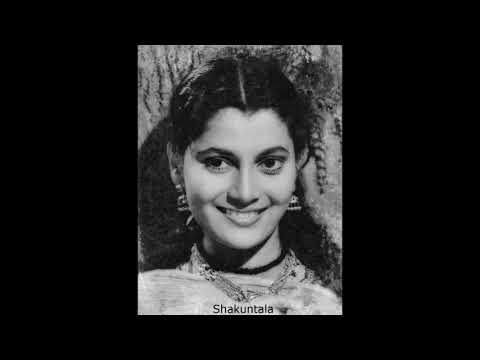
पट्टिका-लेख
The Monographपर्दे के पीछे Behind the Scenes
श्रेय-नामावली के तीनों प्रमुख नाम प्रभात में पहले साथ काम कर चुके थे। मुखराम शर्मा — उत्तर प्रदेश के पूठी गाँव के संस्कृत और हिंदी शिक्षक, जो स्थानीय पत्रिकाओं के लिए कविताएँ और कहानियाँ लिखते थे — 1939 में बंबई आए, काम नहीं मिला, पुणे चले गए और चालीस रुपये महीने पर प्रभात में मराठी सिखाने की नौकरी कर ली; उनका पहला फ़िल्मी काम द्विभाषी 'दस बजे / दहा वाजता' (1942) के बोल और संवाद थे — वही फ़िल्म जो राजा नेने की पहली निर्देशित फ़िल्म थी और जिसका संगीत केशवराव भोले ने दिया था। 'तारामती' इन तीनों को स्टूडियो से बाहर फिर एक साथ लाती है, और 'दस बजे' के कलाकार भी साथ आते हैं: वसंत ठेंगड़ी, परेश बैनर्जी और बेबी शकुंतला दोनों फ़िल्मों में हैं। नेने स्वयं (1912-75, मूल नाम गजानन हरि नेने) प्रभात के साझेदार विष्णुपंत दामले के भांजे थे, उन्होंने वी. शांताराम के साथ 'चंद्रसेना' (1935) और 'अमर ज्योति' (1936) में सहायक का काम किया, 'संत तुकाराम' (1936) के निर्माण में उनकी अहम भूमिका थी, और शांताराम की 'कुंकू / दुनिया ना माने' में उन्होंने अक्खड़ पंडित की भूमिका निभाई थी। भोले (1896-1977), अमरावती के, प्रभात के आधुनिकतावादी थे: 1933 में उन्होंने अग्रगामी मराठी नाटक 'आंधळ्यांची शाळा' में पियानो, हवाइयन गिटार और वायलिन लाए, 'अमृतमंथन' के कलाकारों से जीवंत संगीत पर पूर्वाभ्यास कराया ताकि अभिनय की लय संगीत का अनुसरण करे, और स्वर इस तरह चुने कि वे कलाकारों की बोलती आवाज़ों के प्रतिबिंदु बनें। 1945 की मराठी फ़िल्मों की विकिपीडिया सूची 'तारामती' को मराठी और हिंदी में साथ-साथ बनी फ़िल्म के रूप में दर्ज करती है — वही द्विभाषी तरीक़ा जो नेने ने तीन साल पहले 'दस बजे' में अपनाया था।
अंग्रेज़ी में पढ़ें · Read in English
The three principal names on the credits had already worked together at Prabhat. Mukhram Sharma — a Sanskrit and Hindi teacher from Poothi in Uttar Pradesh who wrote poetry and short stories for local magazines — came to Bombay in 1939, found no work, moved to Pune and joined Prabhat as a Marathi tutor on forty rupees a month; his first film assignment was the lyrics and dialogue of the bilingual Das Baje / Daha Wajta (1942), which was Raja Nene's directorial debut and which Keshavrao Bhole scored. Taramati reunites the three of them away from the studio, and it carries over Das Baje's players as well: Vasant Thengdi, Paresh Banerji and Baby Shakuntala all appear in both films. Nene himself (1912-75, born Gajanan Hari Nene) was a nephew of the Prabhat partner Vishnupant Damle, had assisted V. Shantaram on Chandrasena (1935) and Amar Jyoti (1936), was a key figure in the making of Sant Tukaram (1936), and had acted the boorish Pandit in Shantaram's Kunku / Duniya Na Mane. Bhole (1896-1977), from Amravati, was Prabhat's modernist: he had introduced piano, Hawaiian guitar and violin into the vanguard Marathi play Andhalyanchi Shala in 1933, had the actors of Amritmanthan rehearse to a live score so their performance rhythm followed the music, and chose his scales to counterpoint the actors' speaking voices. Wikipedia's register of 1945 Marathi films records Taramati as shot simultaneously in Marathi and Hindi — the same bilingual method Nene had used on Das Baje three years earlier.
महत्व Significance
'तारामती' का महत्व उसके परदे पर मौजूद सामग्री से कम — जिसे अब कोई देख नहीं सकता — और इस बात से अधिक है कि इसे किसने और क्यों बनाया। प्रभात फ़िल्म कंपनी के कुछ वरिष्ठ लोग पुणे का स्टूडियो एक साथ छोड़ गए: निर्देशक राजा नेने, संगीतकार केशवराव भोले, दत्ता धर्माधिकारी और आठवले — और अपने पीछे प्रभात की प्रतिष्ठित फ़िल्म 'रामशास्त्री' अधूरी छोड़ गए। 'एनसाइक्लोपीडिया ऑफ़ इंडियन सिनेमा' केवल इतना दर्ज करता है कि 'समूह ने तारामती बनाने के लिए मोहन स्टूडियो का साथ लिया'। उपलब्ध फ़िल्म-सूचियों के अनुसार यह विभाजन के बाद उनमें से किसी की भी पहली पूरी हुई फ़िल्म भी है — इंडियनसिने.मा में नेने के निर्देशक-श्रेय 'दहा वाजता' (1942) से सीधे 'तारामती' (1945) पर आते हैं, बीच में कुछ नहीं — जिससे यह उस विभाजन का पहला दिखाई देने वाला परिणाम ठहरती है जिसने प्रभात का शास्त्रीय दौर समाप्त कर दिया — वही विभाजन जिससे 1947 में 'राजा नेने प्रोडक्शंस' और बाद में 'अल्हाद चित्र' निकली, जिसे धर्माधिकारी ने 1950 में अनंत माने तथा अन्य लोगों के साथ मिलकर स्थापित किया। यह केशवराव भोले के अंतिम हिंदी संगीत-कार्यों में से भी है: 'तारामती' के बाद उनके नाम दर्ज श्रेय लगभग पूरी तरह मराठी हैं — 'कुबेर' (1947), 'भाग्यरेखा' (1948) और 'पारिजातक' (1951) — और हिंदी में इसके बाद केवल 'श्रीकृष्ण सत्यभामा' (1951) आती है। भोले वही थे जिन्होंने 1933 में प्रभात में अपेक्षाकृत परंपरावादी गोविंदराव टेंबे की जगह ली थी और 'अमृतमंथन', 'संत तुकाराम' तथा 'कुंकू' का संगीत रचा था।
अंग्रेज़ी में पढ़ें · Read in English
Taramati matters less for what was on its screen — which nobody can now see — than for who made it and why. A group of senior Prabhat Film Company men walked out of the Pune studio together: the director Raja Nene, the composer Keshavrao Bhole, Datta Dharmadhikari and Athavale, leaving Prabhat's prestige production Ramshastri unfinished behind them. The Encyclopaedia of Indian Cinema records simply that 'the group joined Mohan Studio to make Taramati'. On the available filmographies it is also the first film any of them completed after the split — indiancine.ma's director credits for Nene run straight from Daha Wajta (1942) to Taramati (1945) with nothing in between — which would make it the first visible consequence of the break that ended Prabhat's classical period — the same split that would produce Raja Nene Productions in 1947 and, later, Alhaad Chitra, which Dharmadhikari co-founded with Anant Mane and others in 1950. It is also among Keshavrao Bhole's last Hindi scores: after Taramati the credits recorded against his name are almost entirely Marathi — Kuber (1947), Bhagya Rekha (1948) and Parijatak (1951) — with only Shrikrishna Satyabhama (1951) following it in Hindi. Bhole was the man who had replaced the more orthodox Govindrao Tembe at Prabhat in 1933 and written the music for Amritmanthan, Sant Tukaram and Kunku.
विरासत Legacy
'तारामती' का लगभग कुछ भी देखने या सुनने के लिए नहीं बचा: कोई प्रिंट प्रचलन में नहीं, खुली-लाइसेंस वाले चित्र-अभिलेखागारों में कोई स्थिर-चित्र या लॉबी कार्ड नहीं, नौ तवों का कोई स्थानांतरण नहीं, और किसी भी गीत के साथ किसी गायक का नाम नहीं। जो बचा है, वह इसे बनाने वालों का आगे का सफ़र है। राजा नेने ने दो साल बाद अपनी निर्माण-संस्था खड़ी की और फिर तमाशा-आधारित क्लासिक 'पठ्ठे बापूराव' तथा हिंदी फ़िल्म 'पहली तारीख़' (1954) तक पहुँचे, जिसमें उन्होंने अभिनय भी किया। मुखराम शर्मा इन नौ गीतों से चलकर 'औलाद' (1954) के लिए सर्वश्रेष्ठ कहानी का पहला फ़िल्मफ़ेयर पुरस्कार जीतने तक गए, और उसके बाद 'साधना', 'तलाक़' और 'धूल का फूल' लिखीं। शोभना समर्थ ने 'हमारी बेटी' से निर्माण में क़दम रखा और अपनी बेटी नूतन को शुरू किया। कथा स्वयं फ़िल्म से कई गुना लंबी उम्र जी चुकी है — 1913 में दादासाहेब फाल्के की 'राजा हरिश्चंद्र' इसी कथा पर बनी थी, जिसे प्रायः भारत की पहली पूर्ण-लंबाई फ़ीचर फ़िल्म माना जाता है — यद्यपि दादासाहेब तोरणे की 'श्री पुंडलिक' (1912) के पक्ष में इस दावे पर विवाद रहा है, और इससे पहले भी और बाद में भी यह कथा बार-बार फ़िल्माई गई है। इस लंबी क़तार में 'तारामती' की एक विशेषता उसका शीर्षक है: पत्नी का नाम, राजा का नहीं।
अंग्रेज़ी में पढ़ें · Read in English
Almost nothing of Taramati survives to be seen or heard: no print circulates, no still or lobby card has surfaced in the open-licence image archives, no transfer of its nine sides is in circulation, and not one singer's name attaches to any of them. What survives is the trajectory of the people who made it. Raja Nene founded his own production house two years later and went on to the Tamasha classic Patthe Bapurao and to the Hindi film Pehli Tareekh (1954), which he also acted in. Mukhram Sharma went from writing these nine lyrics to winning the first Filmfare Award for Best Story, for Aulad (1954), and then wrote Sadhna, Talaq and Dhool Ka Phool. Shobhana Samarth turned producer with Hamari Beti and launched her daughter Nutan. The story itself has outlived the film many times over — it was the subject of Dadasaheb Phalke's Raja Harishchandra in 1913, generally regarded as the first full-length Indian feature though the claim has been contested on behalf of Dadasaheb Torne's Shree Pundalik (1912), and has been filmed repeatedly before and since. Taramati's one distinction in that long line is its title: the wife's name, not the king's.
अन्य विवरण
More Details- https://www.hindigeetmala.net/movie/taramati.htm
- https://myswar.co/album/taramati-1945
- https://en.wikipedia.org/wiki/List_of_Hindi_films_of_1945
- https://en.wikipedia.org/wiki/List_of_Marathi_films_of_1945
- https://indiancine.ma/EGL/info
- https://en.wikipedia.org/wiki/Keshavrao_Bhole
- https://en.wikipedia.org/wiki/Mukhram_Sharma
- https://en.wikipedia.org/wiki/Shobhana_Samarth
- https://pakmag.net/film/predetails.php?pid=2673
References
नमूना-पट्टी
The Specimen Table| शीर्षक | तारामती · Taramati |
|---|---|
| वर्ष · युग | 1945 — Pre Independence |
| निर्देशक | राजा नेने · Raja Nene |
| संगीत-निर्देशक | रामचंद्र पाल · Ramchandra Pal · केशवराव भोले · Keshavrao Bhole |
| गीतकार | मुखराम शर्मा 'अशांत' · Mukhram Sharma 'Ashant' |
| कलाकार-मंडली | शोभना समर्थ · Shobhana Samarth · वसंत ठेंगड़ी · Vasant Thengdi · अनंत मराठे · Anant Marathe · बेबी शकुंतला · Baby Shakuntala · नायमपल्ली · Nayampalli · परेश बैनर्जी · Paresh Banerji · कन्हैयालाल · Kanhaiyalal · सरोज बोरकर · Saroj Borkar · देवस्कर · Devaskar |
| निर्माण-गृह | Ramnik Productions, Bombay (made at Mohan Studios) |
| शैली | Mythology · Drama · भक्ति |
| भाषा | hindi |
| प्रकार | कथा-चित्र (फ़ीचर) |
| गीत | 9 गीत — ऊपर पूरी संगीत-सूची |
जुड़े हुए पन्ने
Connected Plates · The Graph Made Visibleअटलस में कोई पन्ना अकेला नहीं — 'तारामती' से उसके गीत, कलाकार, राग और युग, सब जुड़े हैं।
इस फ़िल्म के गीत · Songs of this Film
कलाकार · Cast & Crew
युग · The Era
साझा कीजिए · Share this Plate