सिनेमा विंग · फ़िल्म-पट्टिका · Film Plate
वीर कुणाल
Veer Kunal
शैलीHistorical · Drama
भाषाhindi प्रकारकथा-चित्र (फ़ीचर)
गीत4 — नीचे पूरी संगीत-सूची
कथा-सार
Synopsis'वीर कुणाल' — जिसे 'सन ऑफ़ अशोक' नाम से भी प्रदर्शित किया गया — मौर्य सम्राट अशोक के प्रिय पुत्र कुणाल की उस लोक-कथा को दोहराती है जो सदियों से चली आ रही है। कुणाल की माँ असंधिमित्रा का देहांत हो चुका है और शोकग्रस्त सम्राट अंततः एक सामंत की युवा पुत्री तिष्यरक्षिता से विवाह करते हैं, प्रधानमंत्री सोमदेव के विरोध के बावजूद। तिष्यरक्षिता कुणाल पर मोहित हो जाती है — फ़िल्म उस मोह का केंद्र कुणाल की आँखों को बनाती है, और वही आँखें पूरी फ़िल्म की दृश्य-रीढ़ हैं — और उसके अस्वीकार करने पर वह उस पर हत्या का झूठा आरोप लगवाकर उसे कारागार में डलवाती है और उसकी आँखें फुड़वा देती है। दूसरी विमाता कुरुवकी, जिसने उसे सच्चे स्नेह से पाला है, उसे भगाने में मदद करती है; पाटलिपुत्र की जनता अंधे राजकुमार के पीछे खड़ी होकर उसके साथ राजमहल तक कूच करती है। बीमार और लंबे समय से छले गए अशोक अंततः दरबार बुलाते हैं, पूरी कथा सुनते हैं और अपनी ही रानी के विरुद्ध दंड सुनाते हैं — वही निष्पक्ष न्याय, जिसे मनाने के लिए यह कथा जीवित है।
अंग्रेज़ी में पढ़ें · Read in English
Veer Kunal, also released as Son of Ashoka, retells the persistent folk legend of Kunal, the favourite son of the Mauryan emperor Ashok. Kunal's mother Asandhimitra is dead and the grieving emperor eventually marries Tishyarakshita, the young daughter of a chieftain, against the advice of his prime minister Somdev. Tishyarakshita becomes obsessed with Kunal — the film makes his eyes the object of that obsession and the visual spine of the whole picture — and when he refuses her she has him falsely accused of murder, imprisoned and blinded. His other stepmother Kuruvaki, who has raised him with real affection, helps him escape; the townspeople of Pataliputra rally behind the blinded prince and march with him to the palace gates. Ashok, ill and long deceived, finally convenes a durbar, hears the whole story, and delivers judgment against his own wife — the impartial justice that the legend exists to celebrate.
संगीत-सूची
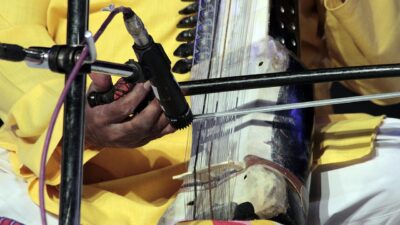
The Soundtrackफ़िल्म में ठीक चार गीत थे, जिनका संगीत ख़ान मस्ताना ने दिया — जो स्वयं 1940 के दशक के मध्य के सबसे व्यस्त गायक-संगीतकारों में से एक थे — और बोल तीन अलग-अलग गीतकारों के थे: नीलकंठ तिवारी (दो गीत), पंडित मधुर (एक) और अम्बिकेश कुंतल (एक)। चारों में से किसी के लिए गायक का श्रेय उपलब्ध नहीं है। न हिंदी फ़िल्म गीत कोश से निकली सूचियाँ (मायस्वर/बॉलीस्वर, हिंदी गीतमाला), न विकिपीडिया, न उस समय की 'फ़िल्मइंडिया' समीक्षा और न स्वयं निर्माता के व्यापार-विज्ञापन किसी पार्श्व-स्वर का नाम देते हैं, और आज कोई व्यावसायिक रिकॉर्डिंग प्रचलन में नहीं है। अनुमान लगाने के बजाय यह सूची हर गायक-प्रविष्टि खाली छोड़ती है। एक बिंदु पर हिंदी गीतमाला अन्य स्रोतों से भिन्न है — वह 'वीणा ऐसा राग सुना दे' का संगीतकार भी पंडित मधुर को बताती है; मायस्वर, विकिपीडिया और फ़िल्मइंडिया पूरा संगीत ख़ान मस्ताना को देते हैं, और यहाँ वही माना गया है।
अंग्रेज़ी में पढ़ें · Read in English
The film carried exactly four songs, composed by Khan Mastana — himself one of the busiest singer-composers of the mid-1940s — to lyrics by three different writers: Neelkanth Tiwari (two songs), Pandit Madhur (one) and Ambikesh Kuntal (one). No singer credits survive for any of the four. Neither the Hindi Film Geet Kosh-derived catalogues (MySwar/BollySwar, Hindi Geet Mala) nor Wikipedia nor the contemporary Filmindia review and the producer's own trade advertisements name a playback voice, and no commercial recording is known to circulate today. Rather than guess, this catalogue leaves every singer field empty. Hindi Geet Mala differs from the other sources on one point, listing Pandit Madhur as composer as well as lyricist of 'Veena Aisa Raag Suna De'; MySwar, Wikipedia and Filmindia all give the whole score to Khan Mastana, and that attribution is followed here.
- वीणा ऐसा राग सुना दे Veena Aisa Raag Suna De

- घिर आए रे पतंग Ghir Aaye Re Patang

- मेरे नैनों के तारे Mere Nainon Ke Taare
- चलो मिलकर चलें Chalo Milkar Chale

पट्टिका-लेख
The Monographपर्दे के पीछे Behind the Scenes
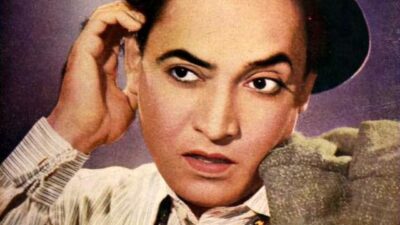
'वीर कुणाल' असामान्य रूप से अक्षरशः एक ही व्यक्ति की फ़िल्म थी: किशोर साहू ने इसका निर्माण किया, निर्देशन किया, कथा और पटकथा लिखी, वेशभूषा और कला-निर्देशन संभाला, और कुणाल की भूमिका स्वयं निभाई। उन्होंने पहली बार कैमरा संभाल रहे छायाकार चंदू को लिया, जिनके स्थिर शॉट्स की 'फ़िल्मइंडिया' ने तारीफ़ की पर पैन और ट्रॉली शॉट्स में कमज़ोरी बताई; ध्वनि-अंकन नरसिंह बेंदोडकर का था और संपादन कांतिलाल बी. शुक्ल का। साहू का रचनात्मक विचार यह था कि कुणाल का परिचय पहले केवल उसकी आँखों से कराया जाए, बाक़ी शरीर फ़्रेम से बाहर और अँधेरे में रखा जाए, ताकि फ़िल्म के अंतिम हिस्से में आँखें फोड़े जाने का दृश्य उस चीज़ के विनाश की तरह लगे जिसे दर्शक ने सबसे पहले और सबसे गहरे जाना था — प्रतीक का यह प्रयोग बाबूराव पटेल को उसी मूल भाव पर बनी वी. शांताराम की समकालीन फ़िल्म से बेहतर लगा। आँखें फोड़ने का दृश्य इतने यथार्थ ढंग से फ़िल्माया गया था कि पटेल के अनुसार दर्शक-दीर्घा में स्त्रियाँ चीख उठती थीं। इस पुरानी कथा के इर्द-गिर्द साहू ने लोकतंत्र के पक्ष में समकालीन राजनीतिक तर्क की एक परत भी बुनी, यही कारण है कि व्यापार-जगत ने इसे जनता से अधिक बुद्धिजीवियों की फ़िल्म कहा।
अंग्रेज़ी में पढ़ें · Read in English
Veer Kunal was a one-man production in an unusually literal sense: Kishore Sahu produced it, directed it, wrote the story and screenplay, designed the costumes and art, and played Kunal himself. He also took a first-time cameraman, Chandu, whose steady shots Filmindia praised while noting that the pans and trolley moves defeated him; sound was recorded by Narasimh Bendodkar and the film was cut by Kantilal B. Shukla. Sahu's structural idea was to introduce Kunal only through his eyes, holding the rest of him out of the frame and in darkness, so that the blinding late in the film would land as the destruction of something the audience had known first and best — a use of a thematic symbol that Baburao Patel thought better handled here than in a contemporaneous V. Shantaram picture built on the same motif. The blinding scene was staged with enough realism that Patel reported women in the audience screaming. Around the legend Sahu also wove a layer of contemporary political argument in favour of democracy, which is why the picture was described in the trade as more for intellectuals than for the masses.
महत्व Significance
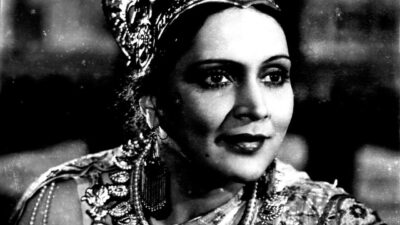
'वीर कुणाल' अपनी कथा के लिए कम याद की जाती है — वह कथा हिंदी में पहले ही दो बार फ़िल्माई जा चुकी थी — और किशोर साहू ने उसके संगीत के साथ जो किया, उसके लिए अधिक। जिस उद्योग में गीतों की संख्या स्वयं एक व्यावसायिक हथियार थी, वहाँ साहू ने पूरी फ़िल्म में केवल चार गीत रखे, और 'फ़िल्मइंडिया' के बाबूराव पटेल के आकलन में उन चार में से तीन ऐसे भाव-गीत थे जो किसी दृश्य का भावनात्मक बोझ उठाने के लिए लिखे गए थे, स्वतंत्र मनोरंजन के लिए नहीं। पटेल ने लिखा कि भारतीय बोलती फ़िल्मों के आरंभ के बाद यह पहला अवसर था जब किसी निर्माता ने इतना कम संगीत दिया और उसका इतना बड़ा हिस्सा परिस्थिति के मिज़ाज के अनुरूप रखा — गीत को आकर्षण नहीं, नाट्य-साधन मानने का एक आरंभिक और स्पष्ट तर्क। यही वह फ़िल्म भी है जिसमें एक दशक से सीता, दमयंती और तारामती जैसी देवी-भूमिकाओं में बँधी शोभना समर्थ को हिंसक तिष्यरक्षिता के रूप में लिया गया, और इसे व्यापक रूप से उनके कैरियर का सर्वश्रेष्ठ अभिनय माना गया।
अंग्रेज़ी में पढ़ें · Read in English
Veer Kunal is remembered less for its story, which had already been filmed twice in Hindi, than for what Kishore Sahu did with its music. In an industry where the number of songs was a commercial instrument, Sahu put only four songs in the picture, and by the reckoning of Filmindia's Baburao Patel three of those four were mood-and-theme songs written to carry the emotional weight of a situation rather than to entertain on their own account. Patel called it the first time since Indian talkies began that a producer had used so little music and kept so much of it in harmony with the spirit of the scenes — an early, explicit argument for the song as dramatic device rather than as attraction. The film is also the picture in which Shobhana Samarth, typed for a decade in the goddess-and-good-wife roles of Seeta, Damayanti and Taramati, was cast as the predatory Tishyarakshita, and it was widely judged the best performance of her career.
विरासत Legacy
1 दिसंबर 1945 को बंबई के नॉवेल्टी टॉकीज़ में हुए प्रीमियर का उद्घाटन सरदार वल्लभभाई पटेल ने किया — रणजीत की 'अछूत' के बाद यह दूसरा ही अवसर था जब उन्होंने किसी फ़िल्म को अपनी उपस्थिति दी — और साहू ने उस मंच से भारतीय निर्माण, वितरण और प्रदर्शन में बढ़ती विदेशी प्रतिस्पर्धा पर हमला किया, जिसके उत्तर में पटेल ने स्वतंत्र भारत की कांग्रेसी औद्योगिक नीति पर सार्वजनिक वक्तव्य दिया। समीक्षाएँ मज़बूत रहीं: 'बॉम्बे क्रॉनिकल' ने सेट और वेशभूषा की, 'संडे स्टैंडर्ड' ने इसे वर्ष की सर्वश्रेष्ठ फ़िल्म कहकर, 'टाइम्स ऑफ़ इंडिया' ने निर्देशन, अभिनय और छायांकन की प्रशंसा की; 'फ़िल्मइंडिया' ने दूसरे हिस्से को सचमुच बाँधने वाला माना, पर असमान निर्माण-स्तर, लगातार बनी रहने वाली गंभीरता और कहीं-कहीं विकृति-सी तीव्रता पर आपत्ति की। फ़िल्म नॉवेल्टी में अच्छी चली और बॉक्स-ऑफ़िस पर सफल बताई गई। कुणाल की कथा पर यह तीसरी हिंदी फ़िल्म थी — मणिलाल जोशी की मूक 'वीर कुणाल' (1925) और एम.डी. भवनानी तथा जी.एस. देवरे की 1932 की बोलती फ़िल्म के बाद — और तमिल में एम.के. त्यागराज भागवतार वाली 'अशोक कुमार' (1941) के बाद। इसके चार गीतों में से अब शीर्षक और लेखन-श्रेय के अलावा कुछ नहीं बचा — उस फ़िल्म के लिए यह तीखी विडंबना है जिसने यह तर्क दिया था कि हिंदी फ़िल्म लगभग बिना संगीत के भी चल सकती है।
अंग्रेज़ी में पढ़ें · Read in English
The premiere at Bombay's Novelty Talkies on 1 December 1945 was inaugurated by Sardar Vallabhbhai Patel — only the second time he had lent his presence to a film, after Ranjit's Achhut — and Sahu used the platform to attack foreign competition in Indian production, distribution and exhibition, drawing from Patel a public statement on Congress's industrial policy for a free India. The reviews were strong: the Bombay Chronicle for its sets and costumes, the Sunday Standard calling it the greatest picture of the year, the Times of India praising the direction, acting and photography, and Filmindia rating the film's second half as genuinely gripping while faulting its uneven production values, unrelieved seriousness and, in places, morbidity. It ran well at the Novelty and was reported a box-office success. It was the third Hindi film on the Kunal legend, after Manilal Joshi's silent Veer Kunal (1925) and the M.D. Bhavnani and G.S. Devare talkie of 1932, and it followed the Tamil Ashok Kumar (1941) with M.K. Thyagaraja Bhagavathar. Of its four songs nothing but the titles and the writing credits now survives — a sharp irony for the film that argued a Hindi picture could get by on almost no music at all.
अन्य विवरण
More Details- https://en.wikipedia.org/wiki/Veer_Kunal
- https://www.hindigeetmala.net/movie/veer_kunal.htm
- https://myswar.co/album/veer-kunal-1945
- https://archive.org/details/filmindia-1946-01
- https://en.wikipedia.org/wiki/Kishore_Sahu
- https://en.wikipedia.org/wiki/Khan_Mastana
References
नमूना-पट्टी
The Specimen Table| शीर्षक | वीर कुणाल · Veer Kunal |
|---|---|
| वर्ष · युग | 1945 — Pre Independence |
| निर्देशक | किशोर साहू · Kishore Sahu |
| संगीत-निर्देशक | ख़ान मस्ताना · Khan Mastana |
| गीतकार | नीलकंठ तिवारी · Neelkanth Tiwari · पंडित मधुर · Pandit Madhur · अम्बिकेश कुंतल · Ambikesh Kuntal |
| कलाकार-मंडली | किशोर साहू · Kishore Sahu · शोभना समर्थ · Shobhana Samarth · दुर्गा खोटे · Durga Khote · मुबारक · Mubarak · नीला नागिनी · Nila Nagini · माया बनर्जी · Maya Banerjee · वसंतराव पहलवान · Vasantrao Pahelwan · मोनी चटर्जी · Moni Chatterjee · कांता कुमारी · Kanta Kumari · रानीबाला · Ranibala |
| निर्माण-गृह | Ramnik Productions |
| शैली | Historical · Drama |
| भाषा | hindi |
| प्रकार | कथा-चित्र (फ़ीचर) |
| गीत | 4 गीत — ऊपर पूरी संगीत-सूची |
जुड़े हुए पन्ने
Connected Plates · The Graph Made Visibleअटलस में कोई पन्ना अकेला नहीं — 'वीर कुणाल' से उसके गीत, कलाकार, राग और युग, सब जुड़े हैं।
इस फ़िल्म के गीत · Songs of this Film
कलाकार · Cast & Crew
युग · The Era
साझा कीजिए · Share this Plate