कलाकार विंग · कलाकार-पट्टिका · Artist Plate
ख़ान मस्ताना
Khan Mastana
जन्मAgra, India
निधन1972
जीवन-पट्टी
The Life Specimen| नाम | ख़ान मस्ताना · Khan Mastana |
|---|---|
| जन्म | Agra, India |
| निधन | 1972 |
| भूमिकाएँ | संगीतकार · गायक |
पट्टिका-लेख
The Monographजीवनी Biography
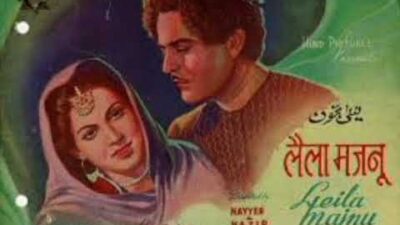
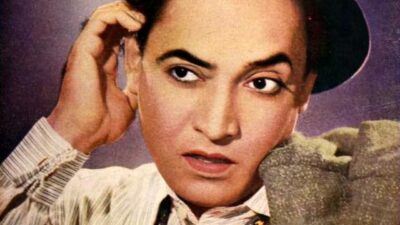
ख़ान मस्ताना, जिनका असली नाम हफ़ीज़ ख़ान था, का जन्म आगरा में हुआ था (विभिन्न स्रोतों में जन्म वर्ष 1916 या 1917 दर्ज है)। वे मुख्यतः 1940 के दशक में सक्रिय एक हिंदी फ़िल्म पार्श्वगायक, संगीत निर्देशक, संगीतकार और अभिनेता थे। उन्होंने दस वर्ष की आयु में अपने पिता से संगीत सीखना शुरू किया, जो स्वयं सितार वादक थे, और आगे की तालीम के लिए उन्हें कलकत्ता में अपने चाचा के पास भेजा गया। पिता की नामंज़ूरी के बावजूद फ़िल्मों में गाने की चाह में उन्होंने पहले गुमनाम रहकर रेडियो पर गायन किया, फिर फ़िल्मी करियर बनाने के लिए बॉम्बे चले गए। उन्हें पहला मौका फ़िल्म "बहादुर किसान" (1938) में मिला, जिसका संगीत मीर साहब ने दिया था — युवा गायक के मस्ताने अंदाज़ से इतने प्रभावित हुए कि उन्होंने ही उन्हें "ख़ान मस्ताना" नाम दे दिया, जो आगे पूरे करियर में उनकी पहचान बन गया। इसके बाद सोहराब मोदी के मिनर्वा मूवीटोन के साथ तीन वर्ष का अनुबंध हुआ, और मोदी ने स्वयं उन्हें फ़िल्म "वसीयत" (1940) के लिए संगीत रचने की ज़िम्मेदारी सौंपी। 1940 के दशक के आरंभ से मध्य तक उन्होंने "सर्कस की सुंदरी" (1941), "बदलती दुनिया" और "राहगीर" (दोनों 1943), "सलमा" (1943), "लैला मजनूं" और "हुमायूँ" (1945), तथा "बैरम ख़ान" (1946) जैसी फ़िल्मों में संगीत भी दिया और गायन भी किया, अपने पूरे करियर में सौ से अधिक गीत रिकॉर्ड किए। ख़ान मस्ताना को आज सबसे अधिक 1948 के देशभक्ति युगल गीत "वतन की राह में वतन के नौजवां शहीद हो" के लिए याद किया जाता है — जिसे ग़ुलाम हैदर ने फ़िल्मिस्तान की सुपरहिट फ़िल्म "शहीद" के लिए संगीतबद्ध किया था और जिसे उन्होंने युवा मोहम्मद रफ़ी के साथ गाया था। 1952 के बाद उन्हें काम मिलना लगभग बंद हो गया; वे संगीत सिखाने हैदराबाद चले गए, और वापस लौटने पर निर्माताओं ने उन्हें काम देना बंद कर दिया। उनकी आख़िरी रिकॉर्डिंग फ़िल्म "नेक ख़ातून" (1959) के लिए हुई। ख़ान मस्ताना का निधन 6 मार्च 1972 को मुंबई के माहिम इलाक़े में ग़रीबी की हालत में हुआ।
अंग्रेज़ी में पढ़ें · Read in English
Khan Mastana, born Hafeez Khan in Agra (sources differ on the exact year, giving either 1916 or 1917), was a Hindi-film playback singer, music director, composer and actor active chiefly through the 1940s. He began learning music at age ten from his father, a sitar player, and was later sent to Calcutta for further training under his uncle. Determined to sing for films despite his father's disapproval, he first performed anonymously on radio before moving to Bombay to pursue a film career.
He got his first break in Bahadur Kisan (1938), composed by Mir Saheb, who was so taken with the young singer's playful spirit that he gave him the stage name "Khan Mastana," which stuck for the rest of his career. A three-year contract with Sohrab Modi's Minerva Movietone followed, and Modi himself entrusted him with composing the music for Vaseeyat (1940). Through the early-to-mid 1940s he both composed and sang for films including Circus Ki Sundari (1941), Badalti Duniya and Rahgeer (both 1943), Salma (1943), Laila Majnu and Humayun (1945), and Bairam Khan (1946), recording well over a hundred songs across his career.
Khan Mastana is best remembered today for the 1948 patriotic duet "Watan Ki Raah Mein Watan Ke Naujawan Shaheed Ho," composed by Ghulam Haider for the blockbuster Filmistan production Shaheed, which he sang alongside a young Mohammed Rafi. Assignments dried up after 1952; he left Bombay to teach music in Hyderabad, and on his return found himself blacklisted by producers. His last recording was for Nek Khatoon (1959). Khan Mastana died in poverty in Mumbai's Mahim locality on 6 March 1972.
अन्य विवरण
More Details- Death Year
- 1972
अभिलेख-सार
Discography Summary| संग्रह में गीत | 24 — नीचे जुड़े हुए पन्नों में सूचीबद्ध |
|---|
अभिलेख व संदर्भ
Archives & References| विकिपीडिया | Wikipedia |
|---|
जुड़े हुए पन्ने
Connected Plates · The Graph Made Visibleअटलस में कोई पन्ना अकेला नहीं — ख़ान मस्ताना से उनके गीत, फ़िल्में, घराना, समकालीन और युग, सब यहाँ से खुलते हैं।
हस्ताक्षर-गीत · Signature Songs
साझा कीजिए · Share this Plate