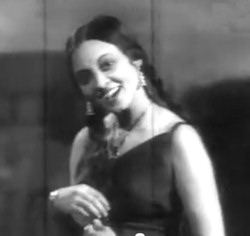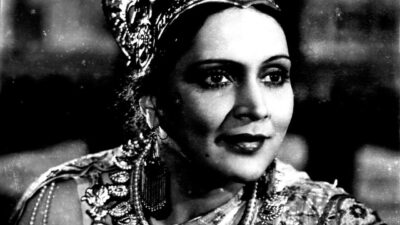
सिनेमा विंग · फ़िल्म-पट्टिका · Film Plate
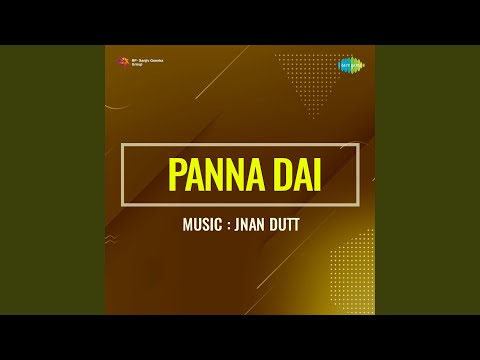
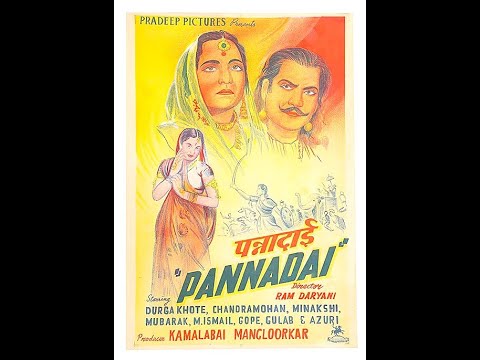
पन्ना दाई
Pannadai
शैलीHistorical · Drama
भाषाhindi प्रकारकथा-चित्र (फ़ीचर)
गीत10 — नीचे पूरी संगीत-सूची
कथा-सार
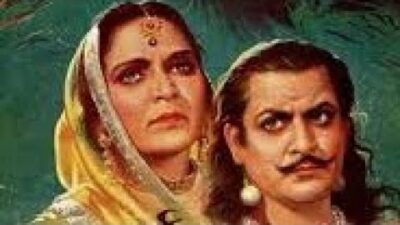
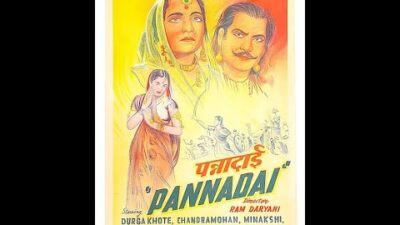
Synopsis'पन्ना दाई' राजपूत स्मृति के सबसे बार-बार कहे गए प्रसंगों में से एक को परदे पर उतारती है — मेवाड़ के शिशु उत्तराधिकारी की धाय पन्ना दाई का बलिदान। चित्तौड़ में रानी कर्णावती के जौहर और विक्रमादित्य की हत्या के बाद हड़पने वाले बनवीर ने सिंहासन के अंतिम दावेदार — पन्ना की गोद में पल रहे बालक उदय सिंह द्वितीय — को भी मिटा देने की ठानी। बनवीर के आने की चेतावनी मिलते ही पन्ना ने अपने ही पुत्र चंदन को राजकुमार की शय्या पर लिटा दिया, उदय सिंह को टोकरी में छिपाकर महल से बाहर निकाला, और अपने बच्चे को राजकुमार के स्थान पर मरते देखा। वह उत्तराधिकारी को लेकर कुम्भलगढ़ के दुर्ग तक पहुँची, जहाँ आश्रय पाकर वह बालक आगे चलकर मेवाड़ का सिंहासन पुनः प्राप्त कर सका। राम दरयानी की यह फ़िल्म, प्रदीप पिक्चर्स के लिए बनी और शीर्षक भूमिका में दुर्गा खोटे को लेकर, इस कथा को स्वामिभक्ति और गौरवमय त्याग की ऐतिहासिक गाथा के रूप में प्रस्तुत करती है।
अंग्रेज़ी में पढ़ें · Read in English
Pannadai dramatises one of the most retold episodes in Rajput memory: the sacrifice of Panna Dhai, nursemaid to the infant heir of Mewar. After Rani Karnavati's jauhar at Chittor and the murder of Vikramaditya, the usurper Banbir moved to wipe out the last claimant to the throne — the child Udai Singh II, who was in Panna's care. Warned that Banbir was coming, Panna laid her own son Chandan in the prince's bed, smuggled Udai Singh out of the palace in a basket, and stood by while the assassin killed her child in the prince's place. She carried the heir through the countryside to the fortress of Kumbhalgarh, where a sympathetic governor sheltered him until he could reclaim Mewar. Ram Daryani's film, made for Pradeep Pictures with Durga Khote in the title role, presents the story as a costume-historical of loyalty and glorious sacrifice, opposite Chandra Mohan and a large character-actor ensemble.
संगीत-सूची
The Soundtrackज्ञान दत्त ने 'पन्ना दाई' के लिए दस गीत रचे, जिनके बोल डी.एन. माधोक — जिन्होंने फ़िल्म का अधिकांश भाग लिखा — और दीवान शरर के बीच बँटे हैं; शरर ने बेगम अख़्तर के गीत और युद्ध-कोरस दिए। संकलन का केंद्र है 'फ़स्ल-ए-गुल आई हमें याद तेरी सताने लगी', जो दो रूपों में जारी हुआ: ज़ोहराबाई अम्बालेवाली की उल्लासभरी प्रस्तुति और बेगम अख़्तर की विषाद-भरी — लगभग एक जैसे बोल, पर पूरी तरह अलग धुनें। यह प्रयोग 1940 के दशक में बाद के वर्षों की तुलना में अधिक प्रचलित था, पर इतनी सुविचारित रूप से विरले ही किया गया। इसके इर्द-गिर्द मीनाक्षी शिरोडकर की तीन हल्की-फुल्की धुनें, राजकुमारी का कोरस-सहित प्रभात-गीत, ख़ान मस्ताना का प्रयाण-गीत और भजन, तथा एक युद्ध-आह्वान कोरस है जिसमें स्वयं दुर्गा खोटे गाती हैं।
अंग्रेज़ी में पढ़ें · Read in English
Gyan Dutt scored ten songs for Pannadai, with lyrics divided between D.N. Madhok, who wrote the bulk of the film, and Dewan Sharar, who supplied the two Begum Akhtar pieces and the battle chorus. The album's centrepiece is 'Fasl-e-Gul Aayi Hamen Yaad Teri Sataane Lagi', issued as a multiple-version song: Zohrabai Ambalewali sings the buoyant reading and Begum Akhtar the sorrowing one, on near-identical words set to wholly different tunes — an approach far more common in the 1940s than later, and rarely done this deliberately. Around it sit Meenakshi Shirodkar's three light melodies, Rajkumari's dawn song with chorus, Khan Mastana's marching number and devotional, and a chorus battle-cry in which Durga Khote herself sings.
- मैं राजा को अपने रिझा के रहूँगी Main Raja Ko Apne Rijha Ke Rahungi स्वर: Begum Akhtar
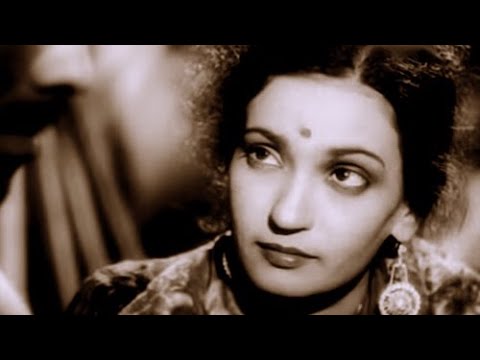
- फ़स्ल-ए-गुल आई हमें याद तेरी सताने लगी Fasl-e-Gul Aayi Hamen Yaad Teri Sataane Lagi स्वर: Zohrabai Ambalewali
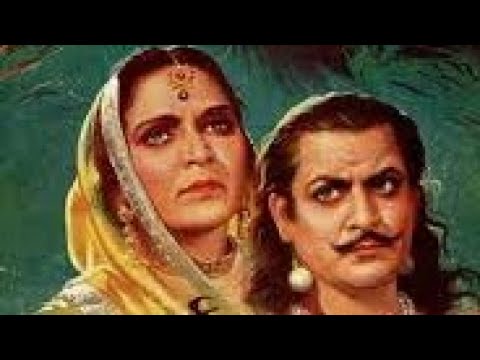
- फ़स्ल-ए-गुल आई (भाग दो) Fasl-e-Gul Aayi (Part II) स्वर: Begum Akhtar
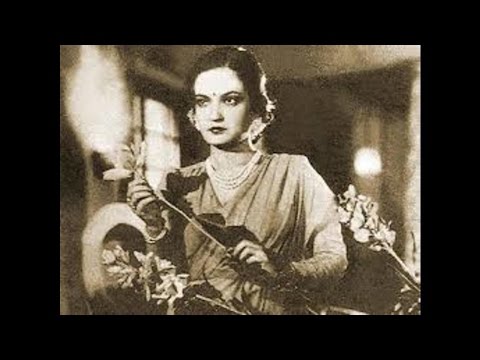
- मंद मंद चले हवा Mand Mand Chale Hawa स्वर: Meenakshi Shirodkar
- मोरे साँवरे सलोने More Sanware Salone स्वर: Meenakshi Shirodkar
- नीले गगन पर लाली छाई Neele Gagan Par Laali Chhayi स्वर: Rajkumari
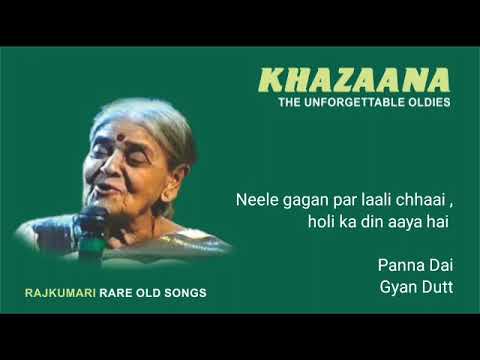
- अपने हुए पराये Apne Huye Paraye स्वर: Meenakshi Shirodkar
- चले मुसाफ़िर ख़ाक वतन की लेकर Chale Musafir Khak Watan Ki Lekar स्वर: Khan Mastana
- मैं तो चरण कमल पर वारी Main To Charan Kamal Par Vaari स्वर: Khan Mastana
- निकल आओ मैदान में Nikal Aao Maidan Mein स्वर: Durga Khote, Meenakshi Shirodkar, Khan Mastana
पट्टिका-लेख
The Monographपर्दे के पीछे Behind the Scenes
फ़िल्म की निर्मात्री कमलाबाई मंगलोरेकर थीं — 1940 के दशक में हिंदी फ़ीचर फ़िल्में बनाने वाली गिनी-चुनी महिलाओं में से एक — और निर्देशक थे राम दरयानी, उस दौर के एक अत्यंत कर्मठ बंबइया फ़िल्मकार। इसके कलाकारों में मराठी रंगमंच के दिग्गज नानासाहेब फाटक, चरित्र-अभिनेता लीला मिश्रा, गोप और गुलाब, नर्तकी अज़ूरी, और मास्टर विट्ठल हैं — वही मास्टर विट्ठल जो भारत की पहली बोलती फ़िल्म 'आलम आरा' (1931) के नायक थे। रिलीज़ पर फ़िल्म का स्वागत कैसा रहा, यह उपलब्ध स्रोतों में दर्ज नहीं है।
अंग्रेज़ी में पढ़ें · Read in English
The film was produced by Kamalabai Mangalorekar, one of the very few women producing Hindi features in the 1940s, and directed by Ram Daryani, a prolific Bombay journeyman of the period. Its cast brings together the Marathi stage actor Nana Saheb Phatak, the character players Leela Mishra, Gope and Gulab, the dancer Azurie, and Master Vithal — the male lead of Alam Ara (1931), India's first talkie. How the film was received on release is not documented in the sources that survive.
महत्व Significance
जिस दशक में बंबई की ऐतिहासिक फ़िल्में लगभग पूरी तरह मुग़ल दरबार के विषयों पर टिकी थीं, 'पन्ना दाई' उन गिनी-चुनी फ़िल्मों में है जो राजपूत इतिहास की ओर मुड़ीं — और एक ऐसी नायिका की ओर जो न रानी है न योद्धा, बल्कि घर की सेविका है। पर इसका स्थायी महत्व नाटकीय से अधिक संगीत-ऐतिहासिक है: उस दौर के सबसे व्यस्त संगीतकारों में गिने जाने वाले ज्ञान दत्त ने यहाँ बेगम अख़्तर की आवाज़ में दो गीत रिकॉर्ड किए — जब वे अभी 'अख़्तरी फ़ैज़ाबादी' के नाम से गाती थीं — और ठीक उसी वर्ष उन्होंने लखनऊ के बैरिस्टर इश्तियाक़ अहमद अब्बासी से विवाह किया, जिसके बाद लगभग पाँच वर्ष उन्होंने सार्वजनिक रूप से नहीं गाया। इस संगीत में एक असामान्य प्रयोग भी है: एक ही रचना दो बिल्कुल अलग धुनों में, दो अलग गायिकाओं की आवाज़ में। साथ ही यह राजकुमारी, ज़ोहराबाई अम्बालेवाली, ख़ान मस्ताना और अभिनेत्री-गायिका मीनाक्षी शिरोडकर के परवर्ती फ़िल्मी काम को सहेजती है।
अंग्रेज़ी में पढ़ें · Read in English
In a decade when Bombay's historical films leaned overwhelmingly on Mughal court subjects, Pannadai is one of a small handful that went instead to Rajput chronicle, and to a heroine who is neither queen nor warrior but a servant of the household. Its enduring importance, however, is musicological rather than dramatic: Gyan Dutt — then among the busiest composers in the industry — recorded two songs here in the voice of Begum Akhtar, billed as Akhtari Faizabadi, in the very year she married the Lucknow barrister Ishtiaq Ahmed Abbasi and stopped singing publicly for nearly five years. The score also contains an unusual formal experiment, a single lyric released in two entirely different tunes sung by two different women, and it preserves late film work by Rajkumari, Zohrabai Ambalewali, Khan Mastana and the actress-singer Meenakshi Shirodkar.
विरासत Legacy
'पन्ना दाई' आज लगभग पूरी तरह अपने रिकॉर्डों के ज़रिये याद की जाती है, अपनी रीलों के ज़रिये नहीं। बेगम अख़्तर की आवाज़ में ज्ञान दत्त की ये दो रचनाएँ उनके उन अंतिम फ़िल्मी गीतों में हैं जो 1945 के विवाह से पहले बने — जिसके बाद वे लगभग पाँच वर्ष सार्वजनिक रूप से नहीं गाईं — और ये उन्हें एक अपरिचित तेवर में पकड़ती हैं; अतुल्स सॉन्ग अ डे इनमें से एक को उस गायिका का पहला चुलबुला गीत बताता है जो गंभीर ग़ज़लों के लिए जानी जाती हैं। 'फ़स्ल-ए-गुल आई' के जुड़वाँ रूप बहु-संस्करण गीत का एक स्पष्ट बचा हुआ उदाहरण हैं — 1940 के दशक की वह प्रथा जो पार्श्वगायन के एक निश्चित संस्करण पर टिक जाने के बाद लगभग लुप्त हो गई। फ़िल्म का विषय स्वयं फ़िल्म से अधिक जिया: पन्ना दाई उदयपुर के पन्ना धाय संग्रहालय, एक राष्ट्रीय पुरस्कार और उनके नाम पर बने नर्सिंग महाविद्यालयों में स्मरण की जाती हैं।
अंग्रेज़ी में पढ़ें · Read in English
Pannadai is remembered today almost entirely through its records rather than its reels. The two Gyan Dutt compositions in Begum Akhtar's voice are among the last film songs she made before her 1945 marriage kept her from public singing for roughly five years, and they catch her in an unfamiliar register — Atul's Song A Day describes one of them as the first frankly playful song its writer had come across from a singer known for grave ghazals. The twin versions of 'Fasl-e-Gul Aayi' are a clear surviving example of the multiple-version song, a 1940s practice that all but vanished once playback settled into a single definitive take per number. The film's own subject has outlived it: Panna Dhai is commemorated in Rajasthan through the Panna Dhai Museum at Udaipur, a national award and nursing colleges named after her.
अन्य विवरण
More Details- https://www.hindigeetmala.net/movie/panna_dai.htm
- https://en.wikipedia.org/wiki/List_of_Hindi_films_of_1945
- https://atulsongaday.me/tag/panna-dai/
- https://atulsongaday.me/2025/03/20/nikal-aao-maidaan-mein-barchhe-sambhaale/
- https://atulsongaday.me/2024/06/03/main-raajaa-ko-apne-rijhaa-ke-rahoongee/
- https://atulsongaday.me/2023/10/30/mand-mand-chalee-hawaa-chalee-hawaa/
- https://atulsongaday.me/2022/09/09/neele-gagan-per-laali-chhaayee/
- https://atulsongaday.me/2015/11/02/fasl-e-gul-aayi-hamen-yaad-teri-aane-lagi/
- https://www.saregama.com/album/panna-dai_120043
- https://www.millenniumpost.in/sundaypost/beacon/ahead-of-times-gyan-dutt-394310
- https://en.wikipedia.org/wiki/Panna_Dai
- https://en.wikipedia.org/wiki/Begum_Akhtar
- https://www.imdb.com/title/tt0158843/
References
नमूना-पट्टी
The Specimen Table| शीर्षक | पन्ना दाई · Pannadai |
|---|---|
| वर्ष · युग | 1945 — Pre Independence |
| निर्देशक | राम दरयानी · Ram Daryani |
| संगीत-निर्देशक | ज्ञान दत्त · Gyan Dutt |
| गीतकार | डी.एन. माधोक · D.N. Madhok · दीवान शरर · Dewan Sharar |
| कलाकार-मंडली | दुर्गा खोटे · Durga Khote · चंद्रमोहन · Chandra Mohan · मीनाक्षी शिरोडकर · Meenakshi Shirodkar · मास्टर विट्ठल · Master Vithal · मुबारक · Mubarak · एम. इस्माइल · M. Ismail · गोप · Gope · गुलाब · Gulab · नानासाहेब फाटक · Nana Saheb Phatak · लीला मिश्रा · Leela Mishra |
| निर्माता | Kamalabai Mangalorekar |
| निर्माण-गृह | Pradeep Pictures, Bombay |
| शैली | Historical · Drama |
| भाषा | hindi |
| प्रकार | कथा-चित्र (फ़ीचर) |
| गीत | 10 गीत — ऊपर पूरी संगीत-सूची |
जुड़े हुए पन्ने
Connected Plates · The Graph Made Visibleअटलस में कोई पन्ना अकेला नहीं — 'पन्ना दाई' से उसके गीत, कलाकार, राग और युग, सब जुड़े हैं।
इस फ़िल्म के गीत · Songs of this Film
कलाकार · Cast & Crew
युग · The Era
साझा कीजिए · Share this Plate