गीत विंग · गीत-पट्टिका · Song Plate
फ़स्ल-ए-गुल आई (भाग दो)
Fasl-e-Gul Aayi (Part II)
उन्हीं बोलों पर बेगम अख़्तर का विषाद-भरा प्रतिरूप — 'पन्ना दाई' की जुड़वाँ रिकॉर्डिंग का दूसरा और गहरा पक्ष।
भावअविस्मरणीय · उदास · पुरानी यादें
भाषाhindi गतिधीमी स्वरूपएकल महिला
श्रेय
The Creditsसूत्र-वाक्य · The Hook
सूत्र-वाक्य
उन्हीं बोलों पर बेगम अख़्तर का विषाद-भरा प्रतिरूप — 'पन्ना दाई' की जुड़वाँ रिकॉर्डिंग का दूसरा और गहरा पक्ष।
In EnglishBegum Akhtar's sorrowing counterpart to the same lyric — the second and darker of Pannadai's twin recordings.
पट्टिका-लेख
The Monographपरिचय Overview
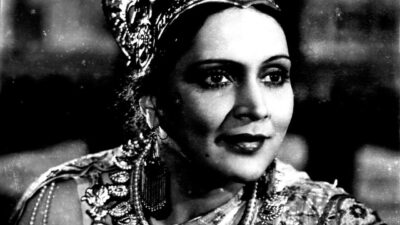
'फ़स्ल-ए-गुल आई' के दूसरे भाग के रूप में जारी यह गीत दोहराव नहीं, अलग रचना है: ज्ञान दत्त ने बेगम अख़्तर को — तब की अख़्तरी फ़ैज़ाबादी को — उन्हीं बोलों के लिए, जो ज़ोहराबाई अम्बालेवाली वाले संस्करण से मामूली ही भिन्न हैं, बिल्कुल अलग धुन दी। वहाँ बहार का लौटना सुख है, यहाँ क्षति। यह उन दो गीतों में दूसरा है जो संगीतकार ने इस फ़िल्म के लिए उनसे रिकॉर्ड कराए, और दोनों में अधिक विशिष्ट।
अंग्रेज़ी में पढ़ें · Read in English
Issued as the second part of 'Fasl-e-Gul Aayi', this is not a reprise but a separate composition: Gyan Dutt gave Begum Akhtar — then Akhtari Faizabadi — a wholly different melody for words that differ only slightly from the Zohrabai Ambalewali version. Where that one takes the return of spring as pleasure, this one takes it as loss. It is the second of the two songs the composer recorded with her for this film, and the more characteristic of the two.
संगीत The Music
यही वह संस्करण है जो बेगम अख़्तर की असल शक्ति के अनुकूल है: धीमी लय, लंबी अनजल्दी पंक्तियाँ, और पंक्तियों के अंत पर वह खुली जगह जहाँ ग़ज़ल गायिका अपना असली काम करती है। ज्ञान दत्त इस रचना को फ़िल्मी मुहावरे से अधिक महफ़िल के मुहावरे के निकट रखते हैं — 1945 की स्टूडियो रिकॉर्डिंग के लिए यह असामान्य है और संकेत देता है कि उन्होंने गीत को दृश्य के नहीं, गायिका के इर्द-गिर्द गढ़ा।
अंग्रेज़ी में पढ़ें · Read in English
This is the version that plays to what Begum Akhtar was: a slow tempo, long unhurried phrases, and space at the ends of lines where a ghazal singer does her real work. Gyan Dutt keeps the setting close to the mehfil idiom rather than the film idiom, which is unusual for a 1945 studio recording and suggests he built the number around the singer rather than around the situation.
काव्य The Poetry
कल्पना ग़ज़ल की सबसे पुरानी है: बहार आती है, सब कुछ खिलता है, और वही खिलना चोट बन जाता है क्योंकि वह नापता है कि क्या नहीं है। इस लय में और इस आवाज़ में पढ़ी जाने पर यह रचना ऋतु-वर्णन नहीं रह जाती, बीतते समय का ब्योरा बन जाती है — और इसीलिए यह जोड़ी सार्थक है। ये दो रिकॉर्डिंग्स किसी भी तर्क से बेहतर दिखाती हैं कि इस भंडार में अर्थ कम से कम उतना ही धुन और गायिका तय करती हैं जितना बोल।
अंग्रेज़ी में पढ़ें · Read in English
The conceit is the ghazal's oldest: spring arrives, everything flowers, and the flowering itself becomes the injury because it measures what is missing. Read at this tempo and in this voice, the poem stops being a seasonal observation and becomes a report on time passing — which is why the pairing works. The two recordings show, better than any argument could, that in this repertoire the tune and the singer decide the meaning at least as much as the words do.
कहानी The Story
'पन्ना दाई' (1945) का निर्माण कमलाबाई मंगलोरेकर ने प्रदीप पिक्चर्स, बंबई के लिए किया और निर्देशन राम दरयानी ने; शीर्षक भूमिका में दुर्गा खोटे थीं तथा चंद्रमोहन, मीनाक्षी शिरोडकर, मास्टर विट्ठल, मुबारक, एम. इस्माइल, गोप और नानासाहेब फाटक सहयोगी भूमिकाओं में। फ़िल्म सोलहवीं सदी के मेवाड़ के उस प्रसंग को कहती है जिसमें बालक उत्तराधिकारी उदय सिंह द्वितीय की धाय पन्ना दाई ने अपने ही पुत्र चंदन को राजकुमार की शय्या पर लिटा दिया ताकि हड़पने वाला बनवीर उसी को मार डाले, और फिर उत्तराधिकारी को कुम्भलगढ़ तक सुरक्षित पहुँचाया। ज्ञान दत्त ने इसके लिए दस गीत रचे, जिनके बोल डी.एन. माधोक और दीवान शरर के बीच बँटे थे।
अंग्रेज़ी में पढ़ें · Read in English
Pannadai (1945) was produced by Kamalabai Mangalorekar for Pradeep Pictures, Bombay, and directed by Ram Daryani, with Durga Khote in the title role and Chandra Mohan, Meenakshi Shirodkar, Master Vithal, Mubarak, M. Ismail, Gope and Nana Saheb Phatak in support. The film retells the sixteenth-century Mewar episode in which Panna Dhai, nursemaid to the child heir Udai Singh II, put her own son Chandan in the prince's bed so the usurper Banbir would kill him instead, then carried the heir to safety at Kumbhalgarh. Gyan Dutt wrote ten songs for it, with lyrics split between D.N. Madhok and Dewan Sharar.
विरासत The Legacy
'मैं राजा को अपने रिझा के रहूँगी' के साथ यह उन अंतिम फ़िल्मी रिकॉर्डिंग्स में है जो बेगम अख़्तर ने 1945 में लखनऊ के बैरिस्टर इश्तियाक़ अहमद अब्बासी से विवाह से पहले कीं — जिसके बाद उनका स्टूडियो-कार्य लगभग पाँच वर्ष थमा रहा। लौटीं तो मंच की ओर और उस ग़ज़ल-दादरा-ठुमरी के भंडार की ओर जिसने उन्हें 'मलिका-ए-ग़ज़ल' बनाया; 1940 के दशक के आरम्भ के फ़िल्मी गीत एक बंद और छोटा अध्याय हैं।
अंग्रेज़ी में पढ़ें · Read in English
Along with 'Main Raja Ko Apne Rijha Ke Rahungi', this is one of the last film recordings Begum Akhtar made before her 1945 marriage to the Lucknow barrister Ishtiaq Ahmed Abbasi ended her studio work for roughly five years. Her return, when it came, was to the concert platform and to the ghazal, dadra and thumri repertoire that made her Mallika-e-Ghazal; the film songs of the early 1940s are a closed and small chapter.
वर्गीकरण
Classification- Tempo
- Slow
Genre
अन्य विवरण
More Details- https://www.hindigeetmala.net/movie/panna_dai.htm
- https://en.wikipedia.org/wiki/List_of_Hindi_films_of_1945
- https://atulsongaday.me/tag/panna-dai/
- https://atulsongaday.me/2015/11/02/fasl-e-gul-aayi-hamen-yaad-teri-aane-lagi/
- https://en.wikipedia.org/wiki/Begum_Akhtar
References
रोचक तथ्य
Margin Notes'फ़स्ल-ए-गुल आई' के दोनों हिस्से भाग एक और भाग दो के रूप में जारी हुए, पर ये एक ही अखंड प्रस्तुति के दो पहलू नहीं, अलग-अलग रचनाएँ हैं।
अंग्रेज़ी में पढ़ें · Read in English
The two halves of 'Fasl-e-Gul Aayi' were released as Part I and Part II but are separate compositions, not two sides of one continuous performance.
नमूना-पट्टी
The Specimen Table| शीर्षक | फ़स्ल-ए-गुल आई (भाग दो) · Fasl-e-Gul Aayi (Part II) |
|---|---|
| फ़िल्म | पन्ना दाई · 1945 |
| वर्ष · युग | 1945 |
| गायक | Begum Akhtar |
| गीतकार | Deewan Sharar |
| संगीतकार | Gyan Dutt |
| स्वरूप | एकल महिला |
| गति | धीमी |
| भाषा | hindi |
| भाव | अविस्मरणीय · उदास · पुरानी यादें |
| लोकप्रियता | Known |
| बोल-स्थिति | केवल झलक |
जुड़े हुए पन्ने
Connected Plates · The Graph Made Visibleअटलस में कोई पन्ना अकेला नहीं — इस गीत से जुड़े गीत, कलाकार, फ़िल्म, राग-ताल-विधा, सब यहाँ से खुलते हैं।
मिलते-जुलते गीत · Related Songs
कलाकार · The Artists
फ़िल्म · The Film
साझा कीजिए · Share this Plate