सिनेमा विंग · फ़िल्म-पट्टिका · Film Plate
परदेसी बालम
Pardesi Balam
शैलीDrama · Romance · Musical
भाषाhindi प्रकारकथा-चित्र (फ़ीचर)
गीत10 — नीचे पूरी संगीत-सूची
कथा-सार
Synopsis'परदेसी बालम' लाहौर की पारकर फ़िल्म्स की एक हिंदुस्तानी फ़िल्म थी, जिसका निर्देशन एम. ए. मिर्ज़ा ने निर्माता डॉ. आनंद प्रकाश पारकर के लिए किया, और जिसके कलाकारों में युवा प्राण भी थे — वही प्राण जो 1942 से 1946 के बीच लाहौर में बीस से अधिक फ़िल्में कर रहे थे। इस फ़िल्म की कहानी का कोई सारांश मानक संदर्भ-साहित्य में सुरक्षित नहीं है। 'हिंदी फ़िल्म गीत कोश' इस चित्र को किसी रिलीज़ वर्ष के बिना दर्ज करता है और इसे उस अदिनांकित 'चालीस का दशक' खंड में रखता है जो उन फ़िल्मों के लिए है जिनके ग्रामोफ़ोन रिकॉर्ड तो बाज़ार में आ गए पर जिनका प्रदर्शन प्रमाणित नहीं होता; उन्हीं रिकॉर्डों पर काम करने वाले संग्राहक-अभिलेख इसे सीधे 'अप्रदर्शित' बताते हैं। कहानी का जितना अनुमान लगता है वह गीत कोश में दर्ज दस गीतों से ही लगता है: एक स्त्री जो परदेसी से प्रीत लगा बैठती है और जिसे चेताया जाता है कि बंजारे का प्यार किसी का नहीं होता; एक नर्तकी का जोबन-गीत; तूफ़ान मेल नाम की रेलगाड़ी पर रचा एक समूह-गीत; पाप के विरुद्ध एक उपदेश; बसंत का उत्सव-गीत; और एक कृष्ण-भजन। फ़िल्म कभी पूरी होकर पर्दे पर आई या नहीं, और विभाजन के बाद लाहौर के स्टूडियो ख़ाली हो जाने पर उसका नेगेटिव कहाँ गया — इसका कोई लेखा नहीं मिलता।
अंग्रेज़ी में पढ़ें · Read in English
Pardesi Balam was a Hindustani production of Parkar Films, Lahore, directed by M. A. Mirza for the producer Dr. Anand Prakash Parkar, with the young Pran — then working through the twenty-odd Lahore pictures he made between 1942 and 1946 — among its cast. No plot summary of the film survives in the standard reference literature. The Hindi Film Geet Kosh carries the picture without a release year at all, filing it in the undated 'Forties' section it reserves for films whose gramophone records reached the shops but whose theatrical release cannot be established; collector archives working from the same records describe it flatly as unreleased. What can be reconstructed of the story comes from the ten songs the Geet Kosh indexes: a woman who gives her heart to a pardesi — an outsider, a man from elsewhere — and is warned that a wanderer's love belongs to nobody; a dancer's display number; a chorus set aboard an express train called the Toofan Mail; a moral admonition against sin; a spring-festival chorus; and a Krishna bhajan. Whether the film was ever finished and shown, and what became of its negative once Partition emptied the Lahore studios two years later, is not recorded anywhere we could find.
संगीत-सूची
The Soundtrackदसों गीतों का संगीत डॉ. इनायत हुसैन क़ुरैशी ने दिया — रिकॉर्ड लेबलों पर वे केवल 'आई. एच. क़ुरैशी' लिखे मिलते हैं — और दसों के बोल ज़हीर कश्मीरी ने लिखे, जो उस दौर के लिए असामान्य है, जब बंबई और लाहौर की फ़िल्में अपने गीत तीन-चार शायरों में बाँट देती थीं। यह संकलन वह पूरा दायरा छूता है जो 1940 के दशक के किसी साउंडट्रैक से अपेक्षित था: वीरानी की दो उर्दू ग़ज़लें ('अब कोई आरज़ू नहीं' और 'बेकस का यहाँ कोई मददगार नहीं है'), ज़ुल्फ़ों को काले नाग कहने वाली पुरानी तशबीह पर बना एक प्रणय-युगल, परदेसी से प्रीत लगाने वाला शीर्षक-भाव का लोक-युगल, एक नर्तकी का गीत, तूफ़ान मेल के नाम पर रचा एक नवीन समूह-गीत, बसंत का उत्सव-गीत, एक उपदेश-गीत, और अंत में एक कृष्ण-भजन। गीत कोश रिकॉर्ड कंपनी के रूप में ग्रामोफ़ोन कंपनी ऑफ़ इंडिया (जीसीआईएल-एचएमवी) का नाम देता है, जबकि मायस्वर की सूची इसके बजाय कोलंबिया रिकॉर्ड्स को श्रेय देती है। दस में से पाँच पक्ष आज भी प्रचलन में हैं। उनमें से चार — 'अब कोई आरज़ू नहीं', 'बेकस का यहाँ कोई मददगार नहीं है', 'मेरा जोबन छब दिखलाए' और 'परदेसी से प्रीत लगाई' — सरेगामा की डिजिटल सूची में मौजूद चार-गीतों वाला 'परदेसी बालम' एल्बम बनाते हैं, जिस पर 1946 की कॉपीराइट पंक्ति है; पाँचवाँ, 'तेरी ज़ुल्फ़ें हैं नाग काले', उस सूची में नहीं है और संग्राहकों की अपलोड की गई प्रतियों के रास्ते बचा है। गीत कोश दस में से केवल एक गीत के गायकों के नाम दे सका।
अंग्रेज़ी में पढ़ें · Read in English
All ten songs were composed by Dr. Inayat Husain Qureshi — credited on record labels simply as I. H. Qureshi — and all ten were written by Zahir Kashmiri, an unusual single-lyricist score at a time when Bombay and Lahore films routinely divided their songs among three or four poets. The set covers the whole range a 1940s soundtrack was expected to cover: two Urdu ghazals of desolation (Ab Koi Aarzoo Nahin and Bekas Ka Yahan Koi Madadgaar Nahin Hai), a courtship duet built on the old conceit of the beloved's hair as black serpents, the title-idea folk duet about loving a pardesi, a dancer's number, a novelty chorus named for the Toofan Mail express, a spring-festival chorus, a moral admonition, and a Krishna bhajan to close. The Geet Kosh names the Gramophone Company of India (GCIL-HMV) as the record company, though myswar's catalogue credits Columbia Records instead. Five of the ten sides still circulate. Four of them — Ab Koi Aarzoo Nahin, Bekas Ka Yahan Koi Madadgaar Nahin Hai, Mera Joban Chhab Dikhlaye and Pardesi Se Preet Lagai — make up the four-track Pardesi Balam album in Saregama's digital catalogue, carrying a 1946 copyright line; the fifth, Teri Zulfen Hain Naag Kaale, is absent from that catalogue and survives instead through collector uploads. The Geet Kosh could name singers for only one of the ten.
- आओ आओ ऐ बाबू चली है तूफ़ान मेल Aao Aao Ae Babu Chali Hai Toofan Mail
- मेरा जोबन छब दिखलाए जिया लहराए रे Mera Joban Chhab Dikhlaye Jiya Lahraye Re स्वर: नज़ीरा बेगम
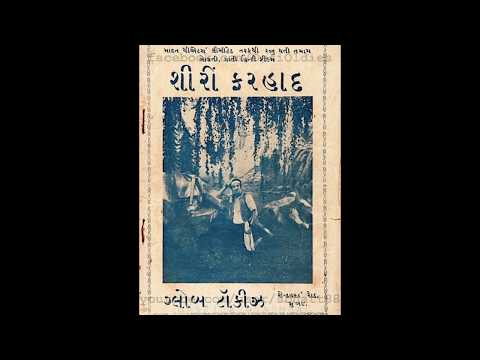
- बेकस का यहाँ कोई मददगार नहीं है Bekas Ka Yahan Koi Madadgaar Nahin Hai स्वर: मुनव्वर सुल्ताना
- काहे पाप करे पापी Kaahe Paap Kare Paapi
- अब कोई आरज़ू नहीं अब कोई आसरा नहीं Ab Koi Aarzoo Nahin Ab Koi Aasra Nahin
- तेरी ज़ुल्फ़ें हैं नाग काले Teri Zulfen Hain Naag Kaale स्वर: नज़ीरा बेगम, इनायत भट्टी
- परदेसी से प्रीत लगाई Pardesi Se Preet Lagai स्वर: दिलशाद बेगम
- ये इश्क़ न तुझको भाए Yeh Ishq Na Tujhko Bhaye
- आओ बसंत मनाएं Aao Basant Manayen
- श्याम सलोने आओ आओ Shyam Salone Aao Aao
पट्टिका-लेख
The Monographपर्दे के पीछे Behind the Scenes
इस फ़िल्म के क्रेडिट स्वयं फ़िल्म-इतिहास की एक छोटी-सी बरामदगी हैं। 'हिंदी फ़िल्म गीत कोश' की प्रविष्टि में दर्ज टिप्पणी बताती है कि निर्माता, निर्देशक, गीतकार, संगीतकार और अभिनेताओं की जानकारी कराची निवासी सुल्तान अरशद ख़ान के सौजन्य से प्राप्त हुई — अर्थात् यह नामावली इसलिए बची कि पाकिस्तान के एक निजी संग्राहक ने दशकों बाद इसे उपलब्ध कराया, इसलिए नहीं कि किसी व्यापार-पत्रिका ने इसे दर्ज किया था। सेंसर का एकमात्र सुरक्षित विवरण यह है कि प्रमाणन केंद्र बंबई था — लाहौर की फ़िल्म के लिए यह अपने आप में असामान्य है, और शायद यही कारण है कि भारतीय स्रोत इसे कभी-कभी 1945 का बताते हैं, जबकि गीत कोश इसे कोई वर्ष नहीं देता। ज़हीर कश्मीरी का उस दौर का बाक़ी काम इस फ़िल्म को उसकी जगह पर बिठा देता है: उन्होंने 'रागिनी' (1945) के लिए लिखा, जो लाहौर की ही फ़िल्म थी और जिसमें प्राण भी थे; फिर 'कहाँ गए' (1946) और ख़ुर्शीद अनवर के साथ 'आज और कल' (1947) — और 'परदेसी बालम' की तरह एक और अदिनांकित 'चालीस का दशक' शीर्षक, 'बसंत पंचमी'।
अंग्रेज़ी में पढ़ें · Read in English
The credits for this film are themselves a small piece of film-history salvage. The Hindi Film Geet Kosh entry carries a remark stating that its information on the producer, director, lyricist, music director and actors was obtained courtesy of Sultan Arshad Khan, a resident of Karachi — that is, the crew list survives because a private collector in Pakistan supplied it decades later, not because any Indian trade paper recorded it. The only censor detail preserved is that the certifying centre was Bombay, which is itself odd for a Lahore production and may be why the film is sometimes dated 1945 in Indian sources even though the Geet Kosh assigns it no year. Zahir Kashmiri's other film work of the period places the picture: he wrote for Ragini (1945), a Lahore film that also featured Pran, for Kahan Gaye (1946), and for Aaj Aur Kal (1947) with Khursheed Anwar — and, like Pardesi Balam, one further undated 'Forties' title, Basant Panchmi.
महत्व Significance
'परदेसी बालम' का महत्व कलात्मक से अधिक दस्तावेज़ी है। यह विभाजन-पूर्व लाहौर की उन फ़िल्मों में से है जो अब केवल गीत कोश की एक प्रविष्टि और मुट्ठी भर शेलैक रिकॉर्डों के रूप में बची हैं — न प्रिंट, न पोस्टर, न कोई समीक्षा, यहाँ तक कि रिलीज़ का कोई निश्चित वर्ष भी नहीं। यह दिखाता है कि 1940 के दशक के हिंदी फ़िल्म उद्योग के किनारों पर अभिलेख कितना पतला पड़ जाता है। इसका महत्व इस बात में भी है कि इस पर काम किसने किया: दसों गीतों के बोल ज़हीर कश्मीरी के हैं — अमृतसर में जन्मे वे उर्दू शायर जो प्रगतिशील लेखक संघ से जुड़े थे — और जिस एक गीत के गायकों के नाम गीत कोश दे पाया, उसमें नज़ीरा बेगम और इनायत भट्टी दर्ज हैं — उस पूरे 1931-1985 के डेटाबेस में इनमें से कोई भी नाम किसी दूसरे गीत के सामने नहीं मिलता। हिंदी फ़िल्म संगीत की गणना करने वाली किसी परियोजना के लिए ऐसी प्रविष्टि ही फ़िल्मोग्राफ़ी और सच्ची जनगणना के बीच का अंतर है।
अंग्रेज़ी में पढ़ें · Read in English
The importance of Pardesi Balam is documentary rather than artistic. It is one of the pre-Partition Lahore productions that survive only as a Geet Kosh entry and a handful of shellac sides — no print, no poster, no review, not even a settled release year — and it shows how thin the record becomes at the edges of the 1940s Hindi film industry. It matters, too, because of who worked on it: the lyrics of all ten songs are by Zahir Kashmiri, the Amritsar-born Urdu poet of the Progressive Writers' Association, and the one song whose singers the Geet Kosh could name credits two voices — Nazira Begum and Inayat Bhatti — neither of which name appears against any other song in that entire 1931-1985 database. For a project cataloguing Hindi film music, an entry like this is the difference between a filmography and a real census: the film that nobody remembers is exactly the one that ordinarily disappears.
विरासत Legacy
'परदेसी बालम' अपने पीछे लगभग कुछ नहीं छोड़ गई, और यही अभाव उसका उत्तरजीवन है। फ़िल्म का कोई विकिपीडिया लेख नहीं, कोई सुरक्षित कथासार नहीं, कोई प्रमाणित प्रदर्शन नहीं; जो बचा है वह है गीत कोश का एक पन्ना, आईएमडीबी की एक अधूरी प्रविष्टि, सिनेमाअज़ी की एक सूची, और दस इंच के पाँच रिकॉर्ड-पक्ष जिन्हें संग्राहकों ने डिजिटल कर के ऑनलाइन रख दिया है। इसका सबसे टिकाऊ चिह्न किसी डेटाबेस की एक पंक्ति है: युगल गीत 'तेरी ज़ुल्फ़ें हैं नाग काले' पूरे 1931-1985 के गीत कोश-संग्रह में 'इनायत भट्टी' नाम से दर्ज एकमात्र गीत है, और 'नज़ीरा बेगम' नाम से दर्ज भी एकमात्र — यद्यपि वही डेटाबेस अलग से केवल 'नज़ीरा' नाम की एक गायिका भी रखता है, जिसे 'तूफ़ान एक्सप्रेस' (1938) और 'मुक़ाबला' (1942) में श्रेय मिला है, और जो वही कलाकार हो भी सकती हैं और नहीं भी। इन रिकॉर्डों के दबने के दो साल बाद विभाजन ने उस उद्योग को ही चीर दिया जिसने उन्हें बनाया था, और जिन लाहौरी स्टूडियो ने 'परदेसी बालम' बनाई वे पाकिस्तानी सिनेमा के केंद्रक में ढल गए — इसीलिए इस तरह की इतनी सारी फ़िल्में आज सरहद के दोनों ओर बैठे संग्राहकों की स्मृति में ही बची हैं।
अंग्रेज़ी में पढ़ें · Read in English
Pardesi Balam left almost nothing behind, and that absence is its afterlife. The film has no Wikipedia article, no surviving synopsis and no confirmed release; what remains is a Geet Kosh page, an IMDb stub, a Cinemaazi listing, and five ten-inch record sides that collectors have digitised and put online. Its most durable trace is a single line in a database: the duet Teri Zulfen Hain Naag Kaale is the only song in the entire 1931-1985 Geet Kosh corpus credited to the name Inayat Bhatti, and the only one credited to the name Nazira Begum — though the same database separately carries a singer listed simply as 'Nazira', credited in Toofan Express (1938) and Muqabla (1942), who may or may not be the same performer. Two years after these records were pressed, Partition split the industry that made them, and the Lahore studios that produced Pardesi Balam were reconstituted as the nucleus of Pakistani cinema — which is why so many films of this kind exist today only in the memory of collectors on both sides of the border.
अन्य विवरण
More Details- https://hamraaz.org/filmssite/public/film.php?id=2155
- https://hindi-movies-songs.com/hfgk/index.php
- https://myswar.co/album/pardesi-balam-1946
- https://www.cinemaazi.com/film/pardesi-balam
- https://www.imdb.com/title/tt2529932/
- https://en.wikipedia.org/wiki/Pran_(actor)
- https://www.rekhta.org/poets/zaheer-kashmiri/profile
- https://hamraaz.org/filmssite/public/person.php?id=10943
- https://hamraaz.org/filmssite/public/person.php?id=10944
- https://www.jiosaavn.com/album/pardesi-balam/iTM,F,VC-l0_
References
नमूना-पट्टी
The Specimen Table| शीर्षक | परदेसी बालम · Pardesi Balam |
|---|---|
| वर्ष · युग | 1945 — Pre Independence |
| निर्देशक | एम. ए. मिर्ज़ा · M. A. Mirza |
| संगीत-निर्देशक | डॉ. इनायत हुसैन क़ुरैशी · Dr. Inayat Husain Qureshi |
| गीतकार | ज़हीर कश्मीरी · Zahir Kashmiri |
| कलाकार-मंडली | प्राण · Pran · एम. ए. मिर्ज़ा · M. A. Mirza · बेगम परवीन · Begum Parveen · दीपक · Deepak · कृष्णा कुमारी · Krishna Kumari · दीना कोहली · Dina Kohli · अबू शाह · Abu Shah · फ़ज़ल शाह · Fazal Shah · करीमदाद · Karimdad |
| निर्माता | Dr. Anand Prakash Parkar |
| निर्माण-गृह | Parkar Films, Lahore |
| शैली | Drama · Romance · Musical |
| भाषा | hindi |
| प्रकार | कथा-चित्र (फ़ीचर) |
| गीत | 10 गीत — ऊपर पूरी संगीत-सूची |
जुड़े हुए पन्ने
Connected Plates · The Graph Made Visibleअटलस में कोई पन्ना अकेला नहीं — 'परदेसी बालम' से उसके गीत, कलाकार, राग और युग, सब जुड़े हैं।
इस फ़िल्म के गीत · Songs of this Film
कलाकार · Cast & Crew
युग · The Era
साझा कीजिए · Share this Plate
यह पन्ना आगे बढ़ाइए
जुड़ी हुई दुनिया
Explore ConnectionsSoundtrack · गीत (10)
बेकस का यहाँ कोई मददगार नहीं है
Bekas Ka Yahan Koi Madadgaar Nahin Hai
मुनव्वर सुल्ताना · Pardesi Balam
मेरा जोबन छब दिखलाए जिया लहराए रे
Mera Joban Chhab Dikhlaye Jiya Lahraye Re
नज़ीरा बेगम · Pardesi Balam