गीत विंग · गीत-पट्टिका · Song Plate
परदेसी मोरे नींद चुराये
Pardesi More Nind Churaye
वह परदेसी जो नींद चुरा ले गया — उत्तर भारतीय प्रेम-गीत की सबसे पुरानी शिकायत, युगल के रूप में गाई हुई।
भावउदास · रोमांटिक
भाषाhindi स्वरूपयुगल
श्रेय
The Creditsसूत्र-वाक्य · The Hook
सूत्र-वाक्य
वह परदेसी जो नींद चुरा ले गया — उत्तर भारतीय प्रेम-गीत की सबसे पुरानी शिकायत, युगल के रूप में गाई हुई।
In EnglishThe stranger who takes her sleep away — the oldest complaint in the North Indian love lyric, sung as a duet.
पट्टिका-लेख
The Monographपरिचय Overview
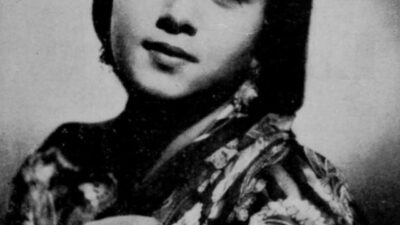
एलबम का दूसरा निर्मला देवी–ख़ान मस्ताना युगल, और वह जिसका शीर्षक परंपरागत गीत-भंडार में सबसे पीछे तक जाता है। 'परदेसी' — दूर देश का पुरुष, जो चला गया या जो यहाँ का नहीं — और चुराई हुई नींद विरह की उस काव्य-परंपरा के दो स्थिर प्रतीक हैं जो ठुमरी, कजरी और हिंदी पट्टी के लोकगीत में बहती है। इसे स्त्री के एकल के बजाय युगल बनाना दिलचस्प चुनाव है: यह शिकायत परंपरा से अकेले उसी की होती है, और उसके सामने पुरुष स्वर रख देने से वह विलाप से संवाद में बदल जाती है।
अंग्रेज़ी में पढ़ें · Read in English
The second Nirmala Devi–Khan Mastana duet on the album, and the one whose title reaches furthest back into the traditional repertoire. 'Pardesi' — the man from elsewhere, the one who has gone away or who does not belong here — and stolen sleep are two of the fixed figures of viraha, the poetry of separation that runs through thumri, kajri and the folk song of the Hindi belt. Casting it as a duet rather than a woman's solo is the interesting choice: the complaint is conventionally hers alone, and putting a male voice opposite her changes it from a lament into an exchange.
संगीत The Music
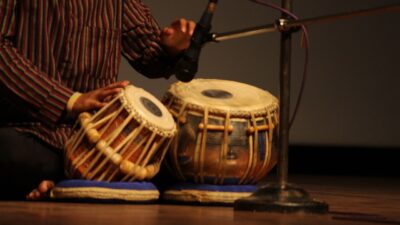
कोई रिकॉर्डिंग प्रचलन में नहीं है, इसलिए इस विशेष गीत की संगीत-रचना के बारे में कोई दावा नहीं किया जा सकता। जो प्रलेखित है वह इन वर्षों में गोबिंद राम की शैली है: स्पष्ट पंजाबी लोक-रंग के बजाय ग़ज़ल और ठुमरी की छाया लिए हल्की मधुर स्वर-रचना, हारमोनियम, सारंगी और तबले के इर्द-गिर्द बना छोटा वाद्यवृंद, और ऐसी धुनें जो शास्त्रीय-प्रशिक्षित आवाज़ को खींचने के बजाय उसके मध्य सप्तक में आराम से बैठती हैं। इन वर्षों के फ़िल्मी संगीत में विरह के स्वर का अर्थ आम तौर पर विलंबित से मध्य लय, आवाज़ के पीछे चलती सारंगी, और पंक्तियों के अंत में लंबे ठहरे हुए स्वर होता था; गोबिंद राम ने यहाँ ऐसा ही लिखा या नहीं, यह रिकॉर्ड के बिना सत्यापित नहीं है।
अंग्रेज़ी में पढ़ें · Read in English
No recording is in circulation, so nothing can be claimed about how this particular number was set. What is documented is Gobind Ram's manner in these years: light melodic writing with a ghazal and thumri inflection rather than a distinctly Punjabi folk one, a small orchestra built around harmonium, sarangi and tabla, and tunes pitched to sit comfortably in the middle of a classically trained voice instead of stretching it. The viraha register in film music of these years usually meant a slow to medium cycle, sarangi shadowing the voice, and long held notes at the ends of lines; whether Gobind Ram wrote it that way here is not verifiable without the record.
काव्य The Poetry
इस काव्य में नींद ही क्षति का मानक पैमाना है। स्त्री यह नहीं कहती कि वह दुखी है; वह कहती है कि उसे नींद नहीं आती, और श्रोता से अपेक्षा है कि वह हिसाब स्वयं लगा ले। चोरी का रूपक — उसने चुराई, वह खोई नहीं — बिना आरोप के दोष सौंप देता है, और परंपरा को ठीक यही स्वर चाहिए: ऐसा उलाहना जो दरवाज़ा खुला छोड़े। 'मेरी' के बजाय 'मोरे' भाषा को लोक और ठुमरी की ब्रज-अवधी लय में रखता है — वही लय जो इसी एलबम के 'गंगा किनारे मोरे ससुर जी का' में है, जिससे लगता है कि पंडित इंद्र इस चरित्र के लिए पूरी फ़िल्म में एक सुसंगत गँवई स्वर लिख रहे थे। शब्द स्वयं यहाँ उद्धृत नहीं किए गए हैं।
अंग्रेज़ी में पढ़ें · Read in English
Sleep is the standard measure of damage in this poetry. A woman does not say she is unhappy; she says she cannot sleep, and the listener is expected to do the arithmetic. The theft metaphor — he stole it, she did not lose it — assigns blame without accusation, which is precisely the tone the tradition wants: reproach that leaves the door open. 'More' rather than 'meri' keeps the diction in the Braj-Awadhi register of folk and thumri lyric, the same register as 'Ganga Kinaare More Sasur Ji Ka' elsewhere on this album, which suggests Pandit Indra was writing a consistent rural voice for this character across the film. The words themselves are not reproduced here.
कहानी The Story
'चालीस करोड़' — वह संख्या जो 1940 के दशक भर अविभाजित भारत की आबादी का पर्याय थी — का निर्देशन नानाभाई भट्ट ने बंबई की चंद्र आर्ट प्रोडक्शंस के लिए किया, अपनी दीपक पिक्चर्स शुरू करने से एक वर्ष पहले। संगीत गोबिंद राम का था, गीत पंडित इंद्र और आई. सी. कपूर के नाम दर्ज हैं, और कलाकारों में निर्मला देवी अपने पति अरुण कुमार आहूजा के साथ थीं, तथा याक़ूब, आग़ा और गोप भी। इस प्रविष्टि के लिए देखे गए किसी स्रोत में फ़िल्म का कथासार सुरक्षित नहीं है, इसलिए नौ गीतों के शीर्षक ही व्यावहारिक रूप से वह सब हैं जो फ़िल्म के विषय का बचा हुआ संकेत देते हैं। ख़ान मस्ताना एलबम की दोनों प्रमुख गायिकाओं के सामने गाते हैं — ज़ोहराबाई अम्बालेवाली के साथ एक बार और निर्मला देवी के साथ दो बार — जिससे व्यावहारिक रूप से वे पूरी फ़िल्म की पुरुष आवाज़ बन जाते हैं।
अंग्रेज़ी में पढ़ें · Read in English
Chalis Karod — 'Forty Crores', the number that stood through the 1940s for the population of undivided India — was directed by Nanabhai Bhatt for Chandra Art Productions of Bombay, a year before Bhatt set up his own Deepak Pictures. Gobind Ram composed, Pandit Indra and I. C. Kapoor were credited with the songs, and the cast paired Nirmala Devi with her husband Arun Kumar Ahuja alongside Yakub, Agha and Gope. No plot summary of the film survives in any source consulted for this entry, so the nine song titles are effectively all that remains of what the picture was about. Khan Mastana sings opposite both female leads of the album — Zohrabai Ambalewali once and Nirmala Devi twice — which made him, in effect, the male voice of the entire film.
विरासत The Legacy
यह गीत अपनी सूची-पंक्ति से आगे कोई निशान नहीं छोड़ गया। यह जिस क्षण को चिह्नित करता है वह यह है कि ठुमरी और कजरी की प्रशिक्षित गायिका से कहा जा रहा था कि वह उस शब्दावली को फ़िल्म के संगीत पर लाए और किसी पुरुष पार्श्वस्वर के साथ बाँटे — एक ऐसा मिश्रण जो एक दशक के भीतर पूरी तरह सामान्य हो जाने वाला था और 1945 में अभी गढ़ा जा रहा था। आज इस रिकॉर्डिंग का कुछ भी आम प्रचलन में नहीं है: न कोई ज्ञात व्यावसायिक पुनःप्रकाशन, न फ़िल्म का कोई सार्वजनिक रूप से उपलब्ध प्रिंट। इसका बचा रहना केवल दस्तावेज़ी है — हिंदी गीतमाला की सूची की एक पंक्ति और सिनेमाअज़ी की श्रेय-नामावली — और 1940 के दशक के मध्य में हर साल रिलीज़ होने वाली लगभग दो सौ हिंदी फ़िल्मों में से अधिकांश की यही सामान्य नियति रही है।
अंग्रेज़ी में पढ़ें · Read in English
The song has left no trace beyond its catalogue line. What it marks is the moment when a classically trained singer of thumri and kajri was being asked to bring that vocabulary onto a film soundtrack and share it with a male playback voice — a hybrid that would be entirely routine within a decade and was still being worked out in 1945. Nothing of the recording is in general circulation today: there is no known commercial reissue and no print of the film in public availability. Its survival is documentary — a line in the Hindi Geet Mala catalogue and the Cinemaazi credit sheet — which is the ordinary fate of most of the roughly two hundred Hindi films released each year in the mid-1940s.
वर्गीकरण
ClassificationGenre
अन्य विवरण
More Details- https://www.hindigeetmala.net/song/pardesi_more_nind_churaye.htm
- https://www.hindigeetmala.net/movie/chaalis_karod.htm
- https://www.cinemaazi.com/film/chalis-karod
- https://indiancine.ma/EDM/info
- https://en.wikipedia.org/wiki/Chalis_Karod
References
नमूना-पट्टी
The Specimen Table| शीर्षक | परदेसी मोरे नींद चुराये · Pardesi More Nind Churaye |
|---|---|
| फ़िल्म | चालीस करोड़ · 1945 |
| वर्ष · युग | 1945 |
| गायक | Nirmala Devi, Khan Mastana |
| गीतकार | Pandit Indra |
| संगीतकार | Gobind Ram |
| स्वरूप | युगल |
| भाषा | hindi |
| भाव | उदास · रोमांटिक |
| लोकप्रियता | Obscure |
| बोल-स्थिति | केवल झलक |
जुड़े हुए पन्ने
Connected Plates · The Graph Made Visibleअटलस में कोई पन्ना अकेला नहीं — इस गीत से जुड़े गीत, कलाकार, फ़िल्म, राग-ताल-विधा, सब यहाँ से खुलते हैं।
मिलते-जुलते गीत · Related Songs
कलाकार · The Artists
फ़िल्म · The Film
साझा कीजिए · Share this Plate