सिनेमा विंग · फ़िल्म-पट्टिका · Film Plate
चालीस करोड़
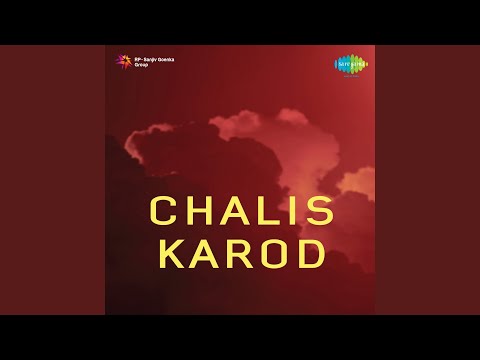
Chalis Karod
शैलीMusical · Drama
भाषाhindi प्रकारकथा-चित्र (फ़ीचर)
गीत9 — नीचे पूरी संगीत-सूची
कथा-सार
Synopsis'चालीस करोड़' — यह शीर्षक उस संख्या से आता है जो 1940 के दशक में अविभाजित भारत की पूरी आबादी का पर्याय थी; यह उस दौर के राष्ट्रवादी भाषणों और हिंदी अख़बारों का एक प्रचलित मुहावरा था, और जो फ़िल्म इसे अपने शीर्षक-पट पर रखती है वह एक घर से बड़े विषय की घोषणा करती है। इस प्रविष्टि के लिए देखे गए स्रोतों में फ़िल्म का कोई कथासार सुरक्षित नहीं है: सिनेमाअज़ी और indiancine.ma केवल श्रेय-नामावली और कलाकार सूची रखते हैं, हिंदी गीतमाला के पास सिर्फ़ गीत हैं, और अंग्रेज़ी विकिपीडिया की प्रविष्टि अधूरी है। जो प्रलेखित है वह निर्माण का ढाँचा है। नानाभाई भट्ट ने इसका निर्देशन बंबई की चंद्र आर्ट प्रोडक्शंस के लिए किया — अपनी दीपक पिक्चर्स की स्थापना से ठीक एक वर्ष पहले — संगीत गोबिंद राम का था और गीत पंडित इंद्र तथा आई. सी. कपूर के नाम दर्ज हैं। कलाकारों में निर्मला देवी हैं — पटियाला घराने की ठुमरी गायिका, जिन्होंने 1942 में अपने सहकलाकार अरुण कुमार आहूजा से विवाह किया था — और स्वयं आहूजा; उनके साथ याक़ूब, आग़ा और गोप हैं, जो उस दशक के सबसे व्यस्त चरित्र एवं हास्य अभिनेताओं में थे। नौ गीतों के शीर्षक गाँव की बोली से लेकर मोटर-गाड़ी की छेड़छाड़ और 'जागो, सावधान हो' जैसे युगल तक फैले हैं, जो किसी पौराणिक या ऐतिहासिक विषय के बजाय समकालीन सामाजिक कथानक की ओर संकेत करते हैं — पर यह गीतों से निकाला गया अनुमान है, प्रलेखित कथानक नहीं।
अंग्रेज़ी में पढ़ें · Read in English
Chalis Karod — 'Forty Crores' — takes its title from the number that stood, through the 1940s, for the entire population of undivided India; it was a stock phrase of nationalist speech and of the Hindi press of the period, and a film that puts it on its title card is announcing a subject larger than one household. No plot summary of the picture survives in the reference sources consulted for this entry: Cinemaazi and indiancine.ma preserve the credits and the cast but no story outline, the Hindi Geet Mala record carries only the songs, and the English Wikipedia entry is a stub. What is documented is the shape of the production. Nanabhai Bhatt directed it for Chandra Art Productions of Bombay — this was a year before he set up his own Deepak Pictures — with Gobind Ram composing and Pandit Indra and I. C. Kapoor credited with the lyrics. The cast pairs Nirmala Devi, the Patiala-gharana thumri singer who had married her Savera-era co-star Arun Kumar Ahuja in 1942, with Ahuja himself, and surrounds them with Yakub, Agha and Gope, three of the busiest character and comic actors of the decade. The nine surviving song titles range across village idiom, a motor-car flirtation and an 'awake, be watchful' duet, which together point to a contemporary social subject rather than a mythological or costume one — but that is an inference from the soundtrack, not a documented plot.
संगीत-सूची
The Soundtrack'चालीस करोड़' के लिए गोबिंद राम का नौ-गीतों वाला संगीत दो बिलकुल अलग स्त्री-स्वरों में बँटा है। निर्मला देवी अपने पटियाला प्रशिक्षण की ठुमरी-दादरा शैली में अपने लिए चार गीत गाती हैं, जबकि ज़ोहराबाई अम्बालेवाली — जिन्हें कुछ वर्ष पहले हिंदी फ़िल्म संगीत में लाने में स्वयं गोबिंद राम की भूमिका रही थी — दो गीत लेती हैं, जिनमें युगल 'जागो जागो सावधान हो' शामिल है। पुरुष स्वर पूरे एलबम में ख़ान मस्ताना का है, जो ज़ोहराबाई के साथ एक बार और निर्मला देवी के साथ दो बार जोड़ी बनाते हैं — इनमें हल्का-फुल्का शहरी 'मोटर गाड़ी चलाने वाले ओ बालमा' भी है। नसीम अख़्तर, जो तब अपने बंबई करियर के सबसे व्यस्त दौर में थीं, एक एकल गाती हैं। हिंदी गीतमाला की सूची हर गीत की पंक्ति में गीतकार के रूप में पंडित इंद्र को दर्ज करती है, जबकि फ़िल्म का समग्र श्रेय-खंड उनके साथ आई. सी. कपूर का नाम भी देता है — इसलिए उपलब्ध अभिलेख से दोनों लेखकों का गीतवार बँटवारा तय नहीं किया जा सकता।
अंग्रेज़ी में पढ़ें · Read in English
Gobind Ram's nine-song score for Chalis Karod is divided between two very different female voices. Nirmala Devi sings for herself on four numbers in the thumri-and-dadra idiom of her Patiala training, while Zohrabai Ambalewali — whom Gobind Ram had himself helped bring into Hindi film music a few years earlier — takes two, including the duet 'Jago Jago Savdhaan Ho'. Khan Mastana is the male voice throughout, partnering Zohrabai once and Nirmala Devi twice, among them the light urban 'Motor Gadi Chalane Wale O Baalma'. Naseem Akhtar, then at the busiest point of her Bombay career, has one solo. The Hindi Geet Mala listing credits Pandit Indra as lyricist on every individual song row, while the film's overall credit block names I. C. Kapoor alongside him, so the split between the two writers cannot be resolved song by song from the available record.
- जाग रहे या सोये हो Jaag Rahe Ya Soye Ho स्वर: Naseem Akhtar

- मेरे नाक की नथनी Mere Naak Ki Nathni स्वर: Nirmala Devi
- गंगा किनारे मोरे ससुर जी का Ganga Kinaare More Sasur Ji Ka स्वर: Nirmala Devi

- जागो जागो सावधान हो Jago Jago Savdhaan Ho स्वर: Zohrabai Ambalewali, Khan Mastana
- मोटर गाड़ी चलाने वाले ओ बालमा Motor Gadi Chalane Wale O Baalma स्वर: Nirmala Devi, Khan Mastana
- नज़राना लीजिये Nazarana Lijiye
- परदेसी मोरे नींद चुराये Pardesi More Nind Churaye स्वर: Nirmala Devi, Khan Mastana
- रैन अँधेरी बादल गरजे Rain Andheri Badal Garaje स्वर: Zohrabai Ambalewali
- रोने दे मुझे ऐ दिल Rone De Mujhe Ae Dil स्वर: Nirmala Devi

पट्टिका-लेख
The Monographपर्दे के पीछे Behind the Scenes
निर्मला देवी और अरुण कुमार आहूजा 1942 में फ़िल्म के सेट पर मिले और उसी वर्ष उनका विवाह हुआ; 'चालीस करोड़' उन फ़िल्मों में से है जिनमें दोनों साथ दिखाई देते हैं। यह उस अवधि की फ़िल्म है जो निर्मला देवी के अभिनय छोड़कर हिंदुस्तानी शास्त्रीय गायन की ओर मुड़ने से पहले की है — और उस परिवार के भरण-पोषण की ज़िम्मेदारी उठाने से भी पहले की, जिसमें आगे चलकर गोविंदा भी होंगे। गोबिंद राम का नाम उस दौर के काग़ज़ों में कई रूपों में मिलता है — हिंदी गीतमाला और सिनेमाअज़ी में 'गोविंद राम', विकिपीडिया पर 'गोबिंदराम', अन्यत्र 'पंडित गोबिंदराम' — पर हैं वे वही लाहौर-प्रशिक्षित संगीतकार। रिलीज़ वर्ष एकमात्र बिंदु है जहाँ अभिलेख साफ़ नहीं है: हिंदी गीतमाला, सिनेमाअज़ी और indiancine.ma तीनों 'चालीस करोड़' को 1945 में रखते हैं, जबकि अंग्रेज़ी विकिपीडिया और उसके नानाभाई भट्ट पृष्ठ की फ़िल्मोग्राफ़ी इसे 1946 बताती है। यह प्रविष्टि तीनों भारतीय फ़िल्म-इतिहास डेटाबेस का अनुसरण करती है और फ़िल्म को 1945 में दर्ज करती है, 1946 के दावे को सत्यापन के लिए नोट करते हुए।
अंग्रेज़ी में पढ़ें · Read in English
Nirmala Devi and Arun Kumar Ahuja had met on film in 1942 and married that year, and Chalis Karod is one of the pictures in which the two appear together; it comes from the window before Nirmala Devi withdrew from acting to concentrate on Hindustani classical singing and, later, on supporting the family that would include Govinda. Gobind Ram is credited in period paperwork under several forms — 'Govind Ram' on the Hindi Geet Mala and Cinemaazi records, 'Gobindram' on Wikipedia, 'Pandit Gobindram' elsewhere — all the same Lahore-trained composer. The release year is the one point on which the record is not clean: Hindi Geet Mala, Cinemaazi and indiancine.ma all place Chalis Karod in 1945, while the English Wikipedia article and the filmography on its Nanabhai Bhatt page date it to 1946. This entry follows the three Indian film-history databases and files the film under 1945, with the 1946 claim recorded for verification.
महत्व Significance
आज इस फ़िल्म का महत्व स्वयं उसमें कम और उन करियरों में अधिक है जिन्हें वह बीच राह में पकड़ती है। यह उन गिनी-चुनी मध्य-1940 की फ़िल्मों में से है जिनमें निर्मला देवी अभिनय भी करती हैं और अपने गीत भी स्वयं गाती हैं — गायिका-अभिनेत्री की वह दोहरी भूमिका जो पार्श्वगायन के विशेषीकरण के साथ तेज़ी से लुप्त हो रही थी, और जिसे वे कुछ ही वर्षों में शास्त्रीय मंच के लिए छोड़ देने वाली थीं। नानाभाई भट्ट के लिए यह उन कार्य-सौंपों की श्रृंखला का हिस्सा है जिसने उन्हें एक भरोसेमंद निर्देशक के रूप में स्थापित किया, इससे पहले कि वे 1946 में दीपक पिक्चर्स शुरू करें और सौ से अधिक फ़ैंटेसी व पौराणिक फ़िल्में बनाएँ। और गोबिंद राम के लिए यह उनके पंजाबी सफलता-चिह्न 'मंगती' (1942) और उनके व्यस्त चालीस के उत्तरार्ध के बीच बने कई बंबइया संगीत-कार्यों में से एक है — फिर उसी आई. सी. कपूर के साथ, जिनसे उनकी सबसे लंबी जोड़ी रही।
अंग्रेज़ी में पढ़ें · Read in English
The film's significance today lies less in itself than in the careers it catches mid-stride. It is one of the small handful of mid-1940s pictures in which Nirmala Devi appears as an actress while also singing her own numbers — the singer-actress double role that was disappearing fast as playback specialisation took hold, and which she would abandon within a few years for the classical concert platform. For Nanabhai Bhatt it belongs to the run of house assignments that established him as a dependable director before he founded Deepak Pictures in 1946 and went on to make over a hundred fantasy and mythological films. And for Gobind Ram it is one of several mid-decade Bombay scores made between his Punjabi breakthrough Mangti (1942) and his busy late-forties years, written again with I. C. Kapoor, the lyricist with whom he shared his longest working partnership.
विरासत Legacy
'चालीस करोड़' आम प्रचलन में नहीं बची: इसका कोई प्रिंट सुलभ नहीं है, संगीत का कोई व्यावसायिक पुनःप्रकाशन ज्ञात नहीं है, और इसके नौ गीतों में से कोई भी उस दौर का प्रतिष्ठित गीत नहीं बना। फ़िल्म को अभिलेख में जो चीज़ बनाए रखती है वह काग़ज़ी निशान है — हिंदी गीतमाला की गीत-सूची, सिनेमाअज़ी की श्रेय-नामावली, indiancine.ma की प्रविष्टि — जो मिलकर एक ऐसी फ़िल्म का पूरा नौ-गीतों वाला संगीत सुरक्षित रखते हैं जिसे शायद ही किसी जीवित व्यक्ति ने देखा हो। 1940 के दशक के मध्य में हर साल बनने वाली लगभग दो सौ हिंदी फ़िल्मों में से अधिकांश की यही सामान्य नियति रही, और ठीक इसीलिए बची हुई गीत-सूचियाँ महत्वपूर्ण हैं: वही एकमात्र प्रमाण हैं कि ये फ़िल्में सुनने में कैसी थीं। जो श्रोता निर्मला देवी को 'बावर्ची' (1972) और 'राम तेरी गंगा मैली' (1985) के उनके बाद के पार्श्वगायन से पीछे की ओर खोजते हैं, या ख़ान मस्ताना को 'वतन की राह में' (1948) से पीछे, उनके लिए 'चालीस करोड़' रास्ते का एक पड़ाव है।
अंग्रेज़ी में पढ़ें · Read in English
Chalis Karod has not survived into common circulation: no print is in general availability, no commercial reissue of the soundtrack is known, and none of its nine songs became a standard of the period. What keeps the film in the record is the paper trail — the Hindi Geet Mala song list, the Cinemaazi credit sheet, the indiancine.ma entry — which between them preserve a complete nine-song soundtrack for a picture almost nobody alive has seen. That is the ordinary fate of most of the roughly two hundred Hindi films made each year in the mid-1940s, and it is precisely why the surviving song lists matter: they are the only remaining evidence of what these films sounded like. For anyone tracing Nirmala Devi backwards from her late playback work in Bawarchi (1972) and Ram Teri Ganga Maili (1985), or Khan Mastana backwards from 'Watan Ki Raah Mein' (1948), Chalis Karod is one of the stops on the way.
अन्य विवरण
More Details- https://www.hindigeetmala.net/movie/chaalis_karod.htm
- https://www.cinemaazi.com/film/chalis-karod
- https://indiancine.ma/EDM/info
- https://en.wikipedia.org/wiki/Chalis_Karod
- https://en.wikipedia.org/wiki/Nanabhai_Bhatt
- https://en.wikipedia.org/wiki/Nirmala_Devi
References
नमूना-पट्टी
The Specimen Table| शीर्षक | चालीस करोड़ · Chalis Karod |
|---|---|
| वर्ष · युग | 1945 — Pre Independence |
| निर्देशक | नानाभाई भट्ट · Nanabhai Bhatt |
| संगीत-निर्देशक | गोबिंद राम · Gobind Ram |
| गीतकार | पंडित इंद्र · Pandit Indra · आई. सी. कपूर · I. C. Kapoor |
| कलाकार-मंडली | निर्मला देवी · Nirmala Devi · अरुण कुमार आहूजा · Arun Kumar Ahuja · याक़ूब · Yakub · आग़ा · Agha · गोप · Gope · शांता रिन · Shanta Rin · गुलाब · Gulab · एस. नज़ीर · S. Nazir · सुनेत्रा · Sunetra · मधुरिका · Madhurika |
| निर्माण-गृह | Chandra Art Productions, Bombay |
| शैली | Musical · Drama |
| भाषा | hindi |
| प्रकार | कथा-चित्र (फ़ीचर) |
| गीत | 9 गीत — ऊपर पूरी संगीत-सूची |
जुड़े हुए पन्ने
Connected Plates · The Graph Made Visibleअटलस में कोई पन्ना अकेला नहीं — 'चालीस करोड़' से उसके गीत, कलाकार, राग और युग, सब जुड़े हैं।
इस फ़िल्म के गीत · Songs of this Film
कलाकार · Cast & Crew
युग · The Era
साझा कीजिए · Share this Plate