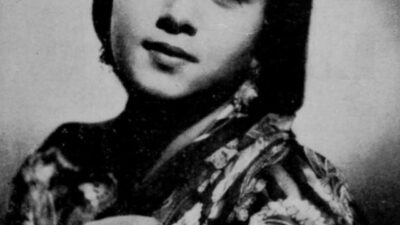
गीत विंग · गीत-पट्टिका · Song Plate
मोटर गाड़ी चलाने वाले ओ बालमा
Motor Gadi Chalane Wale O Baalma
गाँव का 'बालमा' और शहर की मोटर गाड़ी एक ही पंक्ति में कसे हुए — पूरे गीत का मज़ाक़ और उसका आकर्षण उसके शीर्षक में ही है।
भावचुलबुला · रोमांटिक
भाषाhindi स्वरूपयुगल
श्रेय
The Creditsसूत्र-वाक्य · The Hook
सूत्र-वाक्य
गाँव का 'बालमा' और शहर की मोटर गाड़ी एक ही पंक्ति में कसे हुए — पूरे गीत का मज़ाक़ और उसका आकर्षण उसके शीर्षक में ही है।
In EnglishA village word for 'beloved' bolted onto a motor car — the joke and the charm of the whole song are in its title.
पट्टिका-लेख
The Monographपरिचय Overview
एलबम का सबसे चटख़ लगने वाला शीर्षक, और उसमें मौजूद निर्मला देवी–ख़ान मस्ताना के दो युगलों में से एक। यह पंक्ति दो ऐसी शब्दावलियों को एक साथ जोत देती है जो साथ की नहीं थीं: 'बालमा', पति या प्रियतम के लिए ब्रज-अवधी का शब्द जो गाँव के गीत से आता है, और 'मोटर गाड़ी', वह मशीन जो 1945 के भारत में अब भी पैसा, शहर और एक ख़ास आधुनिक ठसक का संकेत थी। 1940 और 1950 के दशकों के हिंदी सिनेमा ने इसी टकराव से एक छोटी पर टिकाऊ विधा बनाई — ड्राइवर का गीत, सवारी का गीत — और यह उसका आरंभिक नमूना है।
अंग्रेज़ी में पढ़ें · Read in English
The liveliest-sounding title on the album, and one of two Nirmala Devi–Khan Mastana duets in it. The line yokes two vocabularies that did not belong together: 'balma', the Braj-Awadhi word for a husband or lover that comes out of village song, and 'motor gaadi', a machine that in 1945 India still signified money, the city and a certain kind of modern swagger. Hindi cinema of the 1940s and 1950s built a small durable genre out of that collision — the driver song, the transport song — and this is an early specimen of it.
संगीत The Music
कोई रिकॉर्डिंग प्रचलन में नहीं है, इसलिए इस विशेष गीत की संगीत-रचना के बारे में कोई दावा नहीं किया जा सकता। जो प्रलेखित है वह इन वर्षों में गोबिंद राम की शैली है: स्पष्ट पंजाबी लोक-रंग के बजाय ग़ज़ल और ठुमरी की छाया लिए हल्की मधुर स्वर-रचना, हारमोनियम, सारंगी और तबले के इर्द-गिर्द बना छोटा वाद्यवृंद, और ऐसी धुनें जो शास्त्रीय-प्रशिक्षित आवाज़ को खींचने के बजाय उसके मध्य सप्तक में आराम से बैठती हैं। उस दौर में इस क़िस्म के गीत आमतौर पर चटख़ कहरवा पर चलते थे, जहाँ ताल-वाद्य इंजन का काम करते और दोनों गायकों को एक-दूसरे को टोकने की जगह मिलती; यह विवरण इस रिकॉर्ड पर लागू होता है या नहीं, यह सुने बिना तय नहीं किया जा सकता।
अंग्रेज़ी में पढ़ें · Read in English
No recording is in circulation, so nothing can be claimed about how this particular number was set. What is documented is Gobind Ram's manner in these years: light melodic writing with a ghazal and thumri inflection rather than a distinctly Punjabi folk one, a small orchestra built around harmonium, sarangi and tabla, and tunes pitched to sit comfortably in the middle of a classically trained voice instead of stretching it. Songs of this type in the period conventionally ran on a bright kaharwa with the rhythm section doing the work of the engine, and left room for the two singers to interrupt each other; whether that describes this record cannot be established without hearing it.
काव्य The Poetry
संबोधन ही असली बात है। वह उसे न नाम से पुकारती है, न रिश्ते से, बल्कि उससे जो वह चला रहा है — 'मोटर गाड़ी चलाने वाले' — और छेड़छाड़ ठीक ऐसे ही चलती है जब सराहा जाने वाला उतना ही एक चीज़ हो जितना एक व्यक्ति। लोक मूल रूपों में यह जगह बैलगाड़ी या नाव भरती है; मोटर गाड़ी रख देने से मज़ाक़ आधुनिक हो जाता है पर उसका आकार नहीं बदलता, और गँवई 'बालमा' अपनी जगह बना रहता है ताकि नई वस्तु पुराने साँचे के भीतर बैठे। यही बेमेल इस पंक्ति की चतुराई है, और यह एक छोटा सामाजिक इतिहास भी है: गाँव के गीत में मोटरगाड़ी का आना। गीत का श्रेय पंडित इंद्र को है; उसका कुछ भी यहाँ उद्धृत नहीं किया गया।
अंग्रेज़ी में पढ़ें · Read in English
The address is the point. She does not call him by name or by relation but by what he is driving — 'you who drive the motor car' — which is how a flirtation works when the thing being admired is a possession as much as a person. In the folk originals this slot is filled by a bullock cart or a boat; substituting the motor car updates the joke without changing its shape, and keeps the rustic 'balma' in place so that the modern object sits inside an old form. That mismatch is the wit of the line, and it is also a small piece of social history: the automobile arriving in the village song. Pandit Indra is credited with the lyric; none of it is quoted here.
कहानी The Story
'चालीस करोड़' — वह संख्या जो 1940 के दशक भर अविभाजित भारत की आबादी का पर्याय थी — का निर्देशन नानाभाई भट्ट ने बंबई की चंद्र आर्ट प्रोडक्शंस के लिए किया, अपनी दीपक पिक्चर्स शुरू करने से एक वर्ष पहले। संगीत गोबिंद राम का था, गीत पंडित इंद्र और आई. सी. कपूर के नाम दर्ज हैं, और कलाकारों में निर्मला देवी अपने पति अरुण कुमार आहूजा के साथ थीं, तथा याक़ूब, आग़ा और गोप भी। इस प्रविष्टि के लिए देखे गए किसी स्रोत में फ़िल्म का कथासार सुरक्षित नहीं है, इसलिए नौ गीतों के शीर्षक ही व्यावहारिक रूप से वह सब हैं जो फ़िल्म के विषय का बचा हुआ संकेत देते हैं। यही गीत उन कारणों में है जिनके चलते यह प्रविष्टि 'चालीस करोड़' को पौराणिक या ऐतिहासिक विषय के बजाय समकालीन सामाजिक फ़िल्म के रूप में पढ़ती है: मोटर-गाड़ी की छेड़छाड़ वाला गीत उन दोनों विधाओं में से किसी का नहीं होता।
अंग्रेज़ी में पढ़ें · Read in English
Chalis Karod — 'Forty Crores', the number that stood through the 1940s for the population of undivided India — was directed by Nanabhai Bhatt for Chandra Art Productions of Bombay, a year before Bhatt set up his own Deepak Pictures. Gobind Ram composed, Pandit Indra and I. C. Kapoor were credited with the songs, and the cast paired Nirmala Devi with her husband Arun Kumar Ahuja alongside Yakub, Agha and Gope. No plot summary of the film survives in any source consulted for this entry, so the nine song titles are effectively all that remains of what the picture was about. The song is one of the reasons this entry reads Chalis Karod as a contemporary social picture rather than a mythological or costume subject: a motor-car flirtation number does not belong in either of those genres.
विरासत The Legacy
रिकॉर्डिंग का कुछ भी प्रचलन में नहीं बचा और गीत याद नहीं किया जाता। पर उसकी क़िस्म बची रही: 1940 के दशक के ताँगे और ड्राइवर के गीतों से लेकर 'चलती का नाम गाड़ी' (1958) और उसके आगे तक, हिंदी फ़िल्मी गीत बार-बार सवारी पर लौटता रहा — वह जगह जहाँ छेड़छाड़ सार्वजनिक रूप से हो सकती थी। 'मोटर गाड़ी चलाने वाले ओ बालमा' उस कड़ी की आरंभिक, अप्रलेखित प्रविष्टियों में से है। आज इस रिकॉर्डिंग का कुछ भी आम प्रचलन में नहीं है: न कोई ज्ञात व्यावसायिक पुनःप्रकाशन, न फ़िल्म का कोई सार्वजनिक रूप से उपलब्ध प्रिंट। इसका बचा रहना केवल दस्तावेज़ी है — हिंदी गीतमाला की सूची की एक पंक्ति और सिनेमाअज़ी की श्रेय-नामावली — और 1940 के दशक के मध्य में हर साल रिलीज़ होने वाली लगभग दो सौ हिंदी फ़िल्मों में से अधिकांश की यही सामान्य नियति रही है।
अंग्रेज़ी में पढ़ें · Read in English
Nothing of the recording survives in circulation, and the song is not remembered. The type is: from the tonga and driver songs of the 1940s through to Chalti Ka Naam Gaadi (1958) and beyond, the Hindi film song kept returning to the vehicle as a place where flirtation could happen in public. 'Motor Gadi Chalane Wale O Baalma' is one of the early, undocumented entries in that line. Nothing of the recording is in general circulation today: there is no known commercial reissue and no print of the film in public availability. Its survival is documentary — a line in the Hindi Geet Mala catalogue and the Cinemaazi credit sheet — which is the ordinary fate of most of the roughly two hundred Hindi films released each year in the mid-1940s.
वर्गीकरण
ClassificationGenre
अन्य विवरण
More Details- https://www.hindigeetmala.net/song/motor_gadi_chalane_wale_o_baalma.htm
- https://www.hindigeetmala.net/movie/chaalis_karod.htm
- https://www.cinemaazi.com/film/chalis-karod
- https://indiancine.ma/EDM/info
- https://en.wikipedia.org/wiki/Chalis_Karod
References
रोचक तथ्य
Margin Notesयह गीत कुछ सूचियों में 'मोटर गाड़ी चलाने वाले ओ बलमा' और अन्यत्र 'मोटर गाड़ी चलाने वाले ओ बालमा' के रूप में दर्ज है; यहाँ की वर्तनी हिंदी गीतमाला के अभिलेख का अनुसरण करती है।
अंग्रेज़ी में पढ़ें · Read in English
The song is listed in some catalogues as 'Motor Gaadi Chalane Wale O Balma' and elsewhere as 'Motor Gadi Chalane Wale O Baalma'; the spelling here follows the Hindi Geet Mala record.
नमूना-पट्टी
The Specimen Table| शीर्षक | मोटर गाड़ी चलाने वाले ओ बालमा · Motor Gadi Chalane Wale O Baalma |
|---|---|
| फ़िल्म | चालीस करोड़ · 1945 |
| वर्ष · युग | 1945 |
| गायक | Nirmala Devi, Khan Mastana |
| गीतकार | Pandit Indra |
| संगीतकार | Gobind Ram |
| स्वरूप | युगल |
| भाषा | hindi |
| भाव | चुलबुला · रोमांटिक |
| लोकप्रियता | Obscure |
| बोल-स्थिति | केवल झलक |
जुड़े हुए पन्ने
Connected Plates · The Graph Made Visibleअटलस में कोई पन्ना अकेला नहीं — इस गीत से जुड़े गीत, कलाकार, फ़िल्म, राग-ताल-विधा, सब यहाँ से खुलते हैं।
मिलते-जुलते गीत · Related Songs
कलाकार · The Artists
फ़िल्म · The Film
साझा कीजिए · Share this Plate