सिनेमा विंग · फ़िल्म-पट्टिका · Film Plate
धन्ना भगत
Dhanna Bhagat
शैलीभक्ति · Drama · Biographical
भाषाhindi प्रकारकथा-चित्र (फ़ीचर)
गीत10 — नीचे पूरी संगीत-सूची
कथा-सार
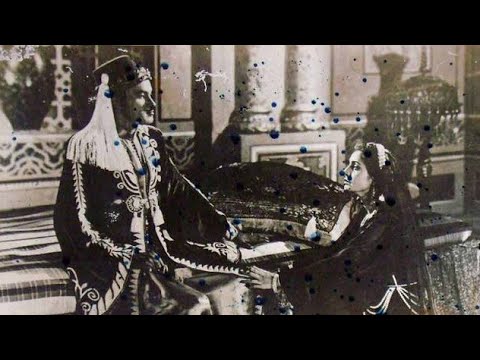
Synopsis'धन्ना भगत' पंद्रहवीं सदी के राजस्थानी भक्त संत धन्ना के जीवन पर आधारित एक भक्ति-प्रधान फ़िल्म है — जयपुर के पास चौरू गाँव का वह जाट किसान, जिसे रामानंद के शिष्य के रूप में स्मरण किया जाता है और जिसके तीन पद आगे चलकर गुरु ग्रंथ साहिब में सम्मिलित हुए। केदार शर्मा की यह फ़िल्म संत को नंगे पाँव गाय चराते बालक से लेकर उस चमत्कार तक ले जाती है जिसके लिए वे सबसे अधिक जाने जाते हैं — अपना बीज साधुओं को दान कर देना, खेत को बिना बोए जोत देना, और फिर भी फ़सल का उतर आना। कमल ज़मींदार धन्ना की भूमिका में हैं और कमला चटर्जी मुन्नी की; बाल-अभिनेत्री बेबी मुमताज़ — भावी मधुबाला — बाल-मुन्नी के रूप में दिखती हैं। रणजीत मूवीटोन की युद्धकालीन भक्ति-फ़िल्मों की तरह यहाँ भी कथा नाटकीय कम और प्रसंग-प्रधान अधिक है: हर मोड़ संवाद से नहीं, गीत से पार होता है।
अंग्रेज़ी में पढ़ें · Read in English
Dhanna Bhagat is a devotional drama built on the life of the fifteenth-century Rajasthani bhakti saint Dhanna — a Jat farmer of Chauru village, near Jaipur, who is remembered as a disciple of Ramananda and whose three hymns were later admitted into the Guru Granth Sahib. Kidar Sharma's film follows the saint from a barefoot cowherd boyhood, through the tests of a peasant life lived on faith rather than prudence, to the miracle for which he is best remembered: giving away his seed grain to wandering mendicants, ploughing his fields with nothing sown in them, and finding at harvest that the earth had answered him anyway. Kamal Zamindar plays Dhanna and Kamla Chatterjee plays Munni, with the child actress Baby Mumtaz — the future Madhubala — appearing as the child Munni. As with most Ranjit Movietone devotionals of the war years, the narrative is episodic rather than dramatic: it moves from one act of trust to the next, each turning point carried by a song rather than by dialogue.
संगीत-सूची
The Soundtrackखेमचंद प्रकाश का संगीत दस गीतों तक फैला है और असामान्य रूप से समान रूप से बँटा हुआ है: तीन खान मस्ताना के लिए — भरी हुई, खुले गले की पुरुष भजन-आवाज़ में; चार मोहनतारा तलपड़े के लिए — करुण स्त्री-भक्ति स्वर में; दो बाल-युगल बेबी मुमताज़ और मास्टर बृजलाल के लिए; और एक गीत, जिसके गायक का नाम बची हुई सूचियों में दर्ज नहीं है। इनमें संगीत की दृष्टि से सबसे महत्वाकांक्षी है 'सुनियो ओ नंद के कुमार', जो राग भैरवी में ठुमरी की तरह बाँधा गया है — महफ़िल के मुहावरे को सीधे फ़िल्मी साउंडट्रैक में उतार देना, जिसे आगे चलकर 'जर्नल ऑफ़ द इंडियन म्यूज़िकोलॉजिकल सोसाइटी' (1988) ने दर्ज किया। हिंदीगीतमाला दसों गीतों के बोल पंडित इंद्र के नाम दर्ज करती है, जबकि फ़िल्म के गीतकारों में वली साहब और ख़ावर ज़मान भी गिनाती है; तीनों में दस गीत किस तरह बँटे, यह यहाँ देखे गए किसी स्रोत से तय नहीं होता।
अंग्रेज़ी में पढ़ें · Read in English
Khemchand Prakash's score runs to ten songs and is unusually evenly divided: three for Khan Mastana in a robust, open-throated male bhajan voice, four for Mohantara Talpade in the plaintive female devotional register, two children's duets for Baby Mumtaz and Master Brijlal, and one number whose singer the surviving catalogues do not name. The most musically ambitious of them is 'Suniyo O Nand Ke Kumar', set as a thumri in raag Bhairavi — a straight lift of the concert idiom into a film soundtrack which the Journal of the Indian Musicological Society (1988) later recorded. hindigeetmala credits Pandit Indra with the words of all ten songs, while listing Wali Saheb and Khawar Zaman among the film's lyricists as well; how the ten were divided between the three is not established by any source consulted here.
- पंछी पिंजरा हुआ पुराना Panchi Pinjra Hua Purana स्वर: Khan Mastana
- बंसी वाले श्याम प्यारे कृष्ण Bansi Wale Shyam Pyare Krishna स्वर: Khan Mastana
- भूल न जाना हे गिरधारी Bhool Na Jana Hey Girdhari स्वर: मोहनतारा तलपड़े
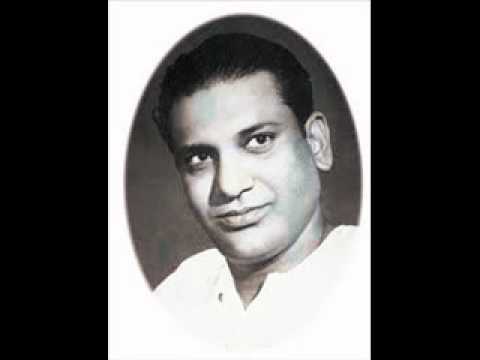
- बंसुरिया सुनूँगी Bansuriya Sunungi स्वर: मोहनतारा तलपड़े
- देख बीज की माया Dekh Beej Ki Maya

- घट घट की तुम जानते Ghat Ghat Ki Tum Jante स्वर: मोहनतारा तलपड़े

- मैं जनम जनम दुखियारी Mai Janam Janam Dukhiyari स्वर: मोहनतारा तलपड़े
- मेरी मैया मैं गैया चराऊँ Meri Maiya Mai Gaiya Charau स्वर: बेबी मुमताज़ (मधुबाला), मास्टर बृजलाल
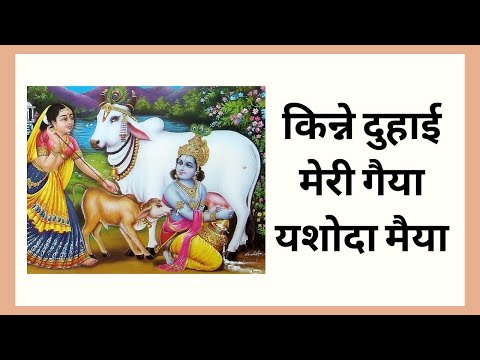
- मीठे भोजन Mithe Bhojan स्वर: बेबी मुमताज़ (मधुबाला), मास्टर बृजलाल
- सुनियो ओ नंद के कुमार Suniyo O Nand Ke Kumar स्वर: Khan Mastana
पट्टिका-लेख
The Monographपर्दे के पीछे Behind the Scenes
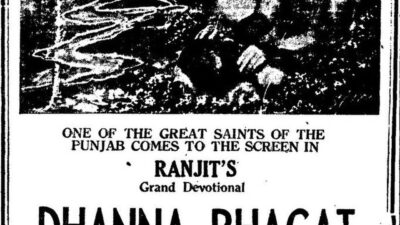
केदार शर्मा कलकत्ता से आकर रणजीत की 'अरमान' (1942) से अपने बंबई करियर की शुरुआत कर चुके थे, और 1945 तक रणजीत की कई फ़िल्में उनके पीछे थीं — गीतकार से फ़िल्मकार बने ऐसे व्यक्ति जो दो ही साल में 'नील कमल' बनाकर राज कपूर और मधुबाला को उनकी पहली नायक-नायिका भूमिकाएँ देने वाले थे। खेमचंद प्रकाश लगभग 1940 में रणजीत से जुड़े थे और अगले पाँच वर्षों में इस बैनर के लिए लगातार संगीत रचते रहे — इस औद्योगिक रफ़्तार को देखते हुए इस संगीत का संयम ध्यान खींचता है। फ़िल्म का विज्ञापन 1 दिसंबर 1945 को 'द बॉम्बे क्रॉनिकल' में छपा और उसी सप्ताह इसकी समीक्षा आई, जिससे इसकी बंबई रिलीज़ वर्ष के अंतिम सप्ताहों में ठहरती है।
अंग्रेज़ी में पढ़ें · Read in English
Kidar Sharma had begun his Bombay career at Ranjit with Arman (1942) after moving from Calcutta, and by 1945 had a run of Ranjit pictures behind him — a lyricist-turned-filmmaker who would within two years make Neel Kamal and give Raj Kapoor and Madhubala their first leading roles. Khemchand Prakash had joined Ranjit around 1940 and composed steadily for the banner across the following five years, an industrial pace that makes the restraint of this score notable. The film was advertised in The Bombay Chronicle on 1 December 1945 and reviewed within the week, placing its Bombay release in the closing weeks of the year.
महत्व Significance
यह फ़िल्म तीन अलग-अलग पड़ावों पर खड़े करियरों का मिलन-बिंदु है। रणजीत मूवीटोन के लिए यह उसी भक्ति-शृंखला की एक और कड़ी थी — जैसे 'भक्त सूरदास' (1942) — जिस पर चंदूलाल शाह का स्टूडियो 1940 के दशक भर बार-बार लौटता रहा। खेमचंद प्रकाश के लिए, रणजीत में अपने अंतिम वर्षों में और 'महल' (1949) तक जाने वाली उस दौड़ से पहले, यह 'तानसेन' की दरबारी सजावट छोड़कर सादे भजन-मुहावरे में लिखने का अवसर था। और बेबी मुमताज़ नाम से परदे पर आने वाली बाल-अभिनेत्री के लिए यह उन शुरुआती भूमिकाओं में से एक थी जो 1947 में उनके 'मधुबाला' बनने से पहले आईं — जिनमें उन्होंने दो गीत स्वयं गाए भी।
अंग्रेज़ी में पढ़ें · Read in English
The film sits at the intersection of three careers at very different stages. For Ranjit Movietone it was one more entry in the devotional line — Bhakt Surdas (1942) among them — that Chandulal Shah's studio returned to repeatedly through the 1940s. For Khemchand Prakash, in his last years at Ranjit before the run that would end with Mahal (1949), it was a chance to write in an unfashionably plain bhajan idiom rather than the ornate court style of Tansen. And for the child actress billed as Baby Mumtaz it was one of the pre-teen assignments that preceded her renaming as Madhubala in 1947 — including two songs she sang herself, at a moment when children in Hindi cinema were still routinely allowed their own voices on the soundtrack.
विरासत Legacy
समकालीन राय तीखी तरह बँटी हुई थी। बाबूराव पटेल ने फ़रवरी 1946 की 'फ़िल्मइंडिया' में इसे "भक्ति-विषय के बावजूद टालने लायक फ़िल्म" कहकर ख़ारिज किया, जिसमें "न मनोरंजन है, न सोचने को कुछ" — यह फ़ैसला जितना केदार शर्मा पर था, उतना ही थक चुके संत-फ़िल्म चक्र पर। दूसरी ओर 'द टाइम्स ऑफ़ इंडिया' ने 8 दिसंबर 1945 की रिपोर्ट में दर्शकों को इससे मुग्ध पाया। आज न यह फ़िल्म चलन में है, न इसके अधिकांश रिकॉर्ड; यह मुख्यतः दो बड़ी कहानियों की पाद-टिप्पणी के रूप में बची है — खेमचंद प्रकाश का रणजीत-काल, और मधुबाला की सबसे शुरुआती परदे पर उपस्थितियाँ।
अंग्रेज़ी में पढ़ें · Read in English
Contemporary opinion split sharply. Baburao Patel, writing in Filmindia in February 1946, dismissed it as "a picture which deserves to be avoided inspite of its devotional theme", finding "nothing in it to entertain nor even to provoke thought" — a verdict aimed as much at the exhausted saint-film cycle as at Kidar Sharma. The Times of India, reporting on 8 December 1945, found audiences charmed by it. Neither the film nor most of its recordings circulate today, and it survives chiefly as a footnote in two larger stories: Khemchand Prakash's Ranjit period, and the earliest screen appearances of Madhubala.
नमूना-पट्टी
The Specimen Table| शीर्षक | धन्ना भगत · Dhanna Bhagat |
|---|---|
| वर्ष · युग | 1945 — Pre Independence |
| निर्देशक | केदार शर्मा · Kidar Sharma |
| संगीत-निर्देशक | खेमचंद प्रकाश · Khemchand Prakash |
| गीतकार | पंडित इंद्र · Pandit Indra · वली साहब · Wali Saheb · ख़ावर ज़मान · Khawar Zaman |
| कलाकार-मंडली | कमला चटर्जी · Kamla Chatterjee · कमल ज़मींदार · Kamal Zamindar · बेबी मुमताज़ (मधुबाला) · Baby Mumtaz (Madhubala) |
| निर्माण-गृह | Ranjit Movietone, Bombay |
| शैली | भक्ति · Drama · Biographical |
| भाषा | hindi |
| प्रकार | कथा-चित्र (फ़ीचर) |
| गीत | 10 गीत — ऊपर पूरी संगीत-सूची |
जुड़े हुए पन्ने
Connected Plates · The Graph Made Visibleअटलस में कोई पन्ना अकेला नहीं — 'धन्ना भगत' से उसके गीत, कलाकार, राग और युग, सब जुड़े हैं।
इस फ़िल्म के गीत · Songs of this Film
कलाकार · Cast & Crew
युग · The Era
साझा कीजिए · Share this Plate
यह पन्ना आगे बढ़ाइए
जुड़ी हुई दुनिया
Explore ConnectionsSoundtrack · गीत (10)
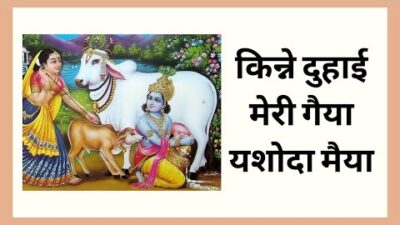
मेरी मैया मैं गैया चराऊँ
Meri Maiya Mai Gaiya Charau
बेबी मुमताज़ (मधुबाला), मास्टर बृजलाल · Dhanna Bhagat