कलाकार विंग · कलाकार-पट्टिका · Artist Plate
केदार शर्मा
Kidar Sharma
जन्म1910 — नारोवाल, पंजाब (ब्रिटिश भारत)
निधन1999
जीवन-पट्टी
The Life Specimen| नाम | केदार शर्मा · Kidar Sharma |
|---|---|
| जन्म | 1910 — नारोवाल, पंजाब (ब्रिटिश भारत) · Narowal, Punjab (British India) |
| निधन | 1999 |
| भूमिकाएँ | गीतकार · निर्देशक · पटकथाकार · निर्माता |
| सक्रिय वर्ष | 1934–1998 |
| युग | Talkie Dawn |
| विधाएँ | फ़िल्मी · भक्ति |
| भाषाएँ | Hindi · Urdu |
पट्टिका-लेख
The Monographजीवनी Biography
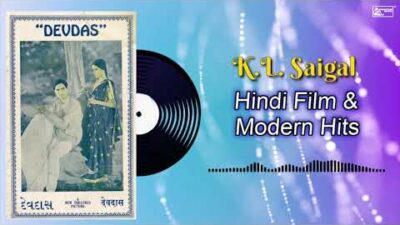
केदार नाथ शर्मा (1910–1999) — कवि, गीतकार, पटकथा-लेखक और निर्देशक, जिन्होंने हिन्दी सिनेमा की भावुक-काव्यात्मक भाषा गढ़ने में बुनियादी भूमिका निभाई। नारोवाल (अब पाकिस्तान) में जन्मे और अमृतसर में पले-बढ़े शर्मा कोलकाता के 'न्यू थिएटर्स' पहुँचे, जहाँ देबकी बोस ने उन्हें पहले स्टिल-फ़ोटोग्राफ़र और पोस्टर-चित्रकार के रूप में रखा। यहीं प्रमथेश बरुआ की 'देवदास' (1935/36) में संवाद और गीत लिखकर — कुंदनलाल सहगल की आवाज़ में 'बालम आये बसो मोरे मन में' और 'दुख के अब दिन बीतत नाहीं' — उन्हें पहली बड़ी पहचान मिली। आगे चलकर वे एक संवेदनशील निर्देशक बने और राज कपूर तथा मधुबाला सहित अनेक सितारों को सिनेमा में लाने का श्रेय उन्हें जाता है।
प्रारंभिक जीवन Early Life
जन्म 12 अप्रैल 1910, नारोवाल, पंजाब में; अमृतसर के बैजनाथ हाई स्कूल में पढ़ाई के दौरान दर्शन, कविता, चित्रकला और फ़ोटोग्राफ़ी में रुचि जगी। कोलकाता के न्यू थिएटर्स से जुड़कर पहले स्टिल-फ़ोटोग्राफ़र ('सीता', 1934) और पृष्ठभूमि-चित्रकार के रूप में सिनेमा में प्रवेश किया, 'इंक़लाब' (1935) में एक छोटी भूमिका भी निभाई।
अंग्रेज़ी में पढ़ें · Read in English
Born 12 April 1910 in Narowal, Punjab; studied at Baij Nath High School, Amritsar, where his interests in philosophy, poetry, painting and photography took root. He joined New Theatres in Calcutta, entering film first as a stills photographer (Seeta, 1934) and as a backdrop/poster painter with a bit part in Inquilab (1935).
करियर Career
न्यू थिएटर्स में 'देवदास' (1935/36) के संवाद और गीत से लेकर निर्देशन तक का सफ़र। 'चित्रलेखा' (1941) ने उन्हें निर्देशक के रूप में प्रतिष्ठा दिलाई; आगे उन्होंने 'नेकी और बदी' (1949), 'सुहाग रात' (1948), 'नील कमल' (1947), 'बावरे नैन' (1950), 'जोगन' (1950), बाल-फ़िल्म 'जलदीप' (1956) और 'हमारी याद आयेगी' (1961) बनाईं। 'नील कमल' से राज कपूर और मधुबाला को सिनेमा में उतारा, और गीता बाली, माला सिन्हा, भारत भूषण तथा तनुजा को आरंभिक अवसर दिए।
अंग्रेज़ी में पढ़ें · Read in English
From dialogue and lyrics for Devdas (1935/36) at New Theatres, Sharma rose to direction. Chitralekha (1941) established his credibility as a director; he went on to make Neki Aur Badi (1949), Suhaag Raat (1948), Neel Kamal (1947), Bawre Nain (1950), Jogan (1950), the children's film Jaldeep (1956) and Hamari Yaad Aayegi (1961). He launched Raj Kapoor and Madhubala in Neel Kamal, and gave early breaks to Geeta Bali, Mala Sinha, Bharat Bhushan and Tanuja.
विरासत Legacy
वह कवि-निर्देशक जिसने आरंभिक हिन्दी सिनेमा को उसके कुछ सबसे चिरस्थायी गीत दिए और राज कपूर तथा मधुबाला को खोजा।
अंग्रेज़ी में पढ़ें · Read in English
The poet-director who gave early Hindi cinema some of its most enduring songs and discovered Raj Kapoor and Madhubala.
गायन-शैली Musical Style
कोमल, सहज, हिन्दुस्तानी-जड़ फ़िल्मी गीत — भक्ति-रंगी विरह और रोज़मर्रा की हिन्दी-उर्दू मुहावरेदारी में पगे।
अंग्रेज़ी में पढ़ें · Read in English
Tender, accessible Hindustani-rooted film lyrics steeped in bhakti-flavoured longing and everyday Hindi-Urdu idiom.
सांस्कृतिक प्रभाव Cultural Impact
न्यू थिएटर्स से बंबई तक की बुनियादी हस्ती, जिनके गीत और निर्देशन ने स्वर्ण-युग के भावप्रधान सिनेमा को आकार दिया, और जिनकी पारखी नज़र ने हिन्दी सिनेमा को राज कपूर, मधुबाला, गीता बाली, माला सिन्हा, भारत भूषण और तनुजा दिए।
अंग्रेज़ी में पढ़ें · Read in English
A foundational New Theatres-to-Bombay figure whose lyrics and direction shaped golden-era melodrama, and whose eye for talent gave Hindi cinema Raj Kapoor, Madhubala, Geeta Bali, Mala Sinha, Bharat Bhushan and Tanuja.
तालीम, विधाएँ और भाषाएँ
Training · Genres · Languagesविधाएँ · Genres
भाषाएँ · Languages Sung
जीवन-रेखा
Career Highlights-
1936
हिन्दी 'देवदास' (पी. सी. बरुआ / न्यू थिएटर्स) के संवाद और गीत लिखे, कुंदनलाल सहगल के साथ
Wrote dialogue and lyrics for the Hindi Devdas (P. C. Barua / New Theatres), with K. L. Saigal
- 1941 'चित्रलेखा' — निर्देशक के रूप में पहली बड़ी सफलता, प्रतिष्ठा स्थापित Chitralekha — his first hit as director, establishing his credibility
- 1947 'नील कमल' — राज कपूर और मधुबाला की शुरुआत Neel Kamal — launched Raj Kapoor and Madhubala
- 1950 'बावरे नैन' और 'जोगन' — उनकी सबसे सराही गई निर्देशकीय कृतियाँ Bawre Nain and Jogan — among his most acclaimed directorial works
- 1956 'जलदीप' — बाल-फ़िल्म, सर्वश्रेष्ठ बाल-फ़िल्म का राष्ट्रीय फ़िल्म पुरस्कार Jaldeep — children's film, won the National Film Award for Best Children's Film
पुरस्कार एवं सम्मान
Awards & Recognition- सम्मान सर्वश्रेष्ठ बाल-फ़िल्म का राष्ट्रीय फ़िल्म पुरस्कार — 'जलदीप' (1956) National Film Award for Best Children's Film — Jaldeep (1956)
- सम्मान राज कपूर पुरस्कार, महाराष्ट्र सरकार (1999, मरणोपरांत) Raj Kapoor Award, Government of Maharashtra (1999, posthumous)
अन्य विवरण
More Details- Birth Year
- 1910
- Death Year
- 1999
- Active Years
- 1934–1998
Early Life
जन्म 12 अप्रैल 1910, नारोवाल, पंजाब में; अमृतसर के बैजनाथ हाई स्कूल में पढ़ाई के दौरान दर्शन, कविता, चित्रकला और फ़ोटोग्राफ़ी में रुचि जगी। कोलकाता के न्यू थिएटर्स से जुड़कर पहले स्टिल-फ़ोटोग्राफ़र ('सीता', 1934) और पृष्ठभूमि-चित्रकार के रूप में सिनेमा में प्रवेश किया, 'इंक़लाब' (1935) में एक छोटी भूमिका भी निभाई।
Born 12 April 1910 in Narowal, Punjab; studied at Baij Nath High School, Amritsar, where his interests in philosophy, poetry, painting and photography took root. He joined New Theatres in Calcutta, entering film first as a stills photographer (Seeta, 1934) and as a backdrop/poster painter with a bit part in Inquilab (1935).
Career
न्यू थिएटर्स में 'देवदास' (1935/36) के संवाद और गीत से लेकर निर्देशन तक का सफ़र। 'चित्रलेखा' (1941) ने उन्हें निर्देशक के रूप में प्रतिष्ठा दिलाई; आगे उन्होंने 'नेकी और बदी' (1949), 'सुहाग रात' (1948), 'नील कमल' (1947), 'बावरे नैन' (1950), 'जोगन' (1950), बाल-फ़िल्म 'जलदीप' (1956) और 'हमारी याद आयेगी' (1961) बनाईं। 'नील कमल' से राज कपूर और मधुबाला को सिनेमा में उतारा, और गीता बाली, माला सिन्हा, भारत भूषण तथा तनुजा को आरंभिक अवसर दिए।
From dialogue and lyrics for Devdas (1935/36) at New Theatres, Sharma rose to direction. Chitralekha (1941) established his credibility as a director; he went on to make Neki Aur Badi (1949), Suhaag Raat (1948), Neel Kamal (1947), Bawre Nain (1950), Jogan (1950), the children's film Jaldeep (1956) and Hamari Yaad Aayegi (1961). He launched Raj Kapoor and Madhubala in Neel Kamal, and gave early breaks to Geeta Bali, Mala Sinha, Bharat Bhushan and Tanuja.
Legacy
वह कवि-निर्देशक जिसने आरंभिक हिन्दी सिनेमा को उसके कुछ सबसे चिरस्थायी गीत दिए और राज कपूर तथा मधुबाला को खोजा।
The poet-director who gave early Hindi cinema some of its most enduring songs and discovered Raj Kapoor and Madhubala.
Musical Style
कोमल, सहज, हिन्दुस्तानी-जड़ फ़िल्मी गीत — भक्ति-रंगी विरह और रोज़मर्रा की हिन्दी-उर्दू मुहावरेदारी में पगे।
Tender, accessible Hindustani-rooted film lyrics steeped in bhakti-flavoured longing and everyday Hindi-Urdu idiom.
अभिलेख-सार
Discography Summary| संग्रह में गीत | 24 — नीचे जुड़े हुए पन्नों में सूचीबद्ध |
|---|---|
| रिकॉर्डिंग-काल | 1935–1961 · पहला सत्र 1935 |
| फ़िल्में व डिस्क | Devdas 1936 · Chitralekha 1941 · Neel Kamal 1947 · Jogan 1950 · Bawre Nain 1950 |
| प्रमुख भूमिका | गीतकार · निर्देशक |
| नित्य सहयोगी | K. L. Saigal · Raj Kapoor |
| हस्ताक्षर-गीत | Balam Aaye Baso Moray Man Mein · Dukh Ke Ab Din Beetat Naahi |
| स्रोत | compiled from verified biographical sources |
जुड़े हुए पन्ने
Connected Plates · The Graph Made Visibleअटलस में कोई पन्ना अकेला नहीं — केदार शर्मा से उनके गीत, फ़िल्में, घराना, समकालीन और युग, सब यहाँ से खुलते हैं।
हस्ताक्षर-गीत · Signature Songs
फ़िल्में · The Films
साझा कीजिए · Share this Plate