सिनेमा विंग · फ़िल्म-पट्टिका · Film Plate
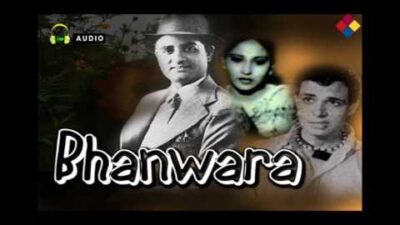
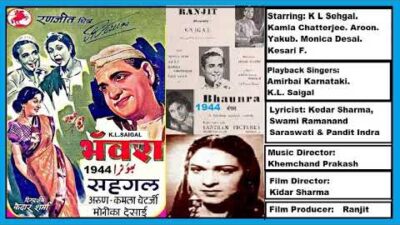
भँवरा
Bhanvara
शैलीMusical · Comedy · Romance
भाषाhindi प्रकारकथा-चित्र (फ़ीचर)
गीत11 — नीचे पूरी संगीत-सूची
कथा-सार
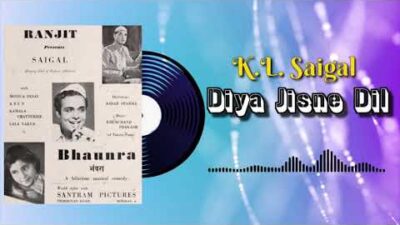
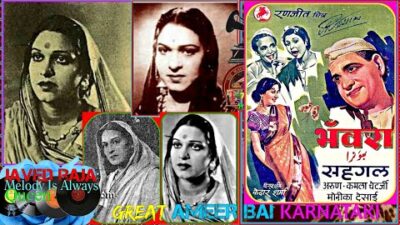
Synopsis1944 की एक संगीतमय हास्य फ़िल्म, जिसे केदार शर्मा ने रणजीत मूवीटोन के लिए निर्देशित किया — दो दोस्तों की कहानी जो काम की तलाश में शहर आते हैं और प्रेम तथा उलझनों में फँस जाते हैं। के. एल. सहगल को केंद्र में रखकर बनी यह फ़िल्म अपने गीतों पर बहुत निर्भर है, जहाँ सहगल की प्रसिद्ध आवाज़ भावनात्मक केंद्र सँभालती है और अमीरबाई कर्नाटकी नायिका के लिए पार्श्व-गायन देती हैं।
अंग्रेज़ी में पढ़ें · Read in English
A 1944 musical comedy directed by Kidar Sharma for Ranjit Movietone, following two friends who arrive in the city in search of work and become entangled in romance and misadventure. Built as a star vehicle for K. L. Saigal, the film leans heavily on its songs, with Saigal's celebrated voice carrying the emotional centre while Amirbai Karnataki supplies the female lead's playback.
संगीत-सूची
The Soundtrackखेमचंद प्रकाश ने पूरा संगीत रचा, और बोल केदार शर्मा, स्वामी रामानंद सरस्वती तथा पंडित इंद्र के बीच बँटे। एल्बम का आधार के. एल. सहगल के एकल गीत हैं, उनकी विशिष्ट संयमित, आह-भरी ग़ज़ल शैली में — 'दिया जिसने दिल', 'हम अपना उन्हें बना न सके' और 'मुस्कुराते हुए यूँ आँख चुराया न करो' — जिनके सामने अमीरबाई कर्नाटकी के हल्के, मधुर गीत और अरुण कुमार का एक हास्य गीत संतुलन बनाते हैं।
अंग्रेज़ी में पढ़ें · Read in English
Khemchand Prakash composed the entire score, with lyrics shared across Kidar Sharma, Swami Ramanand Saraswati, and Pandit Indra. The album is anchored by K. L. Saigal solos in his signature restrained, sehra-and-sigh ghazal style — 'Diya Jisne Dil', 'Hum Apna Unhe Bana Na Sake', and 'Muskurate Hue Yun Aankh Churaya Na Karo' — balanced against Amirbai Karnataki's lighter, melodic numbers and a comic Arun Kumar interlude.
- ये वो जगह है Ye Woh Jagah Hai स्वर: K.L. Saigal
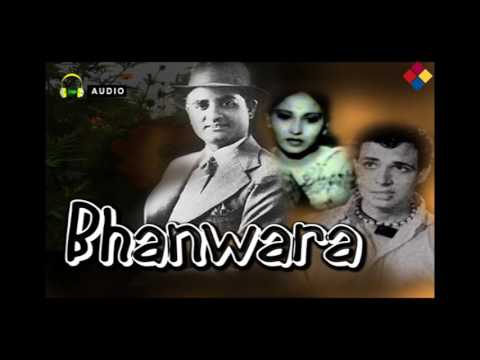
- दिया जिसने दिल Diya Jisne Dil स्वर: K.L. Saigal
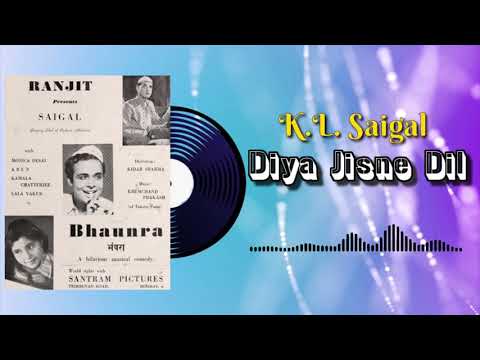
- हम अपना उन्हें बना न सके Hum Apna Unhe Bana Na Sake स्वर: K.L. Saigal
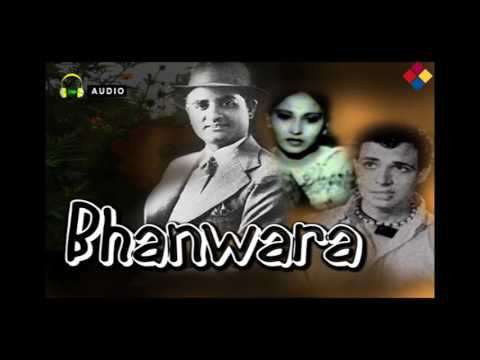
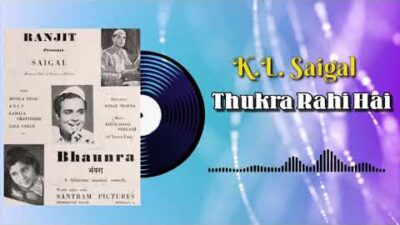
- ठुकरा रही है दुनिया Thukra Rahi Hai Duniya स्वर: K.L. Saigal
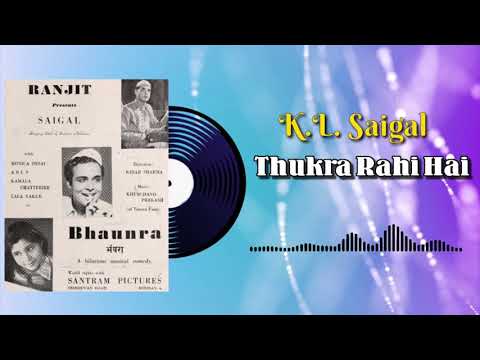
- मुस्कुराते हुए यूँ आँख चुराया न करो Muskurate Hue Yun Aankh Churaya Na Karo स्वर: K.L. Saigal
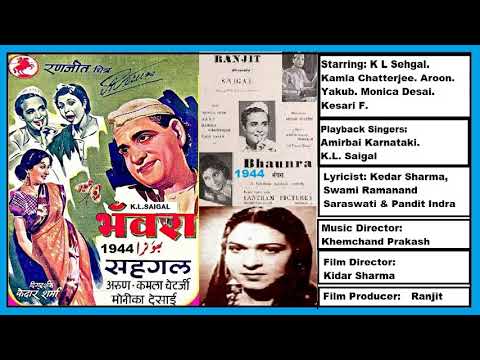
- क्या हमने बिगाड़ा है Kya Humne Bigaada Hai स्वर: K.L. Saigal, Amirbai Karnataki
- दुनिया की आँखों से शरमाने वाले Duniya Ki Aankhon Se Sharmane Wale स्वर: Amirbai Karnataki
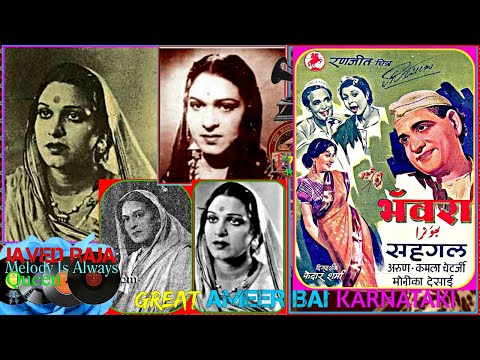
- मन की बाज़ी हार चुका है Mann Ki Bazi Haar Chuka Hai स्वर: Amirbai Karnataki, अरुण कुमार
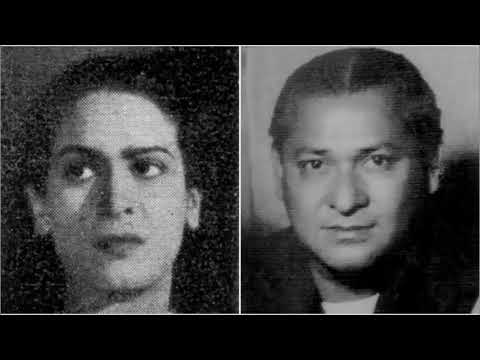
- तेरी पी पी की पुकारों ने Teri Pee Pee Ki Pukaron Ne स्वर: Amirbai Karnataki
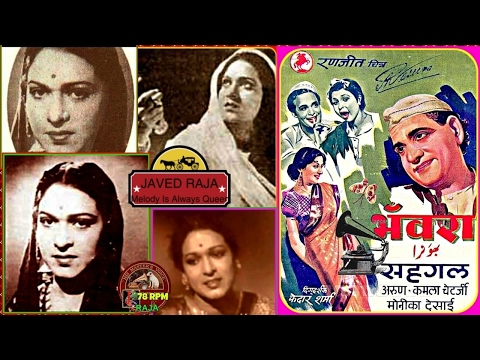
- ये दुआ माँगो हसीनो Ye Dua Mango Hasino
- ये तो मलेरिया है Ye To Malaria Hai स्वर: अरुण कुमार
पट्टिका-लेख
The Monographपर्दे के पीछे Behind the Scenes
भँवरा चंदूलाल शाह के रणजीत मूवीटोन बैनर के अंतर्गत बनी, जहाँ केदार शर्मा — पहले से ही एक संवेदनशील लेखक-निर्देशक के रूप में प्रसिद्ध — ने सहगल को उनकी अंतिम प्रमुख भूमिकाओं में से एक में निर्देशित किया। इस समय तक राष्ट्रीय परिघटना बन चुके सहगल ने अपने गीत अपनी विशिष्ट अंतरंग शैली में रिकॉर्ड किए, उस तेज़ घोषणात्मक अंदाज़ को नकारते हुए जो तब पंजाबी-शैली के सिनेमा में उभर रहा था।
अंग्रेज़ी में पढ़ें · Read in English
Bhanvara was produced under the Ranjit Movietone banner of Chandulal Shah, where Kidar Sharma — already known as a sensitive writer-director — guided Saigal in one of his final major roles. Saigal, by this point a national phenomenon, recorded his songs in his characteristic intimate style, refusing the louder declamatory mode then emerging in Punjabi-school cinema.
महत्व Significance
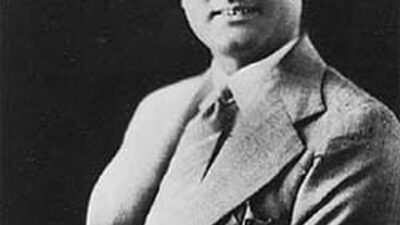
भँवरा 1944 की सबसे अधिक कमाई करने वाली हिंदी फ़िल्मों में से एक थी और के. एल. सहगल के परदे के करियर के अंतिम शिखरों में से एक मानी जाती है — 1947 में उनके निधन से मात्र दो वर्ष पूर्व बनी। खेमचंद प्रकाश के संगीत ने सहगल को रणजीत-काल के कुछ सबसे चिरस्थायी ग़ज़ल-झुकाव वाले गीत दिए, जिससे सहगल–खेमचंद प्रकाश की वह साझेदारी पुख़्ता हुई जो जल्द ही तानसेन के पौराणिक संगीत में परिणत होने वाली थी।
अंग्रेज़ी में पढ़ें · Read in English
Bhanvara was among the highest-grossing Hindi films of 1944 and stands as one of the late high points of K. L. Saigal's screen career, made just two years before his death in 1947. Khemchand Prakash's score gave Saigal some of his most enduring ghazal-leaning numbers of the Ranjit period, cementing the Saigal–Khemchand Prakash partnership that would soon culminate in the legendary score of Tansen and, posthumously, the influence on the young talent then gathering at Ranjit and Bombay Talkies.
विरासत Legacy
फ़िल्म के गीत, विशेषकर सहगल की ग़ज़लें, दशकों तक ग्रामोफ़ोन संग्रहों और रेडियो की धरोहर बने रहे और आज सहगल-कोश का हिस्सा हैं। भँवरा को इसके कथानक के बजाय इस बात के लिए याद किया जाता है कि यह उन अंतिम फ़िल्मों में से थी जिनमें श्रोताओं ने सहगल को उनकी शक्ति के चरम पर सुना — उनकी आवाज़ और खेमचंद प्रकाश की धुनें मिलकर पार्श्व-गायन क्रांति से पूर्व के युग के समापन का चिह्न बनीं।
अंग्रेज़ी में पढ़ें · Read in English
The film's songs, particularly the Saigal ghazals, remained staples of gramophone collections and radio for decades and are today preserved as part of the Saigal canon. Bhanvara is remembered less for its plot than for being one of the last films in which audiences heard Saigal at the height of his powers, his voice and Khemchand Prakash's melodies together marking the close of the pre-playback-revolution era.
नमूना-पट्टी
The Specimen Table| शीर्षक | भँवरा · Bhanvara |
|---|---|
| वर्ष · युग | 1944 — Golden Prewar |
| निर्देशक | केदार शर्मा · Kidar Sharma |
| संगीत-निर्देशक | खेमचंद प्रकाश · Khemchand Prakash |
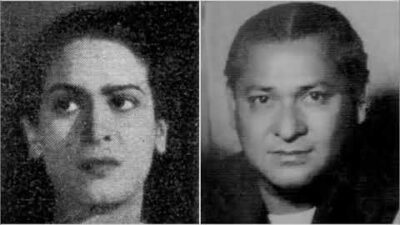
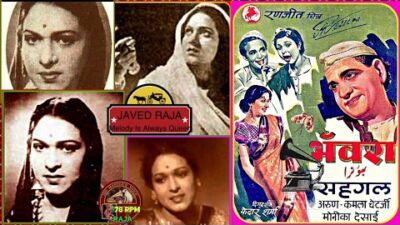
| कलाकार-मंडली | के. एल. सहगल · K. L. Saigal · मोनिका देसाई · Monica Desai · अरुण कुमार आहूजा · Arun Kumar Ahuja · कमला चटर्जी · Kamala Chatterjee · लाला याक़ूब · Lala Yakub · ब्रिजमाला · Brijmala |
| निर्माण-गृह | Ranjit Movietone |
| शैली | Musical · Comedy · Romance |
| भाषा | hindi |
| प्रकार | कथा-चित्र (फ़ीचर) |
| गीत | 11 गीत — ऊपर पूरी संगीत-सूची |
जुड़े हुए पन्ने
Connected Plates · The Graph Made Visibleअटलस में कोई पन्ना अकेला नहीं — 'भँवरा' से उसके गीत, कलाकार, राग और युग, सब जुड़े हैं।
इस फ़िल्म के गीत · Songs of this Film
कलाकार · Cast & Crew
युग · The Era
साझा कीजिए · Share this Plate