कलाकार विंग · कलाकार-पट्टिका · Artist Plate
मुखराम शर्मा
Mukhram Sharma
जन्म1909 — Poothi, Meerut district, Uttar Pradesh, India
निधन2000
जीवन-पट्टी
The Life Specimen| नाम | मुखराम शर्मा · Mukhram Sharma |
|---|---|
| जन्म | 1909 — Poothi, Meerut district, Uttar Pradesh, India |
| निधन | 2000 |
| भूमिकाएँ | गीतकार |
पट्टिका-लेख
The Monographजीवनी Biography
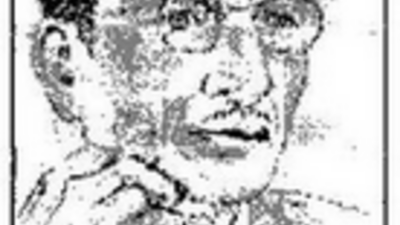
पंडित मुखराम शर्मा (1909-2000) ने हिंदी सिनेमा में प्रवेश गीतकार के रूप में किया, लेकिन आगे चलकर वे 1950 के दशक के सबसे कामयाब कथा-पटकथा लेखकों में गिने गए। मेरठ ज़िले के पूठी गाँव में जन्मे शर्मा हिंदी-संस्कृत के अध्यापक थे और 'अशांत' उपनाम से कविताएँ लिखते थे। बाद में वे पुणे पहुँचे और मामूली वेतन पर प्रभात फ़िल्म कंपनी से जुड़ गए। उन्हें पहचान मिली राजा नेने निर्देशित हिंदी-मराठी द्विभाषी फ़िल्म 'दस बजे' (1942) से, जिसकी कथा, संवाद और सभी गीत उन्होंने लिखे — केशवराव भोले के संगीत में बने 'काहे को मुस्काई कली री', 'आज की दुनिया कल से न्यारी' और 'दुख की आँधी आई' जैसे गीतों पर मुखराम शर्मा 'अशांत' का नाम दर्ज है; यह उपनाम उन्होंने जल्द ही छोड़ दिया। गीत-लेखन नहीं, बल्कि कथा-लेखन ही उनकी असली पहचान बना: 'औलाद' (1954) के लिए उन्हें सर्वश्रेष्ठ कहानी का पहला फ़िल्मफ़ेयर पुरस्कार मिला, और फिर 'वचन' (1955) तथा 'साधना' (1958) के लिए भी यही सम्मान मिला। 'तलाक़' (1958), 'धूल का फूल' (1959) और 'एक ही रास्ता' जैसी सामाजिक फ़िल्मों ने उनके नाम को सितारों जैसा आकर्षण दे दिया — पोस्टरों पर 'पंडित मुखराम शर्मा' का नाम ही फ़िल्म बेच देता था। 'सौ दिन सास के' (1980) के बाद वे सेवानिवृत्त हुए, वर्ष 2000 में ज़ी सिने लाइफ़टाइम अचीवमेंट सम्मान पाया और उसी वर्ष मेरठ में उनका निधन हुआ।
अंग्रेज़ी में पढ़ें · Read in English
Pandit Mukhram Sharma (1909-2000) entered Hindi cinema as a lyricist but went on to become one of the most bankable story and screenplay writers of the 1950s. Born in Poothi village in Meerut district, he worked as a Hindi and Sanskrit teacher and published poetry under the pen name 'Ashant' before moving to Pune, where he joined the Prabhat Film Company on a modest salary. His breakthrough came with the Hindi-Marathi bilingual Das Baje (1942), directed by Raja Nene, for which he wrote the story, dialogue and all the songs set to Keshavrao Bhole's music — lyrics such as 'Kahe Ko Muskayi Kali Ri', 'Aaj Ki Duniya Kal Se Nyari' and 'Dukh Ki Aandhi Aayi' carry the credit Mukhram Sharma 'Ashant', a pen name he dropped soon after. Writing, rather than song-making, became his calling: Aulad (1954) won him the very first Filmfare Award for Best Story, and he won the same award again for Vachan (1955) and Sadhna (1958). Socially minded hits like Talaq (1958), Dhool Ka Phool (1959) and Ek Hi Raasta made his name a box-office draw in its own right — posters sold films on 'Pandit Mukhram Sharma' the way they sold stars. He retired after Sau Din Saas Ke (1980), received a Zee Cine Lifetime Achievement honour in 2000, and died in Meerut the same year.
अन्य विवरण
More Details- Birth Year
- 1909
- Death Year
- 2000
अभिलेख-सार
Discography Summary| संग्रह में गीत | 19 — नीचे जुड़े हुए पन्नों में सूचीबद्ध |
|---|
अभिलेख व संदर्भ
Archives & References| विकिपीडिया | Wikipedia |
|---|
जुड़े हुए पन्ने
Connected Plates · The Graph Made Visibleअटलस में कोई पन्ना अकेला नहीं — मुखराम शर्मा से उनके गीत, फ़िल्में, घराना, समकालीन और युग, सब यहाँ से खुलते हैं।
हस्ताक्षर-गीत · Signature Songs
फ़िल्में · The Films
साझा कीजिए · Share this Plate