गीत विंग · गीत-पट्टिका · Song Plate
आयेगा आने वाला
Aayega Aanewala
एक ऐसा गीत जिसे सुनकर पूरे भारत ने एक साथ पूछा था — यह आवाज़ किसकी है?
भावअविस्मरणीय · उदास · रहस्यमय · रोमांटिक
भाषाHindi · Urdu गतिधीमी स्वरूपएकल महिला
श्रेय
The Creditsबोल · The Lyrics
बोल — झलक · Lyrics Preview
आयेगा, आयेगा, आयेगा
धीरे-धीरे मेरी याद आएगी
उस दिन तुम मुझको याद करोगे
Aayega, aayega, aayega
Dheere dheere meri yaad aayegi
Us din tum mujhko yaad karoge
कॉपीराइट के कारण केवल झलक — पूरे बोल आधिकारिक मंचों पर।
शब्दकोश
Word Meaningsसूत्र-वाक्य · The Hook
सूत्र-वाक्य
एक ऐसा गीत जिसे सुनकर पूरे भारत ने एक साथ पूछा था — यह आवाज़ किसकी है?
In EnglishA song so ethereal it once made all of India stop and ask — who is that voice?
पट्टिका-लेख
The Monographपरिचय Overview
१९४९ में कमाल अमरोही की रहस्यमयी थ्रिलर फ़िल्म 'महल' (बॉम्बे टॉकीज़) के लिए रचा गया 'आयेगा आने वाला' वो गीत है जिसने पूरे भारत को लता मंगेशकर की आवाज़ से पहली बार परिचित कराया। राग पहाड़ी पर आधारित और मात्र बारह वाद्ययंत्रों के साथ रिकॉर्ड किया गया यह गीत — संगीतकार खेमचंद प्रकाश की उस अद्वितीय सूझबूझ का प्रमाण है जो भीड़-भाड़ के बजाय सन्नाटे में भी संगीत की गहराई खोज लेती है। गीतकार नख़्शब जारचवी की काव्य-पंक्तियाँ एक आत्मा की अनंत प्रतीक्षा को अभिव्यक्त करती हैं — कामिनी (मधुबाला) का वो इंतज़ार जो जन्म-जन्मांतर के पार भी नहीं टूटता। साढ़े छह मिनट से अधिक लंबा यह गीत सुनने वाले को अपनी दुनिया से अलग खींच ले जाता है। सरेगामा (तब HMV) ने इसे प्रकाशित किया और आकाशवाणी ने इतिहास बनाया — पहली बार किसी प्लेबैक गायक (लता मंगेशकर) का नाम रेडियो पर लिया गया। यह गीत 'legendary' श्रेणी में आता है और हिंदी फ़िल्म संगीत के हर श्रेष्ठ संग्रह में इसका स्थान सुरक्षित है।
अंग्रेज़ी में पढ़ें · Read in English
Released in 1949 as the centrepiece of Kamal Amrohi's gothic thriller Mahal (Bombay Talkies), 'Aayega Aanewala' is the song that announced Lata Mangeshkar to all of India. Set in Raag Pahadi and recorded with just twelve instruments — an unusually spare arrangement — music director Khemchand Prakash created an atmosphere of spectral longing that no amount of orchestral grandeur could have achieved. Lyricist Nakhshab Jarchavi's verse distils pure supernatural anticipation: the ghost of Kamini (Madhubala) waits in the dark for her beloved to return across lifetimes. Running six minutes and fifty-two seconds, the song demands and rewards complete surrender. Saregama (then HMV) released it to immediate sensation, and All India Radio made history by naming the playback singer on air — the first time Lata Mangeshkar's name was publicly credited in a broadcast. The song is classified legendary and remains on every definitive list of the greatest Hindi film songs ever recorded.
संगीत The Music
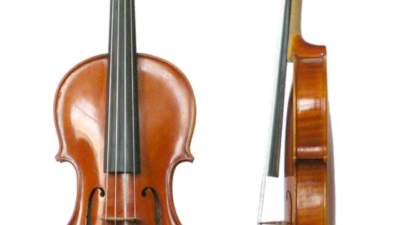
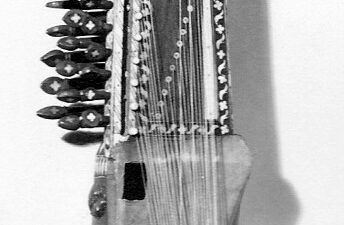
खेमचंद प्रकाश की इस रचना की सबसे बड़ी ताक़त है संयम। उन्होंने राग पहाड़ी को चुना — वह राग जो पहाड़ों की विरह-व्यथा और अलौकिकता दोनों को समेटे है — और मात्र बारह वाद्ययंत्रों से इसे सजाया। गीत का आरम्भ बिना तबले के होता है; एक अकेली धुन धुंध में तैरती हुई-सी उभरती है। वायलिन धीरे-धीरे प्रवेश लेता है, सारंगी पृष्ठभूमि में एक करुण धागा थामे रहती है, और सितार पहाड़ी के विशिष्ट आरोह को रेखांकित करता है। लता की आवाज़ शब्दों के बीच के मौन में भी उतनी ही गहरी उतरती है जितनी शब्दों में। उस समय जब फ़िल्मी गीत तीन मिनट से अधिक नहीं होते थे, यह साढ़े छह मिनट का गीत एक कलात्मक साहस था। कहा जाता है कि खेमचंद जी ने विशेष ध्वनि-व्यवस्था के साथ इसे रिकॉर्ड किया ताकि आवाज़ दूर किसी और दुनिया से आती लगे।
अंग्रेज़ी में पढ़ें · Read in English
Khemchand Prakash's genius in 'Aayega Aanewala' lies in restraint. He chose Raag Pahadi — the raga of the mountains, associated with both longing and the supernatural — and orchestrated it with only twelve instruments. The song opens without percussion; a lone melody floats in, unhurried, as if drifting through mist. Violins enter gradually, lending warmth to what might otherwise be coldly spectral. The sitar traces the outline of Pahadi's characteristic ascent while the sarangi sustains a thread of pathos beneath Lata's voice. The tempo is funereal but never heavy; it breathes. Lata was twenty years old at the recording, yet she delivered a performance of mature, measured sorrow — holding notes at the edge of silence, letting the spaces between words carry as much emotion as the words themselves. The song runs six minutes fifty-two seconds: at a time when film songs rarely exceeded three minutes, this was an act of artistic conviction. Prakash reportedly recorded the song in a specially arranged acoustic setup to create the illusion of distance — as if the voice were coming from another world entirely.
काव्य The Poetry
नख़्शब जारचवी की काव्य-रचना एक ही अध्यात्मिक निश्चय के इर्द-गिर्द बुनी गई है — प्रिय के लौटने की अटूट आस्था। 'आयेगा आने वाला' — यह केवल एक पंक्ति नहीं, एक मंत्र है जो अँधेरे में बार-बार दोहराया जाता है। 'आने वाला' शब्द में समय की समस्त अनिश्चितता और प्रेम की समस्त दृढ़ता एक साथ समाई है। जारचवी ने हिंदी सिनेमा के लिए बहुत कम गीत लिखे, पर इस एक पंक्ति ने उन्हें अमर कर दिया। कम बोलकर सब कुछ कह देने की यह कला ही श्रेष्ठ कविता की पहचान है।
अंग्रेज़ी में पढ़ें · Read in English
Nakhshab Jarchavi's lyric is built around a single metaphysical obsession: the certainty of return. 'Aayega aanewala' — he will come, the one who is to come — is simultaneously a declaration and a plea, a ghost's faith and a lover's delusion. The verse avoids florid ornamentation; the lines are spare, repetitive, hypnotic — like a mantra chanted in the dark. The Urdu word 'aanewala' carries within it all of time's uncertainty collapsed into hope. Jarchavi wrote few songs for Hindi cinema, but this one line immortalised him. The lyric is a masterclass in saying everything by saying almost nothing.
कहानी The Story
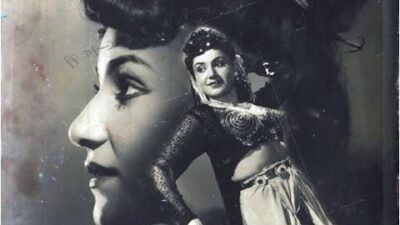
मूल रूप से यह गीत तुन-तुन (उमा देवी) को दिया जाने वाला था, पर कर्दार प्रोडक्शंस के साथ उनके अनुबंध के कारण वे बॉम्बे टॉकीज़ के लिए गा नहीं सकती थीं। गीत लता मंगेशकर को मिला — बीस साल की उम्र, उद्योग में अभी पाँव जमा ही रही थीं। निर्देशक कमाल अमरोही ने उन्हें दृश्य समझाया: मधुबाला का किरदार कामिनी एक आत्मा है, और गीत को दो दुनियाओं के बीच तैरता हुआ महसूस होना चाहिए। लता ने सहजता से यह बात आत्मसात कर ली। संगीतकार खेमचंद प्रकाश १० अगस्त १९५० को इस दुनिया से चले गए — अपनी इस रचना का चमत्कार देखने से पहले ही। फ़िल्म १९ अक्टूबर १९४९ को आई और कुछ ही हफ़्तों में देश के हर घर में यह गीत गूँजने लगा। आकाशवाणी ने लता का नाम लेकर इसे बजाया — पहली बार किसी प्लेबैक गायक को रेडियो पर श्रेय मिला, जो अपने आप में एक क्रांति थी।
अंग्रेज़ी में पढ़ें · Read in English
Tun Tun (Uma Devi) was originally offered 'Aayega Aanewala' but had to decline due to a contract with Kardar Productions that prevented her from recording for Bombay Talkies. The song came to Lata Mangeshkar — twenty years old, still finding her footing in the industry. Director Kamal Amrohi briefed her on the scene: Madhubala's character Kamini is a ghost, and the song must feel as if it floats between worlds. Lata understood instinctively. Music director Khemchand Prakash died on 10 August 1950 — before he could witness the song becoming a national phenomenon. The film released on 19 October 1949, and within weeks, the entire country was humming it. All India Radio played it with Lata's name — the first time a playback singer's name was announced on air, a revolution in its own right.
विरासत The Legacy
'आयेगा आने वाला' लता मंगेशकर की सर्वोच्चता का संस्थापक मिथक है। हर पीढ़ी ने इसे अनुभव किया है — रेडियो पर, रेट्रो संकलनों में, हॉरर और ऑर्ट-हाउस फ़िल्मों के पुनः-उपयोग में। इसे दर्जनों गायकों ने गाया, पर बेहतर किसी ने नहीं किया। फ़िल्मफेयर से लेकर प्लैनेट बॉलीवुड तक हर प्रामाणिक सूची में यह गीत शीर्ष पाँच में है। ध्वनि-तकनीक के लिहाज़ से भी यह एक मील का पत्थर है: १९४९ में बारह वाद्ययंत्रों से बनाई गई वह 'दूर से आती आवाज़' का भ्रम आज भी रिकॉर्डिंग की दुनिया में मिसाल के रूप में लिया जाता है। इस एक गीत ने नूरजहाँ और सुरैया के युग को समाप्त कर लता के युग की नींव रखी।
अंग्रेज़ी में पढ़ें · Read in English
'Aayega Aanewala' is the founding myth of Lata Mangeshkar's supremacy in Hindi film music. Every subsequent generation of listeners has encountered it — through radio, through retro compilations, through sampling in horror films and art-house cinema alike. It has been covered by dozens of singers but never bettered. Filmfare, Planet Bollywood, and every authoritative ranking of Hindi film music places it among the top five songs of all time. It is also a landmark in audio technology: that illusion of distant, disembodied voice — achieved in 1949 with twelve instruments — remains a benchmark of atmospheric recording. The song effectively ended the dominance of Noor Jehan and Suraiya as the primary female voices of Hindi cinema, replacing them with Lata's crystalline, emotionally precise soprano.
वर्गीकरण
Classification- Tempo
- Slow
Genre
अन्य विवरण
More Details- Wikipedia: Aayega Aanewala — https://en.wikipedia.org/wiki/Aayega_Aanewala
- Wikipedia: Mahal (1949 film) — https://en.wikipedia.org/wiki/Mahal_(1949_film)
- Wikipedia: Khemchand Prakash — https://en.wikipedia.org/wiki/Khemchand_Prakash
- Songs of Yore: Best songs of 1949 — https://www.songsofyore.com/best-songs-of-1949-and-the-winners-are/
- Filmcompanion: Top 100 Bollywood Albums #31 Mahal — https://www.filmcompanion.in/features/31-mahal-top-100-bollywood-albums
- Sahapedia: Khemchand Prakash — The Man Who Discovered Lata Mangeshkar, Kishore Kumar
References
रोचक तथ्य
Margin Notesटुन टुन (उमा देवी) ने एक प्रतिद्वंद्वी स्टूडियो अनुबंध के कारण इस गीत को अस्वीकार कर दिया — हिंदी फिल्म संगीत इतिहास के सबसे महत्वपूर्ण अस्वीकरणों में से एक।
अंग्रेज़ी में पढ़ें · Read in English
Tun Tun (Uma Devi) declined the song due to a rival studio contract — one of the most consequential rejections in Hindi film music history.
गीत केवल बारह वाद्ययंत्रों के साथ रिकॉर्ड किया गया था, जो 1949 के स्टूडियो अभ्यास के लिए असामान्य रूप से संक्षिप्त संयोजन था।
अंग्रेज़ी में पढ़ें · Read in English
The song was recorded with only twelve instruments, an unusually spare arrangement for 1949 studio practice.
ऑल इंडिया रेडियो ने इस गीत को बजाते समय हवा पर लता मंगेशकर का नाम लिया — पहली बार जब किसी पार्श्वगायिका को सार्वजनिक रेडियो श्रेय मिला।
अंग्रेज़ी में पढ़ें · Read in English
All India Radio named Lata Mangeshkar on air when playing this song — the first time a playback singer received public radio credit.
संगीत निर्देशक खेमचंद प्रकाश का निधन 10 अगस्त 1950 को हुआ, फिल्म रिलीज़ होने के एक वर्ष से भी कम समय बाद, गीत की सफलता का पूरा दायरा देखे बिना।
अंग्रेज़ी में पढ़ें · Read in English
Music director Khemchand Prakash died on 10 August 1950, less than a year after the film released, without witnessing the full scale of the song's success.
गीत की अवधि 6 मिनट 52 सेकंड है — उस युग के फिल्मी गीतों की मानक लंबाई से लगभग दोगुनी।
अंग्रेज़ी में पढ़ें · Read in English
The song runs 6 minutes 52 seconds — nearly double the standard length of film songs of the era.
खेमचंद प्रकाश ने किशोर कुमार को भी खोजा था; 'आएगा आनेवाला' और किशोर का पदार्पण उनकी दोहरी विरासत थे।
अंग्रेज़ी में पढ़ें · Read in English
Khemchand Prakash also discovered Kishore Kumar; 'Aayega Aanewala' and Kishore's debut were his twin legacies.
नमूना-पट्टी
The Specimen Table| शीर्षक | आयेगा आने वाला · Aayega Aanewala |
|---|---|
| फ़िल्म | महल · 1949 |
| वर्ष · युग | 1949 — Golden Era |
| गायक | Lata Mangeshkar |
| गीतकार | नख़्शब जारचवी |
| संगीतकार | Khemchand Prakash |
| स्वरूप | एकल महिला |
| गति | धीमी |
| अवधि | 6:52 |
| भाषा | Hindi · Urdu |
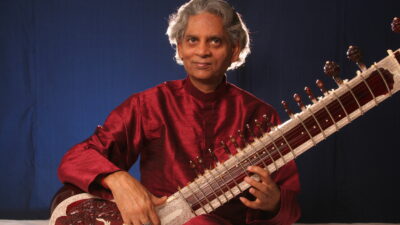
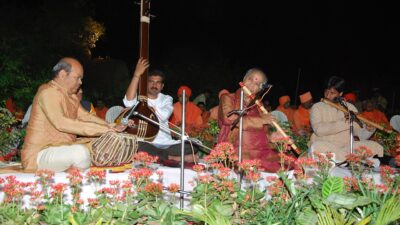
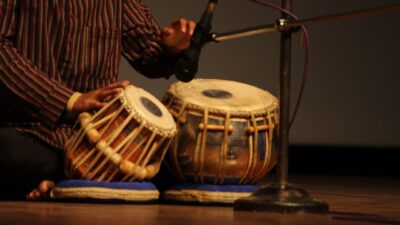
| वाद्य | violin · sarangi · sitar · bansuri · tabla |
| भाव | अविस्मरणीय · उदास · रहस्यमय · रोमांटिक |
| लोकप्रियता | Legendary |
| बोल-स्थिति | केवल झलक |
जुड़े हुए पन्ने
Connected Plates · The Graph Made Visibleअटलस में कोई पन्ना अकेला नहीं — इस गीत से जुड़े गीत, कलाकार, फ़िल्म, राग-ताल-विधा, सब यहाँ से खुलते हैं।
मिलते-जुलते गीत · Related Songs
कलाकार · The Artists
फ़िल्म · The Film
युग · The Era
साझा कीजिए · Share this Plate
यह पन्ना आगे बढ़ाइए
वह गीत रेडियो से निकलकर हर हिंदुस्तानी घर में घुस गया, और उसके साथ आई लता मंगेशकर — वह आवाज़ जिसका इंतज़ार पूरे देश को था, बिना यह जाने।
The song floated out of the radio and into Indian homes, and with it floated Lata Mangeshkar — a voice the country had been waiting for without knowing it.
— Paraphrased from retrospective accounts in Songs of Yore and Filmcompanion
सवाल-जवाब
Questions & Answersमहल (१९४९) का 'आयेगा आने वाला' किसने गाया था? · Who sang Aayega Aanewala from Mahal (1949)?
'आयेगा आने वाला' लता मंगेशकर ने गाया था, जो कमाल अमरोही निर्देशित फ़िल्म 'महल' (१९४९) के लिए था। यह गीत मधुबाला पर फ़िल्माया गया था। संगीत खेमचंद प्रकाश का था और बोल नख़्शब जारचवी ने लिखे थे।
Lata Mangeshkar sang 'Aayega Aanewala' for the 1949 film Mahal, directed by Kamal Amrohi. The song was picturised on Madhubala. Music was composed by Khemchand Prakash and lyrics were written by Nakhshab Jarchavi.
'आयेगा आने वाला' किस राग पर आधारित है? · What raag is Aayega Aanewala based on?
'आयेगा आने वाला' राग पहाड़ी पर आधारित है — यह राग उत्तर-पश्चिम भारत के पहाड़ों की विरह-भावना और रहस्यमयी सौन्दर्य को अभिव्यक्त करने के लिए जाना जाता है।
Aayega Aanewala is set in Raag Pahadi, a raga associated with the hills and mountains of northwestern India, often used to convey longing, mysticism and natural beauty.
'आयेगा आने वाला' गाने के लिए मूल रूप से किसका नाम था? · Who was originally supposed to sing Aayega Aanewala?
यह गीत पहले तुन-तुन (उमा देवी) को दिया गया था, पर कर्दार प्रोडक्शंस के साथ उनके अनुबंध के कारण वे बॉम्बे टॉकीज़ के लिए नहीं गा सकती थीं। इसके बाद यह अवसर लता मंगेशकर को मिला।
Tun Tun (Uma Devi) was first offered the song but had to decline due to a contract with Kardar Productions that barred her from recording for Bombay Talkies. The song then went to Lata Mangeshkar.
'आयेगा आने वाला' कितने समय का है? · How long is Aayega Aanewala?
यह गीत ६ मिनट ५२ सेकंड का है — १९४९ के फ़िल्मी गीतों की सामान्य अवधि से लगभग दोगुना। संगीतकार खेमचंद प्रकाश का यह एक साहसी कलात्मक निर्णय था।
The song runs 6 minutes and 52 seconds — almost double the standard length of film songs in 1949, a bold artistic choice by music director Khemchand Prakash.