गीत विंग · गीत-पट्टिका · Song Plate
सुहानी रात ढल चुकी
Suhani Raat Dhal Chuki
रात तो ढल चुकी — पर रफ़ी की आवाज़ सुनकर मन करता है वह रात कभी न जाए।
भावउदास · पुरानी यादें · रोमांटिक
भाषाUrdu · Hindi गतिधीमी स्वरूपएकल पुरुष
श्रेय
The Creditsबोल · The Lyrics
बोल — झलक · Lyrics Preview
न जाने तुम कब आओगे
ये रात गुज़र जाएगी
Na jaane tum kab aaoge
Ye raat guzar jaayegi
कॉपीराइट के कारण केवल झलक — पूरे बोल आधिकारिक मंचों पर।
शब्दकोश
Word Meaningsसूत्र-वाक्य · The Hook
सूत्र-वाक्य
रात तो ढल चुकी — पर रफ़ी की आवाज़ सुनकर मन करता है वह रात कभी न जाए।
In EnglishThe night is already spent — but Rafi's voice makes you want it to last forever.
पट्टिका-लेख
The Monographपरिचय Overview
१९४९ में नौशाद ने एक के बाद एक तीन फ़िल्मों — अंदाज़, दिल्लगी, दुलारी — का संगीत रचा और 'सुहानी रात ढल चुकी' (दुलारी, १९४९) उस असाधारण वर्ष की उनकी सर्वश्रेष्ठ पुरुष एकल प्रस्तुति है। राग पहाड़ी पर आधारित, शकील बदायूँनी के बोलों से सजी और मोहम्मद रफ़ी की आवाज़ में ढली यह रचना तीन प्रतिभाओं के मिलन का चमत्कार है। बोल सरल हैं — सुहानी रात ढल चुकी, न जाने तुम कब आओगे — पर नौशाद का संगीत-संयोजन और रफ़ी की अभिव्यक्ति इसे अनुपस्थिति की एक दार्शनिक विवेचना में बदल देती है। सरेगामा ने इसे प्रकाशित किया और दुलारी का एल्बम उस वर्ष 'महल' के साथ सर्वश्रेष्ठ एल्बम माना गया। इस गीत ने रफ़ी को हिंदी सिनेमा का प्रमुख पुरुष प्लेबैक गायक स्थापित किया।
अंग्रेज़ी में पढ़ें · Read in English
From Naushad's extraordinary 1949 hat-trick of films — Andaz, Dillagi, and Dulari — 'Suhani Raat Dhal Chuki' (Dulari, 1949) stands as Mohammed Rafi's definitive claim on the golden era. Set in Raag Pahadi and penned by Shakeel Badayuni, this song of midnight longing is a collaboration of three geniuses: Naushad's classical orchestration, Badayuni's precise Urdu verse, and Rafi's voice carrying the full weight of unspoken yearning. The lyric is deceptively simple — the beautiful night has already passed; when will you come? — but Naushad's arrangement and Rafi's delivery elevate it into a meditation on the nature of absence. Saregama (then HMV) released the film's soundtrack to great acclaim; Dulari was widely considered one of the year's two finest albums alongside Mahal. The song established Rafi as the pre-eminent male playback voice in Hindi cinema.
संगीत The Music
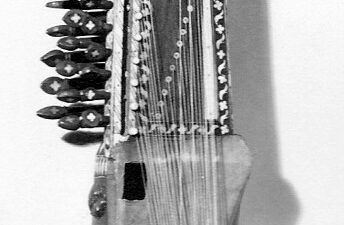
नौशाद का संगीत-संयोजन यहाँ चाँदनी रात जैसा है — सरल, चाँदी-सी चमक वाला, और भावनात्मक रूप से एकदम सटीक। उन्होंने राग पहाड़ी का चयन उसकी उस क्षमता के लिए किया जो एक साथ प्राकृतिक सौन्दर्य और गहरी विरह को समाहित करती है। तार वाद्यों का प्रयोग मितव्ययी है, भावुकता से रहित; सारंगी अपनी खुद की एक स्वर-यात्रा बुनती है। नौशाद की विशेषता थी कि वे रफ़ी को 'साँस लेने' का अवसर देते थे — लंबे टिके हुए स्वर जो शब्दों पर रुकते हैं, वे विराम जो वह सब कह जाते हैं जो शब्दों में नहीं आता। इस गीत ने हिंदी फ़िल्म संगीत को सिखाया कि पुरुष आवाज़ शास्त्रीय संरचना और रोमांटिक काव्य के संगम से क्या कर सकती है।
अंग्रेज़ी में पढ़ें · Read in English
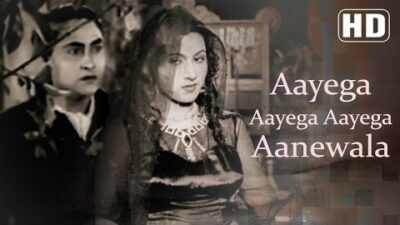
Naushad's orchestration here is a study in moonlight: sparse, silver-edged, and emotionally exact. He chose Raag Pahadi for its capacity to hold both pastoral beauty and deep longing simultaneously — the same raag Khemchand Prakash used for 'Aayega Aanewala' that year, suggesting Pahadi was the raga-of-the-moment for haunting nocturnal feelings. The string section is restrained, never sentimental; the sarangi provides a vocal underscore of its own. Naushad's genius was to let Rafi breathe — long sustained notes that dwell on syllables, pauses that speak of things that cannot be said. The taal is gentle, almost like a slow heartbeat. This was the song that taught Hindi film music what a male voice could do with classical structure and romantic text — not operatic, not folksy, but something entirely its own.
काव्य The Poetry
शकील बदायूँनी की कविता एक विरोधाभास पर खड़ी है: जो रात रोमांस की होनी चाहिए, वही प्रिय की अनुपस्थिति में यातना बन जाती है। 'सुहानी रात' — मनोहर रात — 'ढल चुकी' है। सौन्दर्य बीत रहा है, प्रेम अनुत्तरित है। बदायूँनी की उर्दू स्वयं एक संगीत है; उनके शब्दों के स्वर ही खिंचते हुए गीत में ढल जाते हैं। 'न जाने तुम कब आओगे' — यह प्रश्न कोई आरोप नहीं, बल्कि एक विनम्र, कोमल विस्मय है; उस व्यक्ति की भाषा जो बिना शर्त प्रेम करता है।
अंग्रेज़ी में पढ़ें · Read in English
Shakeel Badayuni's verse is built on the paradox of the beautiful night: it should be a time of romance, but the beloved is absent, making its beauty a torment. 'Suhani raat' — the pleasant night — has 'dhal chuki' — already waned. Beauty is passing; love is unreturned. Badayuni's Urdu is musical in itself, choosing words whose very vowels elongate into song. The question 'na jaane tum kab aaoge' (I don't know when you will come) is not an accusation but a resigned, tender wonder — the lyric of someone who loves without demands.
कहानी The Story
पहली रिकॉर्डिंग के बाद मोहम्मद रफ़ी नौशाद के घर गए और रो पड़े। उन्हें लगा कि उन्होंने इस गीत के साथ न्याय नहीं किया और उन्होंने दोबारा रिकॉर्ड करने की गुज़ारिश की। नौशाद, इस युवा गायक की ईमानदारी से अभिभूत होकर, मान गए। दुनिया जो संस्करण जानती है, वही दूसरी बार रिकॉर्ड किया गया है। यह प्रसंग दोनों महान कलाकारों के बारे में कुछ ज़रूरी बात कहता है: रफ़ी की पूर्णतावादी सोच और विनम्रता, और नौशाद की वह दुर्लभ उदारता जो एक कलाकार को दूसरा अवसर देती है। तकनीकी रूप से शायद अंतर सूक्ष्म था — पर रफ़ी को पता था, नौशाद को पता था, और वह 'जानना' ही इस गीत की असली जान है।
अंग्रेज़ी में पढ़ें · Read in English
After the initial recording session, Mohammed Rafi went to Naushad's home and wept. He felt he had not done justice to the song and begged to re-record it. Naushad, moved by the young singer's sincerity and self-critical nature, agreed. The re-recorded version is the one the world knows. This anecdote reveals something essential about both men: Rafi's perfectionism and humility, and Naushad's rare willingness to give an artist a second chance. The re-recording made no dramatic technical difference audible to a layperson — but Rafi knew, and Naushad knew, and that knowing is what made the song what it is.
विरासत The Legacy
इस गीत ने मोहम्मद रफ़ी के सुनहरे दौर के रोमांटिक एकल गीतों का साँचा तय किया: शास्त्रीय आधार, संयमित प्रस्तुति, भावनात्मक गहराई जो कभी नाटकीयता में नहीं बदलती। अगले दो दशकों में हिंदी सिनेमा का हर पुरुष एकल रोमांटिक गीत इसी कसौटी पर परखा जाता था। यह गीत हर मेहफ़िल का अनिवार्य हिस्सा बन गया — रफ़ी ने स्वयं दशकों तक इसे लाइव प्रस्तुत किया। रफ़ी के सर्वश्रेष्ठ गीतों और नौशाद की श्रेष्ठ रचनाओं की हर प्रामाणिक सूची में 'सुहानी रात ढल चुकी' शीर्ष दस में है। इसे अनगिनत गायकों ने गाया है, पर मूल रिकॉर्डिंग आज भी अपराजेय है।
अंग्रेज़ी में पढ़ें · Read in English
This song established Mohammed Rafi's template for the golden era romantic male solo: classical foundation, understated delivery, emotional depth that never tips into melodrama. Every subsequent romantic male vocal in Hindi cinema for the next two decades was implicitly measured against it. The song is an integral part of any singer's mehfil repertoire — Rafi himself sang it at live concerts for decades. In any authoritative ranking of the best Rafi songs or the best Naushad compositions, 'Suhani Raat Dhal Chuki' appears within the top ten. It is one of the most widely covered songs in Hindi music, yet the original remains definitive.
वर्गीकरण
Classification- Tempo
- Slow
Genre
अन्य विवरण
More Details- Filmcompanion: Top 100 Bollywood Albums #29 Dulari — https://www.filmcompanion.in/features/29-dulari-top-100-bollywood-albums
- Songs of Yore: Best songs of 1949 — https://www.songsofyore.com/best-songs-of-1949-and-the-winners-are/
- Cinemasangeet / Down Melody Lane: Suhani Raat Dhal Chuki — https://cinemasangeet.com/hindi-film-music/down-melody-lane/suhani-raat-dhal-chuki.html
- IMDb: Dulari (1949) — https://www.imdb.com/title/tt0130643/
- Atulsongaday.me: Suhani Raat discussion
References
रोचक तथ्य
Margin Notesपहली रिकॉर्डिंग के बाद, रफ़ी नौशाद के सामने रो पड़े और उन्होंने दोबारा रिकॉर्ड करने की विनती की; नौशाद मान गए, और दुनिया आज जिस संस्करण को जानती है, वह यही पुनः-रिकॉर्ड किया गया संस्करण है।
अंग्रेज़ी में पढ़ें · Read in English
After the first recording, Rafi wept before Naushad and begged to record again; Naushad agreed, and the re-recorded version is what the world knows.
'दुलारी' के एलबम को 1949 के दो सर्वश्रेष्ठ एलबमों में से एक माना जाता था, दूसरा था 'महल' — दोनों ही नौशाद के संगीत में बने थे और दोनों में लता तथा रफ़ी की आवाज़ें थीं।
अंग्रेज़ी में पढ़ें · Read in English
Dulari's album was considered one of the two best of 1949, alongside Mahal — both with Naushad and both featuring Lata and Rafi.
यह गीत और उसी वर्ष का 'आएगा आनेवाला' — दोनों ही राग पहाड़ी में निबद्ध हैं — जो यह संकेत देता है कि 1949 की संगीत-कल्पना में इस राग का विशेष स्थान था।
अंग्रेज़ी में पढ़ें · Read in English
Both this song and 'Aayega Aanewala' from the same year are set in Raag Pahadi — suggesting the raga held a special place in 1949's musical imagination.
संगीत जगत में इस गीत को 'किसी भी संगीत-समारोह में हर गायक के प्रस्तुति-भंडार का अनिवार्य हिस्सा' बताया जाता है।
अंग्रेज़ी में पढ़ें · Read in English
The song is described in music circles as 'an integral part of any singer's repertoire in any musical gathering.'
नमूना-पट्टी
The Specimen Table| शीर्षक | सुहानी रात ढल चुकी · Suhani Raat Dhal Chuki |
|---|---|
| फ़िल्म | दुलारी · 1949 |
| वर्ष · युग | 1949 — Golden Era |
| गायक | Mohammed Rafi |
| गीतकार | Shakeel Badayuni |
| संगीतकार | Naushad |
| स्वरूप | एकल पुरुष |
| गति | धीमी |
| भाषा | Urdu · Hindi |
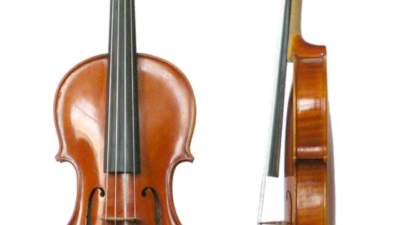
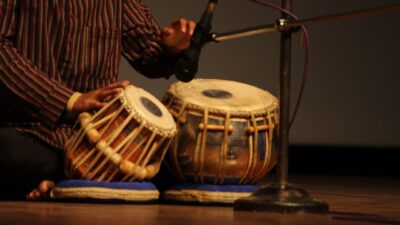
| वाद्य | violin · sarangi · tabla · harmonium |
| भाव | उदास · पुरानी यादें · रोमांटिक |
| लोकप्रियता | Legendary |
| बोल-स्थिति | केवल झलक |
जुड़े हुए पन्ने
Connected Plates · The Graph Made Visibleअटलस में कोई पन्ना अकेला नहीं — इस गीत से जुड़े गीत, कलाकार, फ़िल्म, राग-ताल-विधा, सब यहाँ से खुलते हैं।
मिलते-जुलते गीत · Related Songs
कलाकार · The Artists
फ़िल्म · The Film
युग · The Era
साझा कीजिए · Share this Plate
यह पन्ना आगे बढ़ाइए
'सुहानी रात ढल चुकी' ने रफ़ी को उनकी असली पहचान दिलाई — उस करियर की शुरुआत जिसने आने वाली पीढ़ियों के लिए मानक स्थापित किए।
Suhani Raat Dhal Chuki brought Rafi well and truly into his own, paving the way for a career at the top that defined limits and set standards for generations.
— Cinemasangeet.com / Down Melody Lane
सवाल-जवाब
Questions & Answers'सुहानी रात ढल चुकी' किसने गाया? · Who sang Suhani Raat Dhal Chuki?
'सुहानी रात ढल चुकी' मोहम्मद रफ़ी ने १९४९ की फ़िल्म 'दुलारी' के लिए गाया था। संगीत नौशाद का था और बोल शकील बदायूँनी ने लिखे थे।
Mohammed Rafi sang this song for the 1949 film Dulari. Music was composed by Naushad and lyrics by Shakeel Badayuni.
रफ़ी ने 'सुहानी रात ढल चुकी' दोबारा क्यों रिकॉर्ड किया? · Why did Rafi re-record Suhani Raat Dhal Chuki?
पहली रिकॉर्डिंग के बाद रफ़ी को लगा कि उन्होंने इस रचना के साथ पूरा न्याय नहीं किया। वे नौशाद के घर गए और रोते हुए दोबारा रिकॉर्ड करने की विनती की। नौशाद मान गए और जो संस्करण रिलीज़ हुआ, वह दूसरी बार रिकॉर्ड किया गया था।
After the first recording, Rafi felt he had not done full justice to the composition. He went to Naushad's home and wept, requesting a re-recording. Naushad agreed, and the re-recorded version is the one released and heard worldwide.
'सुहानी रात ढल चुकी' किस फ़िल्म का गीत है? · Which film is Suhani Raat Dhal Chuki from?
यह गीत १९४९ की फ़िल्म 'दुलारी' का है, जिसे ए.आर. कर्दार ने बनाया था। फ़िल्म में मधुबाला और सुरेश मुख्य भूमिकाओं में थे।
The song is from the 1949 film Dulari, produced by A.R. Kardar. The film starred Madhubala and Suresh.