गीत विंग · गीत-पट्टिका · Song Plate
वो पास रहें या दूर रहें
Wo Paas Rahe Ya Door Rahe
पास हो या दूर — वो हमेशा नज़रों में रहते हैं: वह गीत जिसने कहा कि प्रेम को दूरी से क्या मतलब।
भावउदास · पुरानी यादें · दार्शनिक · रोमांटिक
भाषाUrdu · Hindi गतिSlow-Medium स्वरूपयुगल
श्रेय
The Creditsबोल · The Lyrics
बोल — झलक · Lyrics Preview
नज़रों में समाए रहते हैं
दिल में उतर के बैठ गए
जाने भी नहीं पाते हैं
Nazron mein smaaye rahte hain
Dil mein utar ke baith gaye
Jaane bhi nahin paate hain
कॉपीराइट के कारण केवल झलक — पूरे बोल आधिकारिक मंचों पर।
शब्दकोश
Word Meaningsसूत्र-वाक्य · The Hook
सूत्र-वाक्य
पास हो या दूर — वो हमेशा नज़रों में रहते हैं: वह गीत जिसने कहा कि प्रेम को दूरी से क्या मतलब।
In EnglishNear or far, he never leaves her eyes — the song that said love has nothing to do with distance.
पट्टिका-लेख
The Monographपरिचय Overview
फ़िल्मिस्तान की 'बड़ी बहन' (१९४९) से 'वो पास रहें या दूर रहें' एक ऐसा दार्शनिक प्रेम गीत है जो अपनी फ़िल्म की परिसीमाओं को पार कर उपस्थिति और स्मृति की प्रकृति पर एक विचार-मंथन बन जाता है। गीता रॉय और मुकेश की आवाज़ में, हुसनलाल भगतराम के संगीत के साथ, और उर्दू के सबसे प्रतिभाशाली गीतकारों में से एक राजा मेहदी अली ख़ान के बोलों के साथ — यह गीत प्रेम के बारे में एक बुनियादी सवाल पूछता है: क्या प्रिय का शारीरिक स्थान मायने रखता है जब वो दिल में हमेशा के लिए बस चुके हों? 'बड़ी बहन' (१९४९) एक बड़ी बहन की क़ुरबानी की कहानी है जो छोटी बहन की खुशी के लिए अपनी ख्वाहिशें छोड़ती है, जो इस गीत को कर्तव्य और विरह का एक भावनात्मक परिप्रेक्ष्य देती है।
अंग्रेज़ी में पढ़ें · Read in English
From Filmistan's Badi Bahen (1949), 'Wo Paas Rahe Ya Door Rahe' is a philosophical love song that transcends its film context to become a meditation on the nature of presence and memory. Sung by Geeta Roy and Mukesh against music by the prolific duo Husnlal Bhagatram, with lyrics by Raja Mehdi Ali Khan — one of Urdu's most gifted lyricists — the song poses a fundamental question about love: does the beloved's physical location matter when they have already taken up permanent residence in the heart? The film Badi Bahen (1949) tells the story of an elder sister's sacrifice for her younger sibling's happiness, giving the song an emotional backdrop of duty and longing. Geeta Roy's voice was at its most naturally expressive in this period, and Mukesh's characteristic melancholic baritone made them an ideal pairing. The song became one of the most memorable collaborative works by Husnlal Bhagatram, who composed prolifically for Filmistan throughout the late 1940s.
संगीत The Music
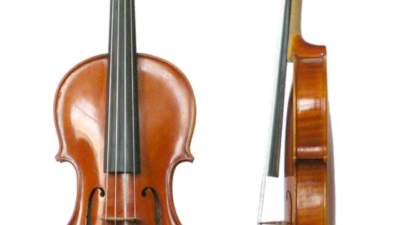
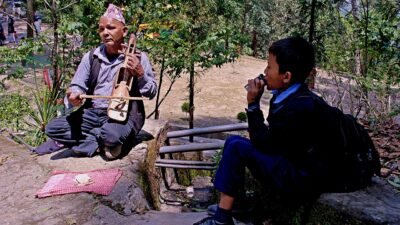
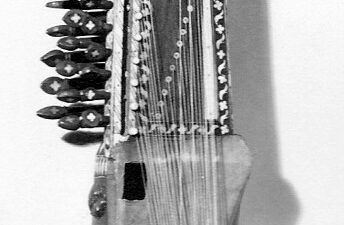
हुसनलाल भगतराम की इस रचना में एक मितव्ययी और ठीक-ठीक भावनात्मक सूझ है। यह जोड़ी, जो १९४० के दशक की शुरुआत से बंबई की सबसे विश्वसनीय संगीत निर्देशक थी, यहाँ एक धीमी वाल्ट्ज-जैसी संरचना तैयार करती है जिसमें वायलिन और सारंगी बराबर का भार उठाते हैं। गति जानबूझकर धीमी है, जैसे हर स्वर इस विश्वास के साथ चुना गया हो कि इस पाठ को जल्दी नहीं किया जा सकता। गीता रॉय और मुकेश की आवाज़ें एक असामान्य सहजता से एक-दूसरे को पूरा करती हैं: उनकी आवाज़ उजली और थोड़ी प्रश्नकारी, उनकी गहरी और अधिक स्वीकृतिपूर्ण — साथ में दो ऐसे लोगों की आवाज़ जो यह मान चुके हैं कि प्रेम में दूरी अनिवार्य है।
अंग्रेज़ी में पढ़ें · Read in English
Husnlal Bhagatram's composition for 'Wo Paas Rahe Ya Door Rahe' is economical and precisely emotional — the duo, who had been Bombay's most commercially reliable music directors since the early 1940s, craft here a slow waltz-like arrangement where violin and sarangi carry equal weight. The tempo is deliberate, as if every note is chosen with the care of someone who knows that this text cannot be hurried. Geeta Roy and Mukesh's voices complement each other with unusual naturalness: her voice bright and slightly questioning, his darker and more resigned, together creating the sound of two people who have accepted that love involves distance. There is no raag citation in the academic sense; this is Bombay studio music at its most sensitive, informed by classical principles without being categorisable as classical.
काव्य The Poetry
राजा मेहदी अली ख़ान की काव्य-पंक्ति एक विरोधाभास पर खड़ी है जो पहली ही पंक्ति में सामने आ जाता है: 'वो पास रहें या दूर रहें' — चाहे पास हों या दूर। यह 'या' पूरे गीत की धुरी है; यह संकेत देता है कि भेद अब महत्त्वहीन हो चुका है। जो आगे आता है — 'नज़रों में समाए रहते हैं' — प्रिय को एक बाहरी उपस्थिति की बजाय एक आंतरिक उपस्थिति में बदल देता है। मेहदी अली ख़ान की उर्दू शब्दशास्त्र में शास्त्रीय है पर भाव में सुलभ — वे कभी परिष्कार के लिए भावना का बलिदान नहीं करते। वे उन गीतकारों में से थे जो प्रेम-गीत के रूप में एक दार्शनिक कविता लिख सकते थे, बिना दर्शकों को यह आभास दिए कि उन्हें दर्शनशास्त्र परोसा जा रहा है।
अंग्रेज़ी में पढ़ें · Read in English
Raja Mehdi Ali Khan's lyric is built on a paradox that opens the first line: 'wo paas rahe ya door rahe' — whether near or far. This 'ya' (or) is the hinge of the entire song; it signals that the distinction has ceased to matter. What follows — 'nazron mein samaaye rahte hain' (they remain embedded in my gaze) — transforms the beloved into an inner presence rather than an outer one. Mehdi Ali Khan's Urdu is classical in diction but accessible in register — he never sacrifices feeling for refinement. He was one of the lyricists who could write a philosophical poem in the form of a love song without the audience noticing they were being given philosophy.
कहानी The Story
'बड़ी बहन' (१९४९) एस. मुखर्जी ने फ़िल्मिस्तान के लिए बनाई थी, जो १९४० के दशक के बंबई के सबसे प्रतिष्ठित फ़िल्म-निर्माण घरानों में से एक था। फ़िल्म में रेहाना, गीता बाली, और प्राण थे, और इसकी भावनात्मक धुरी — एक बड़ी बहन जो परिवार की ख़ातिर अपना प्यार छोड़ती है — विभाजन के बाद के भारत में गहरी अनुगूँज रखती थी, जहाँ लाखों लोगों ने घर और अपनेपन की सर्वोच्च क़ुरबानी दी थी। गीता रॉय (जो बाद में गुरु दत्त से विवाह के बाद गीता दत्त के नाम से प्रसिद्ध हुईं) अपने प्लेबैक करियर की शुरुआत में थीं; मुकेश के साथ यह युगल गीत उनकी पहली बड़ी सहयोगात्मक रिकॉर्डिंग में से एक थी। हुसनलाल भगतराम, जिन्होंने ५०+ फ़िल्मों का संगीत दिया, 'बड़ी बहन' के साउंडट्रैक को अपनी श्रेष्ठ रचनाओं में गिनते थे।
अंग्रेज़ी में पढ़ें · Read in English
Badi Bahen (1949) was produced by S. Mukherjee for Filmistan, one of 1940s Bombay's most prestigious film production houses. The film starred Rehana, Geeta Bali, and Pran, and its emotional core — an elder sister sacrificing her love for her family — resonated deeply in post-Partition India, where millions had experienced the ultimate sacrifice of homeland and belonging. Geeta Roy (who would later marry Guru Dutt and become known as Geeta Dutt) was in the early phase of her playback career; this duet with Mukesh was one of her first major collaborative recordings. Husnlal Bhagatram, who composed music for over 50 films, considered the Badi Bahen soundtrack among their best work. The song was among the first Hindi film duets to treat both voices as philosophically equal partners rather than the male voice leading and the female responding.
विरासत The Legacy
यह गीत गीता दत्त के शुरुआती करियर के सबसे बेहतरीन उदाहरणों में से एक है — १९५० के दशक की गुरु दत्त फ़िल्मों की भारी-भरकम उदासी से पहले, उनकी आवाज़ में यहाँ एक हल्कापन है जो गीत के दार्शनिक भार को झुठलाता है। यह गीत आज भी गीता दत्त या हुसनलाल भगतराम के कार्य पर केंद्रित मेहफ़िलों और पूर्वव्यापी कार्यक्रमों में गाया जाता है। यह उस परिपक्व, सुरीले, उर्दू-आभरण वाले शैली का प्रतिनिधित्व करता है जिसमें फ़िल्मिस्तान का संगीत विभाग १९४० के दशक के अंत में माहिर था — नौशाद की शास्त्रीय भव्यता और सी. रामचंद्र के पश्चिमी रंग से अलग एक अनूठी ध्वनि।
अंग्रेज़ी में पढ़ें · Read in English
This song is one of the finest examples of Geeta Dutt's early career — before she became associated with the sadder, heavier Guru Dutt films of the 1950s, her voice here carries a lightness that the lyric's philosophy belies. The song is still sung at mehfils and retrospective events focusing on Geeta Dutt or Husnlal Bhagatram's work. It represents the mature, melodically rich, Urdu-inflected style that Filmistan's music department excelled at in the late 1940s — a sound distinct from both the classical grandeur of Naushad and the Western inflections of C. Ramchandra. In music encyclopedias and the 'Songs of Yore' tradition, it is consistently mentioned among the best duets of 1949.
वर्गीकरण
Classification- Tempo
- Slow-Medium
Genre
अन्य विवरण
More Details- Wikipedia: Badi Bahen (1949 film) — https://en.wikipedia.org/wiki/Badi_Bahen_(1949_film)
- Wikipedia: Geeta Dutt — https://en.wikipedia.org/wiki/Geeta_Dutt
- Wikipedia: Raja Mehdi Ali Khan — https://en.wikipedia.org/wiki/Raja_Mehdi_Ali_Khan
- Wikipedia: Husnlal Bhagatram — https://en.wikipedia.org/wiki/Husnlal_Bhagatram
- Songs of Yore: Best songs of 1949
References
रोचक तथ्य
Margin Notesजब 'वो पास रहें या दूर रहें' रिकॉर्ड किया गया, तब गीता रॉय अभी किशोरावस्था में ही थीं; उन्होंने अभी गुरु दत्त से विवाह नहीं किया था और न ही वे 'गीता दत्त' बनी थीं।
अंग्रेज़ी में पढ़ें · Read in English
Geeta Roy was still in her teens when 'Wo Paas Rahe Ya Door Rahe' was recorded; she had not yet married Guru Dutt or become 'Geeta Dutt.'
राजा मेहदी अली ख़ान ने बाद में 'वो कौन थी' (1964) के लिए 'लग जा गले' लिखा, लेकिन 1949 का यह गीत भी वही दार्शनिक गहराई प्रदर्शित करता है।
अंग्रेज़ी में पढ़ें · Read in English
Raja Mehdi Ali Khan later wrote 'Lag Ja Gale' for Woh Kaun Thi (1964), but this 1949 lyric shows the same philosophical depth.
'बड़ी बहन' (1949) को 'पारिवारिक बलिदान' शैली के आरंभिक उदाहरणों में से एक बताया गया है, जो आगे चलकर 1950 के दशक के हिंदी सिनेमा को परिभाषित करने वाली शैली बनी।
अंग्रेज़ी में पढ़ें · Read in English
Badi Bahen (1949) has been cited as one of the early examples of the 'family sacrifice' genre that would later define Hindi cinema's 1950s.
हुस्नलाल भगतराम ने 1940 के दशक भर फ़िल्मिस्तान की प्रमुख फ़िल्मों के लिए संगीत रचा; 'बड़ी बहन' नौशाद-शंकर जयकिशन युग के हावी होने से पहले उनकी अंतिम प्रमुख सफलताओं में से एक थी।
अंग्रेज़ी में पढ़ें · Read in English
Husnlal Bhagatram composed music for Filmistan's major productions through the 1940s; Badi Bahen was among their final major hits before the Naushad-Shankar Jaikishan era came to dominate.
गीत का दार्शनिक आधार — कि दूरी चाहे जितनी भी हो, प्रियतम आँखों में ही बसता है — उन विषयों की पूर्वसूचना देता है, जिन्हें साहिर लुधियानवी ने बाद में 1950 के दशक में विकसित किया।
अंग्रेज़ी में पढ़ें · Read in English
The song's philosophical premise — the beloved lives in the eyes regardless of distance — anticipates themes Sahir Ludhianvi would later develop in the 1950s.
नमूना-पट्टी
The Specimen Table| शीर्षक | वो पास रहें या दूर रहें · Wo Paas Rahe Ya Door Rahe |
|---|---|
| वर्ष · युग | 1949 — Golden Era |
| गायक | Geeta Dutt, Mukesh |
| गीतकार | राजा मेहदी अली ख़ान |
| संगीतकार | Husnlal–Bhagatram |
| स्वरूप | युगल |
| गति | Slow-Medium |
| भाषा | Urdu · Hindi |
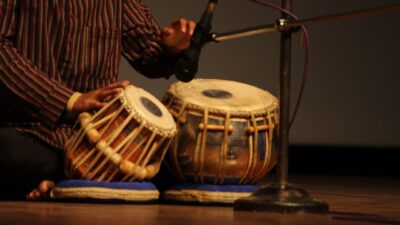
| वाद्य | violin · harmonium · tabla · sarangi |
| भाव | उदास · पुरानी यादें · दार्शनिक · रोमांटिक |
| लोकप्रियता | Very_popular |
| बोल-स्थिति | केवल झलक |
जुड़े हुए पन्ने
Connected Plates · The Graph Made Visibleअटलस में कोई पन्ना अकेला नहीं — इस गीत से जुड़े गीत, कलाकार, फ़िल्म, राग-ताल-विधा, सब यहाँ से खुलते हैं।
मिलते-जुलते गीत · Related Songs
कलाकार · The Artists
युग · The Era
साझा कीजिए · Share this Plate
यह पन्ना आगे बढ़ाइए
पास हो या दूर — प्रिय आँखों में बस चुके हैं। दूरी एक भ्रम है जिसे प्रेम मानने से इनकार कर देता है।
Whether near or far — the beloved has already taken up residence in the eyes. Distance is an illusion love refuses to acknowledge.
— Editorial gloss on Raja Mehdi Ali Khan's lyric — Songs of Yore tradition
सवाल-जवाब
Questions & Answers'वो पास रहें या दूर रहें' किसने गाया? · Who sang Wo Paas Rahe Ya Door Rahe?
यह गीत गीता रॉय (जो बाद में गीता दत्त के नाम से प्रसिद्ध हुईं) और मुकेश ने १९४९ की फ़िल्म 'बड़ी बहन' के लिए गाया। संगीत हुसनलाल भगतराम का था और बोल राजा मेहदी अली ख़ान के।
The song was sung by Geeta Roy (later known as Geeta Dutt) and Mukesh for the 1949 film Badi Bahen. Music was by Husnlal Bhagatram and lyrics by Raja Mehdi Ali Khan.
राजा मेहदी अली ख़ान कौन थे? · Who is Raja Mehdi Ali Khan?
राजा मेहदी अली ख़ान (१९१३-१९६६) हिंदी सिनेमा के उर्दू के सबसे प्रतिभाशाली गीतकारों में से एक थे। उन्होंने 'लग जा गले' (वो कौन थी, १९६४) और दर्जनों अन्य क्लासिक गीत लिखे। दार्शनिक गहराई और बोलों में संयमित सौन्दर्य उनकी पहचान थी।
Raja Mehdi Ali Khan (1913–1966) was one of Urdu's finest lyricists in Hindi cinema. He wrote 'Lag Ja Gale' (Woh Kaun Thi, 1964) and dozens of other classics. Known for philosophical depth and understated elegance in his verse.