गीत विंग · गीत-पट्टिका · Song Plate
मेरे पिया गए रंगून
Mere Piya Gaye Rangoon
पिया गए रंगून, किया टेलिफून — और पूरा हिंदुस्तान तब से यही गुनगुना रहा है।
भावमीठा-कड़वा · पुरानी यादें · चुलबुला
भाषाHindi · Urdu गतिमध्यम स्वरूपयुगल
श्रेय
The Creditsबोल · The Lyrics
बोल — झलक · Lyrics Preview
किया है वहाँ से टेलिफून
गए रंगून से देहरादून
Kiya hai wahan se telephoon
Gaye Rangoon se Dehradoon
कॉपीराइट के कारण केवल झलक — पूरे बोल आधिकारिक मंचों पर।
शब्दकोश
Word Meaningsसूत्र-वाक्य · The Hook
सूत्र-वाक्य
पिया गए रंगून, किया टेलिफून — और पूरा हिंदुस्तान तब से यही गुनगुना रहा है।
In EnglishHe went to Rangoon, called on the telephoon — and the whole of India has been humming along ever since.
पट्टिका-लेख
The Monographपरिचय Overview
हिंदी फ़िल्म संगीत की सबसे चतुर कॉमिक-रोमांटिक रचनाओं में से एक, 'मेरे पिया गए रंगून' (पतंग, १९४९) राजिंदर कृष्ण की शब्द-चतुराई और सी. रामचंद्र के पश्चिमी-प्रभावित संगीत का एक लाजवाब मेल है। इस गीत की जान है इसका 'टेलीफोन' का आइडिया: पिया रंगून गए हैं और वहाँ से फ़ोन किया है — और गीतकार राजिंदर कृष्ण को 'telephone' को 'Rangoon' और 'Dehradoon' से मिलाना था, तो उन्होंने इसे 'telephoon' लिख दिया। यह जानबूझकर की गई शरारत ही गीत की जान है। संगीतकार सी. रामचंद्र ने ख़ुद 'चितलकर' नाम से पुरुष भाग गाया और शमशाद बेगम की धमाकेदार आवाज़ के साथ जुगलबंदी की। यह गीत हिंदी सिनेमा का पहला 'टेलीफोन गीत' माना जाता है — यह ऐतिहासिक दावा इसे और भी दिलचस्प बनाता है।
अंग्रेज़ी में पढ़ें · Read in English
One of the most ingeniously crafted comic-romantic songs in Hindi film history, 'Mere Piya Gaye Rangoon' from Patanga (1949) is a masterclass in lyrical wordplay by Rajinder Krishan and C. Ramchandra's breezy Western-influenced orchestration. The song's genius lies in its telephone conceit: the beloved has gone to Rangoon (Burma) and has called on the telephone — and lyricist Rajinder Krishan needed 'telephone' to rhyme with 'Rangoon' and 'Dehradoon,' so he misspelled it 'telephoon.' This comic deliberateness is also the song's warmth. C. Ramchandra, who composed the music, sang the male part under his pseudonym 'Chitalkar' alongside the powerhouse Shamshad Begum. The song is often cited as possibly the first telephone-themed song in Hindi cinema, a distinction that adds to its historical curiosity. It became an evergreen hit and a beloved relic of the postwar era's playful, optimistic mood.
संगीत The Music
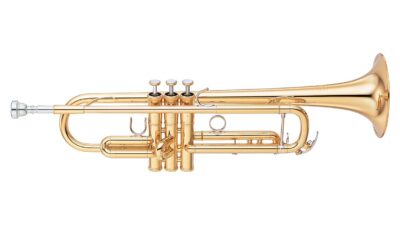
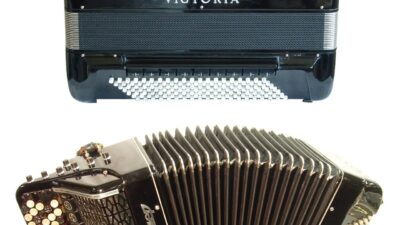
सी. रामचंद्र की यह रचना स्पष्ट रूप से पश्चिमी संगीत से प्रभावित है — तुरही की चहकती धुनें, अकॉर्डियन के स्वर, और पीतल-वाद्यों की चलती-फिरती लय मिलकर एक ऐसा माहौल बनाती हैं जो १९४०-दशक के अमेरिकी पॉप का बंबई-संस्करण लगता है। यह जानबूझकर था: गीत का विषय आधुनिकता है — टेलीफोन, अंतरराष्ट्रीय यात्रा — और रामचंद्र का संगीत उस आधुनिकता को परावर्तित करता है। शमशाद बेगम की आवाज़ यहाँ बिल्कुल सटीक है: शक्तिशाली, साफ़, और एक नैसर्गिक उष्मा के साथ जो खिलंदड़ेपन को थोथेपन में नहीं बदलने देती। इस गीत का कोई राग आधार नहीं है — यह शुद्ध 'लाइट म्यूज़िक' है, और यही इसे रामचंद्र की बहुमुखी प्रतिभा का प्रमाण बनाता है।
अंग्रेज़ी में पढ़ें · Read in English
C. Ramchandra's composition for 'Mere Piya Gaye Rangoon' is distinctly Western-flavoured — trumpet flourishes, accordion chords, and a brass-led walking bass give it the breezy feel of a 1940s American pop song transplanted into a Bombay studio. This was deliberate: the song's subject is modernity (the telephone, international travel) and Ramchandra's arrangement mirrors that modernity. The rhythm is buoyant — a medium-tempo number that invites swaying rather than sitting still. Shamshad Begum's voice is perfectly suited: powerful, clear, with a natural warmth that prevents the playfulness from becoming frivolous. Ramchandra's own voice as 'Chitalkar' provides a lighter male counterpart. The song has no raag basis — it is purely light music in the Western popular tradition, demonstrating Ramchandra's versatility as a composer who moved between classical Indian and Western idioms with equal ease.
काव्य The Poetry
राजिंदर कृष्ण का यह गीत-काव्य एक छोटी-सी हास्य-रचना है। 'telephoon' का श्लेष — 'Rangoon' और 'Dehradoon' से तुकबंदी — इस गीत की धुरी है, और यह काम करता है क्योंकि कृष्ण ने इसे पूरी तरह स्वीकार किया है; श्लेष जबरदस्ती का नहीं, स्वाभाविक लगता है। गीत का विषय आधुनिक है — लंबी दूरी की बातचीत, विदेशी तैनाती, टेलीफोन की नई तकनीक। पर भावना प्राचीन है: विरह, प्रिय की आवाज़ सुनने की ललक। कृष्ण ने हास्य और करुणा के बीच का संतुलन अद्भुत कुशलता से साधा है।
अंग्रेज़ी में पढ़ें · Read in English
Rajinder Krishan's lyric is a small comedy of errors in verse. The central pun — 'telephoon' instead of 'telephone' — is the engine of the song, and it works because Krishan commits to it fully, rhyming it naturally with 'Rangoon' and 'Dehradoon' so the wordplay feels organic rather than forced. The song's subject is quintessentially modern: long-distance communication, foreign postings, the new technology of the phone. Yet the emotion underneath is ancient — longing, separation, the desire to hear a beloved voice. Krishan balances the comic and the tender with a light hand.
कहानी The Story
यह गीत द्वितीय विश्वयुद्ध और उसके परिणामों की पृष्ठभूमि में बना था — जब कई भारतीय पुरुष ब्रिटिश भारतीय सेना या व्यापार के सिलसिले में बर्मा (रंगून) में तैनात थे। एक पति का रंगून से फ़ोन करना १९४९ के भारतीय दर्शकों के लिए बेहद सामयिक और भावनात्मक रूप से सच्चा था। संगीत इतिहासकार अतुल मोहन के अनुसार, गीतकार राजिंदर कृष्ण ने पहले 'telephone' लिखा, पर महसूस किया कि यह तुकबंदी के साथ नहीं बैठता। 'telephoon' का समाधान पाँच मिनट में आया — और गीत को अमर कर गया। सी. रामचंद्र ने ज़िद्द की कि पुरुष भाग वे ख़ुद गाएँगे — 'चितलकर' नाम से — और शमशाद बेगम के साथ उनकी जुगलबंदी किसी अलग प्लेबैक गायक से संभव नहीं होती।
अंग्रेज़ी में पढ़ें · Read in English
The song was created against the backdrop of World War II and its aftermath, when many Indian men had been posted to Burma (Rangoon) as part of the British Indian Army or for trade. The image of a husband calling from Rangoon was both topical and poignant for Indian audiences of 1949. According to music historian Atul Mohan's account, lyricist Rajinder Krishan initially wrote 'telephone' but realised it didn't scan with the rhyme scheme. The wordplay solution — 'telephoon' — took all of five minutes but made the song immortal. C. Ramchandra, who composed the music, insisted on singing the male part himself under his stage name 'Chitalkar,' and the result was a natural chemistry with Shamshad Begum that no separate male playback singer could have replicated.
विरासत The Legacy
यह गीत अपने युद्धकालीन सन्दर्भ को पीछे छोड़ गया और पुरानी हिंदी फ़िल्म संगीत की हर नास्टेल्जिक सूची में जगह पाता रहा। संगीत-विद्वानों ने इसे हिंदी सिनेमा का पहला 'टेलीफोन गीत' कहा है — एक ऐतिहासिक दावा जो इसे पूर्वव्यापी चर्चाओं में प्रिय बनाता है। शमशाद बेगम और सी. रामचंद्र के पश्चिमी-रंग वाले हल्के-फुल्के गीतों का यह एक उत्कृष्ट उदाहरण है। यह गीत आज भी पुराने बॉलीवुड संगीत की शामों में बजाया जाता है।
अंग्रेज़ी में पढ़ें · Read in English
This song outlived its wartime context and became a staple of nostalgic Hindi film music playlists across generations. It is cited by music scholars as possibly the first 'telephone song' in Hindi cinema, a historical distinction that makes it a favourite in retrospective discussions. Shamshad Begum's association with C. Ramchandra's light, Western-flavoured compositions is exemplified here — a sound that was uniquely their own. The song is still played at old-Bollywood music evenings and is a touchstone of what Indian pop music looked like before the dominance of ghazal and classical forms in the 1950s.
वर्गीकरण
Classification- Tempo
- Medium
Genre
अन्य विवरण
More Details- Wikipedia: Patanga (1949 film) — https://en.wikipedia.org/wiki/Patanga_(1949_film)
- Atul's Song A Day: Mere Piya Gaye Rangoon — https://atulsongaday.me/2008/12/10/mere-piya-gaye-rangoon-wahan-se-kiya-hai-teelephoon/
- MySwar: Song details Patanga 1949 — https://myswar.co/song_details/patanga-1949-mere-piya-gaye-rangoon-kiya-hai-wahaan-se-telephone-4
References
रोचक तथ्य
Margin Notesगीतकार राजिंदर कृष्ण ने 'रंगून' और 'देहरादून' के साथ तुक मिलाने के लिए 'टेलीफ़ोन' को 'टेलीफ़ून' कर दिया — यह जान-बूझकर की गई वर्तनी-भिन्नता आगे चलकर प्रतिष्ठित बन गई।
अंग्रेज़ी में पढ़ें · Read in English
Lyricist Rajinder Krishan changed 'telephone' to 'telephoon' to rhyme with 'Rangoon' and 'Dehradoon' — a deliberate misspelling that became iconic.
इस गीत को व्यापक रूप से हिंदी सिनेमा का पहला 'टेलीफ़ोन-केंद्रित' गीत माना जाता है।
अंग्रेज़ी में पढ़ें · Read in English
The song is widely considered the first 'telephone-themed' song in Hindi cinema.
सी. रामचंद्र ने स्वयं ही पुरुष स्वर 'चितलकर' के छद्म नाम से गाया — यानी संगीत निर्देशक ने स्वयं अपनी ही रचना प्रस्तुत की।
अंग्रेज़ी में पढ़ें · Read in English
C. Ramchandra sang the male vocal himself under the pseudonym 'Chitalkar' — the music director performing his own composition.
गीत में रंगून (अब यांगून, म्यांमार) और देहरादून का उल्लेख है — द्वितीय विश्वयुद्ध के बाद के 1949 के दौर में ये दोनों ही स्थान भारतीय दर्शकों के लिए सामयिक प्रासंगिकता रखते थे।
अंग्रेज़ी में पढ़ें · Read in English
The song references Rangoon (now Yangon, Myanmar) and Dehradoon — both topical locations for Indian audiences in post-WWII 1949.
नमूना-पट्टी
The Specimen Table| शीर्षक | मेरे पिया गए रंगून · Mere Piya Gaye Rangoon |
|---|---|
| वर्ष · युग | 1949 — Golden Era |
| गायक | Shamshad Begum, सी. रामचंद्र (चितलकर के नाम से) |
| गीतकार | राजिंदर कृष्ण |
| संगीतकार | C. Ramchandra |
| स्वरूप | युगल |
| गति | मध्यम |
| भाषा | Hindi · Urdu |
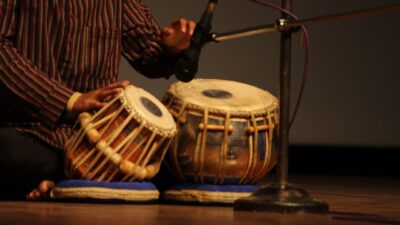
| वाद्य | trumpet · accordion · tabla · violin |
| भाव | मीठा-कड़वा · पुरानी यादें · चुलबुला |
| लोकप्रियता | Legendary |
| बोल-स्थिति | केवल झलक |
जुड़े हुए पन्ने
Connected Plates · The Graph Made Visibleअटलस में कोई पन्ना अकेला नहीं — इस गीत से जुड़े गीत, कलाकार, फ़िल्म, राग-ताल-विधा, सब यहाँ से खुलते हैं।
मिलते-जुलते गीत · Related Songs
कलाकार · The Artists
युग · The Era
साझा कीजिए · Share this Plate
यह पन्ना आगे बढ़ाइए
गीतकार ने 'telephone' को 'telephoon' कर दिया तुकबंदी के लिए — और इस एक बदलाव ने एक गीत को अमर कर दिया।
The lyricist changed 'telephone' to 'telephoon' for the rhyme — and in doing so, changed a song into an immortal.
— Atul's Song A Day — atulsongaday.me
सवाल-जवाब
Questions & Answers'मेरे पिया गए रंगून' किसने गाया? · Who sang Mere Piya Gaye Rangoon?
यह गीत शमशाद बेगम और सी. रामचंद्र ने गाया — रामचंद्र ने पुरुष भाग अपने उपनाम 'चितलकर' से गाया। संगीत भी सी. रामचंद्र का था और बोल राजिंदर कृष्ण ने लिखे।
The song was sung by Shamshad Begum and C. Ramchandra, who performed the male part under his stage pseudonym 'Chitalkar.' C. Ramchandra also composed the music. Lyrics were by Rajinder Krishan.
गीत में 'telephone' को 'telephoon' क्यों लिखा गया? · Why is 'telephone' spelled as 'telephoon' in the song?
गीतकार राजिंदर कृष्ण को 'telephone' को 'Rangoon' और 'Dehradoon' से मिलाना था, इसलिए उन्होंने इसे 'telephoon' लिख दिया। यह जानबूझकर किया गया शब्द-खेल हिंदी फ़िल्म गीतों के इतिहास में सबसे यादगार मज़ेदार बातों में से एक बन गया।
Lyricist Rajinder Krishan needed to rhyme 'telephone' with 'Rangoon' and 'Dehradoon,' so he playfully changed the spelling to 'telephoon.' This deliberate wordplay became one of the most memorable quirks in Hindi film song history.