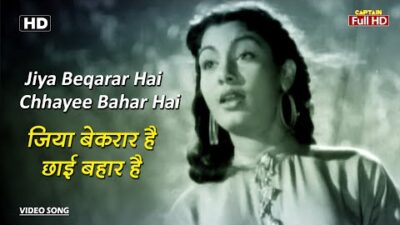
गीत विंग · गीत-पट्टिका · Song Plate
लारा लप्पा लारा लप्पा
Lara Lappa Lara Lappa
लारा लप्पा — दो शब्द जिनका कोई अर्थ नहीं, पर प्यार में पड़ने की बेबसी को इनसे बेहतर कोई नहीं कह सकता।
भावमीठा-कड़वा · आनंदित · चुलबुला
भाषाHindi · Urdu गतितेज़ स्वरूपएकल महिला
श्रेय
The Creditsबोल · The Lyrics
बोल — झलक · Lyrics Preview
लाए दिल लेके भागा
हाय-हाय इस दिल लेने वाले ने
सब कुछ हमसे माँग लिया
Laye dil leke bhaaga
Haay haay is dil lene waale ne
Sab kuch humse maang liya
कॉपीराइट के कारण केवल झलक — पूरे बोल आधिकारिक मंचों पर।
शब्दकोश
Word Meaningsसूत्र-वाक्य · The Hook
सूत्र-वाक्य
लारा लप्पा — दो शब्द जिनका कोई अर्थ नहीं, पर प्यार में पड़ने की बेबसी को इनसे बेहतर कोई नहीं कह सकता।
In EnglishLara lappa — words that mean nothing and say everything about falling helplessly in love.
पट्टिका-लेख
The Monographपरिचय Overview
हिंदी फ़िल्म संगीत के इतिहास के सबसे बेलगाम और प्रिय गीतों में से एक, 'लारा लप्पा लारा लप्पा' (एक थी लड़की, १९४९) सी. रामचंद्र को उनकी सबसे उच्छृंखल आनंदमयी अवस्था में पेश करता है। शीर्षक हुक बिल्कुल निरर्थक है — 'लारा लप्पा' का किसी भाषा में कोई अर्थ नहीं — फिर भी रामचंद्र ने इन काल्पनिक अक्षरों को एक ऐसे कान-कीड़े में बदल दिया जो प्यार में पड़ने की घबराहट को बेहतरीन तरीके से व्यक्त करता है। बीस साल की लता मंगेशकर ने इसे इस साल 'महल' और 'अंदाज़' में अपनी गंभीर प्रस्तुतियों के बिल्कुल उलट एक मस्तानेपन से गाया, जो उनकी अद्भुत बहुमुखी प्रतिभा को दर्शाता है। मीना शोरे पर पिक्चराइज़ किया गया यह गीत १९४९ के सबसे तेज़ी से फैलने वाले हिट में से था।
अंग्रेज़ी में पढ़ें · Read in English
One of the most exuberantly nonsensical and beloved songs in Hindi film history, 'Lara Lappa Lara Lappa' from Ek Thi Ladki (1949) is C. Ramchandra at his most anarchically joyful. The title hook is pure sound — 'lara lappa' means nothing in any language — yet Ramchandra makes these invented syllables into an irresistible earworm that captures the dizzy incoherence of falling in love. Lata Mangeshkar, barely twenty, sings it with an abandon that contrasts entirely with her solemn performances in Mahal and Andaz from the same year, demonstrating her astonishing versatility. Picturised on Meena Shorey (known for her comic timing), the song was one of the fastest-spreading hits of 1949 — it was played at melas, on radio, and at weddings almost immediately after the film released. C. Ramchandra's Western-influenced brass-and-rhythm arrangement gives the song a propulsive energy that has not dated in seven decades.
संगीत The Music
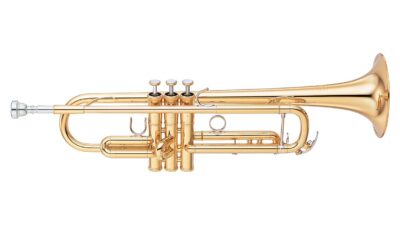
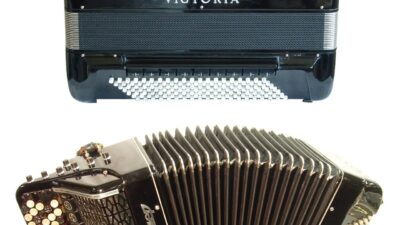
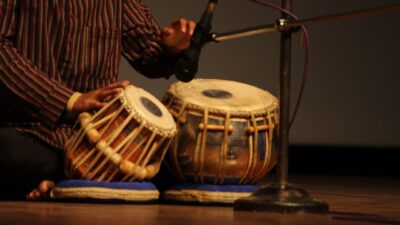
सी. रामचंद्र का 'लारा लप्पा' के लिए संगीत-संयोजन पीतल के वाद्यों के ज़माने के बंबई का एक धमाकेदार विस्फोट है: तुरही और अकॉर्डियन अगुआई करते हैं, एक लैटिन-प्रभावित लय पर क्लेव्स की खटखट है, और तबला नीचे ताल देता है। यह रामचंद्र अपनी सबसे अंतरराष्ट्रीय अवस्था में थे — उन्होंने पश्चिमी बिग-बैंड संगीत को आत्मसात किया था और उसे हिंदी फ़िल्म गीत में प्रतिभा के साथ लागू कर रहे थे। धुन गोलाकार और सम्मोहक है; हुक 'लारा लप्पा लारा लप्पा' इतनी जल्दी लौट आता है कि मस्तिष्क इसे दोहराव के रूप में दर्ज नहीं कर पाता। लता की आवाज़ इस ऊर्जावान गीत में 'आयेगा आने वाला' के रहस्यमय विलाप से बिल्कुल अलग एक मस्त स्वतंत्रता में है — वही साल, वही आवाज़, दो बिल्कुल अलग दुनियाएँ।
अंग्रेज़ी में पढ़ें · Read in English
C. Ramchandra's arrangement for 'Lara Lappa' is a blast of brass-age Bombay: trumpet and accordion lead, claves (or similar percussion) clicking out a Latin-influenced rhythm, tabla keeping the beat beneath. This was Ramchandra at his most cosmopolitan — he had absorbed Western big-band music and was applying it to Hindi film song with genius. The melody is circular and hypnotic; the hook 'lara lappa lara lappa' returns before the brain can process it as repetitive because it is too much fun to resist. The song moves at a pace that makes sitting still impossible. Lata Mangeshkar's voice in the high-energy register is used here with a freedom and abandon entirely different from her nocturnal, haunted delivery in 'Aayega Aanewala' — the same voice, the same year, two entirely different worlds.
काव्य The Poetry
लारा लप्पा की काव्य-रचना हास्य को दर्शन बनाती है। अंजान का आइडिया सरल है: 'लारा लप्पा' एक उलझे हुए मन की आवाज़ है — वह आवाज़ जो तब निकलती है जब शब्द नहीं मिलते। प्रिय ने दिल चुरा लिया ('लाए दिल लेके भागा') और चला गया; स्त्री पागल की तरह निरर्थक आवाज़ें निकाल रही है क्योंकि और क्या करे? 'हाय-हाय' की नाटकीय पीड़ा इस गीत का ढाँचागत मज़ाक है — वह वास्तव में तबाह नहीं है, वह प्रसन्न है, पर शालीनता एक पीड़ित होने का नाटक माँगती है। अंजान समझते थे कि हास्य अक्सर असली भावना की सबसे सच्ची भाषा है।
अंग्रेज़ी में पढ़ें · Read in English
The lyric of 'Lara Lappa' is comedy as philosophy. Anjaan's conceit is simple: the title hook 'lara lappa' is a sound made by a confused mind — the kind of sounds one makes when one cannot find words. The beloved has stolen the heart ('laye dil leke bhaaga') and fled; the woman is left making nonsense sounds because what else can you do? The mock outrage ('haay haay') is the structural joke — she is not really devastated, she is delighted, but propriety demands a performance of victimhood. Anjaan understood that comedy is often the truest register for genuine feeling.
कहानी The Story
'एक थी लड़की' (१९४९) एक हास्य फ़िल्म थी जो युद्धोत्तर उछाल के वर्षों में बंबई के मनोरंजन उद्योग की हल्की, ज़्यादा व्यावसायिक सामग्री की भूख को पूरा करती थी। फ़िल्म की अभिनेत्री मीना शोरे अपनी अभिव्यंजक शारीरिकता और हास्य-कुशलता के लिए जानी जाती थीं — जो गुण उन्हें काल्पनिक भ्रम पर आधारित इस गीत के लिए आदर्श बनाते थे। सी. रामचंद्र पहले पूरी तरह निरर्थक शब्दों को गीत के हुक के रूप में इस्तेमाल करने से झिझके थे; उस समय की परंपरा थी कि फ़िल्मी बोलों का कुछ न कुछ सुसंगत अर्थ होना चाहिए। उन्हें इस तर्क से राज़ी किया गया कि असंगति ही बात है — 'लारा लप्पा' चुराए गए दिल की आवाज़ ही है।
अंग्रेज़ी में पढ़ें · Read in English
Ek Thi Ladki (1949) was a comedy film produced under the emerging Bombay entertainment industry's appetite for lighter, more commercial fare in the post-WWII boom years. Meena Shorey, the film's star, was known for her expressive physicality and comedic timing — qualities that made her perfect for a song built around mock confusion. C. Ramchandra initially hesitated to use fully invented nonsense syllables as the song's hook; the convention of the time was that film lyrics should have some coherent meaning. He was persuaded by the argument that the incoherence was the point — 'lara lappa' IS the sound of a stolen heart. The song became an immediate hit on All India Radio, partly because it was so different from the prevailing mood of melancholic romantic songs dominating 1949.
विरासत The Legacy
'लारा लप्पा लारा लप्पा' की वह विशेष अमरत्व है जो केवल ध्वनि-आनंद से सामूहिक स्मृति में जड़ें जमा लेती है, काव्यात्मक गहराई के बावजूद नहीं। सात दशक बाद भी, जब हिंदी फ़िल्म संगीत के प्रेमी सुनहरे दौर के हल्के-फुल्के गीतों की बात करते हैं तो यह गीत सबसे पहले याद आता है। इस गीत ने साबित किया कि लता मंगेशकर केवल करुण और शास्त्रीय तक सीमित नहीं थीं — वे खिलंदड़ी, शरारती और उल्लासित-हास्यपूर्ण भी हो सकती थीं। और सी. रामचंद्र को हास्य-व्यावसायिक बॉलीवुड गीत के उस्ताद के रूप में स्थापित किया।
अंग्रेज़ी में पढ़ें · Read in English
Lara Lappa Lara Lappa has the peculiar immortality of songs that attach themselves to collective memory through pure sonic pleasure rather than lyrical depth. Seven decades on, it is one of the first songs that comes to mind when Hindi film music enthusiasts discuss the golden era's lighter offerings. It demonstrated that Lata Mangeshkar was not confined to the melancholic and the classical — she could be playful, mischievous, and exuberantly comic. It also confirmed C. Ramchandra as the master of the comedic-commercial Bollywood number, a niche he would occupy brilliantly through the early 1950s alongside his classical work.
वर्गीकरण
Classification- Tempo
- Fast
Genre
अन्य विवरण
More Details- Wikipedia: Ek Thi Ladki (1949 film) — https://en.wikipedia.org/wiki/Ek_Thi_Ladki_(1949_film)
- Wikipedia: C. Ramchandra — https://en.wikipedia.org/wiki/C._Ramchandra
- Songs of Yore: Best songs of 1949 — https://www.songsofyore.com/best-songs-of-1949-and-the-winners-are/
- Atul's Song A Day: Lara Lappa — https://atulsongaday.me
References
रोचक तथ्य
Margin Notes'लारा लप्पा' का हिंदी या किसी भी भारतीय भाषा में कोई अर्थ नहीं है — यह पूर्णतः गढ़े गए निरर्थक शब्द हैं, और गीत की प्रतिभा यही है कि यह निरर्थकता ही इसका अर्थ बन जाती है।
अंग्रेज़ी में पढ़ें · Read in English
'Lara lappa' has no meaning in Hindi or any Indian language — it is invented nonsense, the song's genius being that the meaninglessness is the meaning.
गीत पर अभिनय करने वाली मीना शोरे को उनकी ऊर्जावान स्क्रीन-उपस्थिति के लिए आरंभिक बॉम्बे सिनेमा की 'डांसिंग क्वीन' के रूप में जाना जाता था।
अंग्रेज़ी में पढ़ें · Read in English
Meena Shorey, who picturised the song, was known as the 'Dancing Queen' of early Bombay cinema for her energetic screen presence.
सी. रामचंद्र को गीत के शीर्षक के रूप में पूर्णतः गढ़े गए शब्दांशों के प्रयोग हेतु उद्योग की प्रचलित परंपरा को चुनौती देनी पड़ी — यह निर्णय सफल रहा और गीत तुरंत रेडियो पर लोकप्रिय हो गया।
अंग्रेज़ी में पढ़ें · Read in English
C. Ramchandra had to overcome industry convention to use fully invented syllables as a song title — the decision paid off when the song became an immediate radio hit.
उसी वर्ष लता मंगेशकर ने रहस्यमय भाव लिए 'आएगा आनेवाला' रिकॉर्ड किया — उस गीत और 'लारा लप्पा' के बीच का यह विरोधाभास 20 वर्ष की आयु में ही उनकी प्रतिभा की संपूर्ण व्यापकता को दर्शाता है।
अंग्रेज़ी में पढ़ें · Read in English
In the same year, Lata Mangeshkar recorded the haunted 'Aayega Aanewala' — the contrast between that song and 'Lara Lappa' demonstrates the full range of her talent at age twenty.
गीत की पाश्चात्य पीतल-वाद्य (ब्रास) संरचना सी. रामचंद्र द्वारा अमेरिकी बिग-बैंड ध्वनि और भारतीय फ़िल्मी गीत-संवेदना के जान-बूझकर किए गए संमिश्रण को दर्शाती है।
अंग्रेज़ी में पढ़ें · Read in English
The song's Western brass arrangement reflects C. Ramchandra's deliberate fusion of American big-band sound with Indian film song sensibility.
नमूना-पट्टी
The Specimen Table| शीर्षक | लारा लप्पा लारा लप्पा · Lara Lappa Lara Lappa |
|---|---|
| फ़िल्म | एक थी लड़की · 1949 |
| वर्ष · युग | 1949 — Golden Era |
| गायक | Lata Mangeshkar |
| गीतकार | अंजान |
| संगीतकार | C. Ramchandra |
| स्वरूप | एकल महिला |
| गति | तेज़ |
| भाषा | Hindi · Urdu |
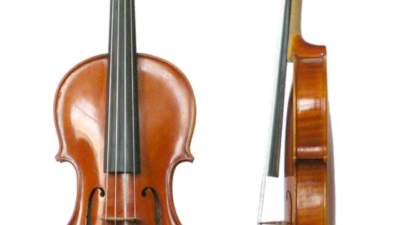
| वाद्य | trumpet · accordion · tabla · violin · instrument-claves |
| भाव | मीठा-कड़वा · आनंदित · चुलबुला |
| लोकप्रियता | Very_popular |
| बोल-स्थिति | केवल झलक |
जुड़े हुए पन्ने
Connected Plates · The Graph Made Visibleअटलस में कोई पन्ना अकेला नहीं — इस गीत से जुड़े गीत, कलाकार, फ़िल्म, राग-ताल-विधा, सब यहाँ से खुलते हैं।
मिलते-जुलते गीत · Related Songs
कलाकार · The Artists
फ़िल्म · The Film
युग · The Era
साझा कीजिए · Share this Plate
यह पन्ना आगे बढ़ाइए
लारा लप्पा — दो अर्थहीन अक्षर जो चुराए गए दिल की आवाज़ बन गए।
Lara lappa — two meaningless syllables that became the sound of a stolen heart.
— Editorial observation on C. Ramchandra's compositional genius
सवाल-जवाब
Questions & Answers'लारा लप्पा' का क्या अर्थ है? · What does 'Lara Lappa' mean?
'लारा लप्पा' का कोई अर्थ नहीं है — ये निरर्थक काल्पनिक अक्षर हैं, जो उस बेचैनी को व्यक्त करते हैं जो तब होती है जब दिल चोरी हो जाए। असंगति ही इस गीत की बात है।
'Lara lappa' has no meaning — the syllables are invented nonsense, representing the incoherent sounds one makes when one's heart has been stolen. The meaninglessness is the point.
'एक थी लड़की' का 'लारा लप्पा' किसने गाया? · Who sang Lara Lappa from Ek Thi Ladki?
लता मंगेशकर ने 'लारा लप्पा लारा लप्पा' १९४९ की हास्य फ़िल्म 'एक थी लड़की' के लिए गाया। संगीत सी. रामचंद्र का था। गीत अभिनेत्री मीना शोरे पर फ़िल्माया गया था।
Lata Mangeshkar sang 'Lara Lappa Lara Lappa' for the 1949 comedy film Ek Thi Ladki. Music was composed by C. Ramchandra. The song was picturised on actress Meena Shorey.