गीत विंग · गीत-पट्टिका · Song Plate
बरसात में हमसे मिले
Barsaat Mein Humse Mile
वह गीत जिसने हिंदी सिनेमा को बारिश में प्रेम करना सिखाया।
भावआनंदित · पुरानी यादें · रोमांटिक
भाषाHindi · Urdu गतिमध्यम स्वरूपयुगल
श्रेय
The Creditsबोल · The Lyrics
बोल — झलक · Lyrics Preview
रिमझिम रिमझिम पड़ती फुहार
भीगी-भीगी यादें तेरी
दिल में जगा गईं प्यार
Rimjhim rimjhim padti phuhar
Bheegi bheegi yaadein teri
Dil mein jaga gain pyaar
कॉपीराइट के कारण केवल झलक — पूरे बोल आधिकारिक मंचों पर।
शब्दकोश
Word Meaningsसूत्र-वाक्य · The Hook
सूत्र-वाक्य
वह गीत जिसने हिंदी सिनेमा को बारिश में प्रेम करना सिखाया।
In EnglishThe song that taught Hindi cinema how to fall in love in the rain.
पट्टिका-लेख
The Monographपरिचय Overview
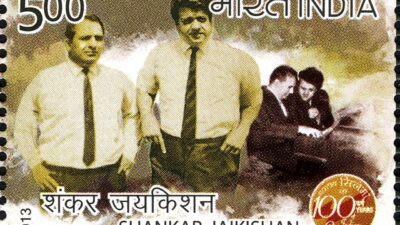
राज कपूर की 'बरसात' (१९४९) का वर्षा युगल गीत 'बरसात में हमसे मिले तुम सजना' वह गीत है जिसने मानसून को हिंदी सिनेमा का सबसे प्रिय रोमांटिक पृष्ठभूमि बना दिया। नवोदित जोड़ी शंकर-जयकिशन की रचना और हसरत जयपुरी के बोलों के साथ — जो दोनों 'बरसात' से ही अपना करियर शुरू कर रहे थे — यह गीत लता मंगेशकर और मुकेश के बीच एक सहज संवाद की तरह बहता है, जिसमें वायलिन और बाँसुरी बारिश की आवाज़ को स्वर देते हैं। कश्मीर में शूट की गई यह फ़िल्म पहली बड़ी प्रोडक्शन थी जिसने मानसून को प्रेम के रूपक के रूप में इस्तेमाल किया — और यह उपाय इतना कारगर था कि यह एक शैली-परंपरा बन गई, हालाँकि कोई नक़ल मूल से आगे नहीं निकल सकी। प्लैनेट बॉलीवुड ने 'बरसात' के साउंडट्रैक को अपनी 'शीर्ष १०० बॉलीवुड साउंडट्रैक' सूची में पहला स्थान दिया।
अंग्रेज़ी में पढ़ें · Read in English
The rain duet from Raj Kapoor's Barsaat (1949), 'Barsaat Mein Humse Mile Tum Sajna' is the song that established the monsoon as Hindi cinema's favourite romantic backdrop. Composed by the debut pair Shankar Jaikishan and written by Hasrat Jaipuri — both of whom launched their careers with Barsaat — the song unfolds as a conversation between Lata Mangeshkar and Mukesh over a gentle keherwa rhythm, with violins and bansuri painting the sound of falling rain. The film, shot partly in Kashmir, was the first major production to use the monsoon season as a cinematic love metaphor — a device so effective that it became a genre cliché, though no imitation has matched this original. The Barsaat soundtrack was rated #1 by Planet Bollywood in their 100 Greatest Bollywood Soundtracks list, and this duet stands alongside 'Jiya Beqarar Hai' as its defining expression.
संगीत The Music
शंकर-जयकिशन का यह वर्षा युगल-गीत संगीत के ज़रिए मौसम बनाने का एक अभ्यास है। बाँसुरी पहला बोल गाए जाने से पहले ही बारिश की आवाज़ की नकल करती है; वायलिन बूँदों के पर्दे की तरह उतरता है। कहरवा ताल की लय हल्की-फुल्की है, जल्दी नहीं — बरसात में नाचने के लिए, पोखर में दौड़ने के लिए, तूफ़ान में मिलने की अनहड़ी खुशी के लिए बिल्कुल सही। रचना की ख़ासियत है उसकी संवाद-संरचना: लता और मुकेश बारी-बारी पंक्तियाँ गाते हैं, जैसे दो प्रेमी मानसून के पार एक-दूसरे को पुकार रहे हों। कोई भी आवाज़ दूसरे पर हावी नहीं होती — शंकर जानते थे कि युगल-गीत तभी काम करता है जब दोनों गायक उतना ही सुनें जितना गाएँ।
अंग्रेज़ी में पढ़ें · Read in English
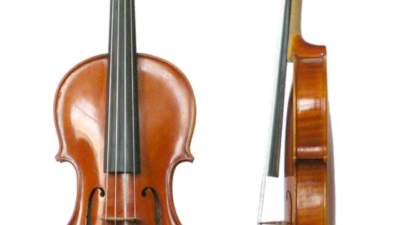
Shankar Jaikishan's rain duet is an exercise in musical weather-making. The bansuri (flute) mimics the sound of falling rain before a single lyric is sung; the violins enter like a curtain of raindrops. The keherwa rhythm is buoyant without being urgent — the perfect tempo for rain-dancing, for running through puddles, for the unhurried joy of lovers reuniting in a storm. What makes the composition special is the dialogue structure: Lata and Mukesh take alternating phrases, their voices representing the two lovers calling to each other across the monsoon. Neither voice overpowers the other — Shankar knew that a duet works best when both singers listen as much as they sing. The song has no classical raag foundation; it is pure mood music, a Shankar Jaikishan speciality that sat between folk melody and Western romanticism.
काव्य The Poetry
हसरत जयपुरी की काव्य-भाषा यहाँ बारिश जैसी ही है — नर्म, लगातार, जीवनदायी। पहली पंक्ति 'बरसात में हमसे मिले तुम सजना' एक बयान से ज़्यादा एक विस्मय है: इस बारिश में, इसी पल में, हम मिले। जयपुरी की विशेषता हमेशा साधारण में रही: 'रिमझिम रिमझिम पड़ती फुहार' इतनी सरल पंक्ति है कि एक बच्चा भी लिख सकता था, फिर भी यह एक पूरी इंद्रिय-दुनिया रच देती है। 'सजना' शब्द में वह घनिष्ठता है जो लंबे परिचय से आती है — औपचारिक 'प्रिय' या काव्यात्मक 'महबूब' नहीं, बल्कि वह बोलचाल का संबोधन जो एक स्त्री उसके लिए इस्तेमाल करती है जिसे वह बचपन से जानती है।
अंग्रेज़ी में पढ़ें · Read in English
Hasrat Jaipuri's lyric is rain itself — soft, persistent, life-giving. The opening line 'barsaat mein humse mile tum sajna' is a declaration of wonder as much as a statement: in this rain, in this exact moment, we found each other. Jaipuri's genius was always in the ordinary: 'rimjhim rimjhim padti phuhar' (the drizzle falls pitter-patter) is a line so simple a child could have written it, yet it creates an entire sensory world. The word 'sajna' (beloved) carries the intimacy of long acquaintance — not the formal 'priya' or the poetic 'mahboob,' but the colloquial term a woman uses for someone she has known since childhood.
कहानी The Story
बरसात के प्रतिष्ठित वर्षा-दृश्य कश्मीर के पहलगाम घाटी में फ़िल्माए गए थे — राज कपूर ने पूरी यूनिट को लोकेशन पर ले जाया था, जो १९४९ के भारतीय सिनेमा के लिए एक असाधारण विलासिता थी। 'बरसात में हमसे मिले' कश्मीर शूटिंग से पहले बंबई में रिकॉर्ड की गई थी; फिर पिक्चराइज़ेशन ने संगीत के मूड से लोकेशन का मिलान किया, उल्टा नहीं। संगीत-इतिहासकारों के अनुसार, बीसवीं में शंकर-जयकिशन ने धुन एक ही सत्र में तैयार की। राज कपूर ने अपनी आवाज़ के लिए मुकेश पर ज़ोर दिया — एक साझेदारी जो दो दशकों तक 'राज कपूर की आवाज़' को परिभाषित करती रही। लता मंगेशकर, पहले ही महल (१९४९) में नर्गिस की आवाज़ बन चुकी थीं, ने 'बरसात' में भी वही संयोजन जारी रखा — कपूर-नर्गिस-लता-मुकेश की यह जोड़ी हिंदी सिनेमा की परिभाषित रोमांटिक चौकड़ी बन गई।
अंग्रेज़ी में पढ़ें · Read in English
The iconic rain sequences of Barsaat were filmed in Kashmir's Pahalgam valley, where Raj Kapoor had taken the entire unit on location — an extravagance for 1949 Indian cinema. The song 'Barsaat Mein Humse Mile' was recorded in Bombay before the Kashmir shoot; the picturisation then matched the locations to the mood of the music rather than the other way around. Shankar Jaikishan, still in their twenties, composed the tune in a single session according to music historian accounts. Raj Kapoor insisted on Mukesh as his playback voice — a partnership that would define the 'Raj Kapoor sound' for two decades. Lata Mangeshkar, already the voice of Nargis from Mahal (1949), continued the same playback pairing in Barsaat, cementing the Kapoor-Nargis-Lata-Mukesh combination as Hindi cinema's defining romantic foursome.
विरासत The Legacy
'बरसात में हमसे मिले' ने जिस बरसात-रोमांस की सौंदर्य-परंपरा को शुरू करने में मदद की, वह हिंदी सिनेमा की सबसे टिकाऊ छवियों में से एक बन गई। राज कपूर की अपनी बाद की फ़िल्मों से लेकर यश चोपड़ा के वर्षा-दृश्यों तक, हर मानसून प्रेम गीत इस १९४९ मूल का कुछ न कुछ ऋणी है। इस गीत का उल्लेख 'बरसात' के साउंडट्रैक की हर पूर्वव्यापी चर्चा में है — यह एल्बम लगातार हिंदी सिनेमा के सर्वश्रेष्ठ में गिना जाता है। शंकर-जयकिशन ने आगे जाकर ६०+ फ़िल्मों का संगीत दिया; यह युगल गीत उनकी यात्रा का पहला क़दम था।
अंग्रेज़ी में पढ़ें · Read in English
The rain-romance aesthetic that 'Barsaat Mein Humse Mile' helped pioneer became one of Hindi cinema's most enduring tropes. From Raj Kapoor's own later films to Yash Chopra's rain sequences and beyond, every monsoon love song owes something to this 1949 original. The song is cited in every retrospective of the Barsaat soundtrack — consistently rated one of Hindi cinema's greatest — and is inseparable from the imagery of Raj Kapoor and Nargis standing in the rain, an image that was itself lifted to iconic status by its poster. Shankar Jaikishan went on to compose 60+ film scores; this duet is where their journey began.
वर्गीकरण
Classification- Tempo
- Medium
Genre
अन्य विवरण
More Details- Wikipedia: Barsaat (1949 film) — https://en.wikipedia.org/wiki/Barsaat_(1949_film)
- Wikipedia: Shankar Jaikishan — https://en.wikipedia.org/wiki/Shankar%E2%80%93Jaikishan
- Planet Bollywood: Top 100 Bollywood Soundtracks — Barsaat #1
- Songs of Yore: Best songs of 1949 — https://www.songsofyore.com/best-songs-of-1949-and-the-winners-are/
- Shankar Jaikishan foundation: Barsaat album — https://shankarjaikishansjmf.com/album/barsat/
References
रोचक तथ्य
Margin Notesप्रतिष्ठित बरसात फिल्म पोस्टर — राज कपूर बारिश में नरगिस को थामे हुए — भारतीय सिनेमा इतिहास की सबसे अधिक पुनरुत्पादित छवियों में से एक बन गया, जो सीधे इस जैसे गीतों के लिए फिल्माए गए वर्षा दृश्यों से प्रेरित था।
अंग्रेज़ी में पढ़ें · Read in English
The iconic Barsaat film poster — Raj Kapoor holding Nargis in the rain — became one of the most reproduced images in Indian cinema history, directly inspired by the rain sequences filmed for songs like this one.
बरसात (1949) आंशिक रूप से कश्मीर में फिल्माई गई पहली हिंदी फिल्म थी, जिसने इस घाटी को हिंदी सिनेमा के प्रमुख रोमांटिक स्थल के रूप में स्थापित किया।
अंग्रेज़ी में पढ़ें · Read in English
Barsaat (1949) was the first Hindi film to be partially shot in Kashmir, establishing the valley as Hindi cinema's premier romantic location.
इस फिल्म से आगे राज कपूर-मुकेश और नरगिस-लता को पार्श्वगायन जोड़ी के रूप में परिभाषित किया गया — एक दुर्लभ चार-तरफ़ा रचनात्मक बंधन।
अंग्रेज़ी में पढ़ें · Read in English
Raj Kapoor-Mukesh and Nargis-Lata were defined as playback pairs from this film onwards — a rare four-way creative bond.
प्लैनेट बॉलीवुड ने बरसात के साउंडट्रैक को सर्वकालिक 100 महानतम बॉलीवुड साउंडट्रैकों में #1 स्थान दिया।
अंग्रेज़ी में पढ़ें · Read in English
Planet Bollywood ranked the Barsaat soundtrack #1 among 100 Greatest Bollywood Soundtracks of all time.
नमूना-पट्टी
The Specimen Table| शीर्षक | बरसात में हमसे मिले · Barsaat Mein Humse Mile |
|---|---|
| फ़िल्म | बरसात · 1949 |
| वर्ष · युग | 1949 — Golden Era |
| गायक | Lata Mangeshkar, Mukesh |
| गीतकार | Hasrat Jaipuri |
| संगीतकार | Shankar-Jaikishan |
| स्वरूप | युगल |
| गति | मध्यम |
| भाषा | Hindi · Urdu |
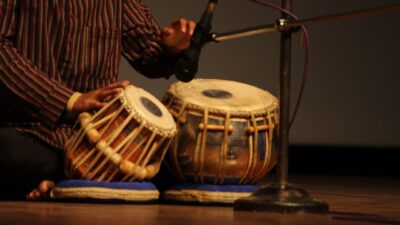
| वाद्य | violin · tabla · bansuri · harmonium · sitar |
| भाव | आनंदित · पुरानी यादें · रोमांटिक |
| लोकप्रियता | Legendary |
| बोल-स्थिति | केवल झलक |
जुड़े हुए पन्ने
Connected Plates · The Graph Made Visibleअटलस में कोई पन्ना अकेला नहीं — इस गीत से जुड़े गीत, कलाकार, फ़िल्म, राग-ताल-विधा, सब यहाँ से खुलते हैं।
मिलते-जुलते गीत · Related Songs
कलाकार · The Artists
फ़िल्म · The Film
युग · The Era
साझा कीजिए · Share this Plate
यह पन्ना आगे बढ़ाइए
१९४९ के बाद हिंदी सिनेमा का हर बरसाती गीत 'बरसात' ने जो अनुभव दिया, उसे दोबारा पाने की कोशिश में है।
Every rain song in Hindi cinema since 1949 has been trying to recapture what Barsaat first made us feel.
— Paraphrased from retrospective discussions of the Barsaat soundtrack
सवाल-जवाब
Questions & Answers'बरसात में हमसे मिले' किसने गाया? · Who sang Barsaat Mein Humse Mile from Barsaat (1949)?
यह युगल गीत लता मंगेशकर और मुकेश ने राज कपूर की 'बरसात' (१९४९) के लिए गाया। संगीत शंकर-जयकिशन (उनकी पहली फ़िल्म) का था और बोल हसरत जयपुरी के।
The duet was sung by Lata Mangeshkar and Mukesh for Raj Kapoor's Barsaat (1949). Music was by Shankar Jaikishan (their debut film) and lyrics by Hasrat Jaipuri.
'बरसात' (१९४९) हिंदी सिनेमा में एक मील का पत्थर क्यों मानी जाती है? · Why is Barsaat (1949) considered a landmark film in Hindi cinema?
'बरसात' (१९४९) ने तीन ऐतिहासिक करियर शुरू किए (शंकर-जयकिशन, हसरत जयपुरी, आरके फ़िल्म्स), कश्मीर में शूट होने वाली पहली बड़ी हिंदी फ़िल्म थी, बरसात-रोमांस की परंपरा स्थापित की, और इसका साउंडट्रैक प्लैनेट बॉलीवुड की सर्वकालिक सूची में पहले स्थान पर है।
Barsaat (1949) launched three landmark careers (Shankar Jaikishan, Hasrat Jaipuri, and RK Films as a studio), was the first major Hindi film shot in Kashmir, defined the rain-romance aesthetic, and had a soundtrack rated #1 in Planet Bollywood's all-time list.