कलाकार विंग · कलाकार-पट्टिका · Artist Plate
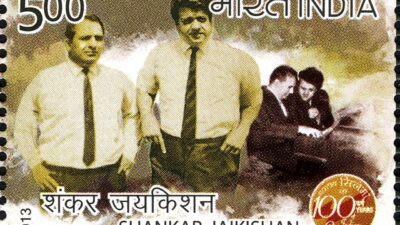
शंकर-जयकिशन
Shankar-Jaikishan
एस-जे
जीवन-पट्टी
The Life Specimen| नाम | शंकर-जयकिशन · Shankar-Jaikishan |
|---|---|
| उपनाम | एस-जे · धुनों के शहंशाह |
| भूमिकाएँ | संगीतकार |
| सक्रिय वर्ष | 1949–1971 (duo); banner continued by Shankar until 1987 |
| युग | golden-era |
| राष्ट्रीयता | Indian |
| विधाएँ | फ़िल्मी · उप-शास्त्रीय · लोक · ग़ज़ल · पॉप |
| भाषाएँ | Hindi |
हस्ताक्षर-पंक्ति · The Signature
हस्ताक्षर-पंक्ति
एस-जे · धुनों के शहंशाह
In EnglishThe duo that scored independent India's dreams — when 'Awara Hoon' played, crowds sang along in Moscow, Beijing and Istanbul.
पट्टिका-लेख
The Monographजीवनी Biography
शंकर-जयकिशन हिंदी सिनेमा की सबसे सफल और सबसे प्रभावशाली संगीतकार जोड़ी थे — शंकर सिंह रघुवंशी (1922–1987) और जयकिशन दयाभाई पांचाल (1929–1971)। दोनों की भेंट बंबई में पृथ्वी थिएटर्स में हुई, जहाँ शंकर तबला बजाते थे और संगीत-विभाग में काम करते थे; गुजरात के बांसदा से आए जयकिशन हारमोनियम के उस्ताद थे। पृथ्वीराज कपूर के बेटे राज कपूर ने — जो संगीतकार राम गांगुली के सहायकों के रूप में दोनों की प्रतिभा देख चुके थे — अपनी दूसरी फ़िल्म 'बरसात' (1949) का संगीत इन नौजवानों को सौंप दिया। 'बरसात में हमसे मिले तुम' और 'हवा में उड़ता जाए' ने इतिहास रच दिया — और आर.के. फ़िल्म्स को उसका स्थायी संगीत-घराना मिल गया। इसके बाद दो दशक शंकर-जयकिशन के थे। 'आवारा' (1951) का शीर्षक गीत सोवियत संघ, चीन और तुर्की तक गूँजा — भारतीय फ़िल्म संगीत का पहला वैश्विक तराना। 'श्री 420', 'चोरी चोरी', 'अनाड़ी', 'दिल अपना और प्रीत पराई', 'जंगली' ('याहू!'), 'प्रोफ़ेसर', 'संगम', 'सूरज', 'ब्रह्मचारी', 'मेरा नाम जोकर' — उनकी धुनों में राग आधारित गहराई ('बसंत बहार' पूरी शास्त्रीय फ़िल्म थी) और पश्चिमी ऑर्केस्ट्रा की भव्यता एक साथ बजती थी; वायलिनों की उनकी विशाल क़तारें हिंदी फ़िल्म-ध्वनि की पहचान बन गईं। गीतकार शैलेंद्र और हसरत जयपुरी उनके स्थायी साथी थे; लता, रफ़ी, मुकेश और मन्ना डे उनके स्वर। नौ फ़िल्मफेयर पुरस्कार — दशकों तक सर्वाधिक — और 1968 में दोनों को संयुक्त रूप से पद्म श्री मिला। उसी वर्ष 'राग-जैज़ स्टाइल' एल्बम से उन्होंने इंडो-जैज़ का अग्रणी प्रयोग किया। 12 सितंबर 1971 को मात्र 41 वर्ष की उम्र में जयकिशन के निधन से जोड़ी टूट गई; शंकर 1987 तक 'शंकर-जयकिशन' नाम से ही काम करते रहे — नाम कभी अलग नहीं हुआ। हिंदी सिनेमा में 'संगीतकार जोड़ी' की पूरी परंपरा — लक्ष्मीकांत-प्यारेलाल से आज तक — इन्हीं दोनों की देन है।
अंग्रेज़ी में पढ़ें · Read in English
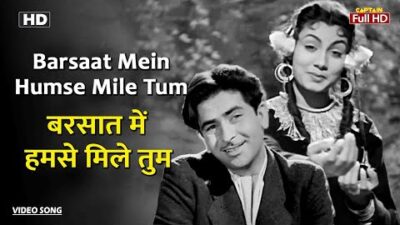
Shankar-Jaikishan were Hindi cinema's most successful and most influential composer duo — Shankar Singh Raghuvanshi (1922–1987) and Jaikishan Dayabhai Panchal (1929–1971). They met at Prithvi Theatres in Bombay, where Shankar played tabla and worked in the music department; Jaikishan, who had come from Bansda in Gujarat, was a master of the harmonium. Raj Kapoor — who had watched them work as assistants in composer Ram Ganguly's unit — handed the two young men the score of his second film, Barsaat (1949). 'Barsaat Mein Humse Mile Tum' and 'Hawa Mein Udta Jaye' made history overnight, and RK Films had found its permanent musical house.
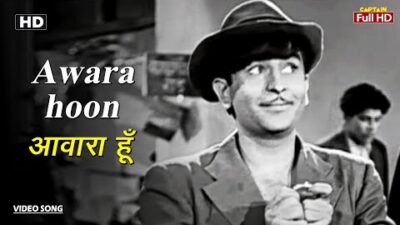
The next two decades belonged to Shankar-Jaikishan. The title song of Awara (1951) echoed across the Soviet Union, China and Turkey — Indian film music's first global anthem. Shree 420, Chori Chori, Anari, Dil Apna Aur Preet Parai, Junglee ('Yahoo!'), Professor, Sangam, Suraj, Brahmachari, Mera Naam Joker — their music ran raag-based depth (Basant Bahar was practically a classical concert on film) and Western orchestral grandeur in parallel; their massed violin sections became the very sound of the Hindi film orchestra. The lyricists Shailendra and Hasrat Jaipuri were their permanent partners; Lata, Rafi, Mukesh and Manna Dey their voices.
They won nine Filmfare Awards for Best Music Director — the record for decades — and in 1968 both were jointly honoured with the Padma Shri. The same year their album Raaga Jazz Style pioneered Indo-jazz fusion. The partnership ended with Jaikishan's death on 12 September 1971, aged only 41; Shankar continued working under the 'Shankar-Jaikishan' name until his own death in 1987 — the name was never split. The entire tradition of the composer duo in Hindi cinema — from Laxmikant-Pyarelal onward — descends from these two.
प्रारंभिक जीवन Early Life
शंकर सिंह रघुवंशी (1922–1987) — हैदराबाद से आए प्रशिक्षित तबला-वादक और नर्तक — और जयकिशन दयाभाई पंचाल (1929–1971) — गुजरात के हारमोनियम-वादक — 1940 के दशक के मध्य बम्बई में पृथ्वीराज कपूर के पृथ्वी थिएटर्स में मिले, जहाँ दोनों साज़िंदे थे। थिएटर के संगीत-कक्ष में बनी वह दोस्ती हिंदी सिनेमा की सबसे प्रसिद्ध संगीत-जोड़ी बन गई।
अंग्रेज़ी में पढ़ें · Read in English
Shankar Singh Raghuvanshi (1922–1987), a trained tabla player and dancer from Hyderabad, and Jaikishan Dayabhai Panchal (1929–1971), a harmonium player from Gujarat, met in the mid-1940s at Prithviraj Kapoor's Prithvi Theatres in Bombay, where both worked as instrumentalists. The friendship formed in the theatre's music room became Hindi cinema's most famous composing partnership.
करियर Career
राज कपूर ने इस अनआज़माई जोड़ी को अपनी दूसरी फ़िल्म 'बरसात' (1949) सौंपी; उसकी अभूतपूर्व सफलता ने उन्हें आर.के. फ़िल्म्स का घरेलू संगीतकार और उद्योग का रुझान-निर्माता बना दिया। 'आवारा', 'श्री 420', 'चोरी चोरी', 'अनाड़ी', 'संगम', 'मेरा नाम जोकर' समेत लगभग 170 फ़िल्मों में उन्होंने राग की शास्त्रीय मर्यादा को आर्केस्ट्रा के विस्तार और गली-मोहल्ले की गुनगुनाहट से जोड़ा, और नौ फ़िल्मफ़ेयर पुरस्कार जीते — दशकों अटूट रहा कीर्तिमान। 1971 में जयकिशन के निधन के बाद शंकर 1987 तक अकेले यह पताका थामे रहे।
अंग्रेज़ी में पढ़ें · Read in English
Raj Kapoor handed the untested pair his second film, Barsaat (1949); its unprecedented success made them R.K. Films' house composers and the industry's trendsetters. Across Awara, Shree 420, Chori Chori, Anari, Sangam, Mera Naam Joker and some 170 more scores, they fused classical raag discipline with orchestral sweep and street-level hummability, winning nine Filmfare awards — a record that stood for decades. After Jaikishan's death in 1971, Shankar carried the banner alone until 1987.
विरासत Legacy
शंकर-जयकिशन ने नेहरू-युग की हिंदी फ़िल्म की ध्वनि गढ़ी: भरे-पूरे वायलिन-वृंद, वॉल्ट्ज़ की लय, आधुनिक आर्केस्ट्रा में सजी राग-आधारित धुनें। उनके बाद की हर संगीतकार-जोड़ी ने उसी साँचे में काम किया जो उन्होंने ईजाद किया था, और राज कपूर का स्वर्णकाल उनके बिना अकल्पनीय है।
अंग्रेज़ी में पढ़ें · Read in English
Shankar-Jaikishan defined the sound of the Nehru-era Hindi film: the lush string sections, the waltz rhythms, the raag-rooted melodies dressed in modern orchestration. Every composing duo that followed worked in a form they invented, and Raj Kapoor's golden period is unimaginable without them.
गायन-शैली Musical Style
शंकर-जयकिशन ने हिंदी फ़िल्म की 'बड़ी ध्वनि' गढ़ी: ऊँची उड़ती प्रति-धुनों में वायलिनों की क़तारें, भव्य ऑर्केस्ट्रा के आरंभ और अंतराल, और भारतीय धुन के नीचे थिरकते वॉल्ट्ज़ व लैटिन ताल। शंकर की ताक़त शास्त्रीय वज़न और लय थी (वे तबले और नृत्य-संगीत के सधे खिलाड़ी थे); जयकिशन रूमानी थे — आलीशान प्रस्तावनाओं और पार्श्व-संगीत के उस्ताद। दोनों मिलकर पूरा राग-प्रदर्शन ('बसंत बहार' का 'सुर ना सजे'), सड़क का तराना ('आवारा हूँ', 'मेरा जूता है जापानी'), टूटे दिल की पुकार और आरंभिक रॉक ('याहू!') — सब समान अधिकार से रच सकते थे; धुन हमेशा फ़िल्म की भावनात्मक दलील उठाए चलती थी।
अंग्रेज़ी में पढ़ें · Read in English
Shankar-Jaikishan built the big Hindi film sound: massed violins in soaring counter-melodies, grand orchestral preludes and interludes, waltz and Latin rhythms swung under Indian melody. Shankar's strength lay in classical weight and rhythm (he was a trained tabla and dance-music man); Jaikishan was the romantic, a master of lush preludes and background scores. Between them they could deliver a full raag showcase (Basant Bahar's 'Sur Na Saje'), a street anthem ('Awara Hoon', 'Mera Joota Hai Japani'), an aria of heartbreak ('O Basanti Pawan Pagal') and proto-rock ('Yahoo! Chahe koi mujhe junglee kahe') with equal conviction — melody always carrying the film's emotional argument.
तालीम, विधाएँ और भाषाएँ
Training · Genres · Languagesतालीम · Training
पृथ्वी थिएटर्स संगीत विभाग (1940s, Bombay)
शंकर: तबला और लय; जयकिशन: हारमोनियम
Both apprenticed under composer Ram Ganguly at Prithvi Theatres before Barsaat.
विधाएँ · Genres
भाषाएँ · Languages Sung
जीवन-रेखा
Career Highlights-
1949
राज कपूर ने 'बरसात' सौंपी — पदार्पण ही हिंदी सिनेमा की सबसे बड़ी संगीत-सफलताओं में
Raj Kapoor hands them Barsaat — debut becomes one of the biggest musical hits in Hindi film history
- 1951 'आवारा हूँ' वैश्विक तराना बना — मास्को से बीजिंग तक गूँजा 'Awara Hoon' becomes a global anthem — sung from Moscow to Beijing
-
1955
'श्री 420' — 'मेरा जूता है जापानी' और 'प्यार हुआ इक़रार हुआ' राष्ट्रीय स्मृति में दर्ज
Shree 420 — 'Mera Joota Hai Japani' and 'Pyar Hua Iqrar Hua' enter national memory
-
1956
'बसंत बहार' — पूर्ण शास्त्रीय प्रदर्शन; 'चोरी चोरी' के लिए पहला फ़िल्मफेयर (1957)
Basant Bahar — their full classical showcase; first Filmfare Award for Chori Chori (1957)
- 1961 'जंगली' के 'याहू!' ने हिंदी फ़िल्म के नायक में रॉक-एंड-रोल भर दिया Junglee's 'Yahoo!' brings rock-and-roll energy to the Hindi film hero
-
1964
'संगम' — राज कपूर की रंगीन महागाथा; फ़िल्मफेयर विजयी दौर जारी ('सूरज' 1966, 'ब्रह्मचारी' 1968)
Sangam — Raj Kapoor's colour epic; another Filmfare-winning score era (Suraj 1966, Brahmachari 1968)
-
1968
दोनों को संयुक्त पद्म श्री; अग्रणी इंडो-जैज़ एल्बम 'राग-जैज़ स्टाइल' जारी
Both jointly awarded the Padma Shri; release the pioneering Indo-jazz album Raaga Jazz Style
-
1971
12 सितंबर को 41 वर्ष की आयु में जयकिशन का निधन — 'पहचान' (1970), 'मेरा नाम जोकर' (1971) और 'बेईमान' (1972) तक फ़िल्मफेयर जीत
Jaikishan dies on 12 September, aged 41 — the duo's final Filmfare wins span Pehchan (1970), Mera Naam Joker (1971) and Be-Imaan (1972)
-
1987
26 अप्रैल को शंकर का निधन — अंत तक 'शंकर-जयकिशन' नाम को जीवित रखा
Shankar dies on 26 April, having kept the 'Shankar-Jaikishan' name alive to the end
पुरस्कार एवं सम्मान
Awards & Recognition- 1968 पद्म श्री (दोनों को संयुक्त रूप से) Padma Shri (jointly, to both)
- 1957 फ़िल्मफेयर पुरस्कार — सर्वश्रेष्ठ संगीतकार Filmfare Award — Best Music Director
- 1960 फ़िल्मफेयर पुरस्कार — सर्वश्रेष्ठ संगीतकार Filmfare Award — Best Music Director
- 1961 फ़िल्मफेयर पुरस्कार — सर्वश्रेष्ठ संगीतकार Filmfare Award — Best Music Director
- 1963 फ़िल्मफेयर पुरस्कार — सर्वश्रेष्ठ संगीतकार Filmfare Award — Best Music Director
- 1967 फ़िल्मफेयर पुरस्कार — सर्वश्रेष्ठ संगीतकार Filmfare Award — Best Music Director
- 1969 फ़िल्मफेयर पुरस्कार — सर्वश्रेष्ठ संगीतकार Filmfare Award — Best Music Director
- 1971 फ़िल्मफेयर पुरस्कार — सर्वश्रेष्ठ संगीतकार Filmfare Award — Best Music Director
- 1972 फ़िल्मफेयर पुरस्कार — सर्वश्रेष्ठ संगीतकार Filmfare Award — Best Music Director
- 1973 फ़िल्मफेयर पुरस्कार — सर्वश्रेष्ठ संगीतकार Filmfare Award — Best Music Director
रोचक तथ्य
Margin Notes'आवारा हूँ' सोवियत संघ में इतना लोकप्रिय था कि राज कपूर के मास्को पहुँचने पर भीड़ ने यही गीत गाकर उनका स्वागत किया।
अंग्रेज़ी में पढ़ें · Read in English
'Awara Hoon' was so popular in the USSR that crowds welcomed Raj Kapoor in Moscow by singing it.
नौ फ़िल्मफेयर पुरस्कार — संगीतकार वर्ग में दशकों तक सर्वाधिक।
अंग्रेज़ी में पढ़ें · Read in English
Nine Filmfare Awards for Best Music Director — the most in the category for decades.
1968 का 'राग-जैज़ स्टाइल' एल्बम भारत के शुरुआती इंडो-जैज़ प्रयोगों में गिना जाता है।
अंग्रेज़ी में पढ़ें · Read in English
Their 1968 album 'Raaga Jazz Style' counts among India's earliest Indo-jazz experiments.
जयकिशन के निधन (1971) के बाद भी शंकर ने नाम नहीं बदला — फ़िल्मों पर अंत तक 'शंकर-जयकिशन' ही लिखा गया।
अंग्रेज़ी में पढ़ें · Read in English
Even after Jaikishan's death in 1971, Shankar never changed the credit — films carried 'Shankar-Jaikishan' to the end.
अन्य विवरण
More Details- Active Years
- 1949–1971 (duo); banner continued by Shankar until 1987
- Raj Kapoor / RK Films — the house composers (Barsaat, Awara, Shree 420, Sangam, Mera Naam Joker)
- Shailendra and Hasrat Jaipuri — the permanent lyricist team
- Lata Mangeshkar, Mohammed Rafi, Mukesh, Manna Dey — their core voices
- Shammi Kapoor — the 'Yahoo!' rebellion (Junglee, Professor, An Evening in Paris)
Early Life
शंकर सिंह रघुवंशी (1922–1987) — हैदराबाद से आए प्रशिक्षित तबला-वादक और नर्तक — और जयकिशन दयाभाई पंचाल (1929–1971) — गुजरात के हारमोनियम-वादक — 1940 के दशक के मध्य बम्बई में पृथ्वीराज कपूर के पृथ्वी थिएटर्स में मिले, जहाँ दोनों साज़िंदे थे। थिएटर के संगीत-कक्ष में बनी वह दोस्ती हिंदी सिनेमा की सबसे प्रसिद्ध संगीत-जोड़ी बन गई।
Shankar Singh Raghuvanshi (1922–1987), a trained tabla player and dancer from Hyderabad, and Jaikishan Dayabhai Panchal (1929–1971), a harmonium player from Gujarat, met in the mid-1940s at Prithviraj Kapoor's Prithvi Theatres in Bombay, where both worked as instrumentalists. The friendship formed in the theatre's music room became Hindi cinema's most famous composing partnership.
Career
राज कपूर ने इस अनआज़माई जोड़ी को अपनी दूसरी फ़िल्म 'बरसात' (1949) सौंपी; उसकी अभूतपूर्व सफलता ने उन्हें आर.के. फ़िल्म्स का घरेलू संगीतकार और उद्योग का रुझान-निर्माता बना दिया। 'आवारा', 'श्री 420', 'चोरी चोरी', 'अनाड़ी', 'संगम', 'मेरा नाम जोकर' समेत लगभग 170 फ़िल्मों में उन्होंने राग की शास्त्रीय मर्यादा को आर्केस्ट्रा के विस्तार और गली-मोहल्ले की गुनगुनाहट से जोड़ा, और नौ फ़िल्मफ़ेयर पुरस्कार जीते — दशकों अटूट रहा कीर्तिमान। 1971 में जयकिशन के निधन के बाद शंकर 1987 तक अकेले यह पताका थामे रहे।
Raj Kapoor handed the untested pair his second film, Barsaat (1949); its unprecedented success made them R.K. Films' house composers and the industry's trendsetters. Across Awara, Shree 420, Chori Chori, Anari, Sangam, Mera Naam Joker and some 170 more scores, they fused classical raag discipline with orchestral sweep and street-level hummability, winning nine Filmfare awards — a record that stood for decades. After Jaikishan's death in 1971, Shankar carried the banner alone until 1987.
Legacy
शंकर-जयकिशन ने नेहरू-युग की हिंदी फ़िल्म की ध्वनि गढ़ी: भरे-पूरे वायलिन-वृंद, वॉल्ट्ज़ की लय, आधुनिक आर्केस्ट्रा में सजी राग-आधारित धुनें। उनके बाद की हर संगीतकार-जोड़ी ने उसी साँचे में काम किया जो उन्होंने ईजाद किया था, और राज कपूर का स्वर्णकाल उनके बिना अकल्पनीय है।
Shankar-Jaikishan defined the sound of the Nehru-era Hindi film: the lush string sections, the waltz rhythms, the raag-rooted melodies dressed in modern orchestration. Every composing duo that followed worked in a form they invented, and Raj Kapoor's golden period is unimaginable without them.
Musical Style
शंकर-जयकिशन ने हिंदी फ़िल्म की 'बड़ी ध्वनि' गढ़ी: ऊँची उड़ती प्रति-धुनों में वायलिनों की क़तारें, भव्य ऑर्केस्ट्रा के आरंभ और अंतराल, और भारतीय धुन के नीचे थिरकते वॉल्ट्ज़ व लैटिन ताल। शंकर की ताक़त शास्त्रीय वज़न और लय थी (वे तबले और नृत्य-संगीत के सधे खिलाड़ी थे); जयकिशन रूमानी थे — आलीशान प्रस्तावनाओं और पार्श्व-संगीत के उस्ताद। दोनों मिलकर पूरा राग-प्रदर्शन ('बसंत बहार' का 'सुर ना सजे'), सड़क का तराना ('आवारा हूँ', 'मेरा जूता है जापानी'), टूटे दिल की पुकार और आरंभिक रॉक ('याहू!') — सब समान अधिकार से रच सकते थे; धुन हमेशा फ़िल्म की भावनात्मक दलील उठाए चलती थी।
Shankar-Jaikishan built the big Hindi film sound: massed violins in soaring counter-melodies, grand orchestral preludes and interludes, waltz and Latin rhythms swung under Indian melody. Shankar's strength lay in classical weight and rhythm (he was a trained tabla and dance-music man); Jaikishan was the romantic, a master of lush preludes and background scores. Between them they could deliver a full raag showcase (Basant Bahar's 'Sur Na Saje'), a street anthem ('Awara Hoon', 'Mera Joota Hai Japani'), an aria of heartbreak ('O Basanti Pawan Pagal') and proto-rock ('Yahoo! Chahe koi mujhe junglee kahe') with equal conviction — melody always carrying the film's emotional argument.
Collaborations
अभिलेख-सार
Discography Summary| संग्रह में गीत | 22 — नीचे जुड़े हुए पन्नों में सूचीबद्ध |
|---|---|
| कुल ज्ञात रिकॉर्डिंग | 2 — 2 संग्रह में उपलब्ध |
| रिकॉर्डिंग-काल | 1949 · पहला सत्र 1949 |
| फ़िल्में व डिस्क | Barsaat 1949 |
| प्रमुख भूमिका | संगीतकार |
| नित्य सहयोगी | Lata Mangeshkar · Hasrat Jaipuri |
| हस्ताक्षर-गीत | Hawa Mein Udta Jaye · Jiya Beqarar Hai |
| स्रोत | derived from the HindiGeet song archive |
अभिलेख व संदर्भ
Archives & References| विकिपीडिया | Wikipedia |
|---|---|
| संदर्भ | Shankar–Jaikishan — Wikipedia |
| प्रसिद्ध सहयोग |
अंग्रेज़ी में पढ़ें · Read in English
|
जुड़े हुए पन्ने
Connected Plates · The Graph Made Visibleअटलस में कोई पन्ना अकेला नहीं — शंकर-जयकिशन से उनके गीत, फ़िल्में, घराना, समकालीन और युग, सब यहाँ से खुलते हैं।
हस्ताक्षर-गीत · Signature Songs
सहयोगी और समकालीन · Collaborators & Contemporaries
युग · The Era
साझा कीजिए · Share this Plate
यह पन्ना आगे बढ़ाइए
सवाल-जवाब
Questions & Answersशंकर-जयकिशन कौन-कौन थे?
शंकर सिंह रघुवंशी (1922–1987) और जयकिशन दयाभाई पांचाल (1929–1971) — पृथ्वी थिएटर्स में मिले और राज कपूर की 'बरसात' (1949) से हिंदी सिनेमा की सबसे सफल संगीतकार जोड़ी बने।
How many Filmfare Awards did Shankar-Jaikishan win?
Nine Filmfare Awards for Best Music Director — from Chori Chori (1957) to Be-Imaan (1973) — a record that stood for decades.
क्या जयकिशन के निधन के बाद भी जोड़ी का नाम चला?
हाँ — 1971 में जयकिशन के निधन के बाद शंकर ने 1987 में अपने निधन तक 'शंकर-जयकिशन' नाम से ही संगीत दिया।