गीत विंग · गीत-पट्टिका · Song Plate
रमैया वस्तावैया
Ramaiya Vastavaiya
जब एक तेलुगु लोक-पुकार बंबई की गली का गान बन गई, तो शंकर-जयकिशन ने साबित किया कि भारत के संगीत की कोई सीमा नहीं।
भावउत्सव · चुलबुला · रोमांटिक
भाषाHindi · Telugu folk phrase गतिमध्यम स्वरूपसमूह गान
श्रेय
The Creditsबोल · The Lyrics
बोल — झलक · Lyrics Preview
मैंने दिल तुझको दिया
रमैया वस्तावैया
Maine dil tujhko diya
Ramaiya vastavaiya
कॉपीराइट के कारण केवल झलक — पूरे बोल आधिकारिक मंचों पर।
शब्दकोश
Word Meaningsसूत्र-वाक्य · The Hook
सूत्र-वाक्य
जब एक तेलुगु लोक-पुकार बंबई की गली का गान बन गई, तो शंकर-जयकिशन ने साबित किया कि भारत के संगीत की कोई सीमा नहीं।
In EnglishWhen a Telugu folk cry for the beloved became a Bombay street anthem, Shankar-Jaikishan proved that India's music has no borders.
पट्टिका-लेख
The Monographपरिचय Overview
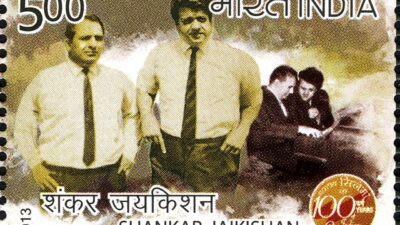
श्री ४२० (१९५५) का 'रमैया वस्तावैया' एक बहुभाषी लोक-कार्निवाल गीत है: इसका मुखड़ा तेलुगु लोक-परंपरा से आता है — 'रमैया' यानी प्रिय राम और 'वस्तावैया' यानी क्या तुम वापस आओगे — जिसे हिंदी प्रेम-घोषणा में पिरोया गया है। लता मंगेशकर, मोहम्मद रफ़ी और मुकेश की आवाज़ों में, शंकर-जयकिशन के संगीत और शैलेंद्र के बोलों के साथ यह १९५५ का एक यादगार सामुदायिक गीत बना। बंबई की हिंदी-उर्दू ज़मीन पर दक्षिण भारतीय लोक-शब्दावली का यह समायोजन वही कर सका जो राज कपूर की फ़िल्में ही कर सकती थीं — एक सहज पान-भारतीय भाव।
अंग्रेज़ी में पढ़ें · Read in English
"Ramaiya Vastavaiya" from Shree 420 (1955) is a folk-carnival song with a multilingual soul: its refrain draws from a Telugu folk address ('Ramaiya') meaning 'dear Rama' and 'vastavaiya' meaning 'will you return,' woven into a Hindi declaration of love. Sung by Lata Mangeshkar, Mohammed Rafi, and Mukesh, composed by Shankar-Jaikishan, and written by Shailendra, it became one of the most memorable community songs of 1955. The song's folk simplicity belies its cultural sophistication — using south Indian folk vocabulary in a Bombay Hindi-Urdu street context creates a seamlessly pan-Indian feel that only Raj Kapoor's films could achieve. It rose to Binaca Geetmala's lists and was among the most-played songs of the year.
संगीत The Music
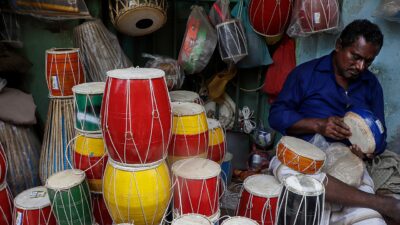
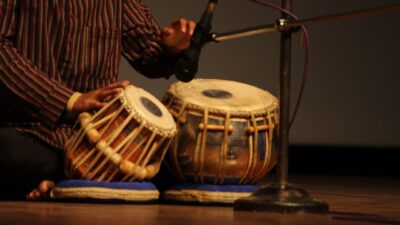
गीत एक सरल किंतु लाजवाब लोक-धुन पर बना है। शंकर-जयकिशन ने केहरवा में ढोलक की लय को आधार बनाया — मिट्टी से जुड़ी, सामुदायिक। विस्तृत ऑर्केस्ट्रेशन का जानबूझकर अभाव है — यह गली का संगीत है, कॉन्सर्ट हॉल का नहीं। तीन आवाज़ें (लता, रफ़ी, मुकेश) इस तरह बुनती हैं जैसे एक भीड़ अनायास गाने लगी हो। 'रमैया वस्तावैया' की ध्वनि-सुंदरता अद्वितीय है — किसी भी श्रोता को साथ गाने के लिए आमंत्रित करती है। 'मैंने दिल तुझको दिया' पर धुन का उठान — यही संगीत-कौशल का चरम है।
अंग्रेज़ी में पढ़ें · Read in English
The song is built on a simple but irresistibly catchy folk melodic pattern. Shankar-Jaikishan use a dholak-led rhythmic base in Keherwa, giving it an earthy, community feel. The absence of elaborate orchestral arrangement is deliberate — this is music for the street, not the concert hall. The three voices (Lata, Rafi, Mukesh) interweave naturally, suggesting a crowd spontaneously joining in song rather than a structured recording. The song's hook is in the Telugu refrain: 'Ramaiya vastavaiya' is phonetically delightful and emotionally open, inviting participation from any listener. The melody rises cheerfully on 'maine dil tujhko diya' — heart given — and this moment of musical lift is the compositional masterstroke.
काव्य The Poetry
शैलेंद्र की असाधारण प्रतिभा यहाँ एक खोजे हुए लोक-मुहावरे की काव्य-शक्ति को पहचानने में थी। 'रमैया वस्तावैया' दक्षिण भारतीय लोक-परंपरा में भावनात्मक रूप से समृद्ध था — शैलेंद्र ने इसका अनुवाद या व्याख्या नहीं की; उन्होंने इसकी ध्वनि और भावना पर भरोसा किया। 'मैंने दिल तुझको दिया' — शैलेंद्र अपनी सबसे सरल और सबसे सीधी भाषा में: मैंने दिल दे दिया। कोई रूपक नहीं, कोई विस्तार नहीं। बस शुद्ध उद्घोषणा।
अंग्रेज़ी में पढ़ें · Read in English
Shailendra's extraordinary contribution here was to recognize the poetic potential in a found folk phrase and make it the heart of a Hindi-Urdu geet. 'Ramaiya vastavaiya' was already emotionally resonant in south Indian folk tradition — Shailendra did not translate or explain it; he trusted its sound and feeling to carry the lyric. 'Maine dil tujhko diya' is Shailendra at his simplest and most direct: I gave you my heart. No metaphor. No elaboration. Just the pure declaration. This directness, surrounded by the folk warmth of the Telugu refrain, creates a lyric that feels universal and ancient simultaneously.
कहानी The Story
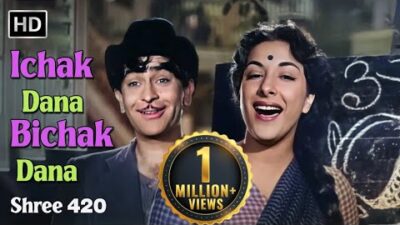
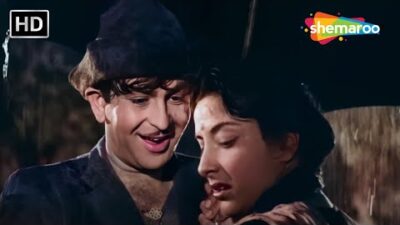
यह गीत श्री ४२० में एक गली-उत्सव दृश्य के रूप में आता है — राजू का बंबई में आगमन शहर के मेहनतकश लोगों की ऊर्जा से स्वागत पाता है। राज कपूर भारत भर के लोक-संगीत से आकर्षित थे और अपनी फ़िल्मों को पान-भारतीय पहचान देने के लिए क्षेत्रीय मुहावरों का उपयोग करते थे। तेलुगु लोक-शब्दावली का उपयोग जानबूझकर था: १९५५ की बंबई में आंध्र और तमिलनाडु के मज़दूर शहर की बड़ी आबादी थे। शंकर-जयकिशन ने 'रमैया वस्तावैया' को एक तेलुगु लोक-धुन से सुनकर उठाया था।
अंग्रेज़ी में पढ़ें · Read in English
The song appears in Shree 420 as a street celebration sequence — Raju's arrival in Bombay is greeted by the energy of the city's working people. Raj Kapoor was fascinated by folk music from across India and intentionally used regional phrases to give his films a pan-Indian identity. The use of Telugu folk vocabulary was a deliberate choice: in 1955 Bombay, workers from across India — including Andhra Pradesh and Tamil Nadu — formed a large part of the city's labouring population. Making them feel seen and included in the film's world was both a creative and a humanist gesture. Shankar-Jaikishan reportedly sourced the 'Ramaiya vastavaiya' phrase from a Telugu folk melody they had heard in passing.
विरासत The Legacy
यह गीत राज कपूर की बंबई का प्रतीक बन गया — प्रवासियों का शहर, अजनबियों का समुदाय, एक मुखड़े में भारत की विविधता। असंख्य बाद की फ़िल्मों, विज्ञापनों और सार्वजनिक कार्यक्रमों में इसका उपयोग हुआ। 'रमैया वस्तावैया' हिंदी फ़िल्म संगीत के सबसे पहचाने जाने वाले हुक-वाक्यांशों में से एक है। अंताक्षरी में यह बेहद लोकप्रिय है।
अंग्रेज़ी में पढ़ें · Read in English
The song became a shorthand for Raj Kapoor's Bombay — the city of migrants, of strangers becoming community, of India's diversity celebrated in a single mukhda. It has been used in countless later films, advertisements, and public events. The refrain 'Ramaiya vastavaiya' is one of the most recognized hook phrases in all of Hindi film music — even people who have never seen Shree 420 know the opening lines by heart. It remains an antakshari favourite because of its instantly recognizable beginning.
वर्गीकरण
Classification- Tempo
- Medium
Genre
अन्य विवरण
More Details- Wikipedia: Shree 420. https://en.wikipedia.org/wiki/Shree_420
- Wikipedia: Shankar-Jaikishan. https://en.wikipedia.org/wiki/Shankar-Jaikishan
- Binaca Geetmala archives 1955, Radio Ceylon
- Kabir, Nasreen Munni. The Dialogue of Indian Cinema. OUP.
References
रोचक तथ्य
Margin Notes'रामैया' शब्द 'राम' का तेलुगु/कन्नड़ स्नेहसूचक रूप है — बंबई की हिंदी फ़िल्म में इसका प्रयोग मुख्यधारा हिंदी सिनेमा में दक्षिण भारतीय लोक-शब्दावली के शुरुआती उदाहरणों में से एक था।
अंग्रेज़ी में पढ़ें · Read in English
The word 'Ramaiya' is a Telugu/Kannada diminutive for Rama — its use in a Bombay Hindi film was one of the earliest examples of south Indian folk vocabulary in mainstream Hindi cinema.
राज कपूर ने 'श्री 420' में कई क्षेत्रीय परंपराओं के गीतों का इस्तेमाल किया, ताकि अपनी फ़िल्मों के लिए सही मायनों में एक राष्ट्रीय दर्शक-वर्ग तैयार किया जा सके।
अंग्रेज़ी में पढ़ें · Read in English
Raj Kapoor used songs from multiple regional traditions in Shree 420 to create a genuinely national audience for his films.
अपनी 'रामैया' (राम) की पुकार के कारण यह गीत पश्चिमी भारत में नवरात्रि और दशहरे के सड़क-उत्सवों में अक्सर बजाया जाता था।
अंग्रेज़ी में पढ़ें · Read in English
The song was frequently played at Navratri and Dussehra street celebrations in western India due to its 'Ramaiya' (Rama) invocation.
कहा जाता है कि शुरुआती जटिल संस्करण जब बहुत ज़्यादा 'फ़िल्मी संगीत' जैसे और कम 'सड़क-संगीत' जैसे लगे, तो शंकर-जयकिशन ने जानबूझकर इस गीत की सज्जा को सादा रखा।
अंग्रेज़ी में पढ़ें · Read in English
Shankar-Jaikishan reportedly kept this song's arrangement deliberately sparse after overcomplicated early versions sounded too 'film-music' and not enough 'street-music.'
नमूना-पट्टी
The Specimen Table| शीर्षक | रमैया वस्तावैया · Ramaiya Vastavaiya |
|---|---|
| वर्ष · युग | 1955 — Golden Era |
| गायक | Lata Mangeshkar, Mohammed Rafi, Mukesh |
| गीतकार | Shailendra |
| संगीतकार | Shankar-Jaikishan |
| स्वरूप | समूह गान |
| गति | मध्यम |
| अवधि | circa 3:45 |
| भाषा | Hindi · Telugu folk phrase |
| वाद्य | dholak · harmonium · tabla |
| भाव | उत्सव · चुलबुला · रोमांटिक |
| लोकप्रियता | Very_popular |
| बोल-स्थिति | केवल झलक |
जुड़े हुए पन्ने
Connected Plates · The Graph Made Visibleअटलस में कोई पन्ना अकेला नहीं — इस गीत से जुड़े गीत, कलाकार, फ़िल्म, राग-ताल-विधा, सब यहाँ से खुलते हैं।
मिलते-जुलते गीत · Related Songs
कलाकार · The Artists
युग · The Era
साझा कीजिए · Share this Plate
यह पन्ना आगे बढ़ाइए
रमैया वस्तावैया — एक तेलुगु लोकगीत के तीन शब्दों में पूरी बंबई एक हो गई।
Ramaiya vastavaiya — in three words from a Telugu folk song, all of Bombay was united.
— Attributed to Raj Kapoor, undated interview
सवाल-जवाब
Questions & Answersरमैया वस्तावैया का क्या अर्थ है? · What does Ramaiya Vastavaiya mean?
रमैया तेलुगु-कन्नड़ लोक-परंपरा में राम का प्रिय नाम है। वस्तावैया का अर्थ है क्या तुम वापस आओगे। मिलाकर अर्थ है: 'प्रिय राम, क्या तुम आओगे?' — प्रेम की लोक-पुकार।
Ramaiya is a Telugu-Kannada folk diminutive for Rama (the beloved). Vastavaiya means 'will you return.' Together: 'Dear Rama, will you come back?' — a folk cry for the beloved repurposed as a love declaration.
रमैया वस्तावैया किसने गाया? · Who sang Ramaiya Vastavaiya?
लता मंगेशकर, मोहम्मद रफ़ी और मुकेश — मिलकर श्री ४२० के गली-दृश्य के लिए एक सामुदायिक गान बनाया।
Lata Mangeshkar, Mohammed Rafi, and Mukesh — together creating a community-chorus feel for the Shree 420 street scene.
क्या रमैया वस्तावैया तेलुगु गाना है? · Is Ramaiya Vastavaiya a Telugu song?
नहीं — यह श्री ४२० (१९५५) का हिंदी गाना है, लेकिन मुखड़ा तेलुगु लोक-परंपरा से उधार लिया गया है — पान-भारतीय सांस्कृतिक संगम का सुंदर उदाहरण।
No — it is a Hindi film song from Shree 420 (1955), but the refrain 'Ramaiya vastavaiya' is borrowed from Telugu folk tradition, making it a beautiful example of pan-Indian cultural fusion.