गीत विंग · गीत-पट्टिका · Song Plate
रसिक बलमा
Rasik Balma
दुनिया की सबसे पुरानी शिकायत — इतनी सुंदरता से गायी गई कि प्रेम-निवेदन बन जाती है।
भावमीठा-कड़वा · चुलबुला · रोमांटिक
भाषाHindi · Braj · Urdu गतिमध्यम स्वरूपएकल महिला
श्रेय
The Creditsबोल · The Lyrics
बोल — झलक · Lyrics Preview
हाय दिल क्यों लगाया
जान जाती है प्यारे, नैन लड़ाया तुमसे
Haye Dil Kyon Lagaya
Jaan Jaati Hai Pyaare, Nain Ladaya Tumse
कॉपीराइट के कारण केवल झलक — पूरे बोल आधिकारिक मंचों पर।
शब्दकोश
Word Meaningsसूत्र-वाक्य · The Hook
सूत्र-वाक्य
दुनिया की सबसे पुरानी शिकायत — इतनी सुंदरता से गायी गई कि प्रेम-निवेदन बन जाती है।
In EnglishThe oldest complaint in the world, sung so beautifully it becomes a declaration of love.
पट्टिका-लेख
The Monographपरिचय Overview
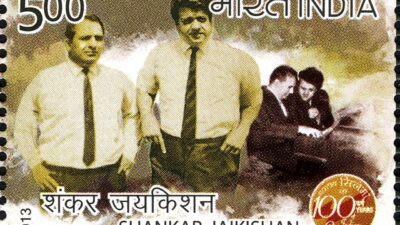
'चोरी चोरी' (1956) का 'रसिक बलमा' लता मंगेशकर के ठुमरी-रंगी चंचल-रोमांटिक शैली के सर्वोत्तम नमूनों में से एक है — एक विधा जिसे हसरत जयपुरी विशेष कुशलता से निभाते थे। शंकर-जयकिशन ने इसे राग खमाज के उत्सव-रंगों में रचा और दादरे की लहराती लय पर सजाया। एक चरित्रहीन, चंचल प्रियतम के प्रति नायिका की स्नेहपूर्ण शिकायत — लता इस गीत में नाराज़गी और विवश प्रेम के बीच की यात्रा को जिस कुशलता से करती हैं वह इसे फ़िल्म का सर्वाधिक उद्धृत गीत बनाती है।
अंग्रेज़ी में पढ़ें · Read in English
"Rasik Balma" from Chori Chori (1956) is one of Lata Mangeshkar's finest exercises in the thumri-inflected playful-romantic mode — a genre that Hasrat Jaipuri handled with particular flair. Composed by Shankar-Jaikishan in the festive colours of Raag Khamaj and set to a lilting dadra, the song is a woman's affectionate complaint against a charming, irresponsible beloved. Lata navigates the song's shifts between mock-anger and helpless adoration with consummate skill, making it one of the most quoted and sung songs from the film. Released by HMV, it has remained a popular request at mehfils and on radio for seven decades.
संगीत The Music
यह गीत शंकर-जयकिशन की ठुमरी-फ़िल्मी संश्लेषण की महारत का उदाहरण है। राग खमाज — उतरते समय कोमल निषाद के साथ — उत्तर भारतीय परम्परा में चंचल रोमांस का सर्वोत्कृष्ट राग है, और शंकर इसके गमकों (उछलते मुरकियों) का प्रयोग लता को अभिव्यंजक अलंकरण का अवकाश देने के लिए करते हैं। दादरा ताल (6 मात्रा, 3+3) एक स्वाभाविक झूलन पैदा करती है जो गीत के छेड़छाड़ वाले भाव से मेल खाती है।
अंग्रेज़ी में पढ़ें · Read in English
The song exemplifies Shankar-Jaikishan's mastery of the thumri-filmi synthesis. Raag Khamaj — with its komal Nishad on the descent — is the quintessential raag for playful romance in the North Indian tradition, and Shankar deploys its characteristic oscillating phrases (gamaks) to give Lata room for expressive ornamentation. The dadra taal (6 beats, 3+3) creates a natural sway that suits the song's teasing quality. The harmonium's presence anchors the song in a semi-classical mehfil texture, while the violins give it the film polish required.
काव्य The Poetry
हसरत जयपुरी यहाँ ब्रज पदावली की परम्परा में काम करते हैं जहाँ नायिका अपने चंचल प्रियतम को एक बनावटी शिकायत में सम्बोधित करती है जो वास्तव में प्रेम-स्वीकृति है। 'रसिक' शब्द बड़े सुंदर तरीके से दोधारा है: इसका अर्थ सौंदर्य का पारखी (एक प्रशंसात्मक पद) भी है और वह लम्पट जो तृप्त नहीं हो सकता (एक आरोप) भी। एक शब्द में हसरत ने नायिका की पूरी द्विधापूर्ण भावना को पकड़ लिया है।
अंग्रेज़ी में पढ़ें · Read in English
Hasrat Jaipuri works here in the tradition of the Braj padavali where the nayika (heroine archetype) addresses her fickle beloved with an affected complaint that is really a profession of love. The word 'rasik' is beautifully double-edged: it means both a connoisseur of beauty (an admiring term) and a libertine who cannot be satisfied (a reproach). In one word, Hasrat captures the nayika's entire ambivalent feeling.
कहानी The Story
'चोरी चोरी' के संगीत के लिए शंकर-जयकिशन ने दो गीतकारों का उपयोग किया — शैलेन्द्र अधिक गंभीर, दार्शनिक गीतों के लिए और हसरत चंचल, रोमांटिक नंबरों के लिए। यह विभाजन उनकी स्वाभाविक प्रवृत्तियों को दर्शाता था। 'रसिक बलमा' एक बम्बई रिकॉर्डिंग सत्र में बनी जहाँ शंकर चाहते थे कि लता बनारस की ठुमरी गायिका की चंचल भावना को पकड़ें।
अंग्रेज़ी में पढ़ें · Read in English
Hasrat Jaipuri was one of the two lyricists Shankar-Jaikishan used for the Chori Chori soundtrack — Shailendra wrote the more serious, philosophical songs while Hasrat handled the playful, romantic numbers, a division of labour that reflected their natural tendencies. Rasik Balma was composed at a recording session in Bombay where Shankar reportedly wanted Lata to channel the playful spirit of a Benares thumri singer — light-footed, teasing, never entirely sincere in the complaint.
विरासत The Legacy
'रसिक बलमा' का भारतीय लोकप्रिय संस्कृति में उल्लेखनीय परवर्ती जीवन रहा है — पीढ़ियों में मंच प्रस्तुतियों, टेलीविज़न कार्यक्रमों और विवाह मनोरंजन कार्यक्रमों में इसका उपयोग किया जाता रहा है।
अंग्रेज़ी में पढ़ें · Read in English
Rasik Balma has had a remarkable afterlife in Indian popular culture — it has been used in stage shows, television programmes, and wedding entertainment functions across generations. The song represents a particular strand of Golden Era feminine expression: the woman who teases and reproaches her beloved while making clear she cannot live without him — a form that Bollywood has revisited repeatedly.
वर्गीकरण
Classification- Tempo
- Medium
Genre
अन्य विवरण
More Details- Wikipedia: Chori Chori (1956 film)
- Hindi Film Geet Kosh, Vol. 4, Harmandir Singh Hamraaz
- Hasrat Jaipuri biography, various sources
References
रोचक तथ्य
Margin Notesहसरत जयपुरी और शैलेंद्र, 1950 के दशक भर शंकर-जयकिशन / राज कपूर की धुरी के दो प्रमुख गीतकार थे — उनकी अलग-अलग संवेदनाओं ने ही फ़िल्म-संगीत को उसकी उल्लेखनीय विविधता दी।
अंग्रेज़ी में पढ़ें · Read in English
Hasrat Jaipuri and Shailendra were the two primary lyricists for the Shankar-Jaikishan / Raj Kapoor axis throughout the 1950s — their different sensibilities gave the soundtracks their remarkable range.
'रसिक' शब्द का वैष्णव काव्य में एक लंबा इतिहास है, जो उन भक्तों के लिए प्रयुक्त होता है जो कठोर तप के बजाय सौंदर्यबोध और रस के माध्यम से कृष्ण तक पहुँचते हैं — हसरत का यह प्रयोग इसी परंपरा से गूँजता है।
अंग्रेज़ी में पढ़ें · Read in English
The word 'rasik' has a long history in Vaishnava poetry as a term for devotees who approach Krishna through aesthetic rapture rather than austerity — Hasrat's use of it resonates with this tradition.
यह गीत महफ़िल-शैली की अनौपचारिक प्रस्तुतियों में ख़ासा पसंद किया जाता है, क्योंकि इसकी अर्ध-शास्त्रीय संरचना गायकों को ठुमरी की परंपरा के भीतर सुर-सुधार की गुंजाइश देती है।
अंग्रेज़ी में पढ़ें · Read in English
The song is a favourite for mehfil-style informal performances because its semi-classical structure gives singers room to improvise within the thumri convention.
नमूना-पट्टी
The Specimen Table| शीर्षक | रसिक बलमा · Rasik Balma |
|---|---|
| वर्ष · युग | 1956 — Golden Era |
| गायक | Lata Mangeshkar |
| गीतकार | Hasrat Jaipuri |
| संगीतकार | Shankar-Jaikishan |
| स्वरूप | एकल महिला |
| गति | मध्यम |
| अवधि | 3:15 |
| भाषा | Hindi · Braj · Urdu |
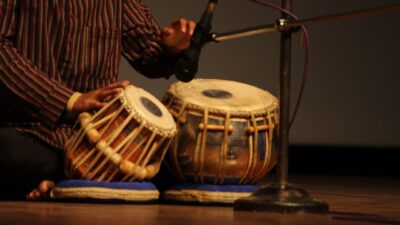
| वाद्य | harmonium · tabla · sarangi · violin |
| भाव | मीठा-कड़वा · चुलबुला · रोमांटिक |
| लोकप्रियता | Very_popular |
| बोल-स्थिति | केवल झलक |
जुड़े हुए पन्ने
Connected Plates · The Graph Made Visibleअटलस में कोई पन्ना अकेला नहीं — इस गीत से जुड़े गीत, कलाकार, फ़िल्म, राग-ताल-विधा, सब यहाँ से खुलते हैं।
मिलते-जुलते गीत · Related Songs
कलाकार · The Artists
युग · The Era
साझा कीजिए · Share this Plate
यह पन्ना आगे बढ़ाइए
'रसिक बलमा' में हसरत ने एक शिकायत इतनी आकर्षक लिखी कि वह प्रिय की परिभाषा बन गई।
In Rasik Balma, Hasrat Jaipuri wrote a complaint so charming it became the definition of the beloved.
— Javed Akhtar, in conversation
सवाल-जवाब
Questions & Answers'रसिक बलमा' का अर्थ क्या है? · What does Rasik Balma mean?
'रसिक' का अर्थ सौंदर्य और आनंद का पारखी (और ऐयाश भी); 'बलमा' ब्रज लोक परम्परा में प्रिय पति या प्रेमी। दोनों मिलकर एक आकर्षक किन्तु लापरवाह प्रेमी को सम्बोधित करते हैं।
Rasik means a connoisseur of beauty and pleasure (also implies a philanderer); Balma means beloved or dear husband in the Braj folk tradition. Together the phrase addresses a charming but irresponsible lover.