गीत विंग · गीत-पट्टिका · Song Plate
पंछी बनूँ उड़ती फिरूँ
Panchhi Banoon Udti Phiroon
हर उस आत्मा ने — जो कभी दुनिया की उम्मीदों से परे उड़ना चाहती थी — बिना जाने यह गीत गाया है।
भावDreamy · आनंदित · चुलबुला · रोमांटिक
भाषाHindi · Urdu गतिमध्यम स्वरूपएकल महिला
श्रेय
The Creditsबोल · The Lyrics
बोल — झलक · Lyrics Preview
मस्त गगन में
आज मैं आज़ाद हूँ
दुनिया के चमन में
Mast Gagan Mein
Aaj Main Aazad Hoon
Duniya Ke Chaman Mein
कॉपीराइट के कारण केवल झलक — पूरे बोल आधिकारिक मंचों पर।
शब्दकोश
Word Meaningsसूत्र-वाक्य · The Hook
सूत्र-वाक्य
हर उस आत्मा ने — जो कभी दुनिया की उम्मीदों से परे उड़ना चाहती थी — बिना जाने यह गीत गाया है।
In EnglishEvery soul that ever wanted to leave the world's expectations behind has sung this song without knowing it.
पट्टिका-लेख
The Monographपरिचय Overview
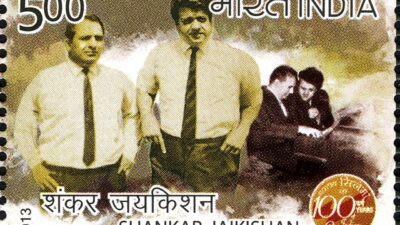
अनन्त ठाकुर निर्देशित और राज कपूर-नरगिस अभिनीत 'चोरी चोरी' (1956) का यह गीत लता मंगेशकर के स्वर्णिम युग के सर्वप्रिय एकल गीतों में से एक है। शंकर-जयकिशन का संगीत उड़ान जितना हल्का और स्वतंत्र लगता है — संभवतः राग पहाड़ी के लोक-चरागाही रंगों से प्रेरित — और शैलेन्द्र के बोल स्वतंत्रता की सार्वभौमिक मानवीय इच्छा को खुले आकाश में उठते पंछी की छवि में ढाल देते हैं। यह गीत उस स्त्री-आनंद को मूर्त करता है जिसे हिन्दी सिनेमा अपनी नायिकाओं को बहुत कम देता था।
अंग्रेज़ी में पढ़ें · Read in English
"Panchhi Banoon Udti Phiroon" from Chori Chori (1956), starring Raj Kapoor and Nargis and directed by Anant Thakur, is one of Lata Mangeshkar's most beloved solos of the Golden Era. Composed by Shankar-Jaikishan with a melody that feels as light as flight itself — perhaps drawing on the folk-pastoral colours of Raag Pahadi — and with lyrics by Shailendra that convert the universal human desire for freedom into an image of a bird ascending into a happy sky, the song perfectly embodies a kind of feminine joy that Hindi cinema too rarely allowed its heroines. Released on HMV, it remains a touchstone of the era's best romantic-optimistic spirit.
संगीत The Music
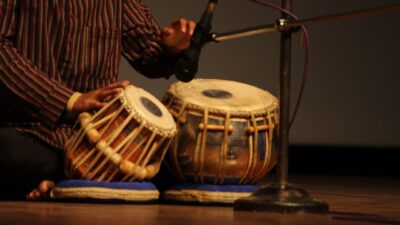
शंकर-जयकिशन ने धुन को असामान्य हल्केपन के साथ बुना — हर संगीतीय वाक्यांश में उठान का भाव है, जैसे स्वर स्वयं हवा में तैर रहे हों। रचना पहाड़ी — पहाड़ों के राग — की पंचस्वरी उजास से प्रेरित है, जो उसे फ़िल्म के अन्य रोमांटिक गीतों के शास्त्रीय भार की जगह एक लोक-ताज़गी देती है। मुखड़े पर बाँसुरी का प्रवेश पंछी-उड़ान की छवि को प्रतिध्वनित करता है, जबकि तबले की उछलती कहरवा लय गीत को भारीपन के बिना आगे धकेलती है। लता की यहाँ की गायकी — उच्च, स्वच्छ, हल्के अलंकार वाली — तकनीकी पूर्णता को सहज आनंद जैसा दिखाने का पाठ है।
अंग्रेज़ी में पढ़ें · Read in English
Shankar-Jaikishan constructed the melody with an unusual lightness — each musical phrase has a quality of lift, as though the notes themselves are airborne. The composition draws on the pentatonic brightness associated with Pahadi, the 'mountain raag', giving it a folk freshness rather than the classical weight of the film's other romantic songs. The flute plays a pivotal role, appearing on the mukhda to echo the bird-flight imagery, while the tabla keeps a bouncing keherwa that propels the song forward without heaviness. Lata Mangeshkar's voice in this register — high, clear, lightly ornamented — is a masterclass in making technical perfection sound like effortless joy.
काव्य The Poetry
शैलेन्द्र पंछी के रूपक का प्रयोग एक कवि की मितव्ययिता से करते हैं — 'पंछी बनूँ' एक सशर्त रूपांतरण है, एक इच्छा, कथन नहीं। गीत कभी नहीं कहता कि नायिका उड़ गई — यह पूरी तरह आकांक्षा और कल्पना के अंतरिक्ष में जीता है। यही बोलों की प्रतिभा है: इच्छा रहने से यह हमेशा खुला रहता है, एक ऐसा गीत जिसमें कोई भी अपनी परिस्थिति से परे बस सकता है।
अंग्रेज़ी में पढ़ें · Read in English
Shailendra uses the bird metaphor with a poet's economy — 'panchhi banoon' (let me become a bird) is a conditional transformation, a wish, not a statement. The song never pretends the heroine has actually flown — it lives entirely in the space of longing and imagination. This is the genius of the lyric: by remaining a wish it remains perpetually open, a song anyone can inhabit regardless of circumstances.
कहानी The Story
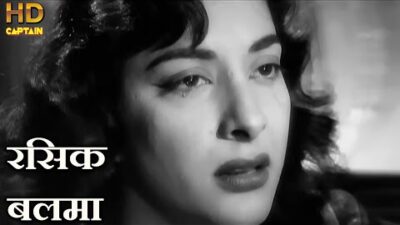
यह गीत शंकर-जयकिशन और राज कपूर के सहयोग के उस प्रतिमान में फिट होता है जहाँ महिला मुख्य पात्र की आंतरिक दुनिया को महान मधुर स्वतंत्रता के एकल गीतों से व्यक्त किया जाता था। नरगिस ने इस अनुक्रम को अपनी विशिष्ट जीवंतता के साथ प्रस्तुत किया, और बाहरी दृश्यांकन ने गीत को वह हवादारपन दिया जो उस युग के स्टूडियो-बद्ध गीतों में अक्सर नहीं होता था।
अंग्रेज़ी में पढ़ें · Read in English
The song fits into the pattern of Shankar-Jaikishan's collaboration with Raj Kapoor, where the female lead's inner world was often expressed through solo numbers of great melodic freedom. Nargis performed this sequence with characteristic vivacity, and the outdoor filming gave the song an airiness that studio-bound numbers of the era often lacked. The song became one of the frequently broadcast tracks on All India Radio throughout the late 1950s and 1960s, cementing its place in the popular imagination.
विरासत The Legacy
यह गीत अपनी पीढ़ी में एक प्रकार की स्त्री-मुक्ति की अभिव्यक्ति के रूप में टिका रहा — पंछी बनने की, दुनिया का बोझ छोड़ने की छवि उन पीढ़ियों की भारतीय महिलाओं को गूँजती रही जो प्रतिबंधित घरेलू दुनियाओं में अपना रास्ता बना रही थीं।
अंग्रेज़ी में पढ़ें · Read in English
The song has endured as a women's liberation anthem of sorts within its generation — the image of becoming a bird, of leaving the world's weight behind, resonated with generations of Indian women navigating constrained domestic worlds. It is regularly cited in discussions of Golden Era female representation in Hindi cinema as a rare instance of unambiguous, unqualified feminine joy.
वर्गीकरण
Classification- Tempo
- Medium
Genre
अन्य विवरण
More Details- Wikipedia: Chori Chori (1956 film)
- Hindi Film Geet Kosh, Vol. 4, Harmandir Singh Hamraaz
- Shankar-Jaikishan discography, Saregama
References
रोचक तथ्य
Margin Notesपक्षी की उड़ान का बिंब शंकर-जयकिशन की रचनाओं में बार-बार लौटने वाला प्रतीक था — उन्होंने अपने पूरे करियर में इसे कई गीतों में दोहराया, हर बार आज़ादी की चाह को एक नए स्वर-कोण से पेश करते हुए।
अंग्रेज़ी में पढ़ें · Read in English
The bird-flight imagery was a recurring motif in Shankar-Jaikishan compositions — they returned to it in songs throughout their career, each time finding a new melodic angle on the desire for freedom.
शैलेंद्र ने हिंदी-उर्दू काव्य की उस समृद्ध परंपरा से प्रेरणा ली, जिसमें पक्षी को स्वतंत्रता का प्रतीक माना गया है; 'पंछी' कबीर, मीराबाई और अनेक लोक-परंपराओं में मुक्त आत्मा के प्रतीक के रूप में मिलता है।
अंग्रेज़ी में पढ़ें · Read in English
Shailendra drew on a rich tradition of bird-as-freedom imagery in Hindi and Urdu poetry; the panchhi (bird) appears in Kabir, Mirabai, and numerous folk traditions as a symbol of the liberated soul.
1950 के दशक के उत्तरार्ध में यह गीत आकाशवाणी के लोकप्रिय कार्यक्रमों का नियमित हिस्सा रहा, जिससे यह उन ग्रामीण श्रोताओं तक भी पहुँचा जिन्होंने शायद फ़िल्म कभी देखी ही न हो।
अंग्रेज़ी में पढ़ें · Read in English
The song was a fixture of All India Radio's popular programming throughout the late 1950s, reaching rural audiences who might never see the film itself.
नमूना-पट्टी
The Specimen Table| शीर्षक | पंछी बनूँ उड़ती फिरूँ · Panchhi Banoon Udti Phiroon |
|---|---|
| वर्ष · युग | 1956 — Golden Era |
| गायक | Lata Mangeshkar |
| गीतकार | Shailendra |
| संगीतकार | Shankar-Jaikishan |
| स्वरूप | एकल महिला |
| गति | मध्यम |
| अवधि | 3:22 |
| भाषा | Hindi · Urdu |
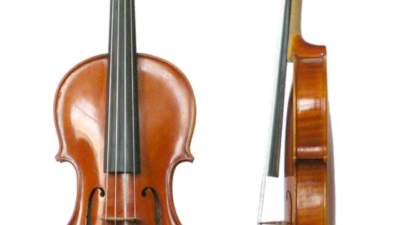
| वाद्य | violin · instrument-flute · tabla · guitar |
| भाव | Dreamy · आनंदित · चुलबुला · रोमांटिक |
| लोकप्रियता | Very_popular |
| बोल-स्थिति | केवल झलक |
जुड़े हुए पन्ने
Connected Plates · The Graph Made Visibleअटलस में कोई पन्ना अकेला नहीं — इस गीत से जुड़े गीत, कलाकार, फ़िल्म, राग-ताल-विधा, सब यहाँ से खुलते हैं।
मिलते-जुलते गीत · Related Songs
कलाकार · The Artists
युग · The Era
साझा कीजिए · Share this Plate
यह पन्ना आगे बढ़ाइए
'पंछी बनूँ' में शैलेन्द्र ने महिलाओं को एक पंक्ति दी जो वे आकाश से कह सकती थीं और पूरे मन से कह सकती थीं।
In Panchhi Banoon, Shailendra gave women a line they could say to the sky and mean it completely.
— Namita Devidayal, The Music Room
सवाल-जवाब
Questions & Answers'पंछी बनूँ उड़ती फिरूँ' का अर्थ क्या है? · What does Panchhi Banoon Udti Phiroon mean?
इसका अर्थ है 'पंछी बनकर उड़ती रहूँ' — भूमि की बंधनों से मुक्ति की इच्छा, उड़ान और खुले आकाश की चाहत रखने वाली एक नारी का गान।
It translates as 'Let me become a bird and soar freely' — a wish for freedom from earthly constraints, sung by a woman yearning for flight and open sky.
'पंछी बनूँ' के गीतकार कौन हैं? · Who is the lyricist of Panchhi Banoon?
बोल शैलेन्द्र ने लिखे। वे हिन्दी सिनेमा के स्वर्णिम युग के महान कवियों में से एक थे, जो सरल-सी भाषा में गहरी मानवीय सच्चाइयाँ पिरोने के लिए जाने जाते थे।
Shailendra wrote the lyrics. He was one of the great poets of Hindi cinema's Golden Era, known for embedding profound human truths within deceptively simple language.