सिनेमा विंग · फ़िल्म-पट्टिका · Film Plate
बूट पॉलिश
Boot Polish
शैलीSocial · Drama
भाषाHindi प्रकारकथा-चित्र (फ़ीचर)
गीत2 — नीचे पूरी संगीत-सूची
कथा-सार
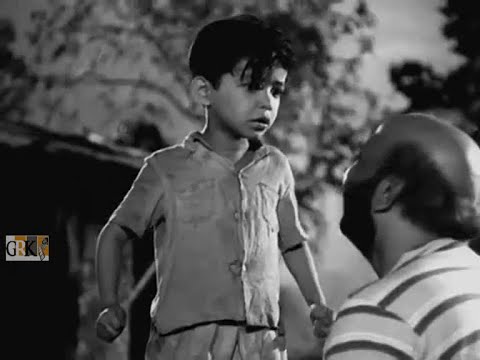
Synopsisबम्बई की झुग्गियों में अनाथ भाई-बहन भोला और बेलू अपनी निर्दयी चाची कमला के पास पलते हैं, जो उन्हें भीख माँगने पर मजबूर करती है। उनकी अंधेरी दुनिया में रोशनी बनकर आता है पड़ोस का जॉन चाचा — शराब की तस्करी करने वाला एक दिलदार आदमी, जो बच्चों को सिखाता है कि भीख इंसान की रूह को मार देती है; मेहनत की कमाई ही इज़्ज़त की ज़िंदगी है। बच्चे पैसे जोड़कर बूट पॉलिश का सामान ख़रीदते हैं और क़सम खाते हैं कि अब हाथ फैलाना नहीं, जूते चमकाकर पेट भरना है। मगर क़िस्मत इम्तिहान लेती है — बरसात के मौसम में काम ठप हो जाता है, जॉन चाचा जेल पहुँच जाते हैं और हालात भाई-बहन को एक-दूसरे से जुदा कर देते हैं। भूख और बिछोह की इस आज़माइश में भी बच्चों का आत्मसम्मान ही उनकी सबसे बड़ी पूँजी बना रहता है। राज कपूर की छत्रछाया में बनी यह फ़िल्म नव-यथार्थवाद की मिसाल है — बाल मज़दूरी, ग़रीबी और गरिमा पर ऐसी सीधी, भावपूर्ण नज़र हिंदी सिनेमा में पहले कभी नहीं पड़ी थी। फ़िल्मफ़ेयर ने इसे सर्वश्रेष्ठ फ़िल्म चुना और कान फ़िल्म समारोह तक इसकी गूँज पहुँची।
अंग्रेज़ी में पढ़ें · Read in English
In the slums of Bombay, the orphaned siblings Bhola and Belu live under their cruel aunt Kamla, who forces them to beg. Light enters their dark world through John Chacha, the warm-hearted neighbourhood bootlegger, who teaches them that begging kills the soul — only earned bread gives a life of dignity. The children save coins, buy a boot-polish kit, and vow never to stretch out a hand again: they will shine shoes to eat. But fate tests them — the monsoon kills their trade, John Chacha lands in jail, and circumstances tear brother and sister apart. Through hunger and separation, the children's self-respect remains their greatest wealth. Made under Raj Kapoor's wing, the film is a landmark of Indian neo-realism: no Hindi film had yet looked so directly and movingly at child labour, poverty and dignity. Filmfare named it Best Film, and its echo reached the Cannes Film Festival.
संगीत-सूची
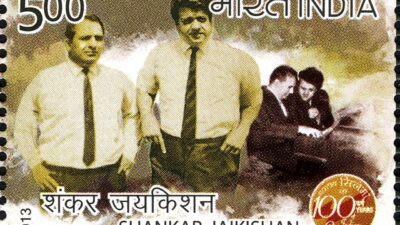
The Soundtrackशंकर-जयकिशन इस बार सितारों के लिए नहीं, सड़क के बच्चों के लिए धुनें रचते हैं: शैलेंद्र के बोल 'नन्हे मुन्ने बच्चे तेरी मुट्ठी में क्या है' में जूते-पॉलिश के डिब्बे को स्वाभिमान का दर्शन बना देते हैं, और रफ़ी-आशा उस उम्मीद को आवाज़ देते हैं।
अंग्रेज़ी में पढ़ें · Read in English
Shankar-Jaikishan scoring for street children instead of stars: Shailendra's lyrics turn shoeshine boxes into a philosophy of self-respect in 'Nanhe Munne Bachche Teri Mutthi Mein Kya Hai', with Rafi and Asha carrying the hope.
- नन्हे मुन्ने बच्चे तेरी मुट्ठी में क्या है Nanhe Munne Bachche Teri Mutthi Mein Kya Hai स्वर: Mohammed Rafi, Asha Bhosle
- रात गई बात गई Raat Gayi Baat Gayi स्वर: Manna Dey, Asha Bhosle

पट्टिका-लेख
The Monographपर्दे के पीछे Behind the Scenes
राज कपूर निर्माता रहे पर परदे पर बस एक मशहूर झलक-दृश्य में दिखे; फ़िल्म का भार बाल-कलाकार रतन कुमार और नाज़ ने उठाया, और कान फ़िल्म समारोह 1955 की प्रतियोगिता में प्रदर्शित इस फ़िल्म के लिए नाज़ को विशेष सम्मान मिला।
अंग्रेज़ी में पढ़ें · Read in English
Raj Kapoor produced but stayed off-screen except for a celebrated cameo gag; child actors Rattan Kumar and Naaz carried the film, and Naaz received a special distinction at Cannes 1955, where the film screened in competition.
महत्व Significance
बूट पॉलिश का संगीत दिखाता है कि शंकर-जयकिशन और शैलेंद्र सिर्फ़ रोमांस के नहीं, ज़मीर के भी संगीतकार-कवि थे। रफ़ी और आशा की आवाज़ों में 'नन्हे मुन्ने बच्चे तेरी मुट्ठी में क्या है' पीढ़ियों के लिए उम्मीद का राष्ट्रगीत बन गया — 'मुट्ठी में है तक़दीर हमारी' जैसी पंक्ति ने ग़रीब बच्चों के सपनों को जो गरिमा दी, वह हिंदी फ़िल्म संगीत में अमर है। 'रात गई फिर दिन आता है' जीवन-चक्र का सहज दर्शन गुनगुनाता है। शैलेंद्र की सरल, धारदार क़लम यहाँ अपने पूरे क़द में दिखती है — मुश्किल बात को लोरी जितना आसान कह देना। आर.के. बैनर के समाजवादी सरोकार और बाल-स्वर का यह संगम हिंदी सिनेमा में बाल-गीतों की पूरी परंपरा की नींव बना।
अंग्रेज़ी में पढ़ें · Read in English
The Boot Polish songs show that Shankar-Jaikishan and Shailendra were composers and poet not merely of romance but of conscience. 'Nanhe Munne Bachche Teri Mutthi Mein Kya Hai', in the voices of Rafi and Asha, became an anthem of hope for generations — a line like 'muthhi mein hai taqdeer hamaari' gave the dreams of poor children a dignity that is immortal in Hindi film music. 'Raat Gayi Baat Gayi' hums an easy philosophy of life's turning wheel. Shailendra's plain, piercing pen stands at full height here — saying the hardest things as simply as a lullaby. This meeting of the R.K. banner's socialist concerns with the child's voice laid the foundation of the entire tradition of children's songs in Hindi cinema.
विरासत Legacy
फ़िल्मफ़ेयर सर्वश्रेष्ठ फ़िल्म पुरस्कार की विजेता और कान में भारत की आरंभिक उपस्थिति — सबूत कि आर.के. फ़िल्म्स का सामाजिक आदर्शवाद अपने सितारे के बिना भी चल सकता है; तब से सड़क के बच्चों पर बनी हर फ़िल्म की कसौटी।
अंग्रेज़ी में पढ़ें · Read in English
Winner of the Filmfare Best Film award and an early Indian presence at Cannes — proof that R.K. Films' social idealism could work without its star, and a touchstone for every street-children film since.
रोचक तथ्य
Margin Notesबूट पॉलिश ने 1955 में फ़िल्मफ़ेयर सर्वश्रेष्ठ फ़िल्म का पुरस्कार जीता — आर.के. फ़िल्म्स के लिए लगातार दूसरा साल।
अंग्रेज़ी में पढ़ें · Read in English
Boot Polish won the Filmfare Best Film award in 1955 — the second consecutive year for R.K. Films.
1955 के कान फ़िल्म समारोह में बेबी नाज़ के अभिनय को विशेष उल्लेख (स्पेशल मेंशन) से सम्मानित किया गया।
अंग्रेज़ी में पढ़ें · Read in English
At the 1955 Cannes Film Festival, Baby Naaz's performance received a special mention.
राज कपूर फ़िल्म में एक छोटे से दृश्य में अपने आवारा अंदाज़ में नज़र आते हैं — ट्रेन में सोते मुसाफ़िर के रूप में, जिसे देखकर बच्चे उन्हें 'राज कपूर' समझ बैठते हैं।
अंग्रेज़ी में पढ़ें · Read in English
Raj Kapoor appears in a brief scene in his tramp persona — a passenger asleep on the train, whom the children mistake for 'Raj Kapoor' himself.
निर्देशन का श्रेय राज कपूर के सहायक प्रकाश अरोड़ा को है, पर फ़िल्म की रूपरेखा और संस्कार पूरी तरह आर.के. स्कूल के हैं — राज कपूर ने निर्माण की हर परत पर निगरानी रखी थी।
अंग्रेज़ी में पढ़ें · Read in English
Direction is credited to Raj Kapoor's assistant Prakash Arora, but the film's design and sensibility are wholly of the R.K. school — Raj Kapoor supervised every layer of the production.
नमूना-पट्टी
The Specimen Table| शीर्षक | बूट पॉलिश · Boot Polish |
|---|---|
| वर्ष · युग | 1954 — golden-era |
| निर्देशक | प्रकाश अरोड़ा · Prakash Arora |
| संगीत-निर्देशक | शंकर-जयकिशन · Shankar-Jaikishan |
| गीतकार | शैलेंद्र · Shailendra |
| कलाकार-मंडली | रतन कुमार · Rattan Kumar · बेबी नाज़ · Baby Naaz · डेविड · David · चाँद बर्क · Chand Burke |
| निर्माता | Raj Kapoor |
| निर्माण-गृह | R.K. Films |
| लेबल | hmv |
| शैली | Social · Drama |
| भाषा | Hindi |
| प्रकार | कथा-चित्र (फ़ीचर) |
| गीत | 2 गीत — ऊपर पूरी संगीत-सूची |
जुड़े हुए पन्ने
Connected Plates · The Graph Made Visibleअटलस में कोई पन्ना अकेला नहीं — 'बूट पॉलिश' से उसके गीत, कलाकार, राग और युग, सब जुड़े हैं।
इस फ़िल्म के गीत · Songs of this Film
कलाकार · Cast & Crew
युग · The Era
साझा कीजिए · Share this Plate