गीत विंग · गीत-पट्टिका · Song Plate
दिल में समा गए सजन
Dil Mein Sama Gaye Sajan
दिल में समा गए, नैनों में छुप गए — और उस दिन से दुनिया पहले जैसी नहीं रही।
भावआनंदित · पुरानी यादें · रोमांटिक
भाषाUrdu · Hindi गतिमध्यम स्वरूपएकल महिला
श्रेय
The Creditsबोल · The Lyrics
बोल — झलक · Lyrics Preview
नैनों में छुप गए सजन
जब से मिली हैं नज़रें
बदल गई यह दुनिया
Nainon mein chhup gaye sajan
Jab se mili hain nazrein
Badal gayi yeh duniya
कॉपीराइट के कारण केवल झलक — पूरे बोल आधिकारिक मंचों पर।
शब्दकोश
Word Meaningsसूत्र-वाक्य · The Hook
सूत्र-वाक्य
दिल में समा गए, नैनों में छुप गए — और उस दिन से दुनिया पहले जैसी नहीं रही।
In EnglishHe slipped into the heart, hid in the eyes — and from that day, the world was never the same.
पट्टिका-लेख
The Monographपरिचय Overview
नौशाद के असाधारण १९४९ 'दुलारी' साउंडट्रैक की एक चमकदार रचना, 'दिल में समा गए सजन' शकील बदायूँनी की कोमल उर्दू काव्य-भाषा को एक ऐसी धुन के साथ जोड़ती है जिसे नौशाद दीर्घ परिपक्वता की सहजता के साथ रचते हैं। लता मंगेशकर द्वारा गाया — जिन्होंने उसी फ़िल्म के लिए 'सुहानी रात ढल चुकी' बिल्कुल अलग भावनात्मक स्वर में गाई — यह गीत दर्शाता है कि नौशाद एक ही फ़िल्म में प्रतीक्षा की चाँदनी उदासी और मिलन का सूर्योदय-आनंद दोनों रच सकते थे। ए.आर. कर्दार निर्मित 'दुलारी' का साउंडट्रैक — नौशाद-शकील-लता की तिकड़ी अपने सबसे उत्पादक रूप में — 'महल' और 'बरसात' के साथ १९४९ के दो-तीन सर्वश्रेष्ठ एल्बमों में गिना जाता था।
अंग्रेज़ी में पढ़ें · Read in English
One of the brighter jewels in Naushad's extraordinary 1949 Dulari soundtrack, 'Dil Mein Sama Gaye Sajan' pairs Shakeel Badayuni's tender Urdu verse with a melodic line that Naushad constructs with the ease of long mastery. Sung by Lata Mangeshkar — who also sang 'Suhani Raat Dhal Chuki' for the same film, in an entirely different emotional register — this song demonstrates Naushad's facility for composing within a single film both the moonlit melancholy of waiting and the sunlit joy of finding. The Dulari soundtrack, produced by A.R. Kardar and featuring the trio of Naushad-Shakeel-Lata at their most productive, was considered one of 1949's two or three finest albums alongside Mahal and Barsaat. The image of the beloved absorbed into heart and eyes is a classical Urdu trope that Badayuni freshens here with colloquial warmth.
संगीत The Music
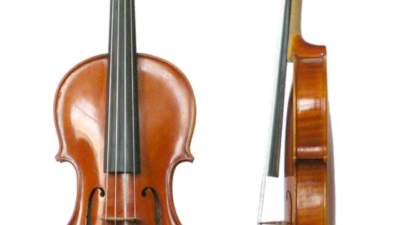
नौशाद की इस रचना में उनकी वह समझ दिखती है कि आनंद की ध्वनि खुशी से अलग होती है: आनंद तात्कालिक, निर्भीक, थोड़ा अपने आप पर हैरान। 'दिल में समा गए सजन' की धुन एक हल्केपन के साथ चलती है जिसकी इजाज़त नौशाद अपनी अधिक गंभीर शास्त्रीय रचनाओं में कम देते थे। बाँसुरी लता की आवाज़ के नीचे एक खिलंदड़ी प्रति-धुन बनाती है; तारें नाटकीय ज़ोर की बजाय एक उष्ण गद्दे का काम करती हैं। गीत लता के स्वर-सीमा के मध्य में है — न ऊँचाइयाँ, न गहराइयाँ, बल्कि वह मधुर केंद्र जहाँ उनकी आवाज़ सबसे नैसर्गिक रूप से अभिव्यंजक है।
अंग्रेज़ी में पढ़ें · Read in English
Naushad's composition here reflects his understanding of how joy sounds different from happiness: joy is immediate, unguarded, slightly surprised by itself. The melody of 'Dil Mein Sama Gaye Sajan' moves with a lightness that Naushad rarely permitted himself in his more austere classical compositions. The bansuri carries a playful counter-melody under Lata's voice; strings provide a warm cushion rather than dramatic emphasis. The song is in the medium register — not the heights of Lata's range but its sweet centre, where her voice is most naturally expressive. This choice was deliberate: Naushad understood that joy lives in the middle registers, in the chest, not in the throat.
काव्य The Poetry
शकील बदायूँनी अपने केंद्रीय रूपक के रूप में समाहित होने को चुनते हैं: प्रियतम ने केवल दिल और आँखों में प्रवेश नहीं किया, बल्कि 'समा गए' — उनमें घुल गए, उनका हिस्सा बन गए, जैसे कपड़े में पानी। 'सजन' शब्द पूरे गीत में पाँच-छह बार आता है — एक संरचनागत तरीका जो गीत को भावनात्मक उष्मा की क़ीमत पर बौद्धिक जटिल होने से रोकता है। 'बदल गई यह दुनिया' की टेक आंतरिक अनुभव को एक शारीरिक सत्य में उतारती है: प्रेम दुनिया के दिखने का तरीका बदल देता है।
अंग्रेज़ी में पढ़ें · Read in English
Shakeel Badayuni chooses absorption as his central metaphor: the beloved has not just entered the heart and eyes but 'sama gaye' — dissolved into them, become part of them, as water absorbs into cloth. The word 'sajan' (beloved) is used five or six times across the song — a structural device that prevents the lyric from becoming intellectually complex at the cost of emotional warmth. The refrain 'badal gayi yeh duniya' (this world has changed) grounds the inner experience in a physical truth: love literally changes how the world looks.
कहानी The Story
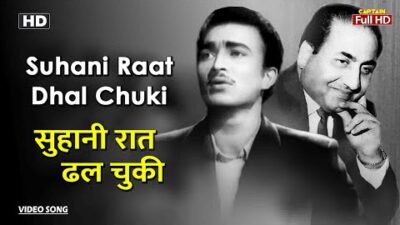
'दुलारी' (१९४९) के साउंडट्रैक की यह विशेषता है कि इसमें उस साल का सबसे प्रसिद्ध उदास पुरुष एकल ('सुहानी रात ढल चुकी', रफ़ी) और कुछ सबसे कोमल नारी रोमांटिक गीत एक साथ हैं। नौशाद ने कथित तौर पर कहा था कि दुलारी वह एल्बम था जहाँ उन्होंने पहली बार अपनी शैली पर पूर्ण अधिकार महसूस किया। शकील बदायूँनी, 'अंदाज़' के बाद नौशाद की दूसरी बड़ी फ़िल्म पर काम करते हुए, इस दौर तक असामान्य गति से बोल लिख रहे थे — किस्सों के अनुसार, इस गीत के बोल स्टूडियो में एक ही बैठक में लिखे गए।
अंग्रेज़ी में पढ़ें · Read in English
The Dulari (1949) soundtrack is notable for featuring both the year's most celebrated sad male solo ('Suhani Raat Dhal Chuki' by Rafi) and some of its most tender female romantic songs. Naushad reportedly said that Dulari was the album where he first felt total command of his own style — the Naushad sound, he believed, found its definitive expression between Ranjhan (1946) and Dulari (1949). Shakeel Badayuni, working on his second major Naushad film after Andaz, was by this stage completing lyrics with unusual speed — according to anecdotes, this song's lyric was written in a single sitting at the studio.
विरासत The Legacy
यह गीत इस बात का एक स्पष्ट प्रमाण है कि नौशाद-शकील-लता की तिकड़ी १९४० के दशक के अंत में हिंदी सिनेमा की सबसे उत्पादक सृजनात्मक शक्ति क्यों थी। हर तत्त्व ठीक वही करता है जो उसे करना चाहिए: शकील के बोल उष्म हैं पर मीठे नहीं, नौशाद की धुन सुन्दर है पर दिखावटी नहीं, और लता की आवाज़ दोनों को उस नैसर्गिकता के साथ उठाती है जो उसी के लिए होती है जिसने वह भावना जी हो। दुलारी एल्बम को लगातार 'महल' और 'बरसात' के साथ १९४९ के सुनहरे संगीत वर्ष के तीन स्तंभों में गिना जाता है।
अंग्रेज़ी में पढ़ें · Read in English
This song is one of the cleaner demonstrations of why the Naushad-Shakeel-Lata trinity was Hindi cinema's most productive creative force of the late 1940s. Each element does exactly what it should: Shakeel's verse is warm without being saccharine, Naushad's melody is beautiful without being showy, and Lata's voice carries both with the naturalness of someone who has lived the feeling. The Dulari album is consistently cited alongside Mahal and Barsaat as the three pillars of 1949's golden musical year. The song is included in retrospective compilations of Lata Mangeshkar's and Naushad's finest collaborative work.
वर्गीकरण
Classification- Tempo
- Medium
Genre
अन्य विवरण
More Details- Wikipedia: Dulari (1949 film) — https://en.wikipedia.org/wiki/Dulari_(1949_film)
- Wikipedia: Naushad — https://en.wikipedia.org/wiki/Naushad
- Filmcompanion: Top 100 Bollywood Albums #29 Dulari
- Songs of Yore: Best songs of 1949
References
रोचक तथ्य
Margin Notesदुलारी (1949) में 'सुहानी रात ढल चुकी' (रफ़ी) और कई लता एकल गीत दोनों शामिल थे — यह संयोजन इसे उस वर्ष के सबसे संपूर्ण साउंडट्रैकों में से एक बनाता है।
अंग्रेज़ी में पढ़ें · Read in English
Dulari (1949) featured both 'Suhani Raat Dhal Chuki' (Rafi) and multiple Lata solos — the combination made it one of the year's most complete soundtracks.
नौशाद ने दुलारी (1949) को उस एल्बम के रूप में माना जहाँ उनकी संगीत शैली अपने निश्चयात्मक रूप तक पहुँची।
अंग्रेज़ी में पढ़ें · Read in English
Naushad considered Dulari (1949) the album where his compositional style reached its definitive form.
शकील बदायूँनी नौशाद के लिए एक साथ अंदाज़ (1949) और दुलारी (1949) पर काम कर रहे थे — एक असाधारण रचनात्मक साझेदारी।
अंग्रेज़ी में पढ़ें · Read in English
Shakeel Badayuni was working simultaneously on Andaz (1949) and Dulari (1949) for Naushad — an extraordinary creative partnership.
दुलारी का साउंडट्रैक उस युग के संगीत समीक्षकों में 1949 के सर्वश्रेष्ठ एल्बम की उपाधि के लिए महल को टक्कर देता था।
अंग्रेज़ी में पढ़ें · Read in English
The Dulari soundtrack rivalled Mahal for the title of 1949's best album among music critics of the era.
नमूना-पट्टी
The Specimen Table| शीर्षक | दिल में समा गए सजन · Dil Mein Sama Gaye Sajan |
|---|---|
| फ़िल्म | दुलारी · 1949 |
| वर्ष · युग | 1949 — Golden Era |
| गायक | Lata Mangeshkar |
| गीतकार | Shakeel Badayuni |
| संगीतकार | Naushad |
| स्वरूप | एकल महिला |
| गति | मध्यम |
| भाषा | Urdu · Hindi |
| वाद्य | violin · tabla · harmonium · bansuri |
| भाव | आनंदित · पुरानी यादें · रोमांटिक |
| लोकप्रियता | Very_popular |
| बोल-स्थिति | केवल झलक |
जुड़े हुए पन्ने
Connected Plates · The Graph Made Visibleअटलस में कोई पन्ना अकेला नहीं — इस गीत से जुड़े गीत, कलाकार, फ़िल्म, राग-ताल-विधा, सब यहाँ से खुलते हैं।
मिलते-जुलते गीत · Related Songs
कलाकार · The Artists
फ़िल्म · The Film
युग · The Era
साझा कीजिए · Share this Plate
यह पन्ना आगे बढ़ाइए
दुलारी में नौशाद और शकील ने एक ही एल्बम में प्रतीक्षा-प्रेम की चाँदनी रात और मिले-हुए प्रेम की भोर दोनों दी।
In Dulari, Naushad and Shakeel gave us both the moon-dark of waiting love and the morning light of found love — in the same album.
— Songs of Yore retrospective on Naushad's 1949 output
सवाल-जवाब
Questions & Answersनौशाद ने १९४९ में कितने फ़िल्मों का संगीत दिया? · How many songs did Naushad compose in 1949?
नौशाद ने १९४९ में तीन बड़ी फ़िल्मों — अंदाज़, दुलारी और दिल्लगी — का संगीत दिया, सभी शकील बदायूँनी के साथ। एक ही साल में प्रशंसित साउंडट्रैक की यह हैट्रिक अभूतपूर्व थी।
Naushad composed music for three major films in 1949 — Andaz, Dulari, and Dillagi — all with Shakeel Badayuni as lyricist, creating an unprecedented hat-trick of acclaimed soundtracks in a single year.