गीत विंग · गीत-पट्टिका · Song Plate
यहाँ बदला वफ़ा का बेवफ़ाई की
Yahan Badla Wafa Ka Bewafa
जिस साल मुल्क बँटा, उसी साल नूर जहाँ ने बेवफ़ाई का ऐसा दर्द गाया जो करोड़ों दिलों की आवाज़ बन गया।
भावअविस्मरणीय · उदास · दार्शनिक
भाषाUrdu · Hindi गतिधीमी स्वरूपएकल महिला
श्रेय
The Creditsबोल · The Lyrics
बोल — झलक · Lyrics Preview
किसी ने की तो किसी ने पायी सज़ा
मुहब्बत रंग लाती है जहाँ में
यहाँ हर शम्मा जलती है फ़ना तक
Kisi ne ki to kisi ne payi saza
Mohabbat rang laati hai jahan mein
Yahan har shamma jalti hai fana tak
कॉपीराइट के कारण केवल झलक — पूरे बोल आधिकारिक मंचों पर।
शब्दकोश
Word Meaningsसूत्र-वाक्य · The Hook
सूत्र-वाक्य
जिस साल मुल्क बँटा, उसी साल नूर जहाँ ने बेवफ़ाई का ऐसा दर्द गाया जो करोड़ों दिलों की आवाज़ बन गया।
In EnglishThe year India was split in two, Noor Jehan sang about betrayal with such aching truth that the nation felt it in its bones.
पट्टिका-लेख
The Monographपरिचय Overview
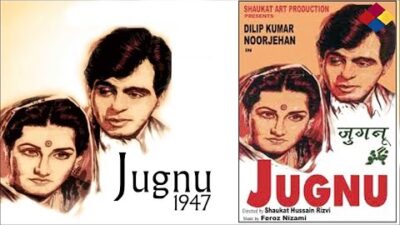
1947 में प्रदर्शित फ़िल्म 'जुगनू' का यह गीत — 'यहाँ बदला वफ़ा का बेवफ़ाई की' — उस दौर के सबसे मार्मिक गीतों में से एक है। शौकत हुसैन रिज़वी निर्देशित इस फ़िल्म में नूर जहाँ अपने भारतीय सिने-कैरियर के शिखर पर थीं, और इस गीत में उनकी आवाज़ एक ऐसी गहराई लेकर आती है जो राग भैरवी के माहौल में और भी गहरी हो जाती है। फ़ीरोज़ निज़ामी का संगीत, शकील बदायूँनी की उर्दू शायरी और सारंगी-बेला की करुण लहरें मिलकर एक ऐसा संसार रचती हैं जहाँ धोखे की दर्दनाक सच्चाई को दार्शनिक स्वीकृति में बदल दिया जाता है। विभाजन के उसी वर्ष रिलीज़ होने से इस गीत का दर्द और भी बहुस्तरीय हो गया।
अंग्रेज़ी में पढ़ें · Read in English
Released in 1947 from the blockbuster film Jugnu directed by Shaukat Hussain Rizvi, 'Yahan Badla Wafa Ka Bewafa' stands as one of the most haunting testimonies to the human cost of broken promises. Sung by Noor Jehan at the absolute peak of her Indian film career, with music composed by Firoz Nizami and lyrics by the young Shakeel Badayuni, the song moves in the slow swell of Raag Bhairavi — a raag classically associated with the parting of lovers. Recorded on HMV and accompanied by the keening of sarangi and layered violins, the song's quiet devastation earned it a near-legendary status in the subcontinent. Its release in the year of India's partition gave the theme of betrayal and loss an involuntary resonance that no composer could have scripted.
संगीत The Music
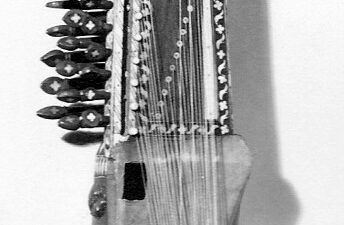
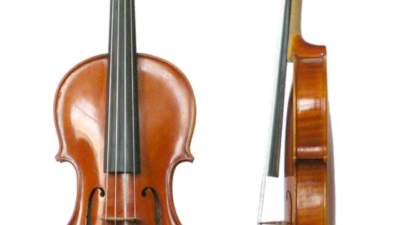
फ़ीरोज़ निज़ामी ने इस गीत की नींव राग भैरवी पर रखी — वह राग जो विदाई और समापन का प्रतीक है, जिसे शास्त्रीय संगीत में सूर्यास्त के समय गाया जाता है। धीमी कहरवा ताल की हल्की लय नूर जहाँ की आवाज़ को हर पंक्ति के बीच साँस लेने की जगह देती है। सारंगी उनकी आवाज़ के पीछे किसी दुखी साथी की तरह चलती रहती है, और बेला की परतें एक मद्धम ऊष्मा बनाए रखती हैं। पटियाला घराने में तालीम पाई नूर जहाँ हर पंक्ति को ख़याल गायिका की सावधानी से गाती हैं — ऊँचे सुर को थामकर, फिर धीरे-धीरे उसे दुःख की लहर में घुला देती हैं। संगीत में संयम ही इसकी सबसे बड़ी शक्ति है।
अंग्रेज़ी में पढ़ें · Read in English
Firoz Nizami built this song on the bedrock of Raag Bhairavi — the raag of endings and separations, traditionally sung at the close of a classical concert as the sun sets. The slow keherwa taal provides a gentle, swaying pulse that allows Noor Jehan's voice to breathe and expand between the syllables. The arrangement is orchestrated with a mournful sarangi that shadows her voice like a grief-stricken companion, while strings layer a subtle warmth beneath. What distinguishes the composition is its restraint — at no point does it swell into melodrama; instead it dwells in that dignified sadness which Bhairavi always evokes. Noor Jehan, trained in Patiala gharana classical music, treats every line with the care of a khyal singer, holding high notes with remarkable steadiness before letting them dissolve. The harmonia (harmonium) holds the root note while everything else floats above it in ascending waves of sorrow.
काव्य The Poetry
शकील बदायूँनी की शायरी दो स्तरों पर एक साथ काम करती है। सतह पर यह बेवफ़ाई का गिला है — जिसने वफ़ा की उसे सज़ा मिली, जिसने धोखा दिया वह बच निकला। लेकिन शकील इस निजी दर्द को दार्शनिक ऊँचाई पर ले जाते हैं — शम्मा और परवाने का रूपक उठाकर। शम्मा ख़ुद जलती है रोशनी देने को, परवाना जलता है शम्मा से मोहब्बत में — और दोनों इस जलने को प्रेम की नियति मानकर स्वीकार करते हैं। सूफ़ी दर्शन का 'फ़ना' का भाव बहुत गहरे बैठा है — मिट जाना ही सच्ची मोहब्बत है। उर्दू शब्द शास्त्रीय हैं, पर शकील की सबसे बड़ी ख़ूबी यही थी कि उन्होंने ऊँची शायरी को अंतरंग बना दिया।
अंग्रेज़ी में पढ़ें · Read in English
Shakeel Badayuni's lyric operates at two levels simultaneously. On the surface, it is a lament about betrayal — the lover who remained faithful was punished while the unfaithful escaped free. But Shakeel lifts this personal grievance into the philosophical by invoking the shamma-parwana (candle-moth) metaphor — the candle burns itself to give light, the moth burns itself for love of the candle, and in both cases the burning is accepted as the nature of love. The Sufi undercurrent of 'fana' (self-annihilation as the highest love) runs just beneath the surface, giving the song its unusual combination of bitterness and acceptance. The Urdu diction is classical but not obscure — Shakeel had the gift of making elevated poetry feel intimate.
कहानी The Story
जुगनू (1947) नूर जहाँ के पति शौकत हुसैन रिज़वी ने बनाई थी और यह 1947 की सबसे ज़्यादा कमाई करने वाली हिंदी फ़िल्म बनी। नूर जहाँ उस वक़्त अपने भारतीय करियर के शिखर पर थीं — पूरे उपमहाद्वीप में 'मलिका-ए-तरन्नुम' के लक़ब से जानी जाती थीं। फ़िल्म में दिलीप कुमार के साथ उनकी जोड़ी थी। यह गीत बंबई के स्टूडियो में 1947 की शुरुआत में रिकॉर्ड किया गया होगा। विडंबना यह है कि यह नूर जहाँ की भारतीय फ़िल्मों के लिए आख़िरी रिकॉर्डिंग्स में से एक निकली — अगस्त 1947 के विभाजन के बाद वे और उनके पति पाकिस्तान चली गईं। इस तरह गीत में दो ग़म एक साथ हैं — फ़िल्म का काल्पनिक बेवफ़ाई का दर्द, और उस गायिका की असली विदाई जो फिर कभी हिंदुस्तान नहीं लौटी।
अंग्रेज़ी में पढ़ें · Read in English
Jugnu (1947) was produced by Shaukat Hussain Rizvi, who was Noor Jehan's husband at the time, and it became the highest-grossing Hindi film of 1947. Noor Jehan was at the absolute zenith of her Indian career — celebrated across India and the subcontinent as 'Malika-e-Tarannum' (Queen of Melody). The film starred Dilip Kumar opposite Noor Jehan in a romantic drama of love and betrayal, and the song fit the film's emotional landscape perfectly. The recording was made in Bombay studios likely in early 1947. Tragically, this would be among Noor Jehan's final recordings for Indian films — the Partition of August 1947 meant that she and her husband would soon relocate to the newly created Pakistan, ending a golden chapter of Hindi cinema. The song thus carries a double grief: the fictional betrayal it depicts, and the very real farewell that awaited its singer.
विरासत The Legacy
नूर जहाँ पाकिस्तान जाकर पाँच और दशकों तक वहाँ की सबसे बड़ी गायिका रहीं, लेकिन उनके भारतीय दौर के रिकॉर्डिंग्स में यह गीत सबसे अधिक सुना और सराहा जाता है। यह ग़ज़ल गायकों की पीढ़ियों के लिए एक आदर्श प्रस्तुति रही है और शास्त्रीय भैरवी कार्यक्रमों में इसे मानक गीत माना जाता है। विभाजन-काल की हिंदी सिनेमा के इतिहास में इस गीत को उस भावनात्मक रूप से उथल-पुथल भरे वर्ष की परिभाषित रचना माना जाता है। लता मंगेशकर ने ख़ुद नूर जहाँ को अपनी प्रेरणा बताया, और इस जैसे गीत बताते हैं कि यह विरासत कितनी गहरी है। भैरवी की उदासी, शकील की दार्शनिक उर्दू शायरी और नूर जहाँ के बेजोड़ श्वास-नियंत्रण ने मिलकर एक ऐसी मिसाल क़ायम की जिसने अगले दो दशकों की धीमी रोमांटिक फ़िल्मी ग़ज़लों को आकार दिया।
अंग्रेज़ी में पढ़ें · Read in English
Noor Jehan went on to become the undisputed queen of Pakistani music for five more decades, but this song remains one of the most played of her Indian recordings. It has been covered and referenced by generations of Ghazal singers and is a standard in classical Bhairavi programs. The song is frequently cited in histories of partition-era Hindi cinema as one of the defining musical artefacts of that emotionally turbulent year. Lata Mangeshkar herself acknowledged Noor Jehan as her primary inspiration, and songs like 'Yahan Badla Wafa Ka Bewafa' show why that lineage runs so deep. The combination of Bhairavi's melancholy, Shakeel's philosophical Urdu poetry, and Noor Jehan's impeccable breath control created a template that shaped slow romantic film ghazals for the next two decades.
वर्गीकरण
Classification- Tempo
- Slow
Genre
अन्य विवरण
More Details- Hindi Film Geet Kosh (Har Mandir Singh 'Hamraaz') — Vol. 3, entries for Jugnu (1947)
- Wikipedia: Noor Jehan — https://en.wikipedia.org/wiki/Noor_Jehan
- Wikipedia: Jugnu (1947 film) — https://en.wikipedia.org/wiki/Jugnu_(1947_film)
- Wikipedia: Shakeel Badayuni — https://en.wikipedia.org/wiki/Shakeel_Badayuni
- Wikipedia: Firoz Nizami — https://en.wikipedia.org/wiki/Firoz_Nizami
References
रोचक तथ्य
Margin Notesजुगनू (1947) उस वर्ष की सबसे अधिक कमाई करने वाली हिंदी फिल्म थी, जिसने नूरजहाँ और दिलीप कुमार को उस युग की शीर्ष सितारा जोड़ी बना दिया।
अंग्रेज़ी में पढ़ें · Read in English
Jugnu (1947) was the highest-grossing Hindi film of the year, making Noor Jehan and Dilip Kumar the top star pair of the era.
विभाजन के बाद नूरजहाँ 1947 में भारत छोड़कर पाकिस्तान चली गईं — यह गीत भारतीय सिनेमा के लिए उनकी अंतिम रिकॉर्डिंग में से एक है।
अंग्रेज़ी में पढ़ें · Read in English
Noor Jehan left India for Pakistan in 1947 following Partition — this song is among her final recordings for Indian cinema.
संगीतकार फ़िरोज़ निज़ामी फिल्मी विलाप गीतों के लिए व्यवस्थित रूप से भैरवी का प्रयोग करने वाले शुरुआती संगीत निर्देशकों में से एक थे — एक ऐसा प्रारूप जिसे बाद में नौशाद और अन्य ने अपनाया।
अंग्रेज़ी में पढ़ें · Read in English
Firoz Nizami, the composer, was one of the first music directors to systematically use Bhairavi for film laments — a template later adopted by Naushad and others.
शकील बदायूँनी अपने बीसवें दशक के मध्य में थे जब उन्होंने यह गीत लिखा — यह उनकी शुरुआती प्रमुख फिल्मी रचनाओं में से एक था।
अंग्रेज़ी में पढ़ें · Read in English
Shakeel Badayuni was in his mid-twenties when he wrote this lyric — it was among his earliest major film compositions.
नूरजहाँ की आवाज़ पर पटियाला घराने का प्रभाव इस रिकॉर्डिंग में विशेष रूप से स्पष्ट है — गमक (अलंकरण) और मींड (स्वरों के बीच सरकन) की तकनीकें स्पष्ट रूप से शास्त्रीय हैं।
अंग्रेज़ी में पढ़ें · Read in English
The Patiala gharana influence on Noor Jehan's voice is particularly evident in this recording — the gamak (ornamentation) and meend (glide between notes) techniques are distinctly classical.
नमूना-पट्टी
The Specimen Table| शीर्षक | यहाँ बदला वफ़ा का बेवफ़ाई की · Yahan Badla Wafa Ka Bewafa |
|---|---|
| फ़िल्म | जुगनू · 1947 |
| वर्ष · युग | 1947 — Pre-Independence |
| गायक | Noor Jehan |
| गीतकार | Shakeel Badayuni |
| संगीतकार | Feroz Nizami |
| स्वरूप | एकल महिला |
| गति | धीमी |
| अवधि | 4:20 |
| भाषा | Urdu · Hindi |
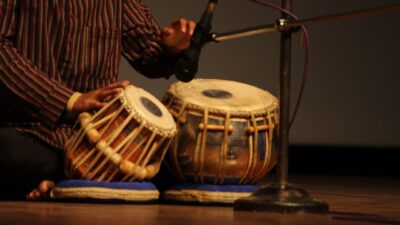
| वाद्य | sarangi · violin · harmonium · tabla |
| भाव | अविस्मरणीय · उदास · दार्शनिक |
| लोकप्रियता | Legendary |
| बोल-स्थिति | केवल झलक |
जुड़े हुए पन्ने
Connected Plates · The Graph Made Visibleअटलस में कोई पन्ना अकेला नहीं — इस गीत से जुड़े गीत, कलाकार, फ़िल्म, राग-ताल-विधा, सब यहाँ से खुलते हैं।
मिलते-जुलते गीत · Related Songs
कलाकार · The Artists
फ़िल्म · The Film
साझा कीजिए · Share this Plate
यह पन्ना आगे बढ़ाइए
उनकी आवाज़ आख़िरी मुग़ल मीनार थी — जो फिर कभी नहीं बनी।
Her voice was the last Mughal monument — it would not be rebuilt.
— Anonymous Urdu critic, Bombay 1948
सवाल-जवाब
Questions & Answers'यहाँ बदला वफ़ा का बेवफ़ाई की' किसने गाया? · Who sang 'Yahan Badla Wafa Ka Bewafa'?
यह गीत नूर जहाँ ने 1947 की फ़िल्म 'जुगनू' के लिए गाया था। इसे उनके भारतीय करियर की सर्वश्रेष्ठ रिकॉर्डिंग्स में गिना जाता है।
The song was sung by Noor Jehan for the 1947 film Jugnu. It is considered one of her finest recordings from her Indian film career.
'यहाँ बदला वफ़ा का बेवफ़ाई की' किस राग पर आधारित है? · What raag is 'Yahan Badla Wafa Ka Bewafa' based on?
यह गीत राग भैरवी पर आधारित है, जो शास्त्रीय संगीत में विदाई, समापन और उदासी का राग माना जाता है। बेवफ़ाई के इस गीत के लिए इससे बेहतर भावनात्मक माध्यम कोई नहीं हो सकता था।
The song is based on Raag Bhairavi, the classical raag traditionally associated with parting, endings, and melancholy — making it the perfect emotional vehicle for a song about betrayal.
नूर जहाँ ने 1947 के बाद भारतीय फ़िल्मों के लिए गाना क्यों बंद कर दिया? · Why did Noor Jehan stop singing for Indian films after 1947?
अगस्त 1947 के भारत-विभाजन के बाद नूर जहाँ अपने पति-निर्देशक शौकत हुसैन रिज़वी के साथ नए बने पाकिस्तान चली गईं। वहाँ वे पाकिस्तानी संगीत की रानी बनीं।
Following the Partition of India in August 1947, Noor Jehan and her husband-director Shaukat Hussain Rizvi moved to the newly created Pakistan. She went on to become the queen of Pakistani music.
'जुगनू' के गीत किसने लिखे? · Who wrote the lyrics of Jugnu songs?
'जुगनू' (1947) के गीत शकील बदायूँनी ने लिखे, जो हिंदी फ़िल्म इतिहास के महानतम उर्दू गीतकारों में से एक हैं। उस समय वे अपनी बिसात के बीसवें दशक में थे।
The lyrics of Jugnu (1947) were written by Shakeel Badayuni, one of the greatest Urdu lyricists in Hindi film history. He was in his mid-twenties at the time.
क्या 'यहाँ बदला वफ़ा का बेवफ़ाई की' स्ट्रीमिंग प्लेटफ़ॉर्म पर उपलब्ध है? · Is 'Yahan Badla Wafa Ka Bewafa' available on streaming platforms?
हाँ, यह गीत JioSaavn, Gaana और YouTube पर सारेगामा के आधिकारिक चैनल पर उपलब्ध है। ध्वनि रिकॉर्डिंग का कॉपीराइट 2007 में समाप्त हो गया, हालाँकि गीत का कॉपीराइट 2030 तक चलता है।
Yes, this song is available on JioSaavn, Gaana, and YouTube through Saregama's official channel. The sound recording copyright expired in 2007, though lyrics copyright continues until 2030.