आना मेरी जान मेरी जान सन्डे के सन्डे
Aana Meri Jaan Meri Jaan Sunday Ke Sunday
गीत विंग · गीत-पट्टिका · Song Plate
Mohabbat Kar Lo Ji Bhar Lo
जब ज़िंदगी रंगीन है और मुहब्बत मुमकिन — तो दिल क्यों रोके? नूर जहाँ और ज़ीनत बेगम की इस जोड़ी ने इस सवाल का जवाब ऐसे दिया कि दिल झूम उठा।
भावउत्सव · चुलबुला · रोमांटिक
भाषाUrdu · Hindi गतिमध्यम स्वरूपमहिला युगल
बोल · The Lyrics
कॉपीराइट के कारण केवल झलक — पूरे बोल आधिकारिक मंचों पर।
सूत्र-वाक्य · The Hook
जब ज़िंदगी रंगीन है और मुहब्बत मुमकिन — तो दिल क्यों रोके? नूर जहाँ और ज़ीनत बेगम की इस जोड़ी ने इस सवाल का जवाब ऐसे दिया कि दिल झूम उठा।
In EnglishWhen life is colourful and love is possible, why hold back? Noor Jehan and Zeenat Begum make the case with irresistible joy.
जुगनू (1947) के उदास गीतों के बीच 'मुहब्बत कर लो जी भर लो' एक उज्जवल अपवाद था — नूर जहाँ और ज़ीनत बेगम की आवाज़ों में गाया गया एक उत्सवी नारी-युगल गीत। फ़ीरोज़ निज़ामी ने इसे राग खमाज की मीठी छाया में दादरे की लय पर सजाया। शकील बदायूँनी के बोल मुहब्बत को पूरे मन से गले लगाने की दावत देते हैं — जब दुनिया हसीन है तो ज़िंदगी को रंग-बेरंग क्यों जीएँ? HMV पर रिलीज़ यह गीत उत्सव-समारोहों में लोकप्रिय हुआ और जुगनू को उस वर्ष की सबसे सफल फ़िल्म बनाने में योगदान दिया।
A radiant counterpoint to the melancholic songs of Jugnu (1947), 'Mohabbat Kar Lo Ji Bhar Lo' was a celebratory female duet sung by Noor Jehan and Zeenat Begum, set to Firoz Nizami's swinging dadra-based composition in the romantic Raag Khamaj. Written by Shakeel Badayuni, the song functions as a joyful philosophy of love — an invitation to embrace romance wholeheartedly while life is beautiful and the world is kind. The contrast between this song and the film's darker laments gave Jugnu its emotional range. Released on HMV, the song was popular at festive gatherings and is one of the reasons Jugnu (1947) became the year's top-grossing film.
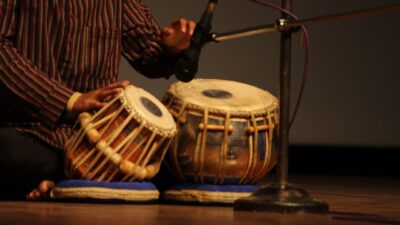
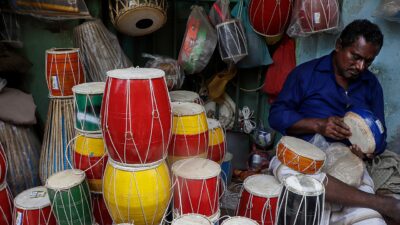
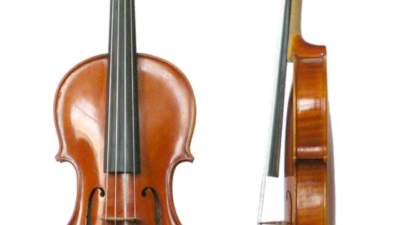
फ़ीरोज़ निज़ामी ने इस युगल गीत को राग खमाज में पिरोया — हिंदुस्तानी संगीत के सबसे स्वाभाविक रूप से रोमांटिक रागों में से एक, जो बिलावल थाट का है और वसंत-प्रेम के भाव से जुड़ा है। छह-मात्रा की दादरा ताल गीत को एक हल्की झूम देती है। वाद्ययंत्रों में ढोलक की प्रमुखता उत्सव का तुरंत एहसास देती है। नूर जहाँ की चमकदार आवाज़ खमाज के लिए एकदम सटीक है और ज़ीनत बेगम की थोड़ी गहरी आवाज़ के साथ मिलकर एक सुखद युगल बनती है।
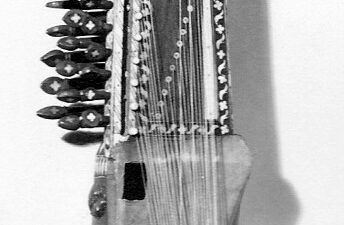
Firoz Nizami set this duet in Raag Khamaj — one of the most naturally romantic raags in the Hindustani tradition, belonging to the Bilawal thaat and associated with the mood of spring love. The dadra taal (six-beat cycle) gives the song a gentle swing, almost like a gentle sway of celebration. The arrangement features dholak prominently — a folk percussion instrument that instantly signals festivity — alongside the sarangi and harmonium. Noor Jehan's natural voice had a bright upper-middle resonance that suits Khamaj perfectly, and Zeenat Begum's slightly lower timbre creates a pleasing interplay. The composition is tuneful and accessible, evidence of Firoz Nizami's skill at bridging classical and popular sensibilities.
शकील बदायूँनी की यहाँ की शायरी उनके अधिक दार्शनिक काम से जानबूझकर हल्की है — पर कम कुशल नहीं। पहली पंक्ति 'मुहब्बत कर लो जी भर लो' सीधेपन की मिसाल है — पाँच शब्दों में एक पूरा दर्शन। 'जी भर लो' यानी सिर्फ़ थोड़ा-सा नहीं, बल्कि मन-भरकर। आगे की पंक्तियाँ दुनिया को हसीन और मेहरबान बताती हैं — जो इस दावत को और ज़रूरी बना देती है। उर्दू शब्दावली इतनी सरल है कि यह गीत हर वर्ग और शिक्षा-स्तर को समान रूप से छूता है।
Shakeel Badayuni's lyric here is deliberately lighter than his more philosophical work — but no less skillful. The opening line 'Mohabbat kar lo ji bhar lo' is a masterpiece of directness: five words that contain an entire philosophy. The word 'ji bhar lo' (fill your heart/soul) implies not timid, measured love but love in its fullest, most ungrudging form. The subsequent lines paint the world as beautiful and kind — a temporary vision of paradise that makes the invitation all the more urgent. The Urdu vocabulary is accessible, using common words that any listener would understand, which is why the song crossed class and education boundaries effortlessly.
नूर जहाँ के पति और निर्माता शौकत हुसैन रिज़वी ने जुगनू के गीतों को बड़ी समझदारी से सजाया था — उदास और उत्सवी, धीमे और मध्यम गतिवाले गीत बारी-बारी से। 'मुहब्बत कर लो जी भर लो' फ़िल्म के अधिक गंभीर गीतों के उत्सवी समतुल्य के रूप में काम करता है। ज़ीनत बेगम आज उतनी प्रसिद्ध नहीं हैं, लेकिन वे 1940 के दशक के बंबई फ़िल्म उद्योग में एक लोकप्रिय पार्श्व-गायिका थीं।
Noor Jehan's husband and producer, Shaukat Hussain Rizvi, carefully structured Jugnu's soundtrack to give it emotional variety — alternating between laments and celebrations, slow and medium-tempo songs. 'Mohabbat Kar Lo Ji Bhar Lo' served as the film's festive counterweight to darker numbers. Zeenat Begum, though less famous today, was a popular playback singer of the 1940s Bombay film industry who frequently sang supporting roles or ensemble pieces alongside bigger names. Both singers recorded at the Saraswati Cine Tone or New Theatres-style Bombay studios of the era, with live orchestras.
नूर जहाँ के करुण गीतों जितना श्रेष्ठ न होते हुए भी, 'मुहब्बत कर लो जी भर लो' 1940 के दशक की उल्लासमय उत्सव-शैली का एक आकर्षक नमूना है। रेट्रो हिंदी संगीत कार्यक्रमों में यह नियमित रूप से बजता है। गीत का दर्शन — पूरे दिल से प्यार करो — ने इसे विभाजन-काल के भारत पर बनी डॉक्यूमेंट्री और फ़िल्मों में व्यंग्यात्मक कंट्रास्ट के रूप में बार-बार इस्तेमाल करवाया।
While not as transcendent as Noor Jehan's laments, 'Mohabbat Kar Lo Ji Bhar Lo' endures as a charming example of the ebullient festive song style of the 1940s. It is played at retro Hindi music programs and is one of the songs that defines the sound of 1947 Bollywood. The song's philosophy — love fully, love freely — has made it a recurrent choice for period films and documentaries about partition-era India, where it provides ironic contrast to the tragedy about to unfold.
जुगनू (1947) का साउंडट्रैक उस समय के सबसे विविध साउंडट्रैकों में से एक था — भैरवी के विलापों और खमाज के उत्सवों के बीच झूलता हुआ, जो दर्शकों को भावनात्मक विविधता प्रदान करता था।
Jugnu (1947) had one of the most varied soundtracks of its time — alternating between Bhairavi laments and Khamaj celebrations, giving audiences emotional range.
ज़ीनत बेगम, हालाँकि अक्सर छाया में रहीं, 1940 के दशक के शुरुआती वर्षों में बंबई पार्श्वगायन में उल्लेखनीय उपस्थिति रखती थीं और नूरजहाँ की कई फिल्मों में दिखाई देती हैं।
Zeenat Begum, though often overshadowed, had a notable run in Bombay playback throughout the early 1940s and appears in several Noor Jehan films.
इस गीत में प्रयुक्त दादरा ताल उस युग के उत्सवी गीतों के लिए एक सामान्य चुनाव थी क्योंकि इसका छह-मात्रा चक्र एक स्वाभाविक, लहराता उत्सवी भाव रचता है।
The dadra taal used in this song was a common choice for celebratory songs of the era because its six-beat cycle creates a natural, swaying festivity.
राग खमाज को परंपरागत रूप से एक 'संधि-प्रकाश' राग (सांध्यकालीन राग) माना जाता है, परंतु इसके रोमांटिक जुड़ावों ने इसे फिल्मों में संध्या के प्रेमगीतों के लिए लोकप्रिय बना दिया।
Raag Khamaj is traditionally considered a 'sandhi-prakash' raag (twilight raag) but its romantic associations made it popular for evening love songs in films.
| शीर्षक | मुहब्बत कर लो जी भर लो · Mohabbat Kar Lo Ji Bhar Lo |
|---|---|
| फ़िल्म | जुगनू · 1947 |
| वर्ष · युग | 1947 — Pre-Independence |
| गायक | Noor Jehan, Zeenat Begum |
| गीतकार | Shakeel Badayuni |
| संगीतकार | Feroz Nizami |
| स्वरूप | महिला युगल |
| गति | मध्यम |
| अवधि | 3:45 |
| भाषा | Urdu · Hindi |
| वाद्य | harmonium · tabla · dholak · sarangi · violin |
| भाव | उत्सव · चुलबुला · रोमांटिक |
| लोकप्रियता | Very_popular |
| बोल-स्थिति | केवल झलक |
अटलस में कोई पन्ना अकेला नहीं — इस गीत से जुड़े गीत, कलाकार, फ़िल्म, राग-ताल-विधा, सब यहाँ से खुलते हैं।
साझा कीजिए · Share this Plate
मुहब्बत कर लो जी भर लो — शकील के पाँच शब्दों में एक पूरी ज़िंदगी का फ़लसफ़ा।
Love fully, love freely — five words from Shakeel Badayuni that contain a lifetime's wisdom.
— HindiGeet.in editorial
इसका अर्थ है 'पूरे दिल से मुहब्बत करो — मन भरकर।' 'जी भर लो' का मतलब है आत्मा को पूरी तरह भर लेना — बिना किसी संकोच के प्यार करना।
It means 'Love with all your heart — love to your fill.' The phrase 'ji bhar lo' means to fill one's soul completely, implying love without reservation or hesitation.
हाँ — जुगनू (1947) उस वर्ष की सबसे ज़्यादा कमाई वाली हिंदी फ़िल्म थी। शौकत हुसैन रिज़वी द्वारा निर्मित, नूर जहाँ और दिलीप कुमार के साथ, यह एक जबरदस्त व्यावसायिक और संगीत सफलता थी।
Yes — Jugnu (1947) was the highest-grossing Hindi film of 1947. Produced by Shaukat Hussain Rizvi with Noor Jehan and Dilip Kumar in lead roles, it was a massive commercial and musical success.