गीत विंग · गीत-पट्टिका · Song Plate
आना मेरी जान मेरी जान सन्डे के सन्डे
Aana Meri Jaan Meri Jaan Sunday Ke Sunday
जब नूर जहाँ ने माँगा कि महबूब हर सन्डे आए, तो उन्होंने एक हफ़्ते के दिन को मुहब्बत का फ़लसफ़ा बना दिया।
भावउत्सव · चुलबुला · रोमांटिक
भाषाHindi · Urdu गतिMedium-Fast स्वरूपयुगल
श्रेय
The Creditsबोल · The Lyrics
बोल — झलक · Lyrics Preview
आना मेरी जान सन्डे के सन्डे
हफ़्ते में एक बार तो आया करो
ज़िन्दगी में रंग तो लाया करो
Aana meri jaan Sunday ke Sunday
Hafte mein ek baar to aaya karo
Zindagi mein rang to laaya karo
कॉपीराइट के कारण केवल झलक — पूरे बोल आधिकारिक मंचों पर।
शब्दकोश
Word Meaningsसूत्र-वाक्य · The Hook
सूत्र-वाक्य
जब नूर जहाँ ने माँगा कि महबूब हर सन्डे आए, तो उन्होंने एक हफ़्ते के दिन को मुहब्बत का फ़लसफ़ा बना दिया।
In EnglishWhen Noor Jehan demanded that her lover visit every Sunday, she turned a weekday into a philosophy of love.
पट्टिका-लेख
The Monographपरिचय Overview
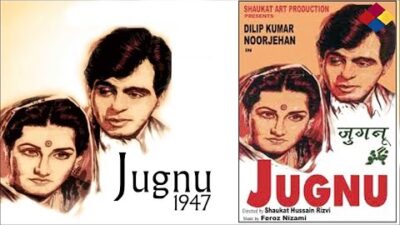
जुगनू (1947) के दार्शनिक और करुण गीतों के बीच 'आना मेरी जान सन्डे के सन्डे' एक चमकता हुआ अपवाद था — नूर जहाँ और हास्य अभिनेता श्याम कुमार का एक उल्लासमय युगल गीत, जिसे फ़ीरोज़ निज़ामी ने राग खमाज में दादरा की लय पर बुना। शकील बदायूँनी ने अंग्रेज़ी शब्द 'सन्डे' को एक हिंदी फ़िल्मी गीत के मुखड़े में बदल दिया — कुछ ऐसा जो एक साथ शहरी और चिरकालिक था। गीत की तुक — एक औरत की माँग कि महबूब हफ़्ते में कम से कम एक बार आए — में वो घरेलू और ज़मीनी चुलबुलापन है जिसने 1940 के दशक के हिंदी सिनेमा को इतना प्रिय बनाया। HMV पर रिलीज़ यह गीत उस साल की सबसे बड़ी फ़िल्म के साउंडट्रैक का उल्लासमय और शरारती चेहरा था।
अंग्रेज़ी में पढ़ें · Read in English
The sparkling counterpoint to Jugnu's (1947) philosophical and melancholic songs, 'Aana Meri Jaan Sunday Ke Sunday' was the film's comic-romantic highlight — a duet between Noor Jehan and comedian-hero Shyam Kumar set to Feroze Nizami's swinging Dadra in Raag Khamaj. Shakeel Badayuni turned the very modern English word 'Sunday' into the refrain of a classic Hindi film song, creating something both urban and timeless. The song's premise — a woman insisting her beloved visit at least once a week — sparkles with the kind of earthy, domestic wit that made 1940s Hindi popular cinema so beloved. Released on HMV as part of one of 1947's highest-grossing soundtracks, this song is the joyful, irreverent face of Noor Jehan's final Bombay season.
संगीत The Music
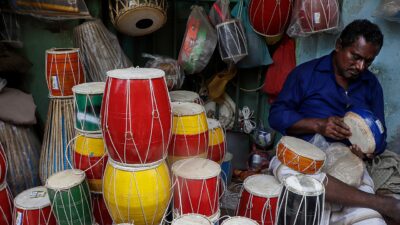
फ़ीरोज़ निज़ामी ने इस युगल को राग खमाज में बाँधा — हिंदुस्तानी संगीत के सबसे स्वाभाविक रूप से उत्सवी रागों में से एक, जिसका कोमल निषाद हर धुन को हल्की झूम और गर्मजोशी देता है। छह-मात्रा का दादरा इस 'हफ़्तेवारी मुलाकात' वाले गीत के लिए एकदम सटीक ताल है। ढोलक — जो उत्सव और समुदाय का वाद्य है — यहाँ सबसे आगे है। नूर जहाँ की चुलबुली आवाज़ ने इस गीत में अपनी हास्य-संगीतात्मकता का दुर्लभ प्रदर्शन किया।
अंग्रेज़ी में पढ़ें · Read in English
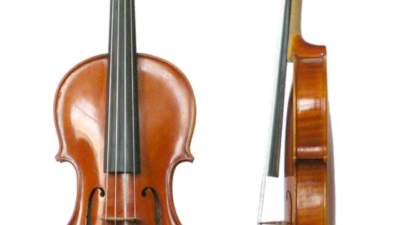
Feroze Nizami set this duet squarely in Raag Khamaj — the most naturally festive and romantic of the common Hindustani raags, with its flattened seventh that gives any song a slight swing and warmth. The Dadra taal (six-beat cycle) provides the perfect gentle sway for a song about regular courtship. The arrangement is deliberately folk-meets-film: dholak takes the rhythmic lead (signalling celebration and community), with harmonium and violin providing a bright melodic cushion. Noor Jehan's voice in the playful registers was famously full of tease and brightness, and this song gave her the rare opportunity in Jugnu to display her comic musicality. The male voice (likely Shyam Kumar's playback) provides a light, somewhat helpless counterpoint — the hapless beloved being cheerfully commanded.
काव्य The Poetry
शकील बदायूँनी, जो अपने दार्शनिक उर्दू शेरों के लिए मशहूर थे, यहाँ अपनी दूसरी कला दिखाते हैं — सरल, निर्मल ख़ुशी के बोल लिखने की। 'आना मेरी जान सन्डे के सन्डे' की अचानक नई बात यह है कि 'सन्डे' — एक अंग्रेज़ी शब्द — हिंदुस्तानी गीत के मुखड़े में घुल-मिल गया। 1947 में 'सन्डे' औपनिवेशिक कैलेंडर की साप्ताहिक छुट्टी थी, जो शहरी भारत में अब-अब स्वीकृत हुई थी। इसे रोमांटिक टेक के रूप में इस्तेमाल करना एक छोटा-सा सांस्कृतिक मेल था — नए आज़ाद भारत की भाषा आधुनिक कैलेंडर को अपनी प्रेम-कविता में समाहित कर रही थी।
अंग्रेज़ी में पढ़ें · Read in English
Shakeel Badayuni, famous for his philosophical Urdu verse, here demonstrated his other skill: the ability to write lyrics of irresistible, uncomplicated joy. The genius of 'Aana Meri Jaan Sunday Ke Sunday' lies in its central conceit — the English word 'Sunday' embedded in flowing Hindustani verse. In 1947, 'Sunday' was the colonial calendar's weekly holiday, recently adopted in urban India. Using it as the romantic refrain was a small act of cultural synthesis: the language of the new, independent India absorbing the modern calendar into its love poetry. 'Zindagi mein rang to laaya karo' (bring colour to life) is simple but has the buoyancy of a song that knows exactly what it is doing.
कहानी The Story
शौकत हुसैन रिज़वी ने जुगनू के साउंडट्रैक को भावनात्मक रूप से संपूर्ण बनाया — गहरे रोने से लेकर उत्सवी छेड़छाड़ तक। 'आना मेरी जान सन्डे के सन्डे' फ़िल्म का हास्य-रोमांटिक 'प्रेशर रिलीज़ वाल्व' था। श्याम कुमार प्रशिक्षित गायक नहीं थे, इसलिए उनके स्वर की जगह कोई पार्श्व गायक था — लेकिन गीत का केंद्र नूर जहाँ की आवाज़ थी। यह गीत संभवतः एक सत्र में ही रिकॉर्ड किया गया था, जैसा सरल लोक-शैली के गीतों के लिए उस दौर में आम था। 1947 में बंबई के संगीत कार्यक्रमों में यह जुगनू के सबसे अधिक बजाए जाने वाले गीतों में से एक था।
अंग्रेज़ी में पढ़ें · Read in English
Shaukat Hussain Rizvi crafted Jugnu's soundtrack to be emotionally comprehensive — from the darkest lament to the most ebullient flirtation. 'Aana Meri Jaan Sunday Ke Sunday' served as the film's comic-romantic release valve. The comedian-actor Shyam Kumar (who played the 'Shyam' character) was not a trained singer, so his vocal parts would have been handled by a playback singer, though Noor Jehan's voice is the song's centre of gravity. The song was reportedly recorded in a single session, as was common for simpler, folk-inflected numbers that did not require complex orchestral arrangements. It became one of the most-played songs from Jugnu at 1947 music programmes in Bombay.
विरासत The Legacy
गीत में 'सन्डे' का रोमांटिक संदर्भ हिंदी फ़िल्म संगीत के भाषाई इतिहास में एक छोटा लेकिन महत्वपूर्ण क्षण है — हिंदी, उर्दू और अंग्रेज़ी के उस आसान मेल की शुरुआत जो आने वाले दशकों में हिंदी सिनेमा की भाषा की पहचान बनेगा। पुराने बॉलीवुड के 'मस्ती भरे गीतों' के संकलनों में यह नियमित रूप से शामिल होता है और नूर जहाँ के चुलबुले व्यक्तित्व को जीवित रखने वाले गीतों में से एक है। इसकी भावना — रोने के बजाय चुलबुली ज़िद से प्यार का इज़हार — अपने समय से आगे की थी।
अंग्रेज़ी में पढ़ें · Read in English
The song's use of 'Sunday' as a romantic touchstone is a small but significant moment in the linguistic history of Hindi film music — the beginning of that easy synthesis between Hindi, Urdu and English that would characterise the language of Hindi cinema across the following decades. The song is regularly featured in compilations of 'fun songs of old Bollywood' and is one of the tracks that keeps Noor Jehan's playful persona alive in cultural memory. Its spirit — love expressed through cheerful insistence rather than lament — was ahead of its time and anticipates the breezy 1950s romantic comedies of the Dev Anand–Shammi Kapoor era.
वर्गीकरण
Classification- Tempo
- Medium-Fast
Genre
अन्य विवरण
More Details- Hindi Film Geet Kosh — Vol. 3, entries for Jugnu (1947)
- Wikipedia: Noor Jehan — https://en.wikipedia.org/wiki/Noor_Jehan_(singer)
- Wikipedia: Jugnu (1947 film) — https://en.wikipedia.org/wiki/Jugnu_(1947_film)
- Wikipedia: Shakeel Badayuni — https://en.wikipedia.org/wiki/Shakeel_Badayuni
References
रोचक तथ्य
Margin Notesइस 1947 की हिंदी फिल्मी गीत में अंग्रेज़ी शब्द 'संडे' का प्रयोग भारतीय लोकप्रिय संगीत में आकस्मिक अंग्रेज़ी-हिंदी भाषा मिश्रण के शुरुआती उदाहरणों में से एक है।
अंग्रेज़ी में पढ़ें · Read in English
The use of the English word 'Sunday' in this 1947 Hindi film song is one of the earliest examples of casual English-Hindi linguistic mixing in Indian popular music.
दादरा ताल (छह-मात्रा चक्र) 1940 के दशक के हिंदी सिनेमा में उत्सवी और लोक-रंजित गीतों के लिए पसंदीदा चुनाव थी क्योंकि इसकी सौम्य लय एक स्वाभाविक नृत्य-सी गुणवत्ता उत्पन्न करती थी।
अंग्रेज़ी में पढ़ें · Read in English
The Dadra taal (6-beat cycle) was a preferred choice for festive and folk-flavoured songs in 1940s Hindi cinema because its gentle swing created a natural dance-like quality.
यहाँ प्रयुक्त राग खमाज को हिंदुस्तानी संगीत के सबसे स्वाभाविक रूप से रोमांटिक रागों में से एक माना जाता है और यह हिंदी फिल्मों में संध्या तथा उत्सवी गीतों के लिए विशेष रूप से लोकप्रिय था।
अंग्रेज़ी में पढ़ें · Read in English
Raag Khamaj, used here, is considered one of the most naturally romantic raags in Hindustani music and was particularly popular for evening and festive songs in Hindi films.
जुगनू (1947) उस वर्ष की सबसे अधिक कमाई करने वाली हिंदी फिल्म थी, जिसका अर्थ था कि इसके संपूर्ण साउंडट्रैक — जिसमें यह चंचल गीत भी शामिल है — को रेडियो और लाइव प्रदर्शनों में व्यापक कवरेज मिली।
अंग्रेज़ी में पढ़ें · Read in English
Jugnu (1947) was the highest-grossing Hindi film of its year, which meant its entire soundtrack — including this playful number — received wide radio and live-performance coverage.
श्याम कुमार (श्याम), जो दृश्य में पुरुष आवाज़ प्रदान करने वाले चरित्र की भूमिका में हैं, 1940 के दशक के हिंदी सिनेमा के लोकप्रिय हास्य-अभिनेताओं में से एक थे, हालाँकि उनका पार्श्वगायन किसी पेशेवर गायक द्वारा किया गया होगा।
अंग्रेज़ी में पढ़ें · Read in English
Shyam Kumar (Shyam), who plays the character providing the male voice in the scene, was one of the popular comedian-actors of 1940s Hindi cinema, though his playback would have been provided by a professional singer.
नमूना-पट्टी
The Specimen Table| शीर्षक | आना मेरी जान मेरी जान सन्डे के सन्डे · Aana Meri Jaan Meri Jaan Sunday Ke Sunday |
|---|---|
| फ़िल्म | जुगनू · 1947 |
| वर्ष · युग | 1947 — Pre-Independence |
| गायक | Noor Jehan, Shyam Kumar |
| गीतकार | Shakeel Badayuni |
| संगीतकार | Feroz Nizami |
| स्वरूप | युगल |
| गति | Medium-Fast |
| भाषा | Hindi · Urdu |
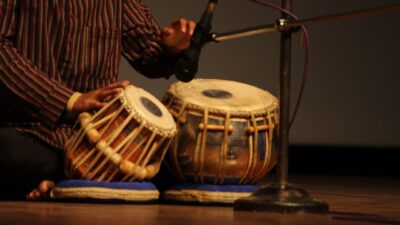
| वाद्य | dholak · harmonium · tabla · violin |
| भाव | उत्सव · चुलबुला · रोमांटिक |
| लोकप्रियता | Known |
| बोल-स्थिति | केवल झलक |
जुड़े हुए पन्ने
Connected Plates · The Graph Made Visibleअटलस में कोई पन्ना अकेला नहीं — इस गीत से जुड़े गीत, कलाकार, फ़िल्म, राग-ताल-विधा, सब यहाँ से खुलते हैं।
मिलते-जुलते गीत · Related Songs
कलाकार · The Artists
फ़िल्म · The Film
साझा कीजिए · Share this Plate
यह पन्ना आगे बढ़ाइए
1947 के बंबई में नूर जहाँ का 'सन्डे' वाला गीत — मुहब्बत अपने सबसे चुलबुले और सबसे इंसानी रूप में।
Noor Jehan singing about Sundays in 1947 Bombay — love in its most cheerfully demanding, most human form.
— HindiGeet.in editorial
सवाल-जवाब
Questions & Answers'आना मेरी जान सन्डे के सन्डे' किसने गाया? · Who sang 'Aana Meri Jaan Sunday Ke Sunday'?
यह गीत जुगनू (1947) के लिए नूर जहाँ ने गाया था। यह एक युगल गीत है जिसमें नूर जहाँ की आवाज़ मुख्य है, और हास्य अभिनेता श्याम कुमार के किरदार के लिए एक पार्श्व गायक।
The song was sung by Noor Jehan for the film Jugnu (1947). It is a duet where Noor Jehan's voice is the primary and most recognisable element, with a male playback voice for the comedian-actor Shyam Kumar's character.
इस 1947 के गीत में अंग्रेज़ी शब्द 'सन्डे' क्यों है? · Why does this 1947 song use the English word 'Sunday'?
1947 तक 'सन्डे' ब्रिटिश शासन की साप्ताहिक छुट्टी के रूप में शहरी भारतीय जीवन में घुल चुका था। शकील बदायूँनी ने इसे रोमांटिक टेक के रूप में इस्तेमाल कर उस दौर के सांस्कृतिक मेल को दर्शाया — आधुनिक अंग्रेज़ी अवधारणाएँ हिंदी-उर्दू फ़िल्मी शायरी में स्वाभाविक रूप से घुलती जा रही थीं।
By 1947, 'Sunday' as a weekly holiday had become part of urban Indian calendar culture under British administration. Lyricist Shakeel Badayuni's use of 'Sunday' as a romantic refrain reflects the easy cultural synthesis of the era — modern English concepts absorbed naturally into Hindi-Urdu film poetry.
हिंदी फ़िल्म इतिहास में जुगनू (1947) का क्या महत्व है? · What is the significance of Jugnu (1947) in Hindi film history?
जुगनू (1947) उस साल की सबसे अधिक कमाई करने वाली हिंदी फ़िल्म थी और विभाजन से पहले नूर जहाँ की आखिरी प्रमुख हिंदी फ़िल्म। 1947 के बाद वे पाकिस्तान चली गईं, जिससे जुगनू हिंदी सिनेमा को उनकी विदाई-भेंट बन गई।
Jugnu (1947) was the highest-grossing Hindi film of its year and Noor Jehan's last major Hindi film before Partition. After 1947 she moved to Pakistan, making Jugnu her valedictory statement to Hindi cinema — a film that captured her full artistic range, from lament to joy.