गीत विंग · गीत-पट्टिका · Song Plate
मुझे दर्द-ए-दिल का पता न था
Mujhe Dard-e-Dil Ka Pata Na Tha
सुरैया की आवाज़ में वह दिल का दर्द जो तब पता चला जब दिल पहले ही टूट चुका था।
भावउदास · पुरानी यादें · दार्शनिक
भाषाUrdu · Hindi गतिधीमी स्वरूपएकल महिला
श्रेय
The Creditsबोल · The Lyrics
बोल — झलक · Lyrics Preview
मुझे इश्क़ की कोई धुन न थी
मेरा दिल था ख़ाली जहाँ से मैं
तेरी याद में खोई सी रही
Mujhe ishq ki koi dhun na thi
Mera dil tha khaali jahan se main
Teri yaad mein khoi si rahi
कॉपीराइट के कारण केवल झलक — पूरे बोल आधिकारिक मंचों पर।
शब्दकोश
Word Meaningsसूत्र-वाक्य · The Hook
सूत्र-वाक्य
सुरैया की आवाज़ में वह दिल का दर्द जो तब पता चला जब दिल पहले ही टूट चुका था।
In EnglishSuraiya sings of a heart that didn't know it was falling — until the fall had already happened.
पट्टिका-लेख
The Monographपरिचय Overview
A.R. करदार निर्देशित फ़िल्म 'दर्द' (1947) के यादगार संगीत से यह गीत — 'मुझे दर्द-ए-दिल का पता न था' — नौशाद की राग यमन पर आधारित शास्त्रीय-लोकप्रिय संगीत-शैली का एक सुंदर उदाहरण है। उस समय मात्र उन्नीस वर्षीया सुरैया — जो एक साथ हिंदी सिनेमा की प्रमुख अभिनेत्री और पार्श्व-गायिका थीं — की आवाज़ में शकील बदायूँनी के बोल दिल का दर्द महसूस कराते हैं। 'दर्द' का शीर्षक ही भावनात्मक संदर्भ बता देता है, और नौशाद ने पूरा संगीत तड़प और विरह की विविध छटाओं के इर्द-गिर्द बुना। HMV पर रिलीज़ 'दर्द' के गीत 1947 के सबसे चर्चित गीतों में से थे।
अंग्रेज़ी में पढ़ें · Read in English
From the memorable soundtrack of Dard (1947), directed by A.R. Kardar, 'Mujhe Dard-e-Dil Ka Pata Na Tha' showcases Naushad's evolving mastery of classical-inflected film composition in the romantic melancholy of Raag Yaman. Sung by the nineteen-year-old Suraiya — who was simultaneously one of Hindi cinema's leading actresses and playback singers — with lyrics by Shakeel Badayuni, the song is a delicate meditation on the discovery of heartache. The film's very title ('Dard' means pain) sets the emotional context, and Naushad shaped the entire soundtrack around shades of longing and loss. Released on HMV, the songs of Dard were among the most discussed of 1947.
संगीत The Music
नौशाद ने इस गीत को राग यमन पर गढ़ा — संध्या का वह राग जिसमें तीव्र मध्यम (Ma#) की विशेषता है और जो गोधूलि की मीठी उदासी और तड़प का राग माना जाता है। इस दौर में नौशाद अपनी विशिष्ट शैली विकसित कर रहे थे — शास्त्रीय राग को फ़िल्मी गीत में इस तरह ढालना कि वह शास्त्रीय लगे पर दूरी न बनाए। धीमी कहरवा ताल याद की लहरों जैसी हिलती-डुलती है। बेला-समूह — 1940 के दशक में नौशाद का ख़ास औज़ार — सुरैया की आवाज़ के इर्द-गिर्द रेशम-सी बनावट बुनता है। सुरैया की उन्नीस साल की उम्र की आवाज़ में एक असाधारण परिपक्वता थी — स्वच्छ, अनायास, यमन की मीठी उदासी के लिए एकदम सटीक।
अंग्रेज़ी में पढ़ें · Read in English
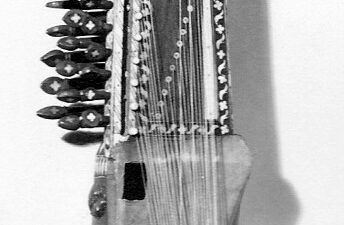
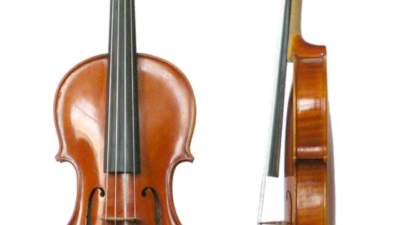
Naushad constructed this song around Raag Yaman — the evening raag that opens with a raised madhyam (fourth note, Ma#) and is associated with the melancholy sweetness of twilight and longing. At this point in his career, Naushad was developing his signature style: using classical raag frameworks for film songs without making them feel academic or distant. The slow keherwa taal creates a gentle rocking motion, like waves of remembrance. The violin ensemble — Naushad's signature orchestral tool throughout the 1940s — weaves a silken texture around Suraiya's voice. The harmonia provides the tonal anchor while the sarangi's microtonal expressiveness mirrors the emotional subtleties of the lyrics. Suraiya's voice at nineteen had a remarkable maturity — clear, unforced, with a natural vibrato that suited Yaman's bittersweet quality perfectly.
काव्य The Poetry
शकील बदायूँनी यहाँ एक अजीब सरल सवाल उठाते हैं — क्या दर्द के आने से पहले मुझे उसका पता था? नहीं — और यही उत्तर पूरे गीत की यात्रा बन जाता है। पहली पंक्ति 'मुझे दर्द-ए-दिल का पता न था' की स्वीकारोक्ति 1947 के हिंदी फ़िल्मी बोलों में असामान्य थी, जो आमतौर पर अलंकारिक और औपचारिक होते थे। शकील नायिका को वास्तविक कमज़ोरी की आवाज़ देते हैं — दुःख का प्रदर्शन नहीं, बल्कि प्यार में पड़ने से पहले और बाद की असली याद। ख़ालीपन ('मेरा दिल था ख़ाली') और बाद की खोई-सी अवस्था ('खोई सी रही') एक मनोवैज्ञानिक चित्र बनाते हैं।
अंग्रेज़ी में पढ़ें · Read in English
Shakeel Badayuni's lyric here poses a deceptively simple question: did I know what heartache was before it arrived? The answer — of course not — becomes the song's emotional journey. The confessional quality of the opening line ('mujhe dard-e-dil ka pata na tha') is unusual for 1947 Hindi film lyrics, which tended toward the decorative and the formal. Shakeel humanises the protagonist by giving her a voice of genuine vulnerability — not performing sadness but actually remembering the before-and-after of falling in love. The imagery of emptiness that preceded love ('mera dil tha khaali') and the dreamlike state that followed ('khoi si rahi') creates a psychological portrait rather than a conventional romantic lament.
कहानी The Story
दर्द (1947) में सुरैया थीं — उन्नीस साल में हिंदी सिनेमा के सबसे भरोसेमंद नामों में से एक। अभिनय और गायन दोनों में कुशल होने की उनकी दुर्लभ क्षमता ने उन्हें निर्माताओं के लिए अत्यंत मूल्यवान बनाया। A.R. करदार ने फ़िल्म के संगीत के लिए नौशाद और शकील को एक साथ लाए — यह तिकड़ी जो 1940 के दशक के अंत के हिंदी सिनेमा की आवाज़ को परिभाषित करेगी। फ़िल्म दुःख और तड़प के विषयों पर बनी थी, और इस जैसे गीत सिर्फ़ मनोरंजन के लिए नहीं, बल्कि फ़िल्म के भावनात्मक बोझ को उठाने के लिए बनाए गए थे। नौशाद ने बाद में कहा कि सुरैया के साथ काम करना बेहद सहज था — वे गीत गाने से पहले ही उसके भावनात्मक सार को समझ लेती थीं।
अंग्रेज़ी में पढ़ें · Read in English
Dard (1947) starred Suraiya, who at nineteen was one of the most bankable names in Hindi cinema. She had the rare dual ability — acting and singing her own songs — which made her uniquely valuable to producers. A.R. Kardar, one of the most respected directors of the era, assembled Naushad and Shakeel for the film's music, a collaboration that would define the sound of late 1940s Hindi cinema. The film explored themes of suffering and longing through its title character, and songs like this one were designed to carry the film's emotional weight rather than simply entertain. Naushad recalled in later interviews that working with Suraiya was effortless — she understood the emotional core of a song before she sang a note.
विरासत The Legacy
दर्द (1947) ने सुरैया की हिंदी सिनेमा की प्रमुख गायिका-अभिनेत्री के रूप में स्थिति और नौशाद की शास्त्रीय-फ़िल्मी संगीत के उस्ताद के रूप में प्रतिष्ठा दोनों को मज़बूत किया। इस फ़िल्म के गीत सुनहरे दौर के हिंदी संगीत की पूर्वावलोकन प्रस्तुतियों में नियमित रूप से शामिल होते हैं। नौशाद और सुरैया की जोड़ी को 1940 के दशक की महान संगीतकार-गायक साझेदारियों में गिना जाता है। संगीतशास्त्रीय चर्चाओं में यह गीत विशेष रूप से इस बात के प्रमाण के रूप में उद्धृत किया जाता है कि नौशाद ने राग यमन को लोकप्रिय फ़िल्मी दर्शकों के लिए किस तरह ढाला।
अंग्रेज़ी में पढ़ें · Read in English
Dard (1947) cemented both Suraiya's status as the premier female voice-actress of Hindi cinema and Naushad's reputation as the master of classical-inflected film composition. Songs from this film are regularly included in retrospectives of golden era Hindi music. Suraiya's later work with Naushad continued through films like Anmol Ghadi, and the two are considered one of the great composer-singer partnerships of the 1940s. This song in particular is cited in musicological discussions of how Naushad shaped Raag Yaman for the popular film audience.
वर्गीकरण
Classification- Tempo
- Slow
Genre
अन्य विवरण
More Details- Hindi Film Geet Kosh — Vol. 3, entries for Dard (1947)
- Wikipedia: Suraiya — https://en.wikipedia.org/wiki/Suraiya_(actress)
- Wikipedia: Naushad — https://en.wikipedia.org/wiki/Naushad
- Wikipedia: A.R. Kardar — https://en.wikipedia.org/wiki/A._R._Kardar
References
रोचक तथ्य
Margin Notesसुरैया एक साथ फिल्म दर्द (1947) में अभिनय भी कर रही थीं और अपने चरित्र के सभी गीत भी गा रही थीं — एक असामान्य व्यवस्था जिसने उन्हें उद्योग में विशिष्ट रूप से शक्तिशाली बना दिया।
अंग्रेज़ी में पढ़ें · Read in English
Suraiya was simultaneously acting in the film Dard (1947) and singing all her character's songs — an unusual arrangement that made her uniquely powerful in the industry.
ए.आर. कारदार ने 1940 के दशक के अंत की कुछ सबसे संगीतमय रूप से प्रतिष्ठित हिंदी फिल्मों का निर्देशन किया, और हमेशा नौशाद को ही अपना संगीतकार चुना।
अंग्रेज़ी में पढ़ें · Read in English
A.R. Kardar directed some of the most musically distinguished Hindi films of the late 1940s, always choosing Naushad as his composer.
नौशाद 1947 में 30 वर्ष के थे और रतन (1944) तथा अनमोल घड़ी (1946) जैसी फिल्मों के साथ वे पहले ही बंबई के सबसे मांग वाले संगीतकारों में से एक के रूप में स्थापित हो चुके थे।
अंग्रेज़ी में पढ़ें · Read in English
Naushad was 30 years old in 1947 and had already established himself as one of the most sought-after composers in Bombay with films like Rattan (1944) and Anmol Ghadi (1946).
राग यमन इस काल में नौशाद के सबसे अधिक प्रयुक्त रागों में से एक था — उन्हें लगता था कि इसका उर्दू रोमांटिक काव्य परंपरा से स्वाभाविक जुड़ाव है।
अंग्रेज़ी में पढ़ें · Read in English
Raag Yaman was one of Naushad's most frequently used raags in this period — he felt it had a natural affinity with the Urdu romantic lyric tradition.
गीत की आत्मनिरीक्षी गुणवत्ता — 'मुझे दर्द का पता नहीं था इसके आने से पहले' — हिंदी फिल्मी गीतों में मनोवैज्ञानिक यथार्थवाद के मामले में अपने समय से आगे थी।
अंग्रेज़ी में पढ़ें · Read in English
The song's introspective quality — 'I didn't know heartache before it arrived' — was ahead of its time in psychological realism for Hindi film lyrics.
नमूना-पट्टी
The Specimen Table| शीर्षक | मुझे दर्द-ए-दिल का पता न था · Mujhe Dard-e-Dil Ka Pata Na Tha |
|---|---|
| फ़िल्म | दर्द · 1947 |
| वर्ष · युग | 1947 — Pre-Independence |
| गायक | Suraiya |
| गीतकार | Shakeel Badayuni |
| संगीतकार | Naushad |
| स्वरूप | एकल महिला |
| गति | धीमी |
| अवधि | 4:10 |
| भाषा | Urdu · Hindi |
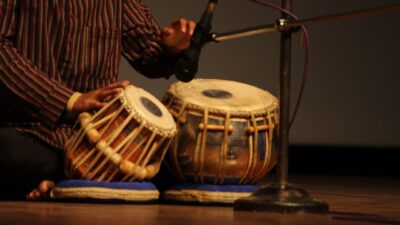
| वाद्य | sarangi · violin · harmonium · tabla |
| भाव | उदास · पुरानी यादें · दार्शनिक |
| लोकप्रियता | Very_popular |
| बोल-स्थिति | केवल झलक |
जुड़े हुए पन्ने
Connected Plates · The Graph Made Visibleअटलस में कोई पन्ना अकेला नहीं — इस गीत से जुड़े गीत, कलाकार, फ़िल्म, राग-ताल-विधा, सब यहाँ से खुलते हैं।
मिलते-जुलते गीत · Related Songs
कलाकार · The Artists
फ़िल्म · The Film
साझा कीजिए · Share this Plate
यह पन्ना आगे बढ़ाइए
नौशाद का यमन गर्मी की शाम की बारिश जैसा है — पता नहीं था कि इसकी ज़रूरत थी, जब तक वह आ न जाए।
Naushad's Yaman is like rain on a summer evening — you didn't know you needed it until it arrived.
— HindiGeet.in editorial
सवाल-जवाब
Questions & Answersदर्द (1947) में गाने किसने गाए? · Who sang the songs in Dard (1947)?
दर्द (1947) में सुरैया ने गाने गाए। वे एक साथ प्रमुख अभिनेत्री और पार्श्व-गायिका थीं — यह उनके विशिष्ट दोहरे कैरियर की पहचान थी।
Suraiya sang the songs in Dard (1947). She was both the lead actress and playback singer, which was a hallmark of her unique dual career.
दर्द (1947) का संगीत किसने दिया? · Who composed the music of Dard (1947)?
दर्द (1947) का संगीत नौशाद ने दिया, गीत शकील बदायूँनी ने लिखे। यह सहयोग हिंदी फ़िल्म संगीत के सुनहरे दौर की सबसे परिभाषित साझेदारियों में से एक बन गया।
The music of Dard (1947) was composed by Naushad, with lyrics by Shakeel Badayuni. This collaboration became one of the defining partnerships in golden era Hindi film music.